'Cooling, not a reversal' — Why Bulgaria's new Russia-friendly leader is unlikely to become EU's next Orban
 on Google

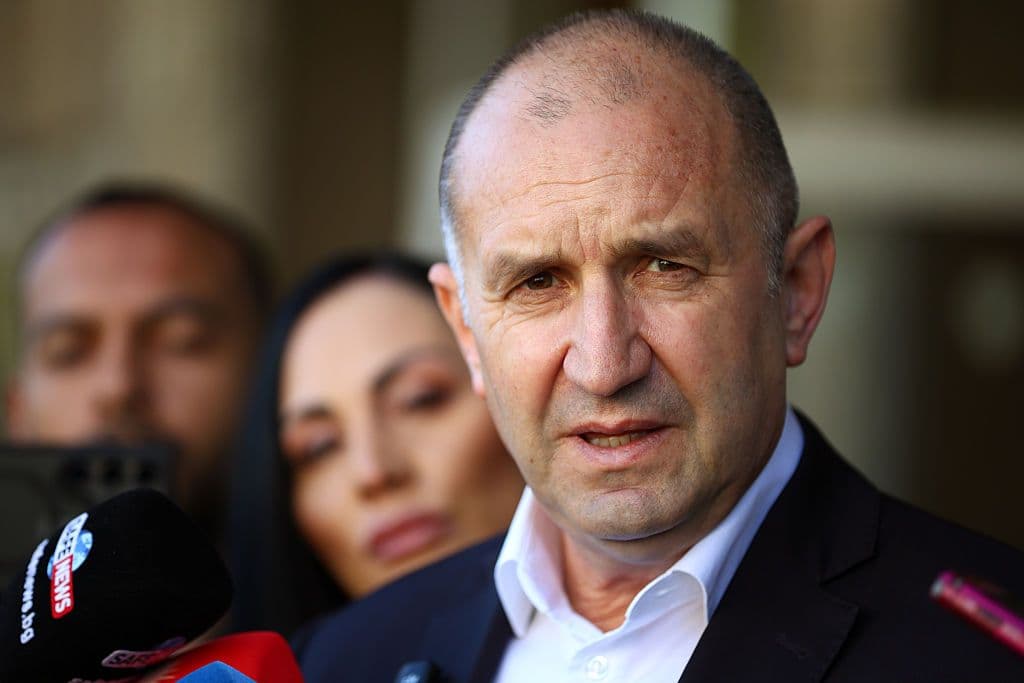
The landslide victory of ex-President Rumen Radev's party in Bulgaria's April 19 parliamentary election is seen by many as a boost to Russia-friendly, Ukraine-skeptic voices within the European Union.
Running on an anti-corruption platform, Radev's Progressive Bulgaria (PB) secured 44.6% of the vote, winning a majority and a chance to govern without a coalition partner.
The result could strain Ukraine's relations with Bulgaria, a 6-million-strong NATO and EU member that has backed Kyiv since Russia's full-scale invasion.
Radev's opposition to military aid for Ukraine and calls for pragmatic ties with Moscow have fueled concerns that he could emerge as the EU's next spoiler after Hungary's outgoing leader, Viktor Orban.
But in fact the picture is more complicated: some analysts argue that Radev will remain part of the "European consensus," and Bulgaria will not become an equivalent of Orban's Hungary.
"Ukraine should expect a cooling, not a reversal," Dimitar Keranov, an analyst at the German Marshall Fund's European Resilience program, told the Kyiv Independent.
While Keranov expects Radev to pursue closer energy cooperation with Russia and rhetorical distancing from Ukraine, he does not see him as the "next Orban."
"Radev's instincts are different — accommodation through paralysis rather than confrontation. He will not use Bulgaria's veto to block EU decisions on Ukraine," Keranov said.
"But Bulgaria on NATO's eastern flank, governed by a pro-Russian leader, is a vulnerability in the long term."
Between Europe and pro-Russian 'pragmatism'
In his victory speech, Radev's chest-pounding about a "strong Bulgaria in a strong Europe" was followed by a veiled jab at Europe's current trajectory.
"What Europe needs right now is critical thinking, pragmatic actions, and good results, especially to build a new security architecture," Radev said.
Radev, who was the Balkan country's president between 2017 and 2026, has repeatedly criticized sanctions against Russia, military aid to Kyiv, and Sofia's 10-year security agreement with Ukraine.
He has also called for reopening dialogue with Russia, a position that earned him praise from Kremlin spokesperson Dmitry Peskov.
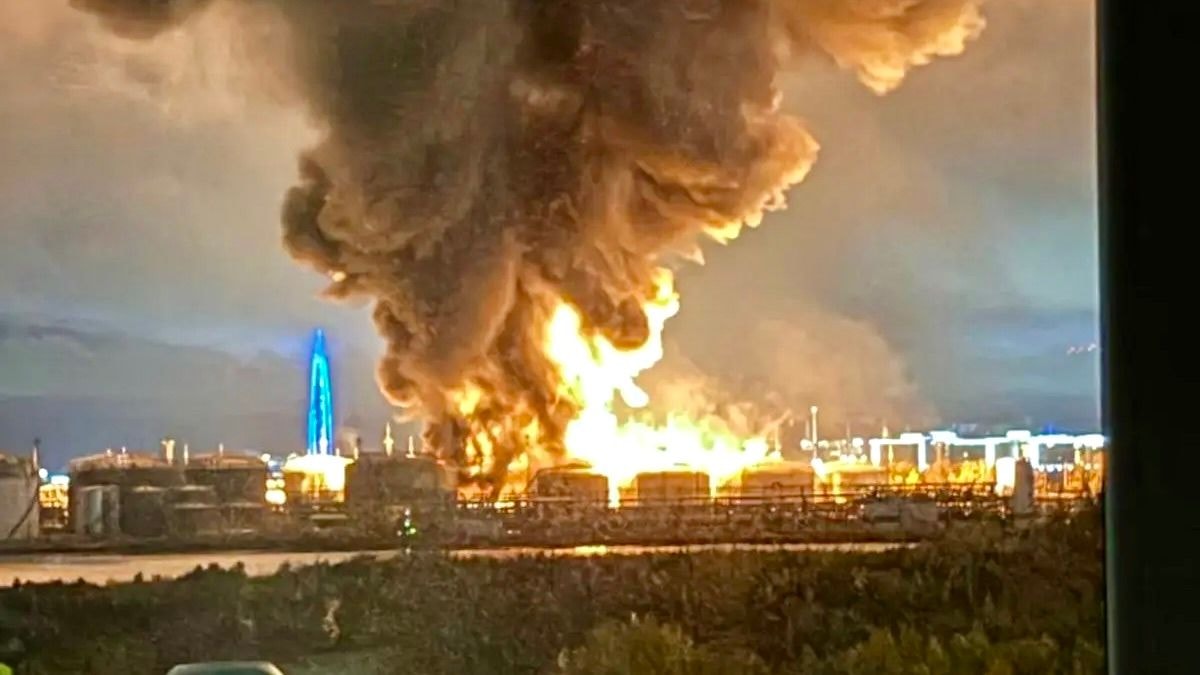
Sofia spent the past few years trying to wean itself off Russian energy, aiming to end Russian gas imports by 2028 and make Russian oil company Lukoil sell its Neftohim refinery in Burgas, Bulgaria.
Radev’s record of hampering such efforts through presidential vetoes and caretaker governments he appointed signals a potential shift away from this trajectory.
"Domestically, (Radev) might be more accommodating to Russian economic interests, especially in energy," Keranov said.
Ukraine should also "expect no enthusiasm for deeper defense-industrial cooperation, and a steady rhetorical distancing from Kyiv while keeping Bulgaria's formal commitments intact," he added.
Expectations that Radev may be constrained by coalition partners, such as the center-right GERB-Union of Democratic Forces (SDS) or the pro-European We Continue the Change-Democratic Bulgaria (PP-DB), have also proven to be unfounded.
After five years of political turmoil and snap elections, Radev's coalition delivered the strongest electoral result in decades, winning 130 seats and allowing him to build a government on his own.
The opposition has been left weakened and fragmented. GERB-SDS, led by former Prime Minister Boyko Borisov, came second with 13.4%, followed by PP-DB with 12.7%.
The Movement for Rights and Freedoms (DPS), a Turkish minority-interest party led by Western-sanctioned oligarch Delyan Peevski, and the ultranationalist, pro-Russian Revival party also entered the parliament.
"The coalition trap that defined Bulgarian politics for five years has dissolved. What replaces it is a different kind of risk: unprecedented single-party control over a state apparatus that three decades of capture have already hollowed out," Keranov commented.
The dominant position in parliament will give Radev great leeway for legislative and personnel changes — particularly in the diplomatic corps or security services — allowing him to pursue a more focused foreign policy, says Ivan Nachev, executive director at the Bulgarian School of Politics.
But ultimately, "this freedom (of action) remains structurally constrained by Bulgaria's membership in the EU and NATO, as well as by economic and institutional dependencies," the expert adds.
No Orban 2.0
For Ukraine, the greatest concern is Radev potentially abusing Bulgaria's EU veto rights to block sanctions against Russia and aid to Ukraine. Hungary's Orban has done so for years — most recently with the 90-billion-euro ($106 billion) loan to Kyiv and the 20th package of Russia sanctions.
So far, Radev has adopted a softer line than the outgoing Hungarian prime minister.
Bulgaria should not be involved in aiding Ukraine's war effort, but should not prevent other European countries from supporting Kyiv either, Radev said during the campaign.
He also previously declared that Ukraine’s prospects for EU membership are clear but warned against fast-tracking the process, a view shared by many other European leaders.
"Bulgaria is more likely to follow a pragmatic course within the EU than to adopt a confrontational model similar to that of Viktor Orban," Nachev believes.
The new government will remain part of the European consensus, but may be "more inclined to question individual decisions, especially in areas such as sanctions policy, military support for Ukraine and relations with Russia," he added.
Radev will not be alone. Slovak Prime Minister Robert Fico has often criticized the EU's policy on Ukraine, and Czechia's support has also cooled with the electoral victory of populist oligarch Andrej Babis last year.
However, Keranov warns that Radev may take increasingly pro-Russian steps over time as he tests political boundaries.
Meanwhile, Kyiv and Brussels reserve judgment. One EU diplomat told the Kyiv Independent it is too soon to say exactly what to expect from Bulgaria's incoming prime minister.
"It's all about how much he (Radev) will be willing to compromise," they said.
Another EU diplomat commented that "any warming up with Russia is not a direction that we would applaud."
Oleksandr Merezhko, head of the Ukrainian parliament's foreign affairs committee, does not expect a radical change in Bulgarian-Ukrainian relations.
Radev might try to adopt a more "pragmatic" stance but would not seek to take over Orban's role, as he "saw to what it might lead," the lawmaker told the Kyiv Independent.
"Bulgaria, as an EU and NATO member state, will continue to support Ukraine," Merezhko believes.
Note from the author:
Hi, this is Martin Fornusek.
I hope you enjoyed this article. In our team, we believe fact-based and truthful reporting should be available to all — that's why we don't use any paywall.
If you want to see more in-depth coverage of regional politics and how it shapes Ukraine's struggle against Russian aggression, please consider joining the Kyiv Independent community.