UN appoints Russian diplomat to oversee mine action, as Ukraine clears over 300,000 explosives in Kherson Oblast
 on Google

The United Nations has appointed a Russian diplomat to a senior position overseeing mine action, drawing criticism from Ukraine as the country continues to clear hundreds of thousands of explosive devices left behind by Russia's war.
U.N. Secretary-General Antonio Guterres announced the appointment of Gleb Desyatnikov as assistant secretary-general for mine action and police in the Department of Peace Operations on Oct. 27.
Desyatnikov has served as Russia's ambassador to Jordan since 2018, including throughout Moscow's full-scale invasion of Ukraine. According to the U.N., he has more than 35 years of experience in international relations and security affairs, including previous positions at Russia's Foreign Ministry.
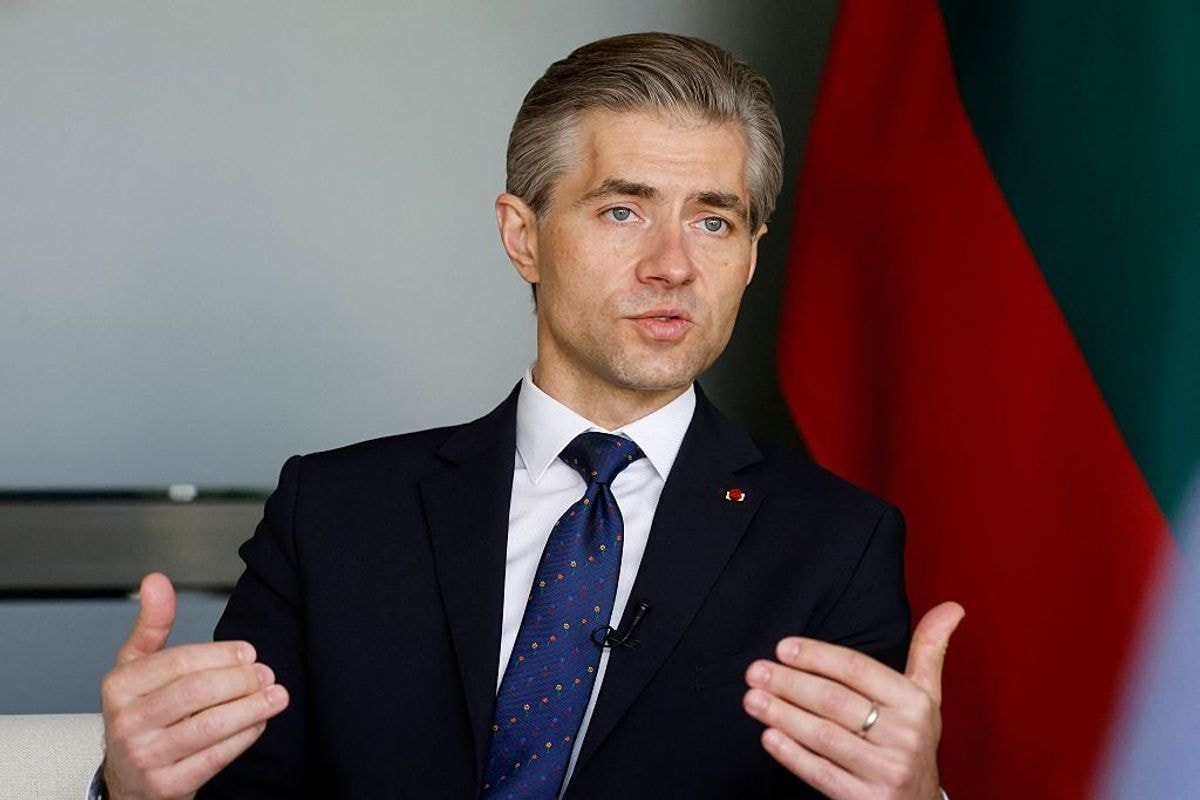
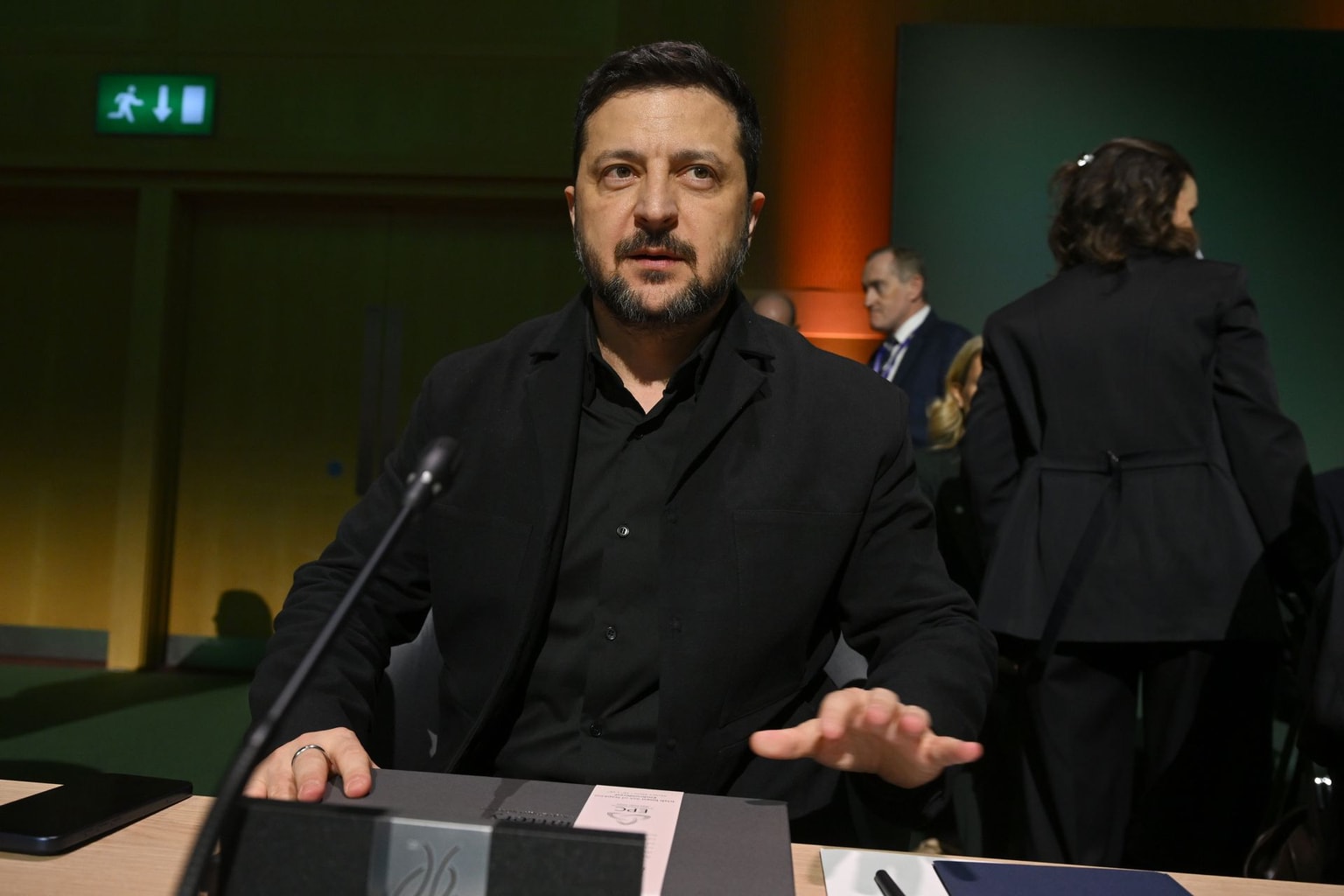
"Moscow has mined the United Nations," Ukrainian Foreign Ministry spokesperson Heorhii Tykhyi wrote on X on Oct. 29, criticizing the decision.
"Entrusting this responsibility to a representative of the aggressor state is deeply troubling and undermines trust in the United Nations," he added.
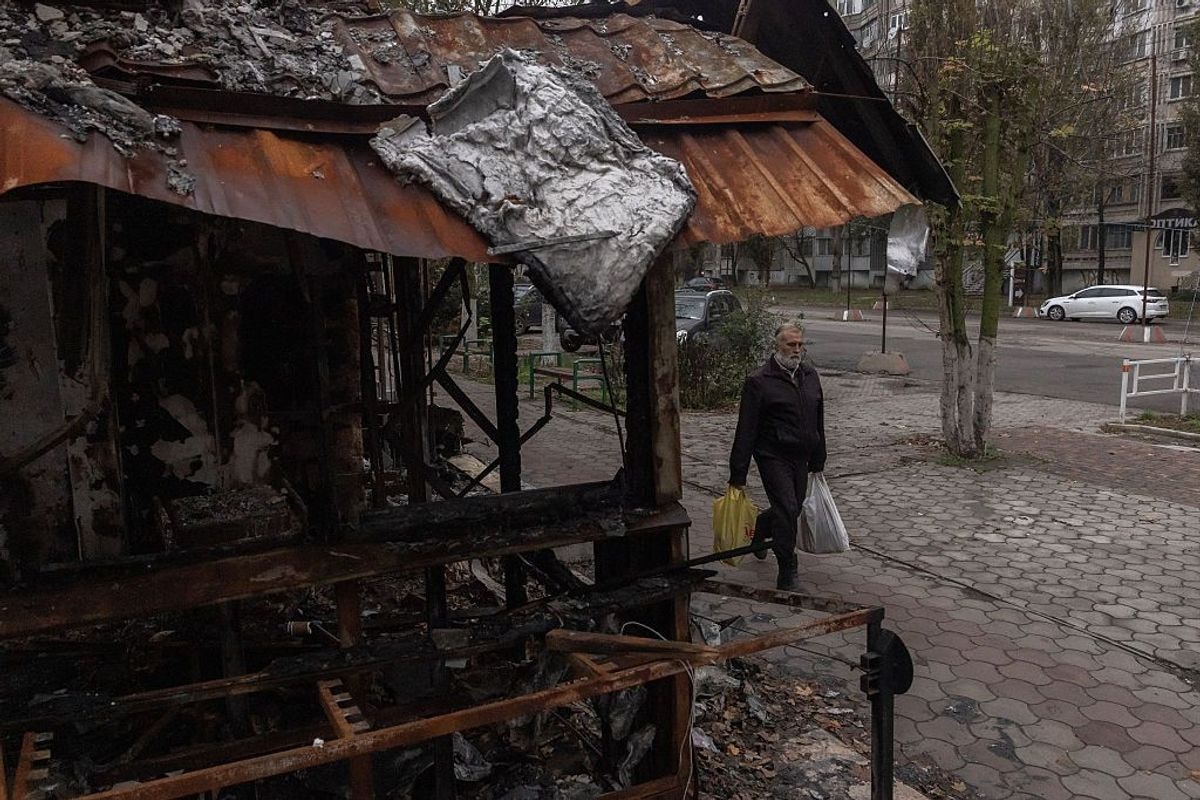
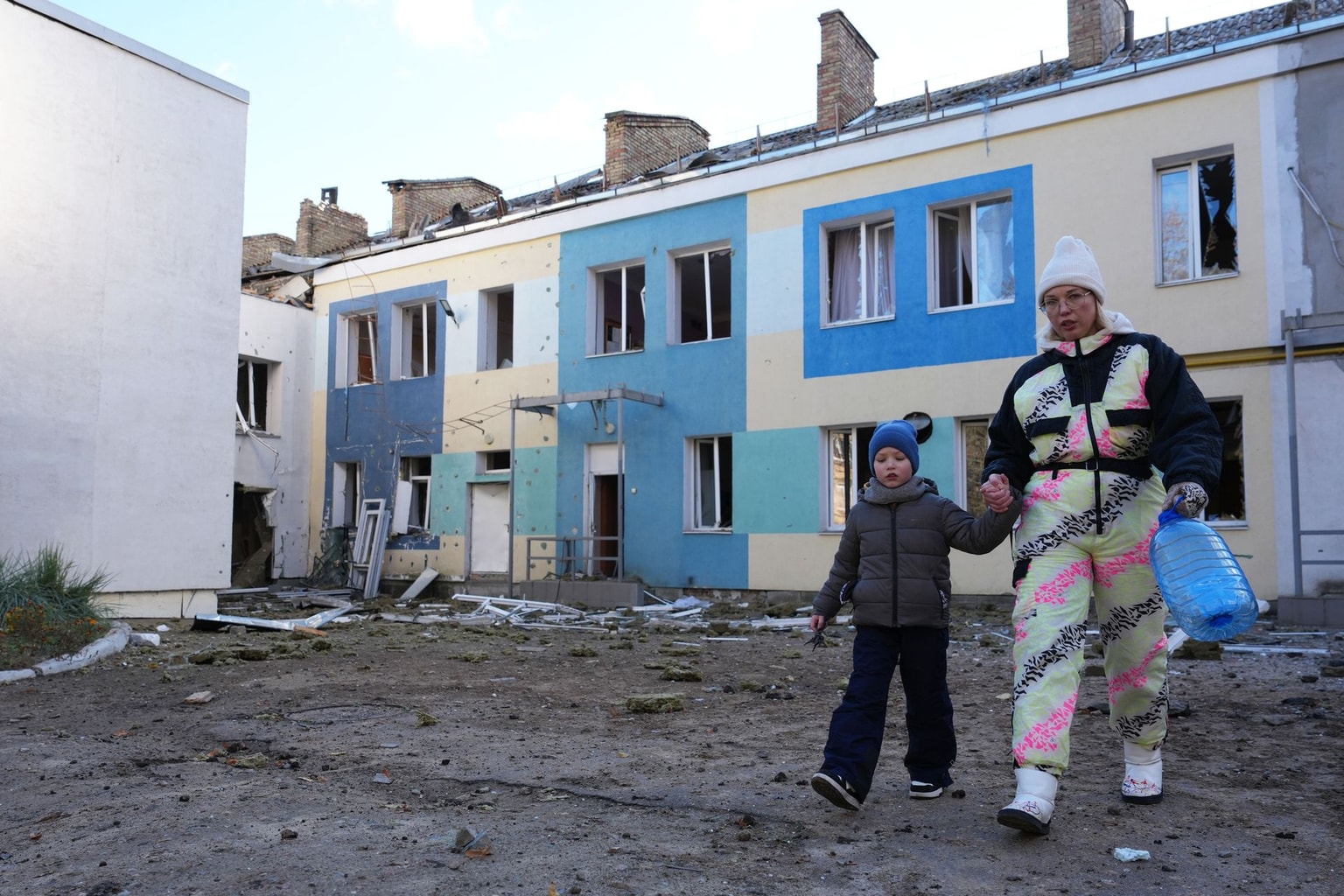
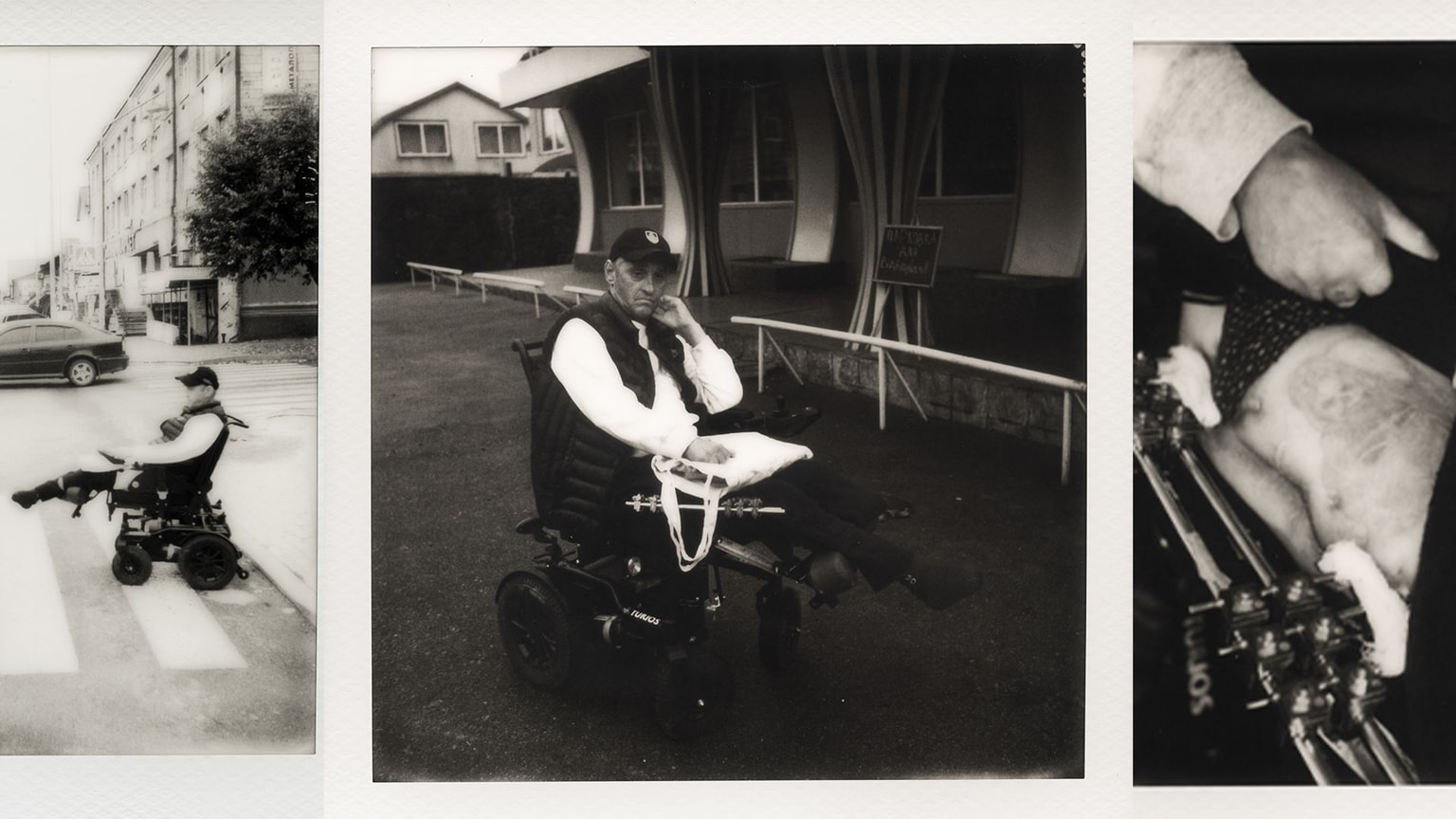
The appointment comes as Ukraine faces one of the world's largest demining challenges, with Russian mines and unexploded ordnance threatening civilians and complicating the recovery of agricultural land and infrastructure.
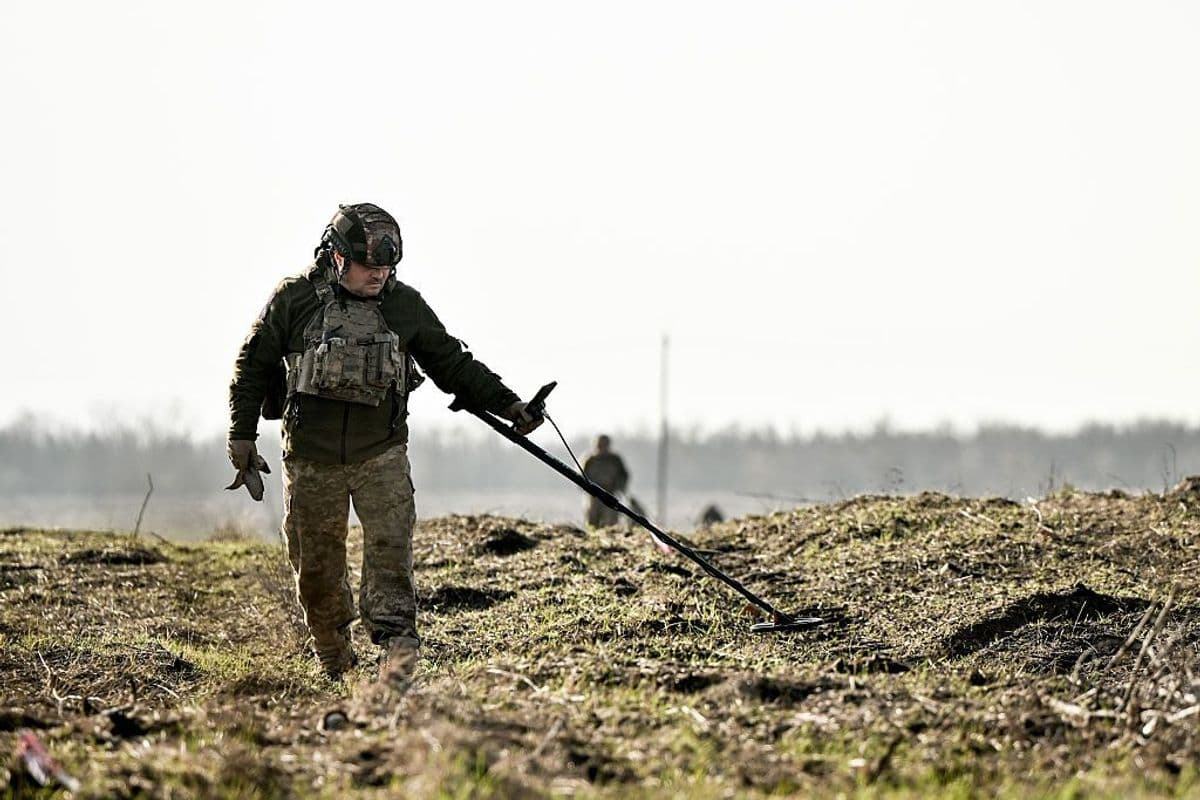
In southern Kherson Oblast, demining teams have neutralized 300,691 explosive devices on the Ukrainian-controlled right bank since the start of clearance operations, according to the regional military administration.
Between Oct. 22 and 28 alone, specialists surveyed 602.8 hectares (1,490 acres) and neutralized 471 explosive devices, the administration reported on Oct. 29. Authorities said 74.5% of the territory designated for clearance on the region's right bank has now been cleared.
In December 2022, Human Rights Watch (HRW) confirmed that Russia was using 13 models of anti-personnel and 13 models of anti-vehicle landmines in its invasion of Ukraine, and that approximately 30% of the country — an area twice the size of Austria — had been "contaminated" with mines.
Among them are also PFM-1 "Butterfly" anti-personnel mines. The mines are green or olive in color, and recognizable by their distinctive shape, similar to the "propellor" seeds that spiral down from maple, ash, and sycamore trees. During the Soviet invasion of Afghanistan, they became better known for their injurious effects on the curious children who would find them while out playing.
Speaking to the Kyiv Independent nine months later, HRW Associate Director Mark Hiznay, explained the near impossibility of keeping that figure current. What is known is that Russia, at the beginning of the full-scale invasion, had a stockpile of 26 million mines —the largest in the world, according to various estimates.