'A great deal depends on America's position' — Zelensky holds call with Trump's peace envoys as US pivots to Moscow's side
 on Google
Editor's Note: This is a developing story and is being updated.
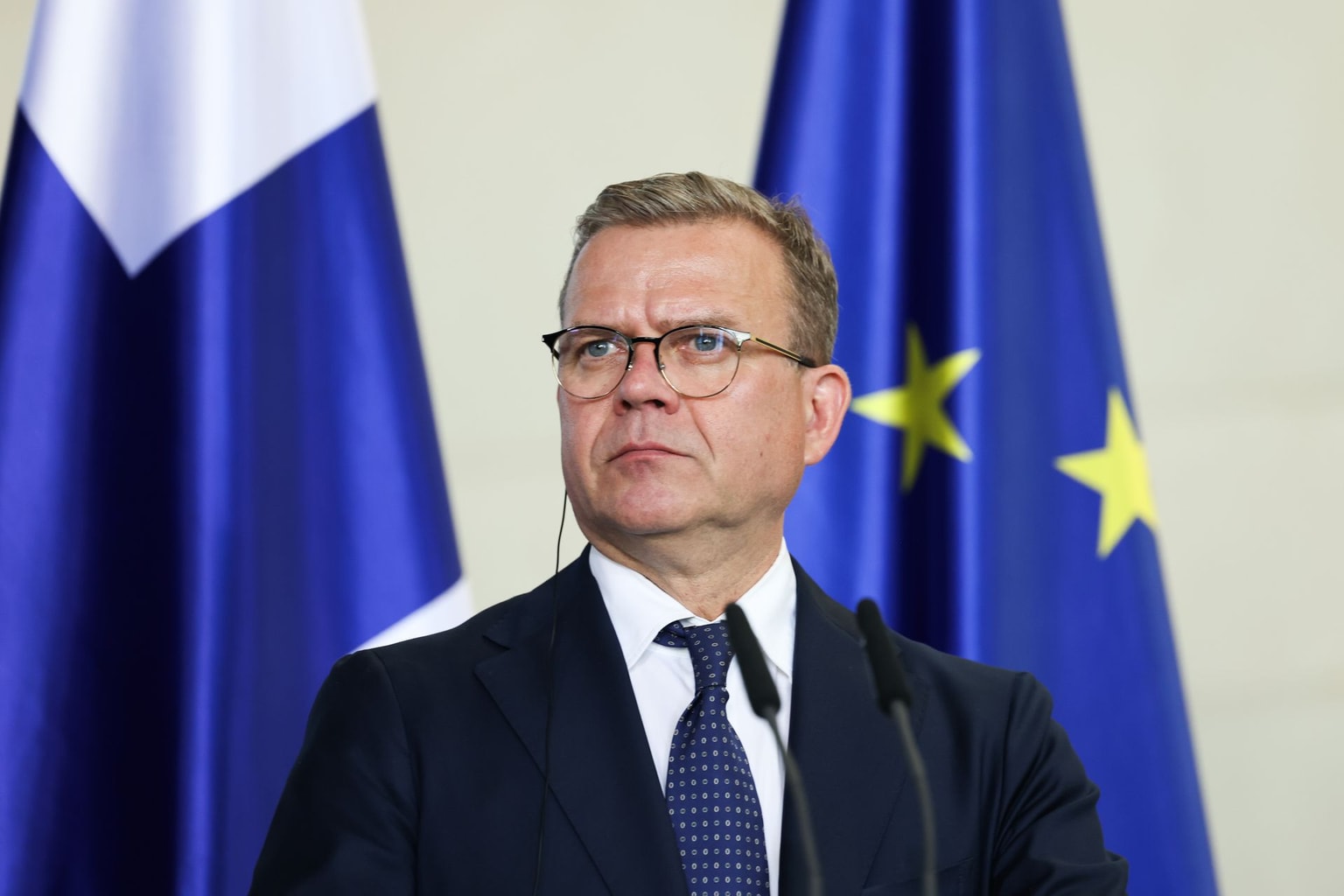
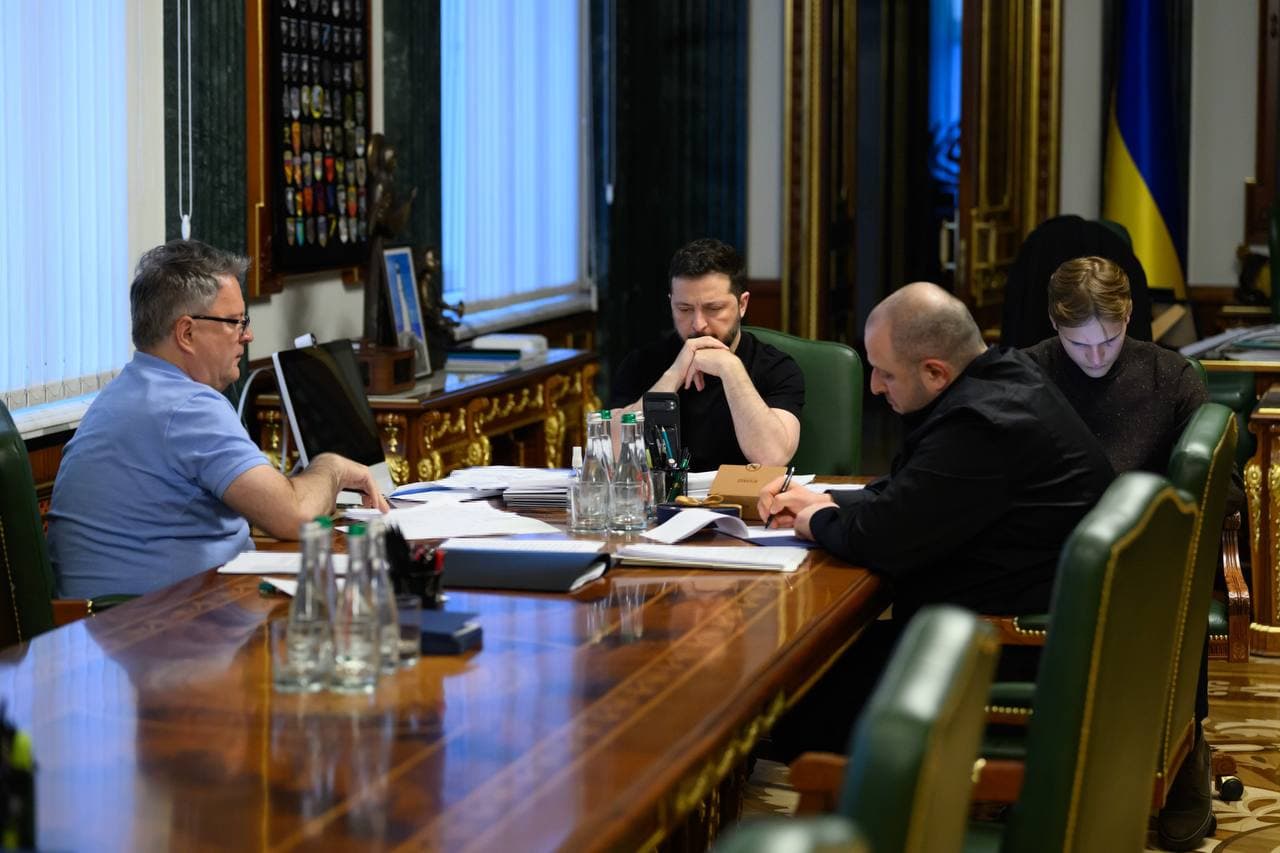
President Volodymyr Zelensky held a phone conversation on Oct. 18 with U.S. President Donald Trump's special envoys, Steve Witkoff and Jared Kushner, who have been tasked with leading peace talks between Kyiv and Moscow.
The call comes as Ukraine faces severe challenges in its relationship with Washington, once its strongest partner in defense against Russia's full-scale invasion. But in recent days, Trump has waived sanctions on Russia, demanded Ukraine halt attacks on oil refineries, and reportedly ordered restrictions on Ukrainian forces' access to vital Starlink services on the front lines.
Zelensky said his conversation with Kushner and Witkoff on Oct. 18 focused mainly on the results of their teams' latest diplomatic talks in Miami.
According to the president, the U.S. and Ukraine are in "constant communication" and are preparing their "next steps in diplomacy."
"We are constantly informing our partners about the real situation with the ongoing Russian shelling, which does not stop for a minute, and the issue of air defense," Zelensky said.
"A great deal depends on America's position here. Ukraine remains ready to work constructively, honestly, and for real results."
In an interview with NBC's "Meet the Press" published Oct. 18, Zelensky said he hoped Ukraine would be able to hold talks with the U.S. as early as next week. He also said Washington had resumed sharing intelligence with Kyiv regarding Russian missile launches.
The pause in missile warnings was just one of multiple blows to U.S. support for Ukraine the White House has dealt in the days since Trump abruptly announced a plan to purchase diesel from Russia to offset domestic fuel prices.
Trump on Oct. 9 said he'd made a deal with Russian President Vladimir Putin, shocking not only Ukraine but also many U.S. lawmakers from both parties. When questioned about helping fund Russia's ongoing war, Trump doubled down, saying Zelensky was making problems for the world by attacking refineries and that Ukraine should get a new president.
Then, on Oct. 11, Trump unilaterally declared an "energy ceasefire" between Ukraine and Russia. The truce appeared to be a surprise to both Kyiv and the Kremlin, but Zelensky said Ukraine was prepared to suspend attacks on Russian oil refineries if Moscow stopped battering Ukraine's power grid.
The Kyiv Independent reported on Oct. 12 that the Trump administration had threatened senior Ukrainian military and government officials in a push to protect Russian oil refineries. The U.S. warned it would suspend intelligence sharing and weapons support through NATO's PURL program if Ukraine refused to comply.
While Ukraine paused strikes on refineries, Russia made no such concessions. Zelensky revealed on Oct. 18 that Russia has attacked Ukrainian oil and gas facilities 76 times since Trump's energy ceasefire announcement the week before.
Trump has refused to blame Russia for breaking the truce, and Kyiv has resumed strikes on Russian oil refineries.
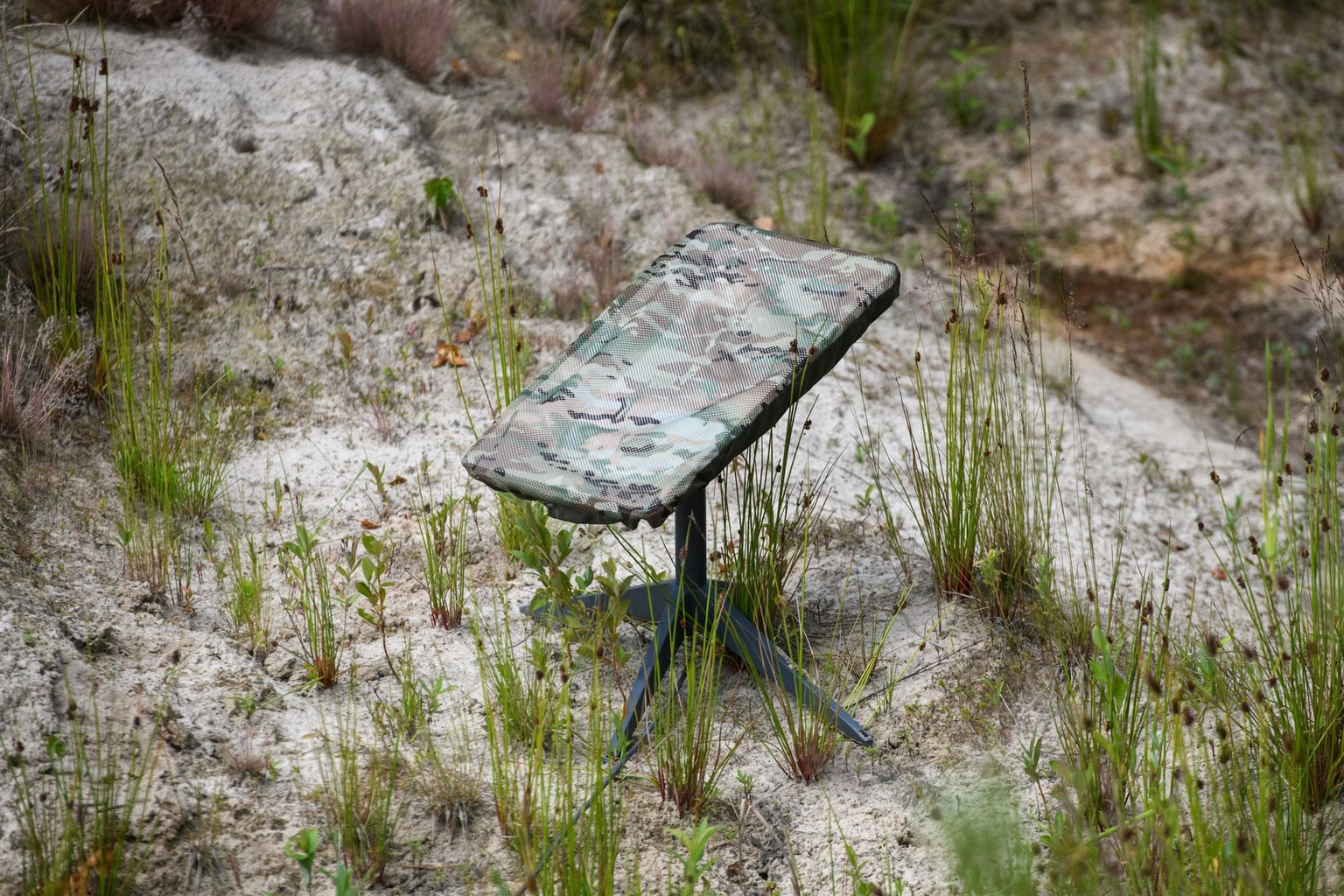
Troubles mounted for Ukraine on Oct. 14, when the sudden introduction of a speed cap on Starlink systems disrupted multiple battlefield operations, including mid-range drone strikes and air defense.
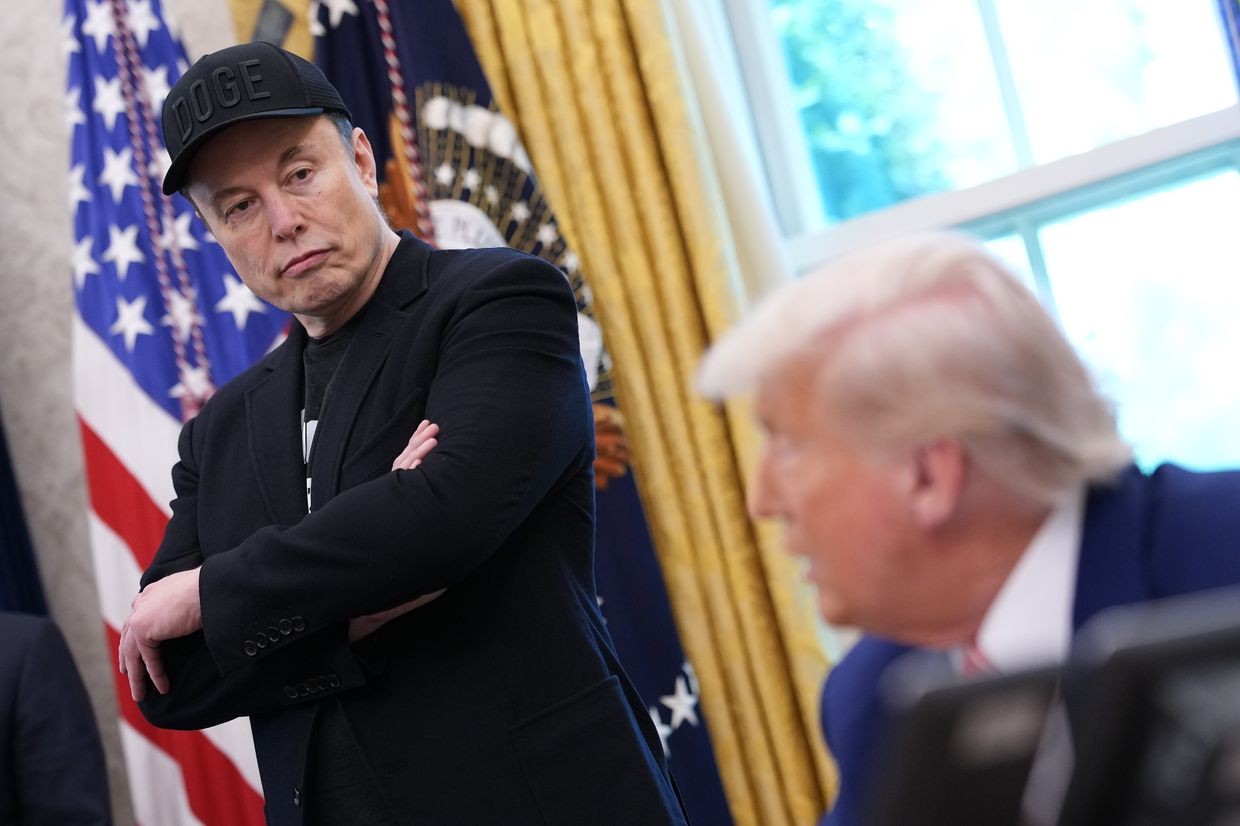
SpaceX CEO Elon Musk reportedly proposed the restriction to Trump, who agreed with the plan — though both have dodged responsibility for the move.
Zelensky has confirmed that the speed limit remains in place, hindering the efficacy of Ukraine's middle-strike campaign and the ability of interceptors to stop Russian high-speed jet drones.
A week after announcing the diesel deal with Putin, Trump issued a broad waiver of sanctions against Moscow under the Lindsey Graham Sanctioning Russia and Iran Act on Oct. 16.
Despite the devastating turn in U.S. policy, Zelensky said on Oct. 18 that Ukraine was still working with Washington to bring about an end to the war.
"Peace comes only through strength and cooperation built on trust," the president said.
"We are doing everything on our part to make this happen, and to ensure that America's position is strong and helps bring peace closer."