US Senate committee backs $750 million in Ukraine aid in 2027 defense budget
 on Google
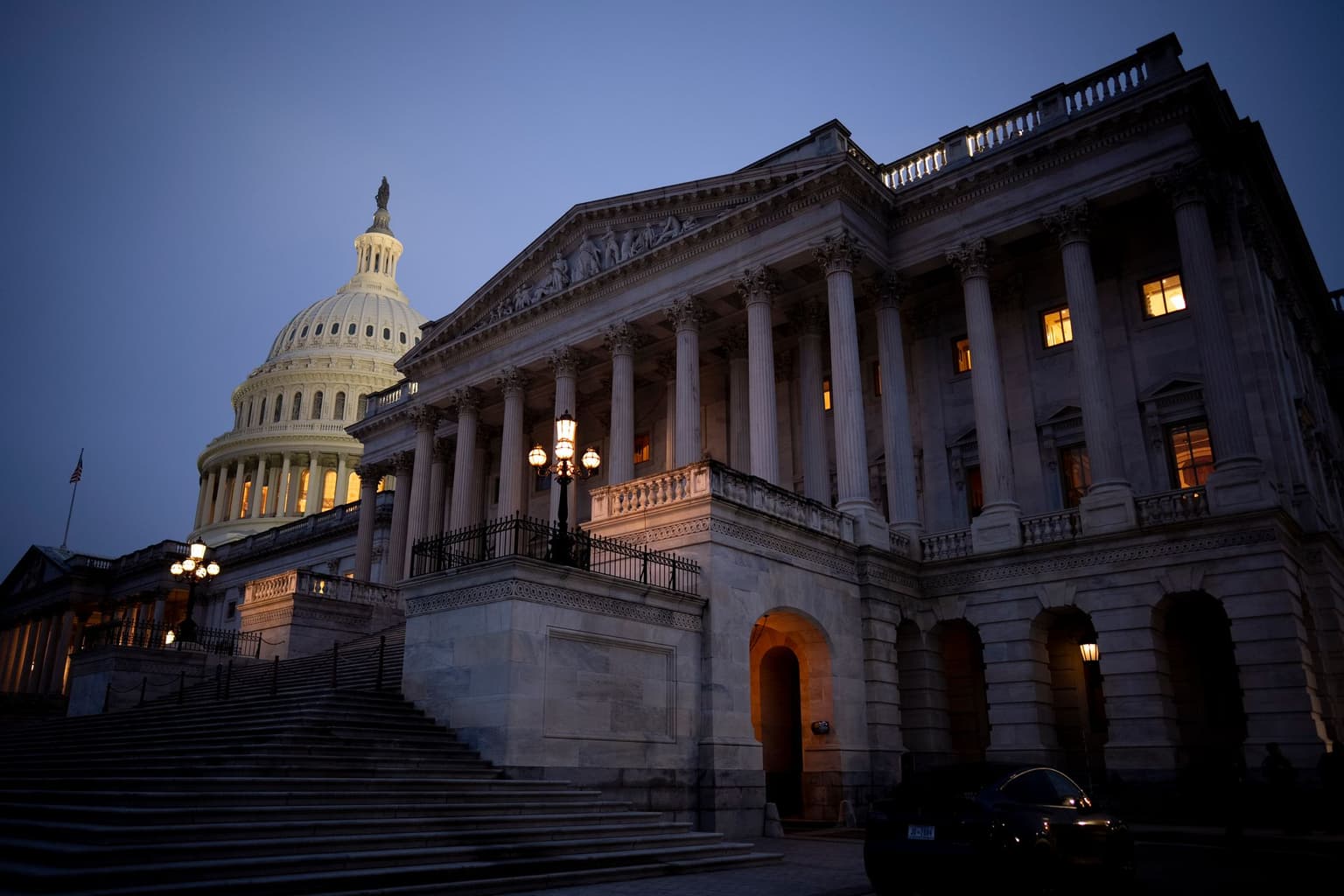
The U.S. Senate Armed Services Committee voted on June 11 to extend U.S. aid for Ukraine and increase funding to $750 million as part of the 2027 National Defense Authorization Act (NDAA), Reuters reported.
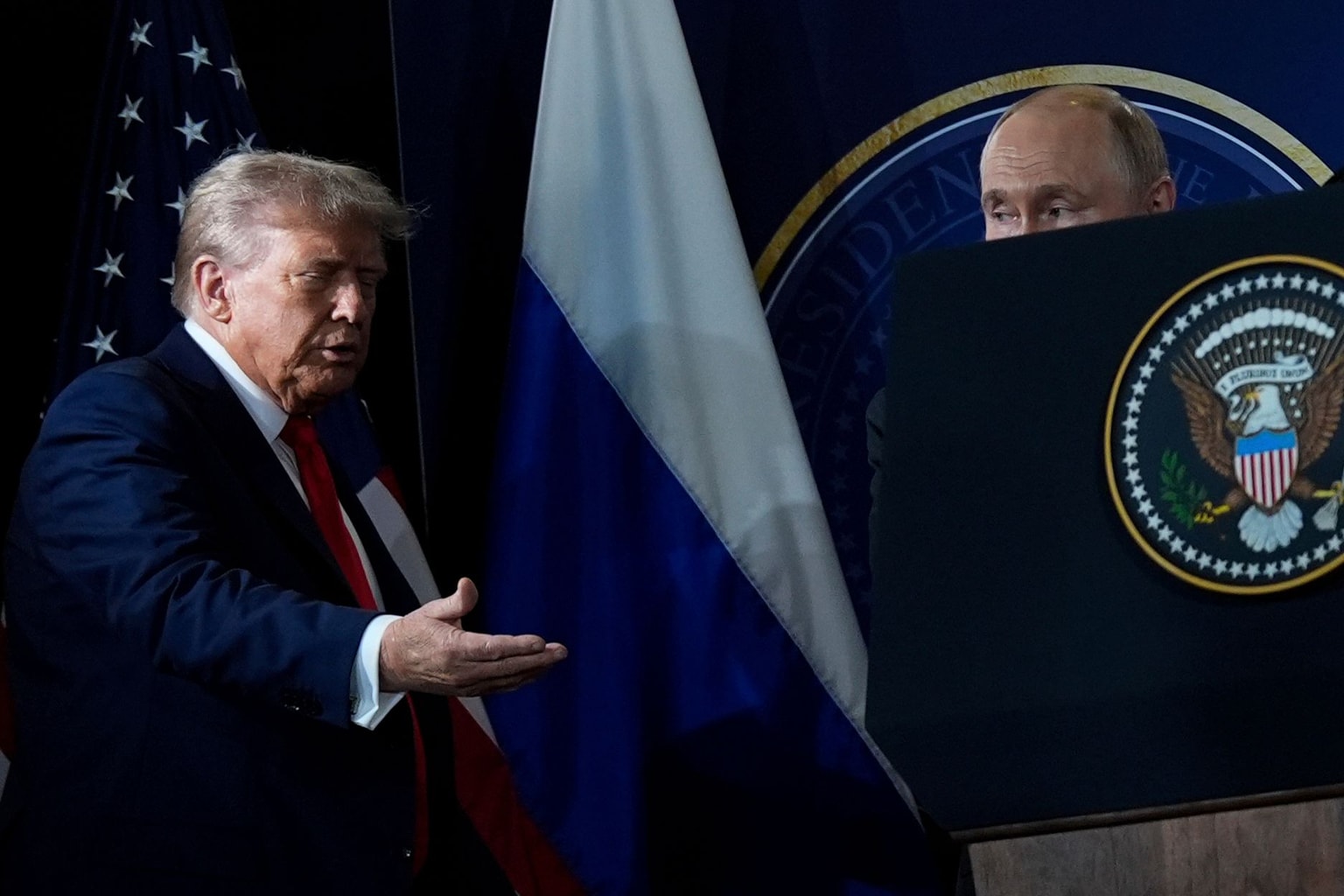
The move signals continued support for Ukraine in Congress as it fights Russia's all-out war, despite President Donald Trump's efforts to scale back U.S. assistance to Kyiv since returning to office.
The NDAA is an annual law that approves funding and plans for the U.S. military for the coming fiscal year. The overall 2027 NDAA allocates $1.15 trillion for defense.
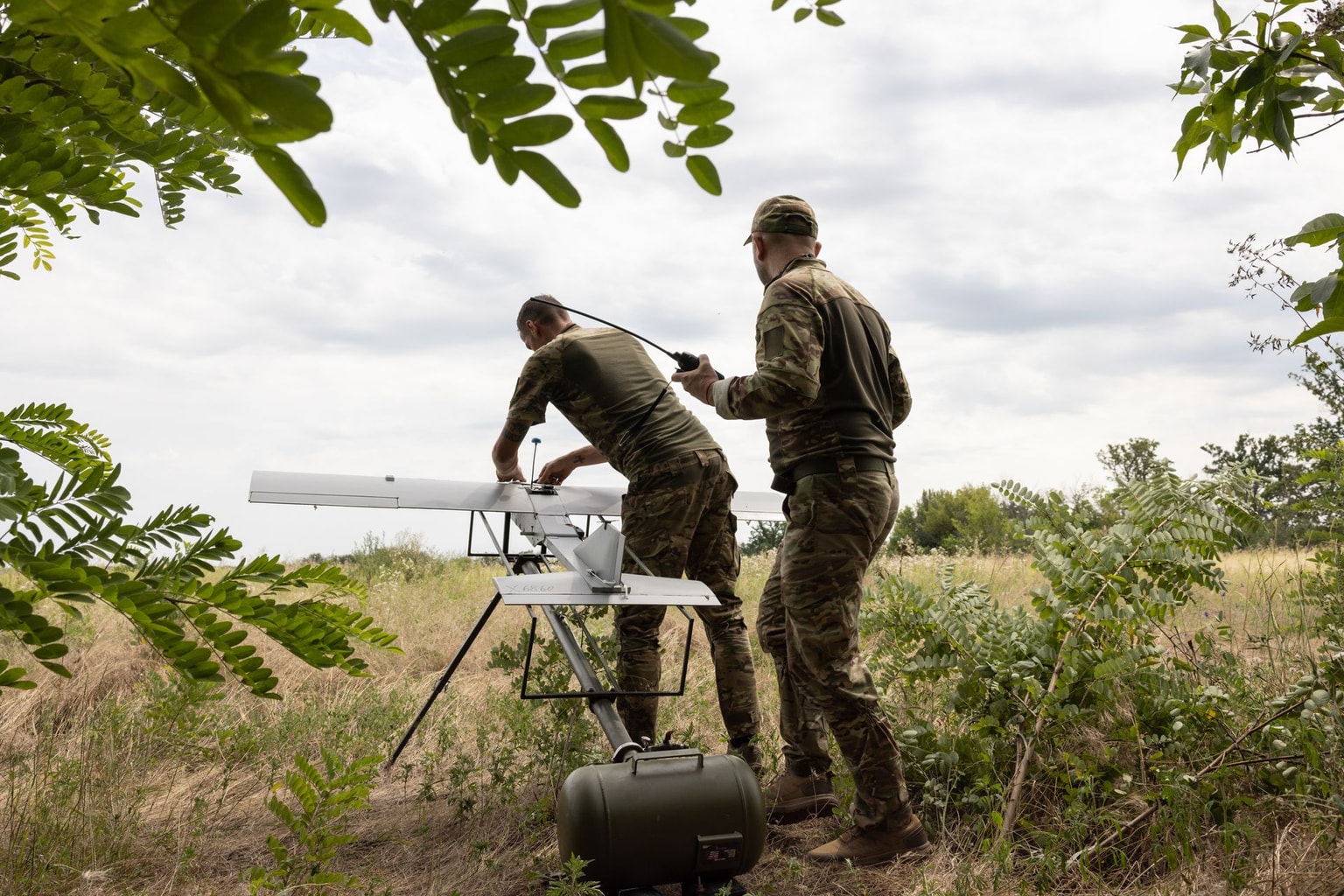
The committee's version of the annual defense policy bill includes $750 million for the Ukraine Security Assistance Initiative (USAI), a Pentagon-led program that supplies arms to Ukraine through contracts with U.S. defense companies.
The Senate bill also bars the use of funds for actions recognizing Russia's sovereignty over Ukrainian territory and mandates the provision of intelligence to Ukraine in support of its military operations.
The bill should still pass through the full legislative process, including debate and approval by both chambers of Congress.
U.S. support for Ukraine has fallen sharply since the start of Trump's second term, with American military aid to Kyiv declining by 99% during his first year back in office.
Since his inauguration in January 2025, Trump has not allocated any new defense aid packages under the Presidential Drawdown Authority (PDA) — a tool frequently used by his predecessor, former President Joe Biden.
Instead, the Trump administration has opted to sell weapons to Ukraine via NATO partners, using the Prioritized Ukraine Requirements List (PURL).
In early June, the U.S. House of Representatives voted to approve legislation that would provide billions of dollars in military assistance to Ukraine. The bill must be approved by the Senate and signed into law before it goes into force, though the legislation would an uphill battle in the Republican-controlled Senate, which is unlikely to approve the measure without the greenlight from Trump.