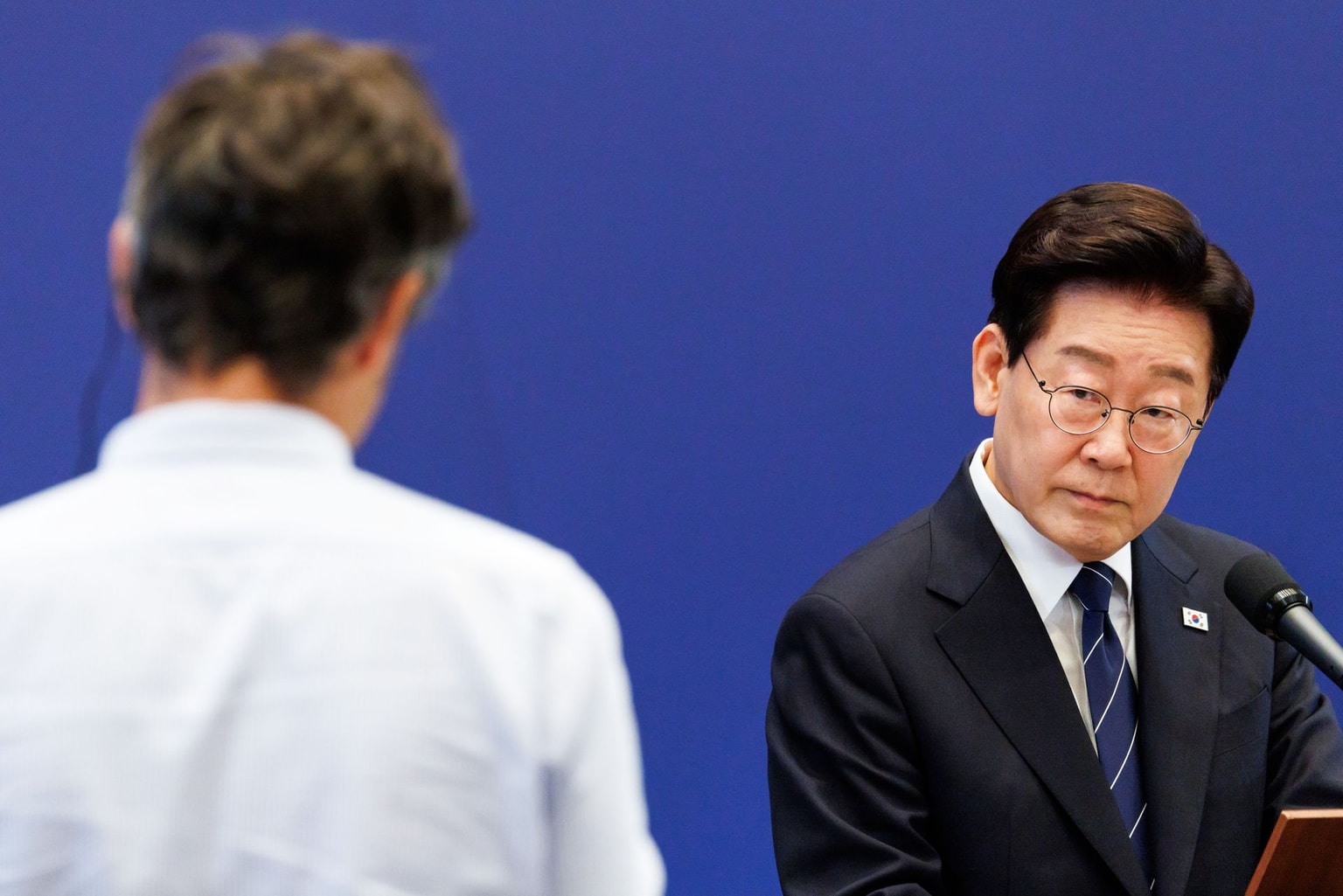
Ukraine's ambassador to Poland commemorates Volyn massacres as history unsettles Kyiv-Warsaw relations
 on Google
Editor's note: This story has been updated with comments from President Volodymyr Zelensky.
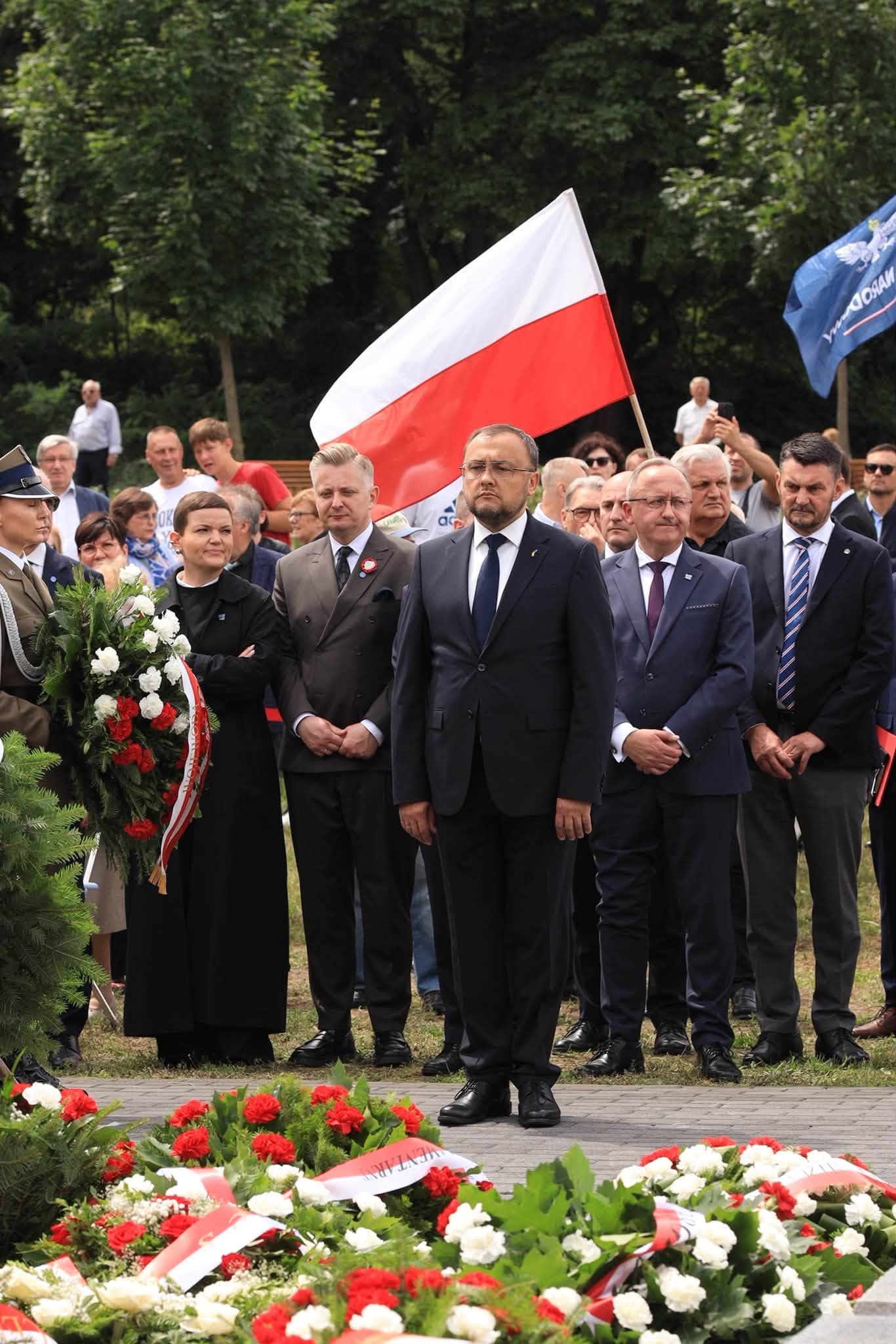
Ukraine's Ambassador to Poland Vasyl Bodnar laid a wreath at a monument to the victims of the Volyn massacres in Warsaw on July 11, the National Day of Remembrance for those killed in the mass murders of Poles during World War II.
Bodnar's visit to the memorial comes amid heightened tensions between Kyiv and Warsaw over the legacy of the Volyn massacres — tensions informed by history and inflamed by modern politics.
"It is our shared duty to honor the memory of each victim with dignity," the Ukrainian embassy in Poland said in a social media post on July 11. "Ukraine advocates for establishing the full historical truth, continuing search and exhumation efforts, and fostering professional dialogue among historians."
Polish Defense Minister Wladyslaw Kosiniak-Kamysz also spoke on the occasion, visiting Ukraine's Volyn Oblast to commemorate the victims. His speech emphasized the importance of memory, truth and healing.
"I am here not to reopen the wound in any way, but to let it heal," he said, as reported by Polish media outlet RMF24. "But for it to heal, it must be addressed; only then can it begin to heal."
In 2025, Poland established July 11 as on official National Day of Remembrance for Polish victims of the Volyn massacres. The date was chosen in memory of July 11, 1943, also known as "Bloody Sunday" — a day the massacres reached a peak with an estimated 8,000 killed.
While the Volyn massacres have long been a point of contention in Polish-Ukrainian relations, the current controversy began when President Volodymyr Zelensky on May 26 named a military unit after the Heroes of the Ukrainian Insurgent Army (UPA). The UPA waged a protracted struggle for Ukraine's independence against the Soviets during and after World War II, making them a potent symbol for the fight against Russian oppression among contemporary Ukrainians.
But the UPA's legacy as freedom fighters is tarnished by the role some members played in perpetrating pogroms against Jewish and Polish civilians in what is now western Ukraine, but was then under Nazi occupation.
In Poland, the UPA are seen chiefly as the perpetrators of the Volyn massacres, mass killings of tens of thousands of Poles between 1943-1945. Since 2016, Poland has officially designated the massacres as a "genocide committed by Ukrainian nationalists" against Poles.
In Ukraine, the event is framed differently — since thousands of Ukrainians were killed in retaliation, it is viewed as a two-sided tragedy linked to the broader Polish-Ukrainian conflict that predated the massacres.
The decision to rename the military unit after the UPA met with swift backlash from Polish President Karol Nawrocki — a former historian — who revoked Zelensky's honorary Order of the White Eagle title in response. A diplomatic back-and-forth ensued, with many high-profile Ukrainian officials returning their titles in a show of support for Zelensky.
Polish public opinion about Ukraine has gotten less favorable in light of the controversy and at least one defense exchange seems to have been brought to a halt. The European Parliament also criticized Zelensky for "unprovoked escalation" against Poland and called for immediate de-escalation efforts.
Ukraine and Poland have taken steps to mend the rift, with Foreign Minister Andrii Sybiha proposing a package of "anti-crisis steps" in a visit to Poland on July 3. Zelensky also met Nawrocki on July 7, marking their first in-person conversation since the feud began.
Bodnar's visit to the memorial also represents a show of Polish-Ukrainian solidarity, and Zelensky took the occasion of National Remembrance Day to announce accelerated plans for exhumations at the sites of the massacres.
"On this day every year, Poland and Ukraine honor the memory of people — civilians who were killed during World War II in Volyn. Today, representatives of the Ukrainian state took part in joint prayers with representatives of the Polish state — both here, in Ukraine, and in Poland," the president said in his evening address on July 11.
"Ukraine is doing its part to honestly establish the facts about those killed in those years: search operations are being carried out where there were villages and where the dead were. Ukraine is interested in accelerating them. Exhumation operations will begin in two days in the villages of Ostrivky and Volia Ostrovetska."
Zelensky also called on both Kyiv and Warsaw to remember they share a common "mortal threat" —namely, Russia.
Still, officials' public remarks indicate the dispute is far from over.
While Kosiniak-Kamysz called for healing in his speech, he also clearly alluded to the UPA naming controversy when he proposed adding "an 11th commandment" to the biblical Ten Commandments: "Do not cause pain; do not glorify those who inflict pain and suffering on your friends," he said.
Nawrocki was much harsher and more explicit with his criticism, calling for Poland to ban the historical UPA red-and-black flag during his speech on July 11.
Meanwhile, Polish politician Przemyslaw Czarnek, candidate for prime minister of Poland's opposition right-wing Law and Justice (PiS) party, introduced a resolution calling on the government to prevent Ukraine from joining the European Union until the issues over the Volyn massacres are fully resolved.
"We are submitting a draft parliamentary resolution opposing Ukraine's membership in the European Union due to the glorification of the perpetrators of the Volyn massacres," he announced on social media.
"We call on the government to oppose any further progress in the process of Ukraine's integration with the EU."
Czarnek's demand is ultimately a victory for the Kremlin: The rift in Polish-Ukrainian relations plays into Moscow's hands, as Russia controls disinformation operations dedicated to exploiting the rupture in order to weaken European solidarity with Kyiv.