Rubber plant on fire in Russia's Tatarstan, over 1,200 km from Ukrainian border
 on Google
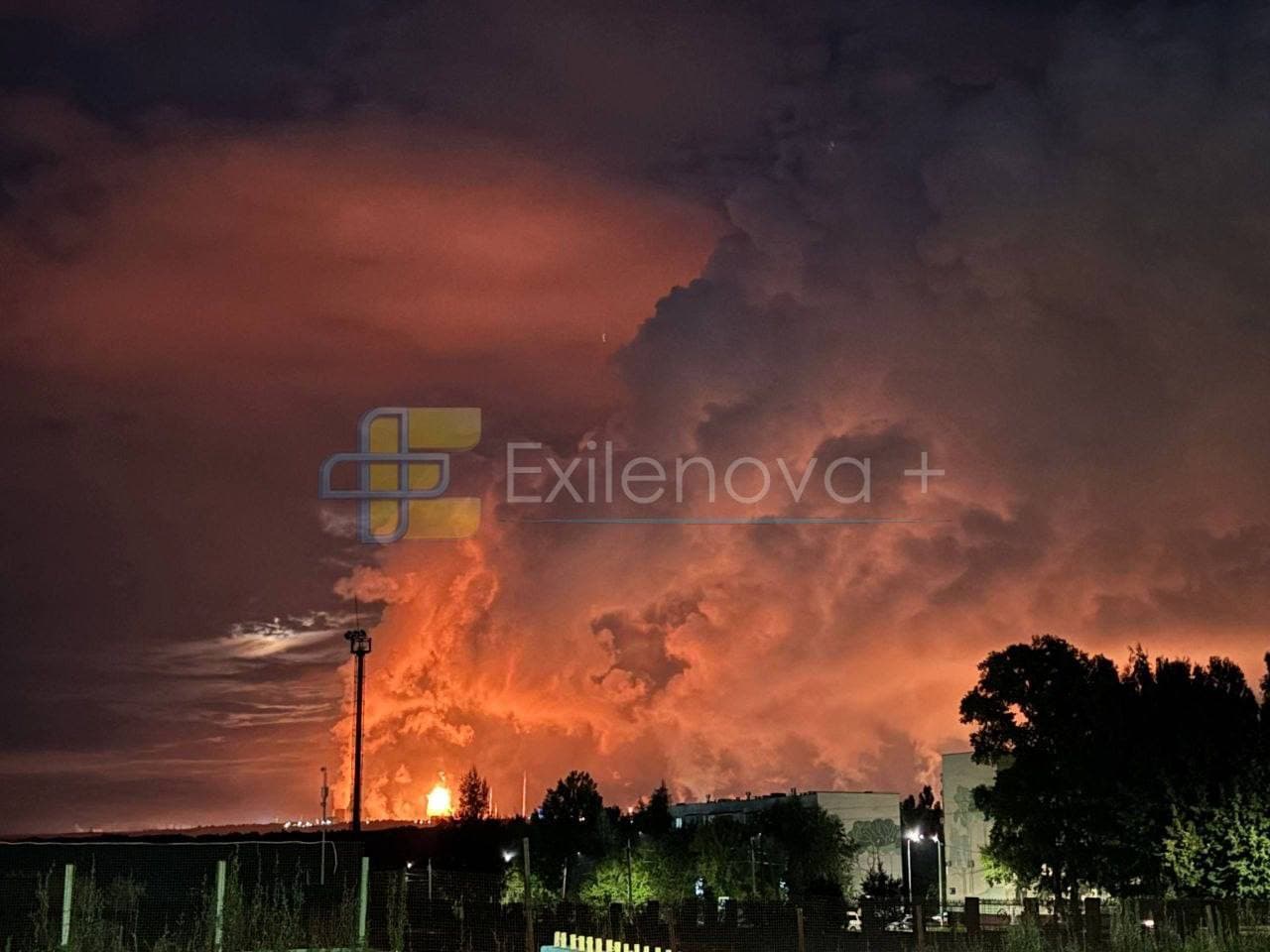
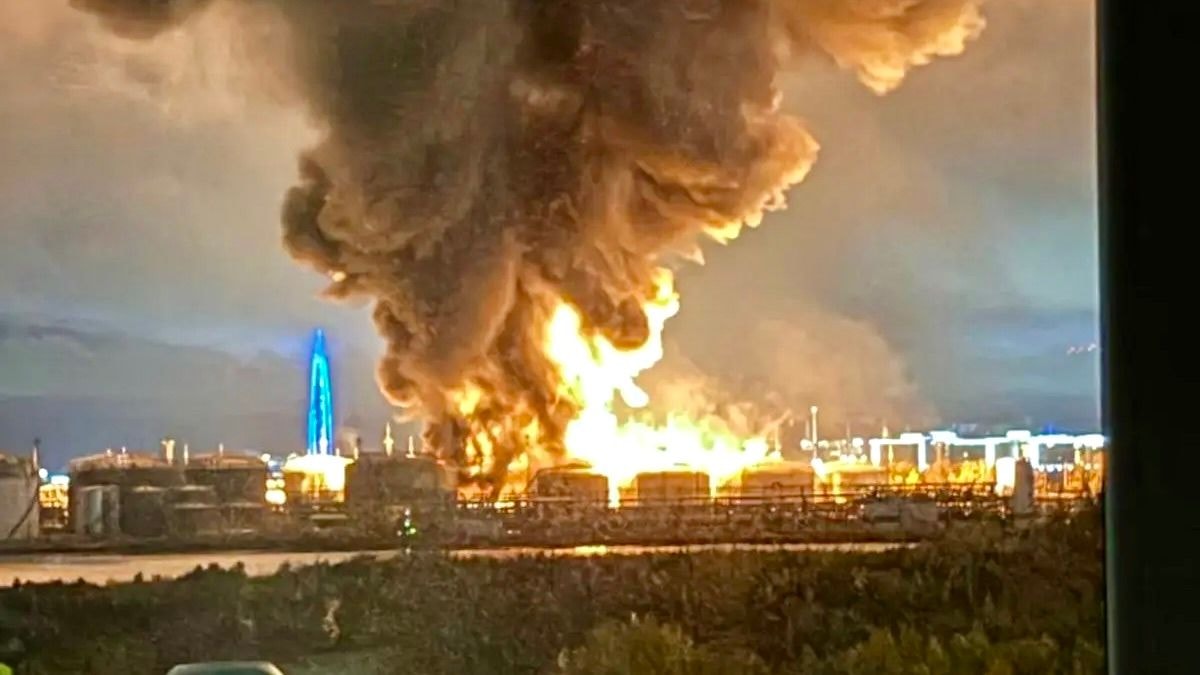
Flames engulfed a Russian petrochemical plant in the Republic of Tatarstan late in the evening of July 31, according to monitoring channels and eyewitness photos and videos published on social media.
Locals reported an explosion followed by a large fire at the Nizhnekamskneftekhim (NKNK) synthetic rubber plant in the town of Nizhnekamsk, which lies over 1,200 kilometers (745 miles) from the closest point to Ukraine's border.
NKNK is one of the largest petrochemical enterprises in Eastern Europe. It has reportedly been targeted in previous Ukrainian attacks, including recent strikes in May and June of 2026.
The Ukrainian monitoring channel Exilenova-Plus, which published footage of the explosion and fire at the site, reported that the July 31 blast was "likely caused by a system overload after a series of drone attacks on the industrial zone."
Photos from local residents show a large-scale fire at the facility and thick smoke rising from the scene.
NKNK also reported a fire at the plant via its official Telegram channel.
"A fire has been localized on the territory of Nizhnekamskneftekhim," the company said. "Emergency response services are working to contain the situation. There is no threat to people's lives or health. Accredited laboratories are monitoring the quality of the air."
The cause of the fire was not disclosed. Nizhnekamsk residents reported on social media that a polystyrene production plant at the enterprise was in flames.
The Kyiv Independent could not verify these reports at the time of publication.
NKNK is owned by parent company Sibur, the largest integrated petrochemicals company in Russia. The company has suffered trade restrictions related to the European Union's sanctions against Russia, which include bans on synthetic rubber imports and liquefied petroleum gas (LPG).
Sibur's former CEO, Dmitry Konov, was sanctioned by the EU and United Kingdom in 2022, leading to his resignation.
Ukraine has also designated NKNK specifically on its official sanctions list.
The Ukrainian military has intensified its campaign of "long-range sanctions" against Russian defense and industrial assets, launching more frequent and precise deep strikes on factories, oil refineries, and key logistics centers over the past six months.
President Volodymyr Zelensky claimed on July 28 that Russia "no longer holds the initiative" in the war due to Ukraine's ability to reach targets deep inside the country's vast territory.
Days earlier, Zelensky said the military had updated the list of strategic targets in Russia it aims to hit over the coming weeks. The president said that because Russia's air defenses are concentrated in cities like Moscow and St. Petersburg, key facilities — like the NKNK plant — far from the border are vulnerable to Ukrainian drones.