Ukraine war latest: St. Petersburg slammed by drones in mass Ukrainian attack
 on Google
Key developments on Oct. 17-18
- Massive Ukrainian drone attack hits oil facility, bridge, and data center in St. Petersburg
- US resumes intel sharing on Russian missile launches with Ukraine, Zelensky says
- Ukraine hits Russian drone manufacturing plant in Rostov Oblast
- 'Planned operation' — Zelensky confirms Ukraine's Starlink access not fully restored
- Russia launches 'one of its largest attacks' on Ukraine's energy grid
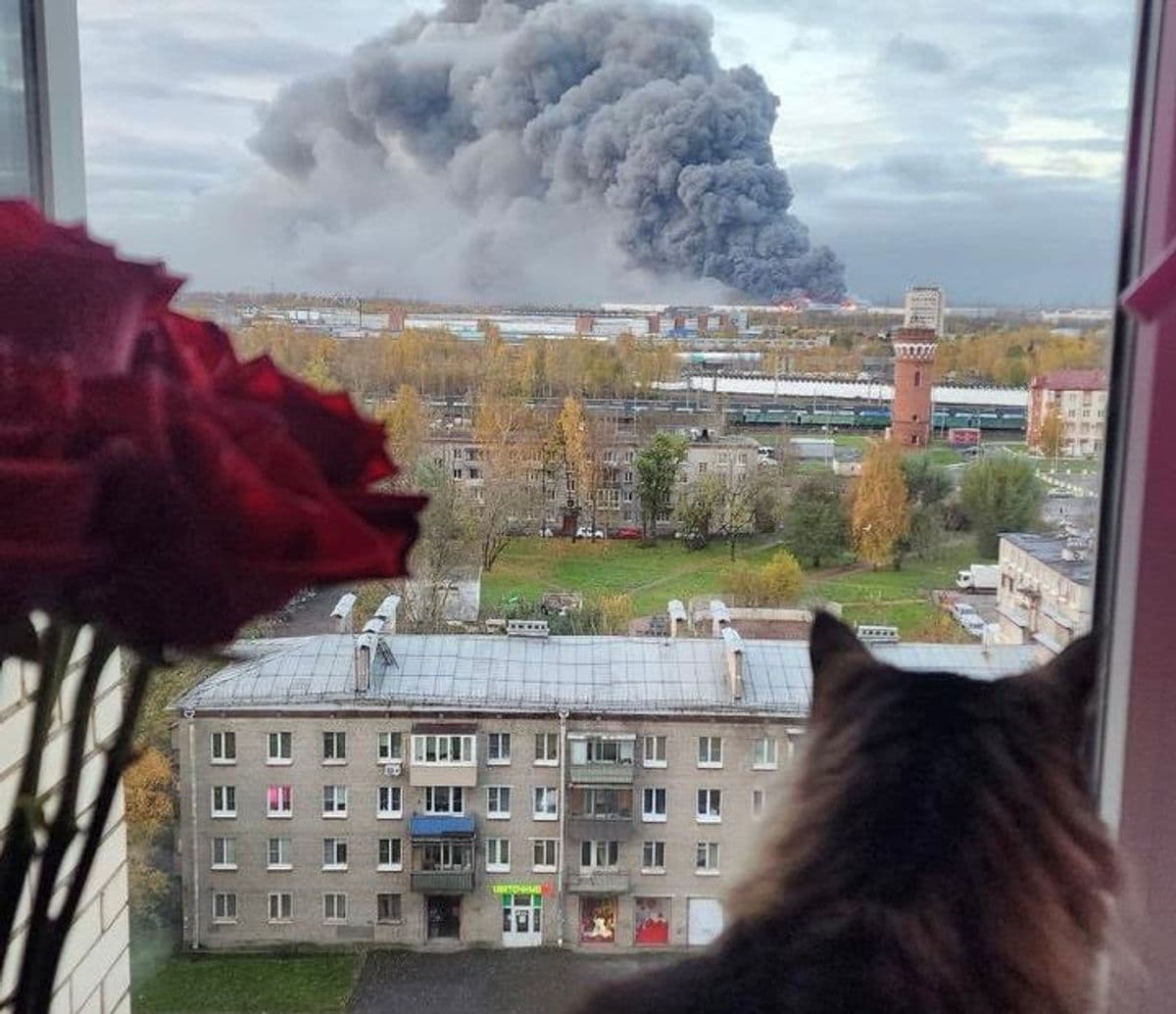
Ukrainian forces struck an oil terminal, a data center, and a bridge in a large-scale overnight attack on St. Petersburg on Oct. 18, Russian officials and media reported.
Ukrainian drones hit the St. Petersburg Oil Terminal and a data center belonging to Russia's largest social media platform VK, formerly known as VKontakte.
VK confirmed that a drone had attacked its data center, saying its services remained operational. However, users reported disruptions across the social network and its affiliated platforms, according to Downdetector, a service that tracks online outages.
Russian e-commerce giant Ozon reported a drone attack on one of its logistics centers.
Ozon said some orders may be canceled as deliveries are rerouted to other logistics centers. The company is one of Russia's largest e-commerce platforms and a major rival of Wildberries, often dubbed "Russia's Amazon."
Aleksandr Drozdenko, governor of Leningrad Oblast, said 127 Ukrainian drones were shot down over the region. Drone debris damaged four cars in a parking lot, while fires were reported at several locations.
St. Petersburg Governor Alexander Beglov confirmed the attack, reporting fires at the St. Petersburg Oil Terminal, the Ruchyi oil depot, and industrial warehouses in the Kolpinsky District. According to Beglov, one person was killed and five others injured, while 12 apartment buildings and two houses were damaged.
The Kyiv Independent could not independently verify the targets or the extent of the damage at the time of publication.
Ukrainian monitoring channels Exilenova+ and Supernova+ reported that the "massive" drone attack began at 2:50 a.m. local time.
Eyewitness footage shared by St. Petersburg residents appeared to show Ukrainian drones flying over the city as Russian air defense systems operated.
Large explosions lit up the night sky in the city of 5.6 million people, located 850 kilometers (530 miles) north of the Ukrainian border.
Numerous videos appeared to show the St. Petersburg Oil Terminal engulfed in flames. Located in the city's port, the facility is one of Russia's largest fuel storage and export facilities.
It receives and ships petroleum products by river, rail, and road, with a reported annual throughput of 12.5 million tons.
US resumes intel sharing on Russian missile launches with Ukraine, Zelensky says
The United States has resumed sharing intelligence about incoming Russian ballistic missiles with Ukraine after a pause lasting several days, President Volodymyr Zelensky told NBC News' "Meet the Press" in an interview published on Oct. 18.
"Only the United States has this unique intelligence to tell our side when Russia uses ballistic missiles. We didn't receive it during ballistic attacks for three days," Zelensky said.
The U.S. provides Ukraine with intelligence to help its military detect and track Russian missile launches and other aerial threats. Zelensky said the issue had since been resolved and thanked Washington for restoring intelligence sharing.
"We are very thankful for this," he said. "Now it works."
Zelensky also expressed hope that talks with the U.S. could take place next week, despite the ongoing difficulties between Kyiv and Washington.
"I'm very open to this, even with all the difficult circumstances," he said, estimating that a meeting could take place on Oct. 20-21.
The resumption of intelligence sharing follows a Russian missile attack on Kyiv on Oct. 12, when five Russian S-400 missiles struck the Ukrainian capital, causing "massive explosions." Air raid sirens and mobile alerts sounded only after the attack.
A senior Ukrainian official previously told the Kyiv Independent that Ukraine's military leadership contacted its U.S. counterparts after the strike to clarify what had happened.
"They say they didn't cut it off, but they didn't warn us (about the attack) either," the official said. "The Americans said they just didn't see (the launch)... That's a weak excuse."
Ukraine hits Russian drone manufacturing plant in Rostov Oblast
Ukraine's General Staff reported on Oct. 17 that Ukrainian forces struck a Russian military drone manufacturing plant in Rostov Oblast the day before.
According to the report, the strike targeted a production and storage facility belonging to Roboavia, a company that develops and manufactures drones for the Russian military, near the settlement of Lenina in Rostov Oblast.
Among the drones it produces are the Sarych, which uses video and thermal imaging equipment for surveillance, and the Klin, a loitering munition designed to strike targets, according to Ukraine's military intelligence agency.
Roboavia is linked to Russia's Era Military Innovation Complex, a Defense Ministry project focused on developing military technology.
The General Staff said the strike was intended to interfere with drone production and deliveries to Russian forces. The extent of the damage and its result on operations remains unconfirmed.
The military also reported that Ukrainian forces struck a logistics warehouse used by a Russian missile brigade near Latyshi in Bryansk Oblast on Oct. 12.
The Ukrainian military said the strikes were aimed at aimed at disrupting UAV production and supply to Russian forces.
'Planned operation' — Zelensky confirms Ukraine's Starlink access not fully restored
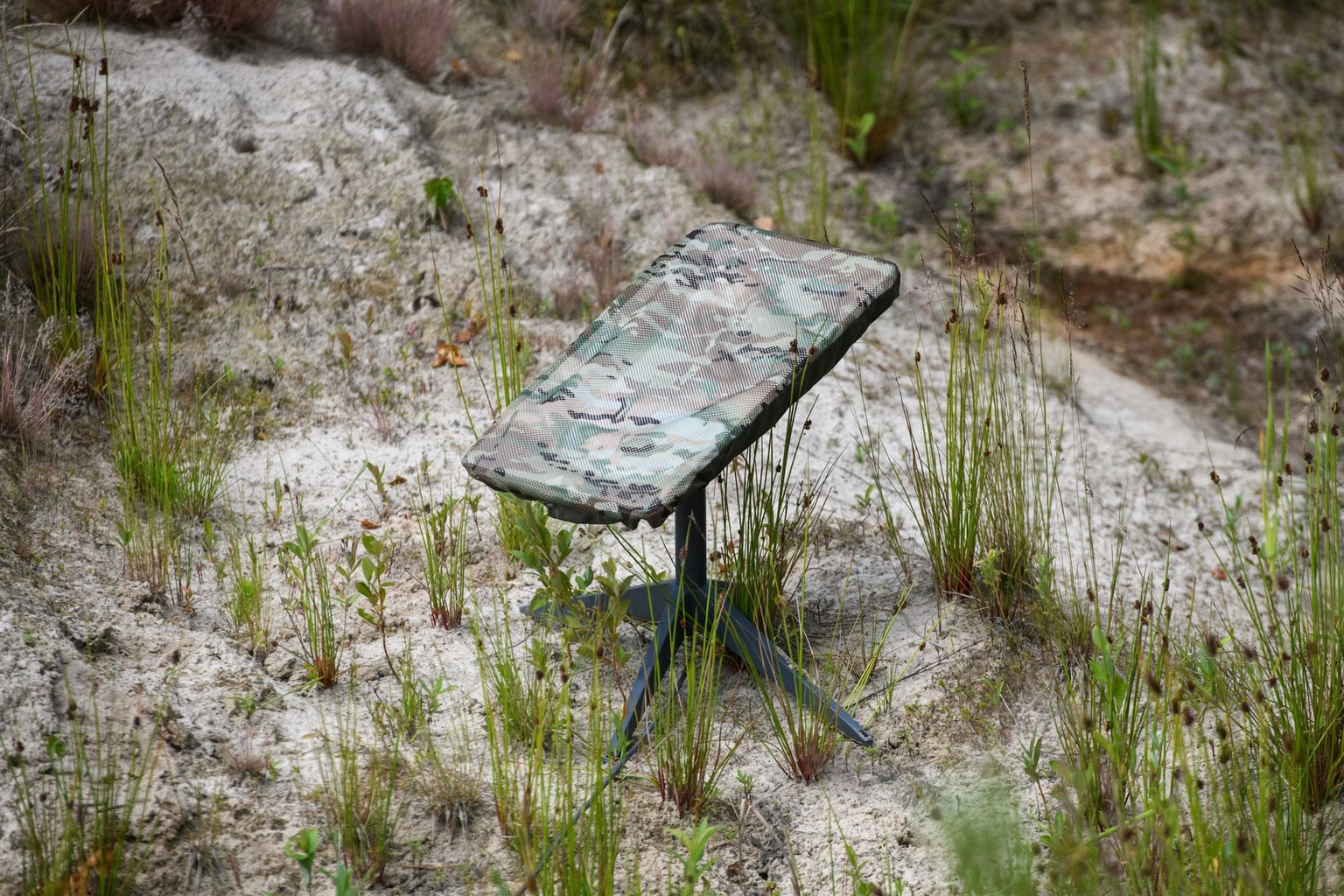
Speed caps on Starlink operations in Ukraine remain in place, hindering efforts to counter Russian jet-powered drones, President Zelensky said on Oct. 17.
Ukraine first experienced malfunctions with Starshield terminals — the militarized version of SpaceX's Starlink satellite internet system — on Oct. 14, when they began losing connectivity as they approached a certain speed.
While Ukraine reported that connectivity was restored by the next day, Zelensky now confirmed that a speed limit of 161 kilometers per hour remains in place.
"Some of our interceptor drones use Starlink to intercept the enemy's fast-moving jet-powered drones," Zelensky said.
But with the current speed cap, Ukrainian interceptor drones cannot down Russian jet-powered drones, the president said, adding that Ukraine "thankfully" also uses other anti-drone air defenses.
The disruptions also complicate other military operations, as some drones rely on Starlink to deliver food, water, and other equipment to soldiers in front-line positions, he added.
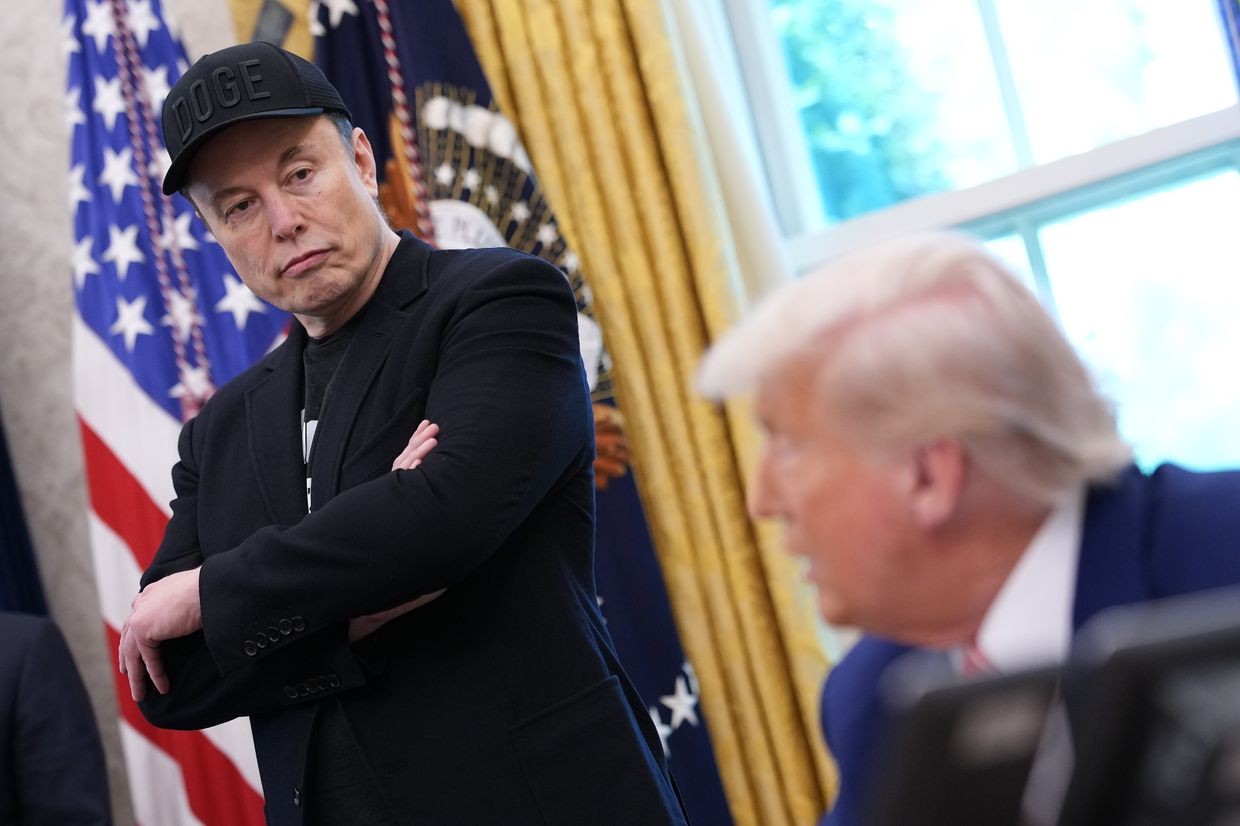
The unexpected throttling of Starlink systems sparked a debate about who made the decision, with media reports linking it to SpaceX owner Elon Musk or the White House.
The move came as Ukraine-U.S. ties plummeted with Trump concluding a diesel deal with Russia and publicly lambasting Zelensky.
The Ukrainian president confirmed that Kyiv received no warning about the restrictions and has been trying to clarify the issue with U.S. authorities and SpaceX.
Ukraine has either received no response from U.S. channels or has been told the problems stem from "technical issues," Zelensky said, dismissing that explanation.
He called the restrictions a "planned operation" targeting Ukraine, noting that the speed limits remain in effect in Ukraine but not in EU countries.
Kyiv sent several vehicles equipped with its Starlink devices to the EU for testing, where they exceeded the speed limit in place in Ukraine, he explained. The president added that European partners are already working on a possible alternative to Starlink.
Russia launches 'one of its largest attacks' on Ukraine's energy grid as US 'disregards' Graham's sanctions, Zelensky says
Russian attacks against Ukraine killed seven people and injured around 90 over the past day, regional authorities said on Oct. 17, with the country reporting one of the heaviest Russian attacks against energy infrastructure so far.
Ukrainian forces downed 289 out of the 332 drones, including jet-powered attack drones, launched by Russia overnight, the Air Force reported. Russian drones and ballistic missiles of the Iskander-M or the North Korean KN-23 model struck 22 different locations, and debris fell in three areas, according to the statement.
The attacks came as Russia continued its campaign against Ukraine's energy grid ahead of winter. Attacks on energy facilities across the country overnight and on the morning of Oct. 17 left some homes without power, the Energy Ministry said.

President Zelensky described Russia's latest attack as "one of the largest strikes on Ukraine's energy infrastructure." Russian forces targeted more than 15 key power generation and transmission facilities across Ukraine, he said.
"At a time when the Russians have carried out such a massive attack on our energy sector, a decision was unfortunately made in America to completely disregard the Lindsey Graham Act, which was supposed to impose truly effective pressure on Russia to bring this war to an end," Zelensky said on social media, calling on Washington to pressure Moscow through a "sanctions blackout."
"Financial rewards for (Russian President Vladimir) Putin — all of this only encourages him to keep attacking. We must not give up ground."