2-year-old killed as Russia's near-continuous attacks stretch into third day across Ukraine
 on Google
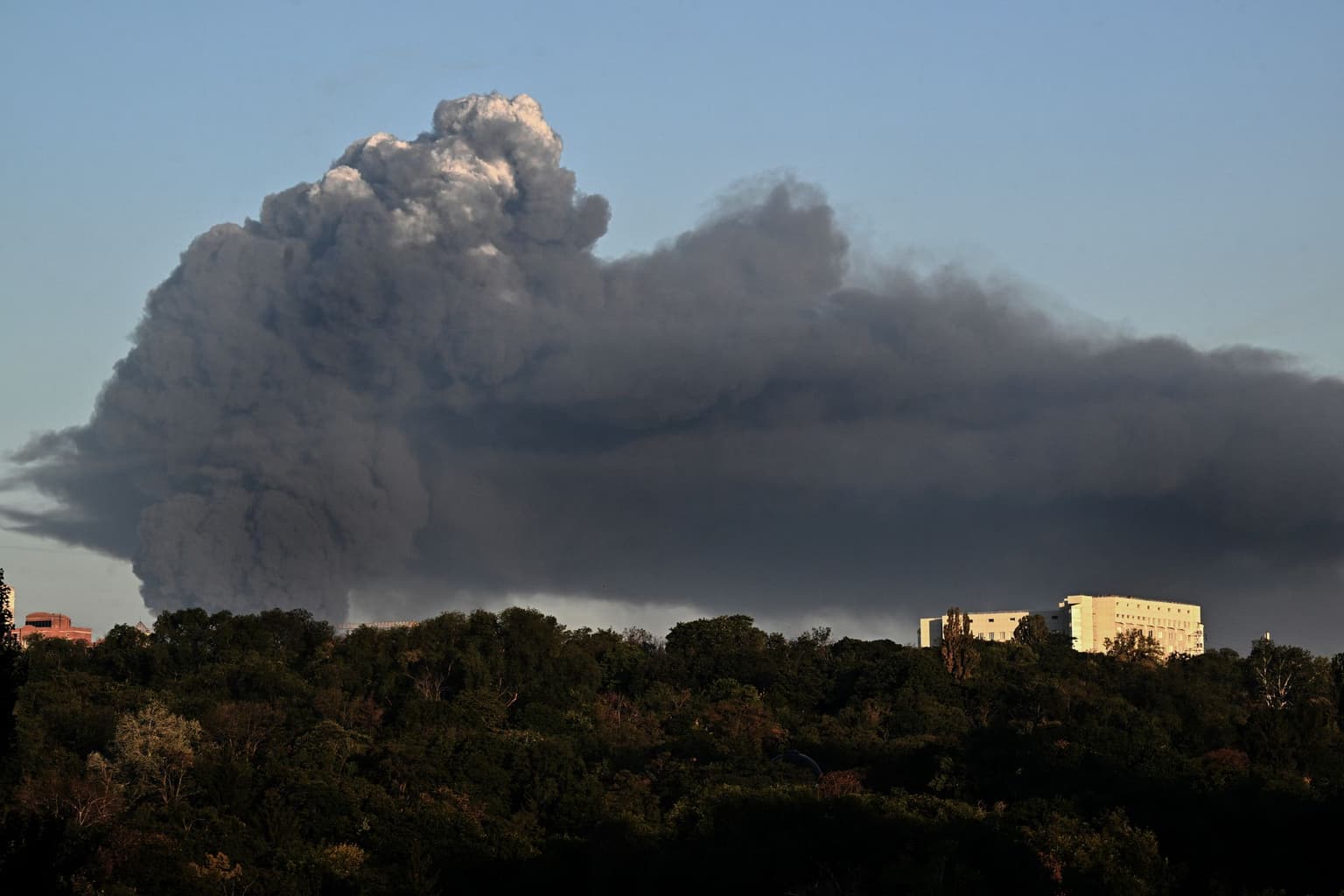
Editor's note: This story has been updated following a new drone attack in Kyiv.
Near-continuous air raid alerts across large swaths of Ukraine stretched into a third consecutive day on Aug. 29, as Russia launched continued waves of attacks targeting the country.
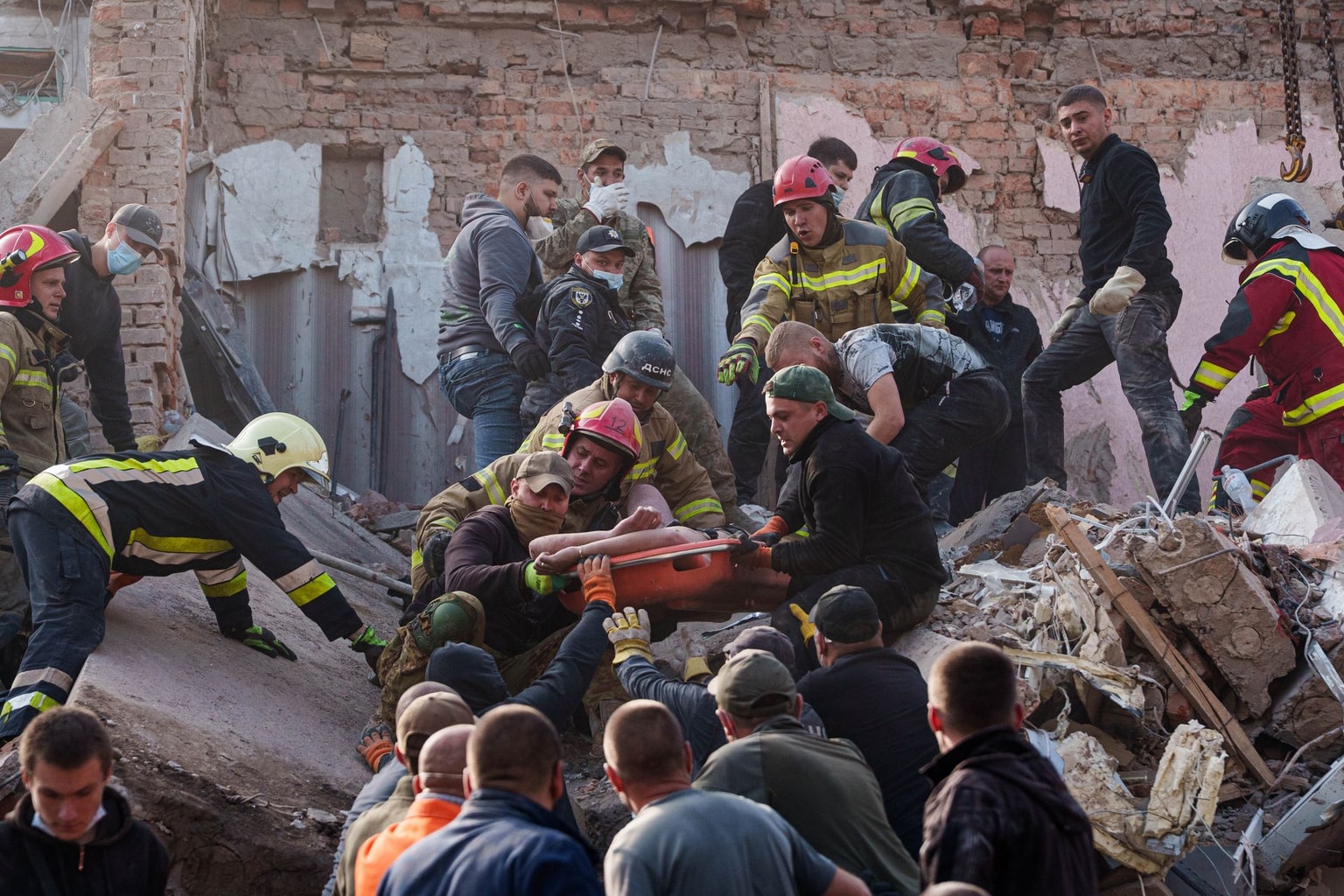
A Russian attack on a warehouse facility storing ammunition in Kyiv Oblast's Bucha district on Aug. 28 killed at least 37 people and injured 42 others, including four children, after the strike triggered a fire and a series of explosions.
Another Russian attack on Kyiv Oblast killed a 14-year-old girl in the Boryspil district, regional governor Tymur Tkachenko said.
A two-year-old girl was killed in a Russian attack on Kyiv's Obolonskyi district in the morning, while eight other people were injured, Kyiv Mayor Vitali Klitschko said. Three people were hospitalized, the mayor added.
Klitschko said damage to buildings and fires were reported in four districts of the capital.
Another explosion occurred in Kyiv's Obolonskyi district at around 10 p.m. local time after a Russian drone fell between residential buildings, Klitschko said. A fire broke out on the second through fifth floors of a 12-story residential building.
Emergency services are working at the scene, Klitschko said.
Ukraine's military said air defenses shot down or suppressed 233 Russian drones across northern, southern, eastern and central Ukraine overnight on Aug. 29, with Russian drones targeting Kyiv and surrounding areas into the morning.
Ukraine's Air Force said later Russian forces attacked Ukraine with 224 drones between 6:30 a.m. and 6 p.m. local time on Aug. 29, most of them jet-powered drones. The majority were directed toward Kyiv, according to the military.
Air defenses had shot down or suppressed 199 of the drones by 6 p.m., while up to 10 Russian drones remained in Ukrainian airspace as of 6:20 p.m., the Air Force said.
Explosions could be heard in Kyiv between at around 9 a.m. and as of 10:30 a.m. the air raid alert was still activated in the city.
Russia has massively increased its attacks on Ukraine — particularly its economic infrastructure, as shopping malls, warehouses, postal services, and ports come under regular fire. Over a 24-hour period on Aug. 27, Kyiv recorded 13 air raid alerts, setting a single-day record for the capital since the start of the invasion.
Continued air raid sirens do more than warn of incoming threats. When they sound, work, public services, transportation and daily life are disrupted as operations halt, people head to shelters and safety precautions are put in place.
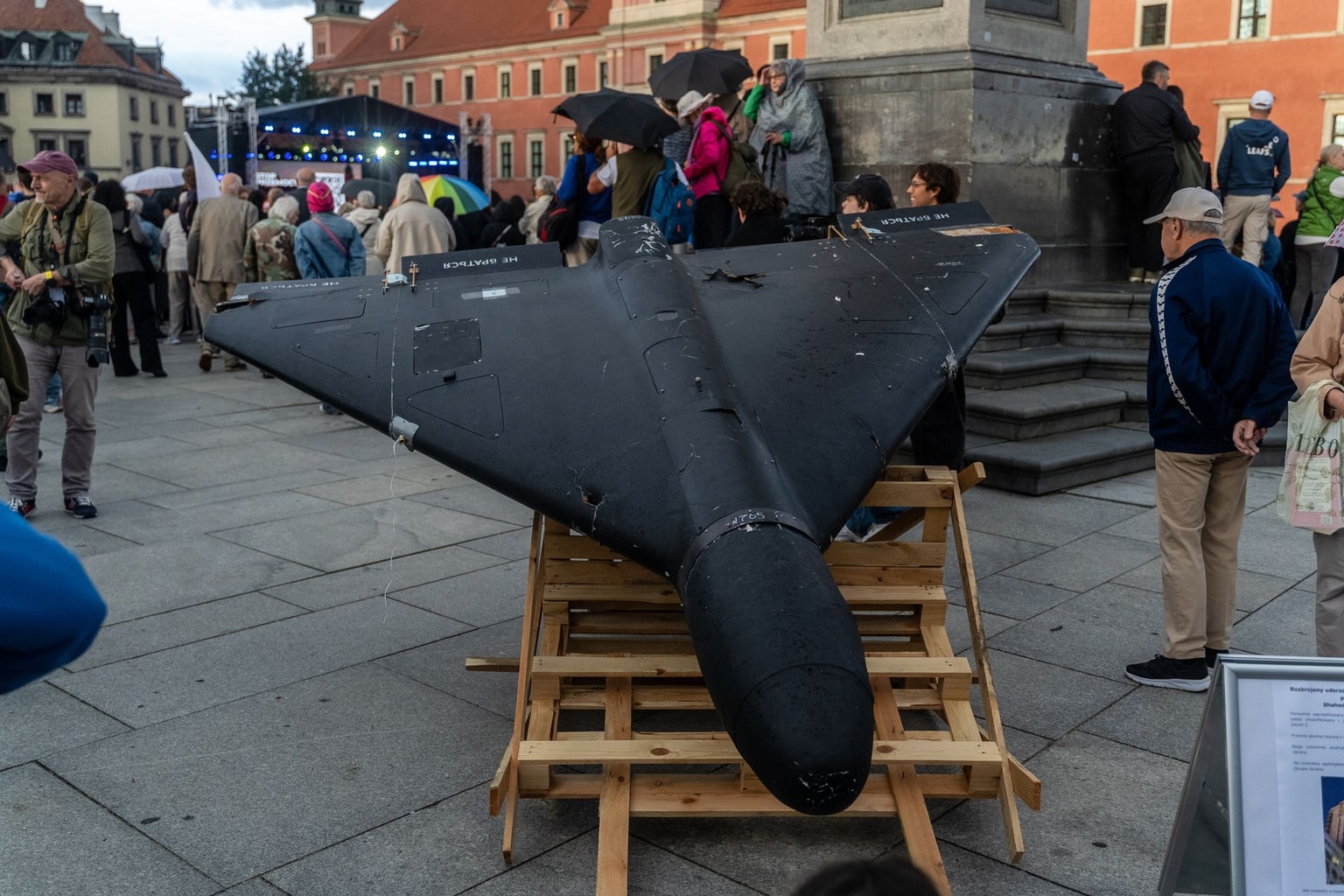
The attacks are worsened by Moscow's increased use of jet-powered drones, which have proven difficult for Ukraine's air defense, as standard interceptor drones are simply not fast enough.
On Saturday morning, Kyiv's local authorities said that falling drone debris sparked fires at a two-story warehouse in the Holosiivskyi district and a ninth-floor apartment in the Sviatoshynskyi districts. No casualties were reported.
It was unclear whether Russia also launched missiles during the overnight attack on Aug. 29. Ukraine's Air Force recently made the controversial decision to stop publishing the number and types of missiles launched against the country, as well as how many were intercepted.
Russia's attacks on warehouse and shopping centers has become a daily occurrence in recent days. A Russian attack on a shopping mall in Kryvyi Rih in the middle of the day on Aug. 21 killed least 16 people and injured 130 others, including 23 children. A similar attack destroyed a shopping and entertainment center in the outskirts of the city of Dnipro overnight on Aug. 25.

One of Ukraine's largest vodka plants was destroyed beyond repair after Russia attacked Zaporizhzhia Oblast on Aug. 27. An Epicenter, a home improvement and hardware megastore, was targeted in an attack the same day in the city.
Russian strikes have destroyed 90% of Ukraine's modern storage facilities for various types of goods, Agricultural Minister Taras Vysotskyi said on Aug. 28.