Ukraine's drone strikes force 3 of Russia's largest diesel refineries to halt or slash output, Reuters reports
 on Google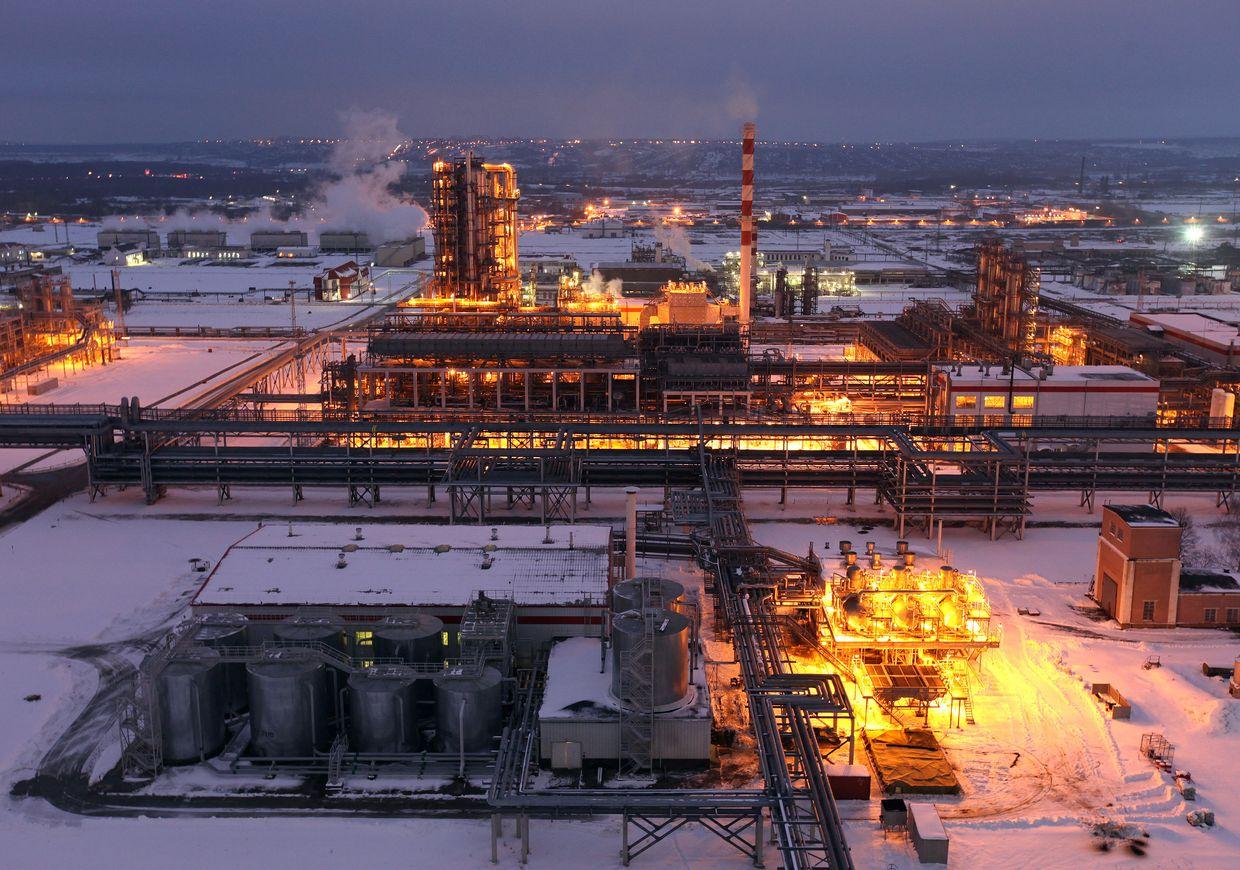
Half of Russia's six largest diesel-producing refineries have cut or completely halted output in September following Ukrainian drone attacks, Reuters reported Sept. 15.
Ukrainian attacks on Russian refineries have emerged as one of the most economically significant aspects of Kyiv's long-range drone strategy, contributing to nationwide fuel shortages and sharply reducing refinery output over the summer.
Recent attacks have hit several of Russia's biggest refining facilities, adding to mounting pressure on the country’s fuel supply and refining capacity. Three of Russia's six primary diesel-producing facilities have shut down or significantly scaled back operations in September, Reuters reported, citing its analysis of market data.
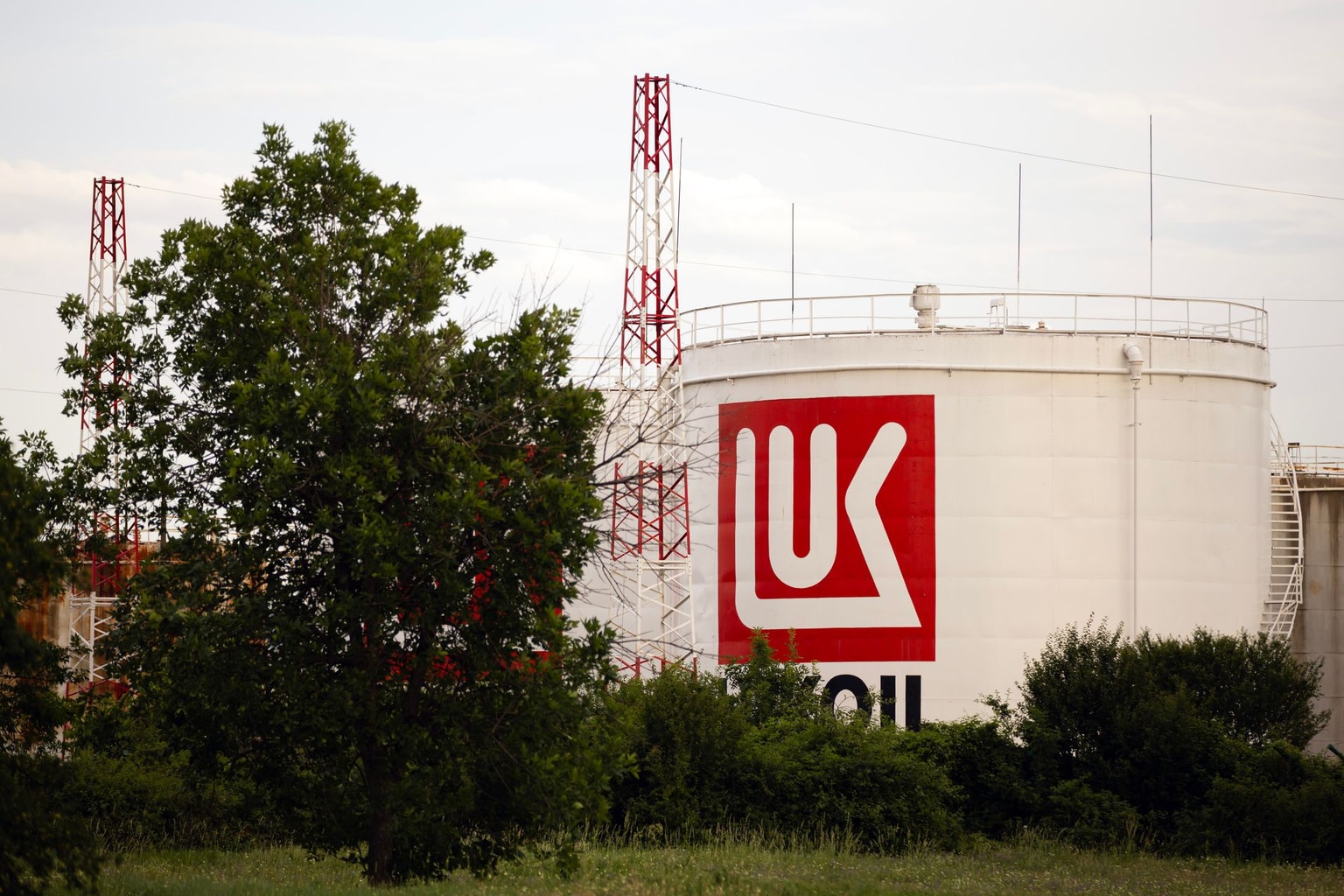
The six facilities — the Kirishi refinery in Leningrad Oblast, NORSI in Nizhny Novgorod, Taneco in Tatarstan, the Omsk refinery in Siberia, the Perm refinery in Perm Krai, and the Volgograd refinery — account for half of Russia's total diesel production.
All have been targeted by Ukrainian drone attacks. Kirishi has shut down completely, while NORSI and the Volgograd refinery are only operating at about a fourth of their capacity, sources told Reuters.
In Leningrad Oblast, where the Kirishi refinery has halted operations, regional authorities have introduced fuel limits at gas stations. Governor Alexander Drozdenko said on Sept. 15 that the measures were "temporary" and would remain in effect until Oct. 1.
"The situation remains difficult," Drozdenko said.
Ukraine has increasingly targeted Russian refineries in an effort to disrupt fuel supplies and reduce energy revenues that help finance Moscow’s war.
Ukraine's oil infrastructure attacks have aggravated a domestic fuel supply crisis in Russia, contributing to export bans, price increases, and sales restrictions across the country.
U.S. President Donald Trump has recently drawn attention to Kyiv's campaign against Russian diesel infrastructure — by urging Ukraine to stop attacks and claiming that these strikes, not the war in Iran, are driving the global spike in fuel prices.
"Zelensky has to do one thing — he has to stop knocking out diesel fuel in Russia,” Trump told reporters on Sept. 13. "Let him go after targets but not diesel fuel, because he's causing a shortage of diesel. … This isn't done by the Middle East."
Trump then later claimed that "The World's Diesel price rise is mostly caused by the Russia/Ukraine war, not (the U.S. war with) Iran."
Evidence, however, points to the U.S.-Israeli war against Iran and closure of the Strait of Hormuz as the primary reason for the diesel price surge.