Trump plans to sign Russia sanctions bill 'soon,' White House source says
 on Google
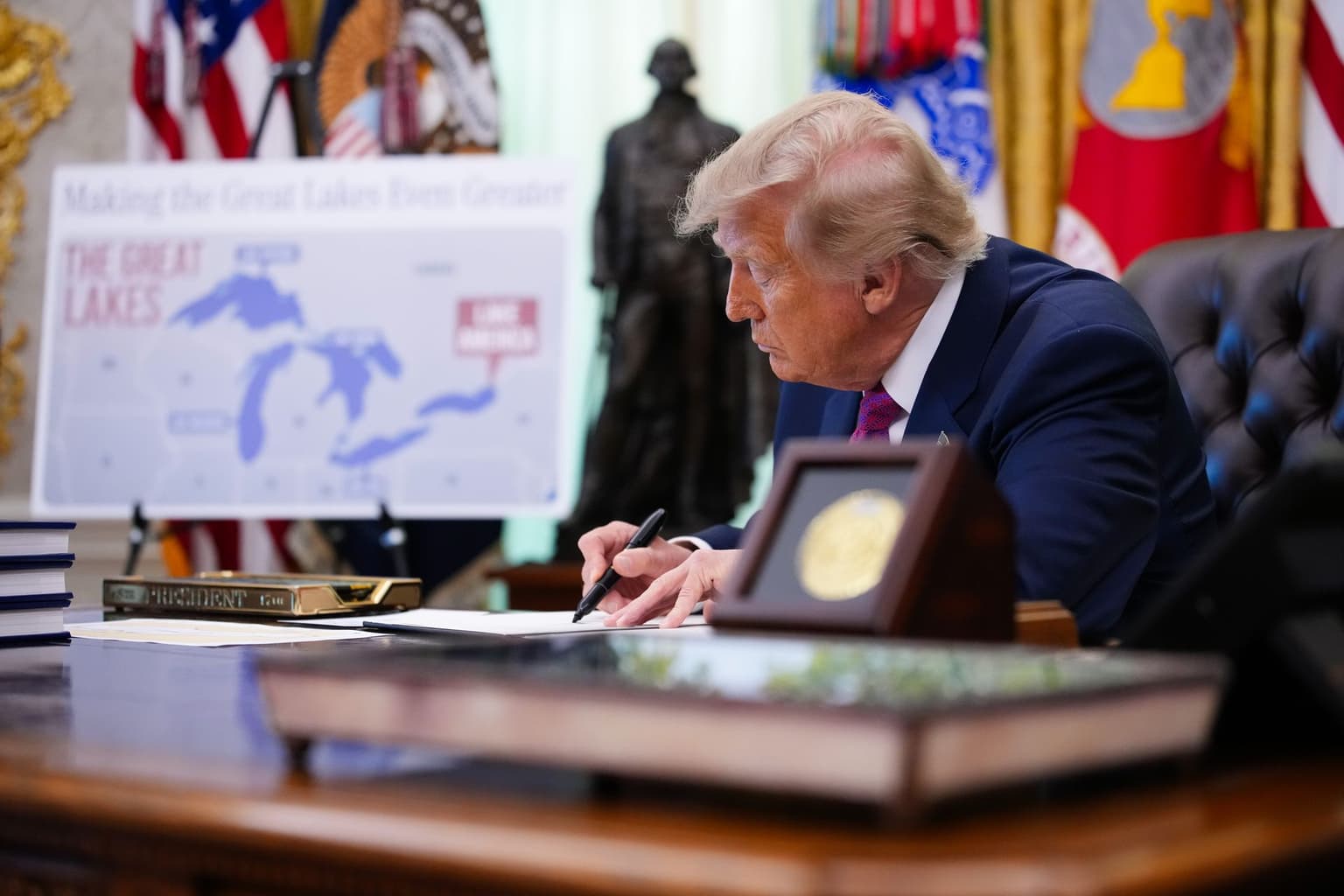
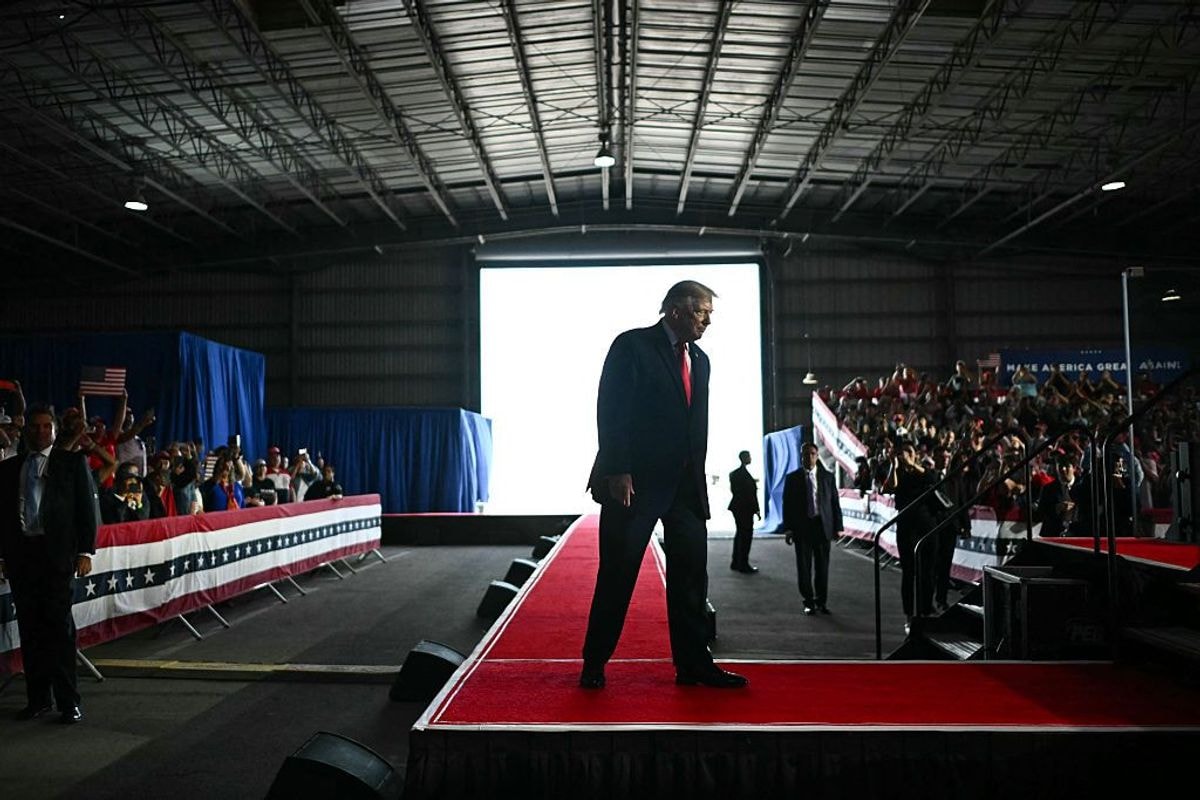
U.S. President Donald Trump plans to sign legislation soon that would allow him to impose tariffs of up to 100% on countries buying Russian oil and gas, a White House official told the Kyiv Independent on Sept. 17, a day after the U.S. House of Representatives approved the bill.
The bipartisan legislation, championed by the late Republican Sen. Lindsey Graham, would give Trump authority to impose tariffs of up to 100% on the five largest buyers of Russian oil and natural gas, as well as five countries helping Moscow evade energy sanctions.
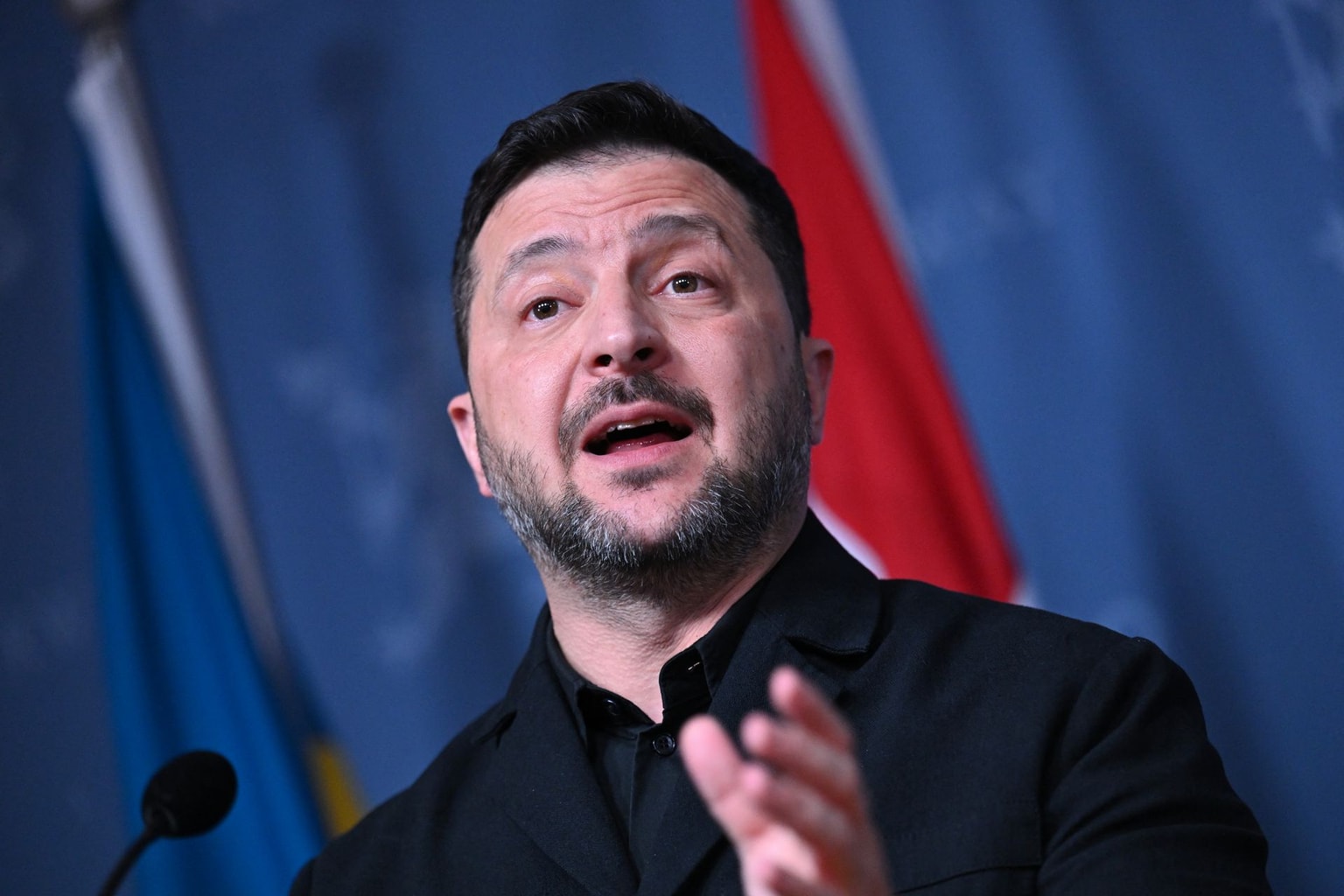
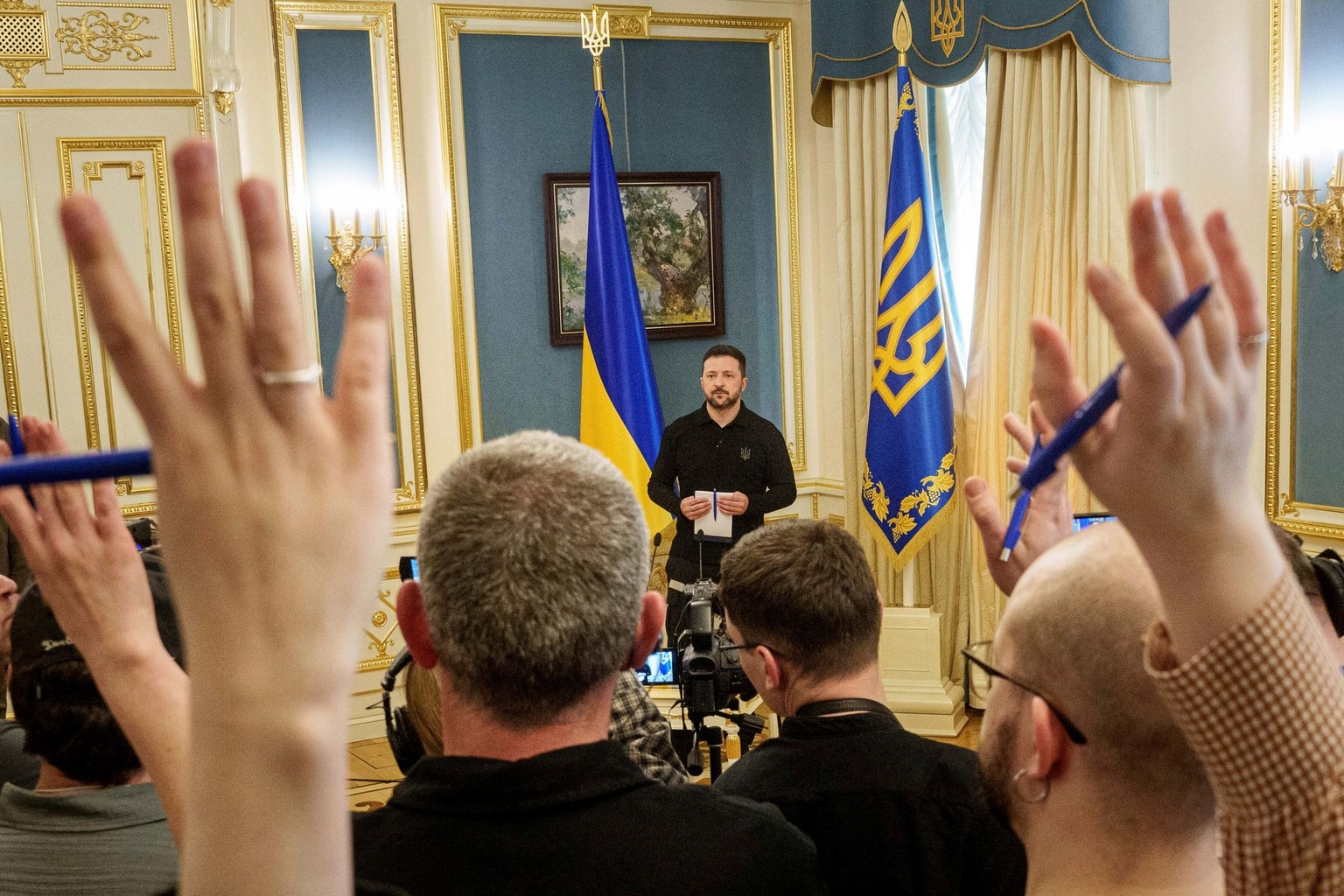
The bill's passage has been closely watched in Ukraine as Kyiv pushes Washington to increase economic pressure on Russia. President Volodymyr Zelensky urged U.S. lawmakers on Sept. 11 to pass the legislation while also calling for strong "personal decisions from President Trump."
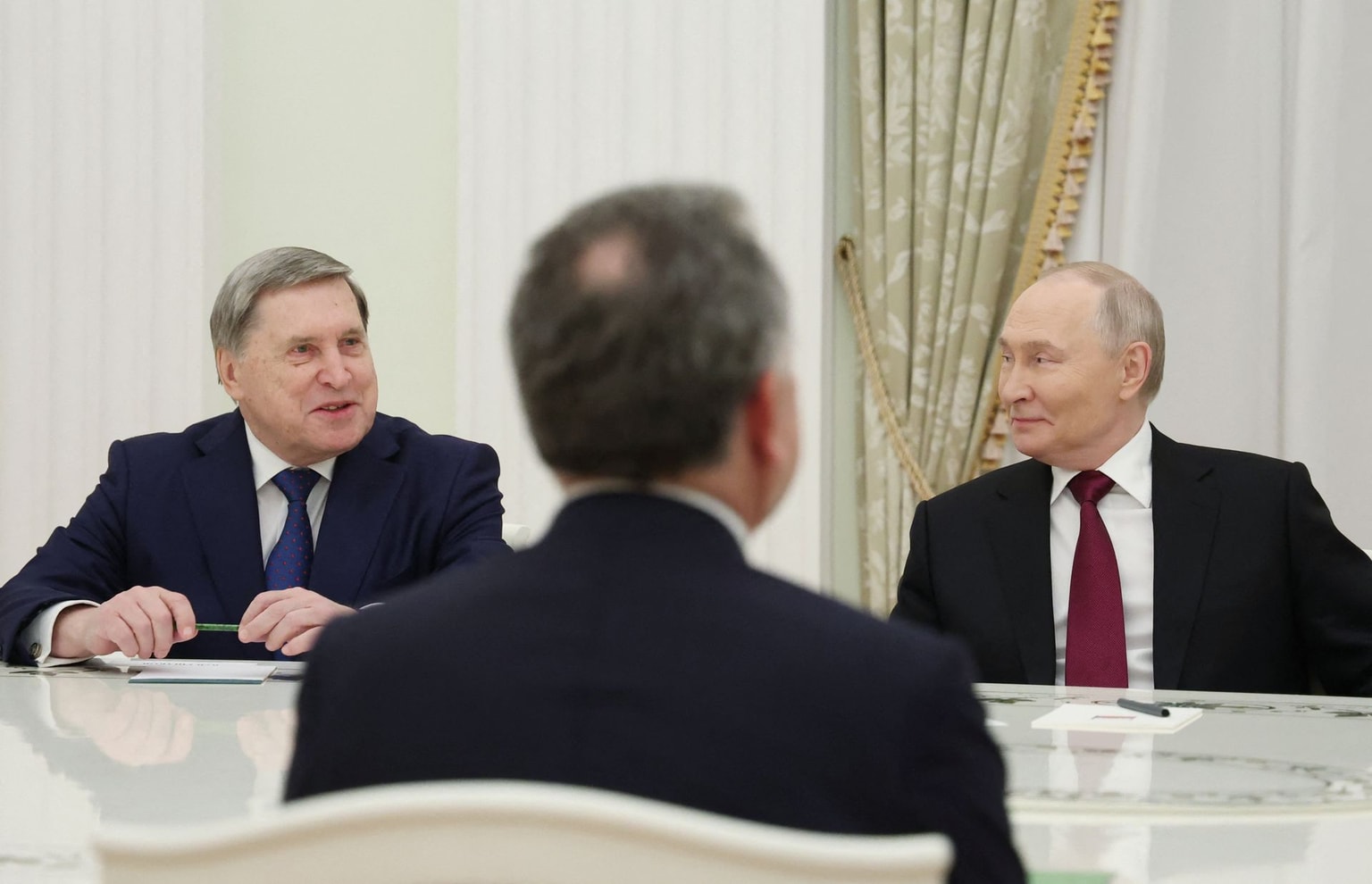
Kremlin spokesperson Dmitry Peskov said on Sept. 17 that new U.S. sanctions against Russia would make efforts to reach a peaceful resolution to the war in Ukraine more difficult.
"This constitutes unfriendly actions," Peskov said.
The House approved the bill on Sept. 16 by a vote of 262-159.
The legislation had already cleared the Senate with overwhelming support in early August, less than a month after Graham died of an illness following his trip to Ukraine.
If enacted, the legislation would target countries purchasing Russian energy products. China, India, and Turkey are among the largest buyers of Russian oil, while the European Union, China, and Turkey are major importers of Russian natural gas.
The list of targeted countries would be reviewed every 180 days. Countries importing less than 15% of Russia's total natural gas exports and actively reducing those imports would be exempt from the tariffs.
Beyond energy buyers, the legislation would impose sanctions on Russian President Vladimir Putin and other senior officials, as well as major Russian financial institutions, including the Central Bank, Sberbank, and Gazprombank, and Russian state-owned companies.
It would also target foreign entities supporting Russia's defense-industrial base, major Russian energy projects, and Moscow's so-called shadow fleet, which helps Russia continue exporting oil despite Western sanctions.