War in Ukraine spreads across 3 different dimensions
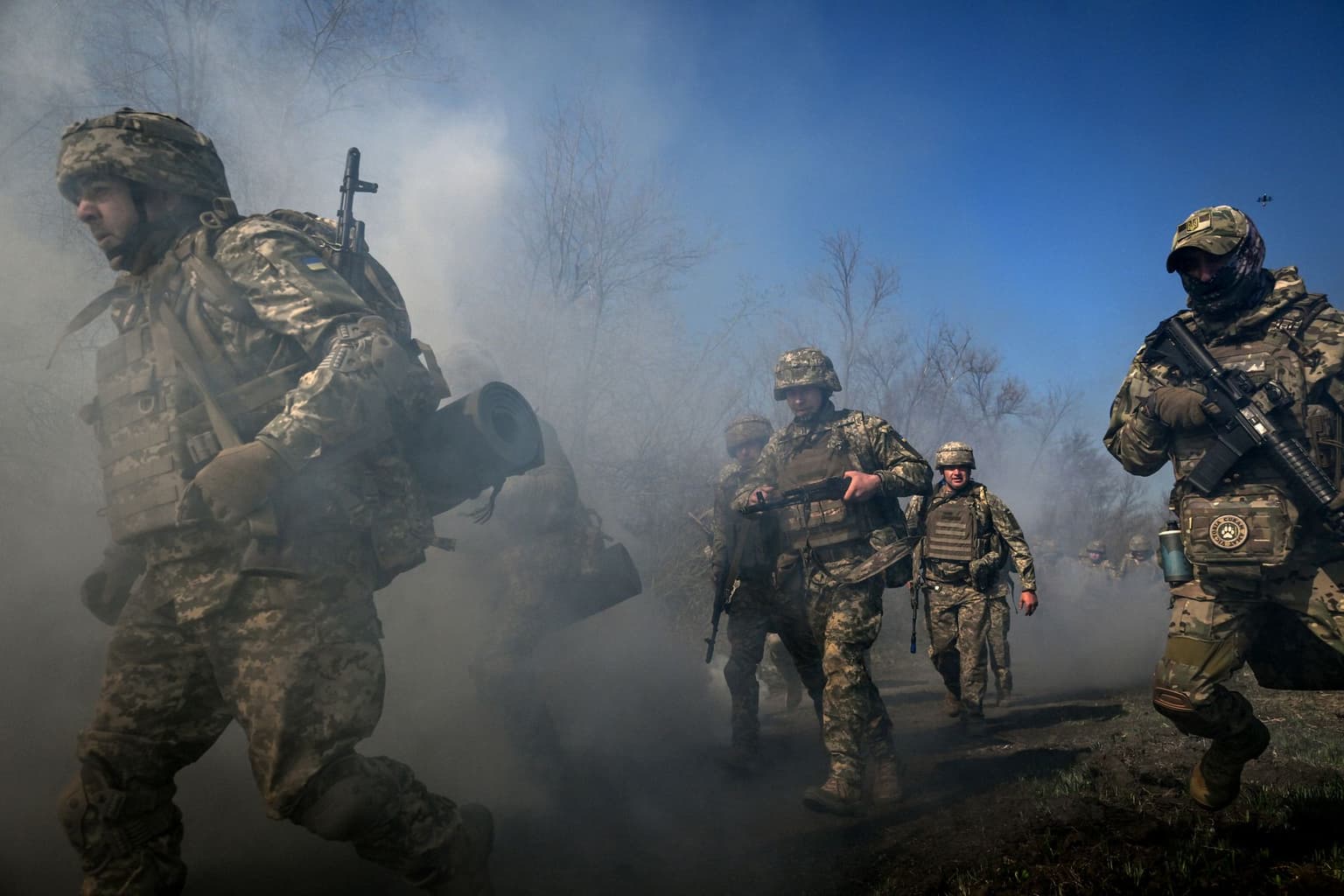
Recruits, supervised by instructors, cover a distance on Day Zero of Basic Military Training at the 118th Separate Mechanized Brigade of the Ukrainian Armed Forces, April 5, 2026. (Dmytro Smolienko/ Ukrinform/Future Publishing via Getty Images)
 on Google
Kateryna Lisunova
Ukrainian journalist
Any war is not that simple and has many angles, but Russia's war in Ukraine is becoming more difficult each day. And not only because of its constant intensity, but because of its complexity.
In the next few months, we will see three concrete, distinctive tracks of Russia's war in Ukraine developing separately and very differently from each other.
You will see a lot of different, mixed news that will be hard to put together into one picture, but we need to accept that the war is changing, and our perception and understanding of it should change as well.
Russia's war will unfold in three main dimensions: civilian cities, the front-line battlefield, and diplomatic negotiations.
First dimension — cities
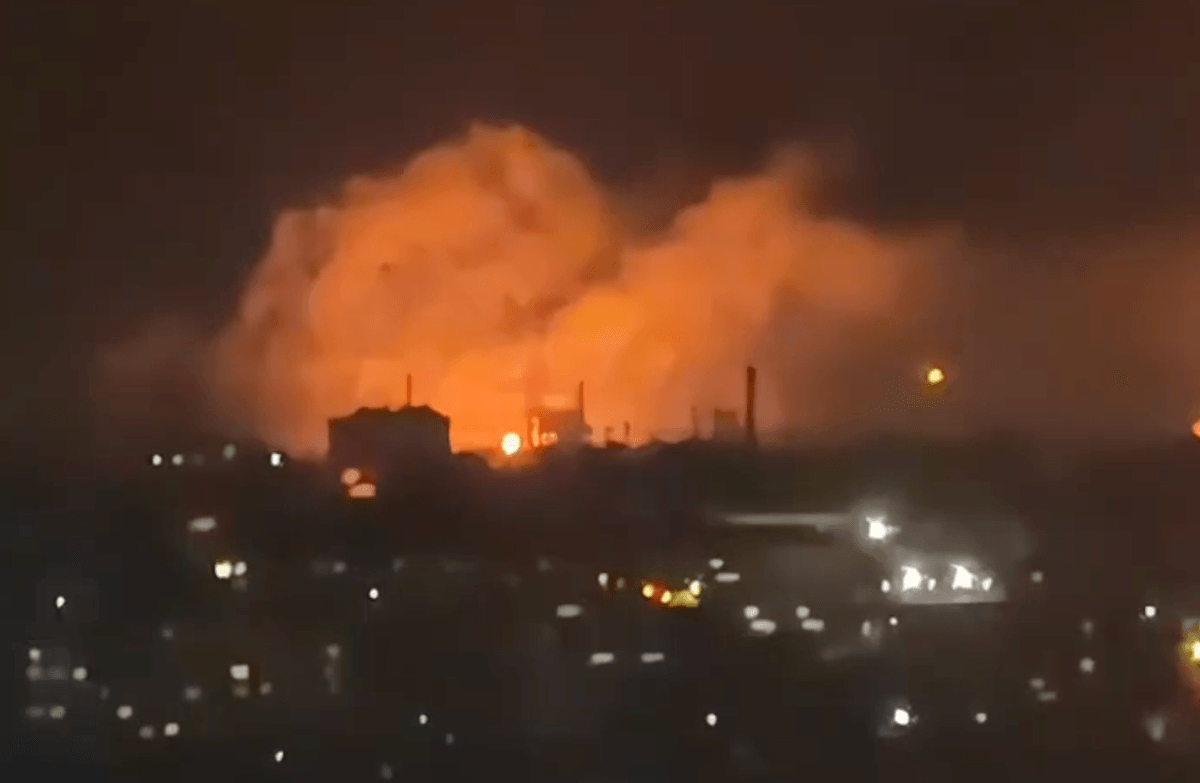
First, we will see more disturbing and cold-blooded attacks on civilian cities, their infrastructure, and energy facilities.
Alongside the now-routine campaign to plunge millions of Ukrainians into darkness, Russia has revived a tactic of destroying bridges with a long and particularly violent history.
After Ukraine's brief period of independence in 1917–1921, the Soviet army set about demolishing the bridges connecting the two banks of the Dnipro, which cleaves Kyiv in two, seeking to sever one of the capital's most vital arteries and render movement across the city perilous or impossible.
The crossings on the river were blown up and destroyed several times during the retreats of different armies, but the most extensive destruction, which completely cut off the left bank, took place in June 1920.
This was a sad and unfortunate chapter of Ukrainian history, followed by the forced incorporation into the USSR, the artificial famine, or the Holodomor as we know it today, as well as the persecution of the Ukrainian people, language, and culture, until Ukraine once again regained its independence in 1991.

Unfortunately, Moscow has evolved little in either strategy or geopolitical goals. We are therefore likely to see another attempt to cut Kyiv off from its connections across the Dnipro River.
This track is especially important to the Kremlin because it is one of the main reasons why the Ukrainian government is calling for immediate anti-ballistic support, as well as licenses to manufacture such systems domestically.
The main goal of the Russians is to kill the morale of the Ukrainian people and destroy their resistance.
Yet, no matter how terrible it sounds, for the most part, destroying historical sites and attacking civilians is an act of agony and desperation from Russian President Vladimir Putin. Because while he still has the capacity to show his power against civilian women and children, the situation on the battlefield is completely different.
Second dimension — front line
And this is how we come to the second dimension of this war: the front-line battlefield.
On the front line, despite intense fighting, Putin is struggling to show significant gains, while Ukraine is introducing new technologies that are changing how the war is fought. For the first time since 2023, Russian forces are actively losing ground.
These days, we are seeing major Ukrainian achievements on the battlefield and new military innovations.
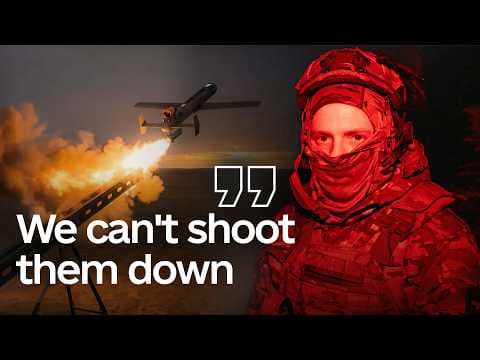
One example is the NC13 Unit's new "Gryphon" tactic, which combines heavy bomber drones with unmanned ground vehicles (UGVs), essentially ground robots. Since January 2026, the unit has carried out more than 100 successful missions, deploying kamikaze UGVs deep behind Russian lines to strike personnel, logistics, and staging areas.

The technology has become an important part of Operation Vivaldi, a headline-grabbing Ukrainian counteroffensive that has liberated more than 176 square kilometers (68 square miles) of territory.
According to the Presidential Office, Russian forces suffered more than 5,000 casualties during the first three stages of the operation. The Third Army Corps separately reported 2,000 Russian personnel casualties during the latest stage.
UGVs also carried out approximately 80% of logistics operations and 90% of wounded evacuations for Ukrainian troops during the operation.

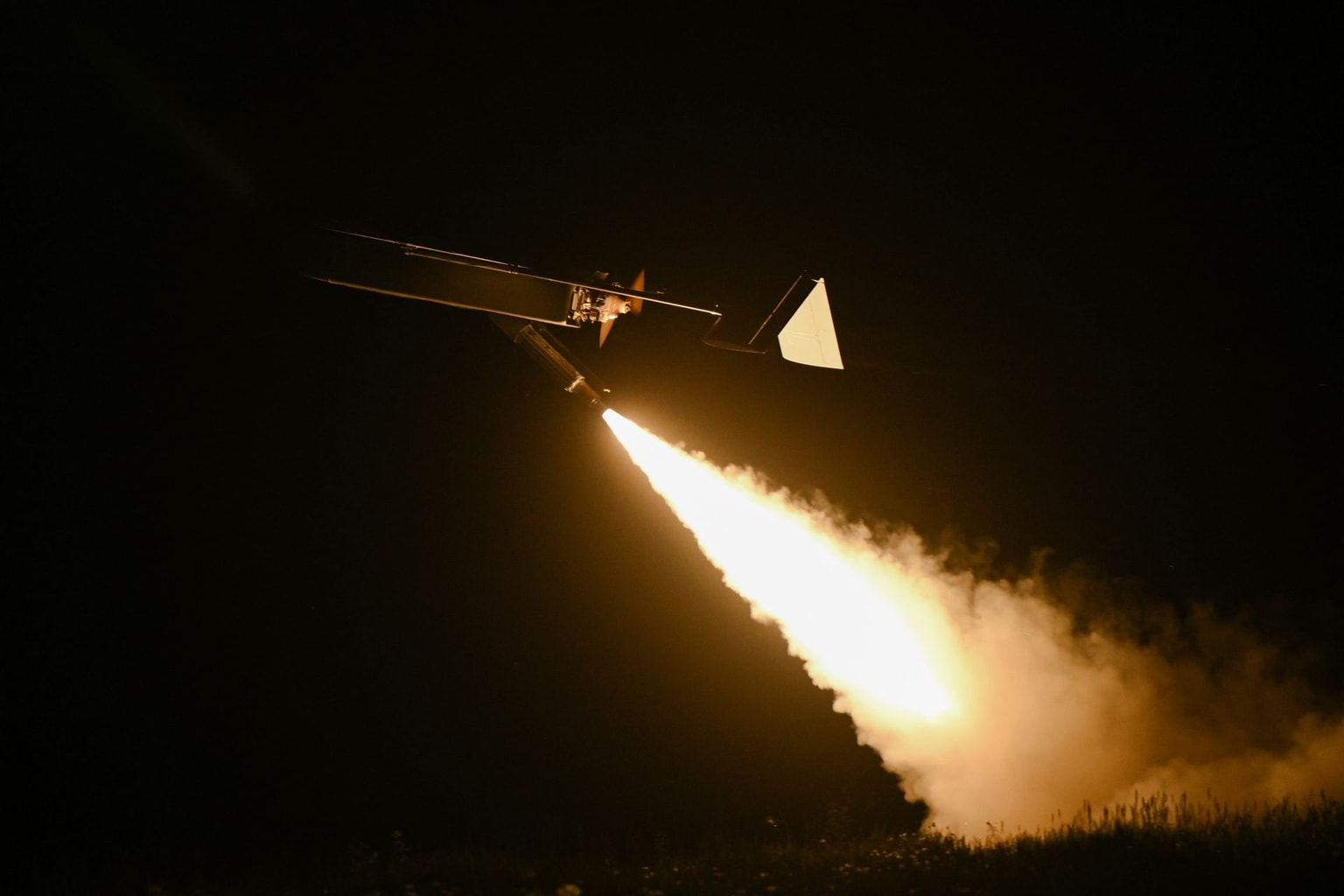
Ukraine has also introduced and deployed its domestically produced FP-7 ballistic missile in combat for the first time. With a range of 200-250 km (155 to 250 miles) and a weight of 150-200 kg (330-440 pounds), it is designed for counterattacks against Russian missile launchers and military-industrial sites in occupied territories or near the border.
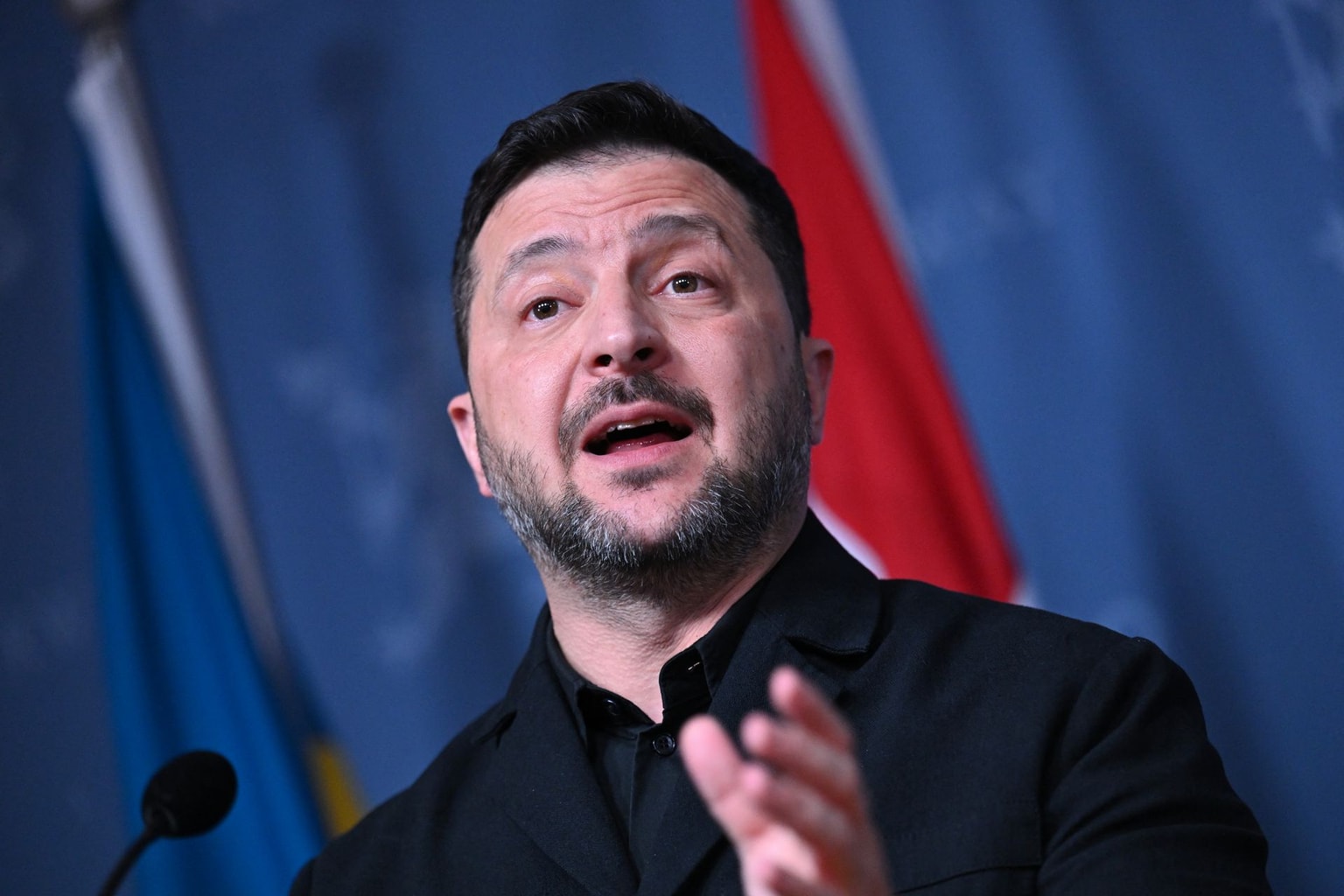
President Volodymyr Zelensky also recently stated that Ukraine is working on a satellite system similar to Starlink.
And this is not to mention the regular, almost routine Ukrainian strikes on Russian oil refineries, which are actively crippling Russia's economy and demonstrating the remarkable capabilities of Ukrainian technology, with drones and missiles able to reach targets across vast distances of Russian territory, from Moscow to Siberia.
Third dimension — peace talks
The so-called third dimension of the war is perhaps the most confusing, as it is becoming increasingly difficult to understand what motivates the participants in this branch of the conflict.
We are talking about negotiations.
From a moral perspective, from the standpoint of technological development, and based on basic democratic alignment, the Western world should have provided Ukraine with more military aid, greater intelligence sharing so Kyiv could strike the launch sites of Russian ballistic missiles, and more support of every kind a long time ago.
But at this point, Putin appears to be convincing at least the American administration that he will somehow win a war he has been unable to win since 2014, while also presenting himself as holding the stronger hand in negotiations.
For Europe, meanwhile, horrific attacks on civilians and open threats of further aggression against the Baltic states, for some reason, do not seem to be working as an alarm or a call to action, but rather as intimidation that causes fear.

Although we are seeing more action and something of a wake-up call across the European continent, European countries are also confronting another reality: after relying heavily on the United States for their security since World War II and giving up much of their own defense capacity and leverage, they now find themselves unable to manufacture enough military capabilities to ensure their own security and fully support a neighboring country that is under invasion.
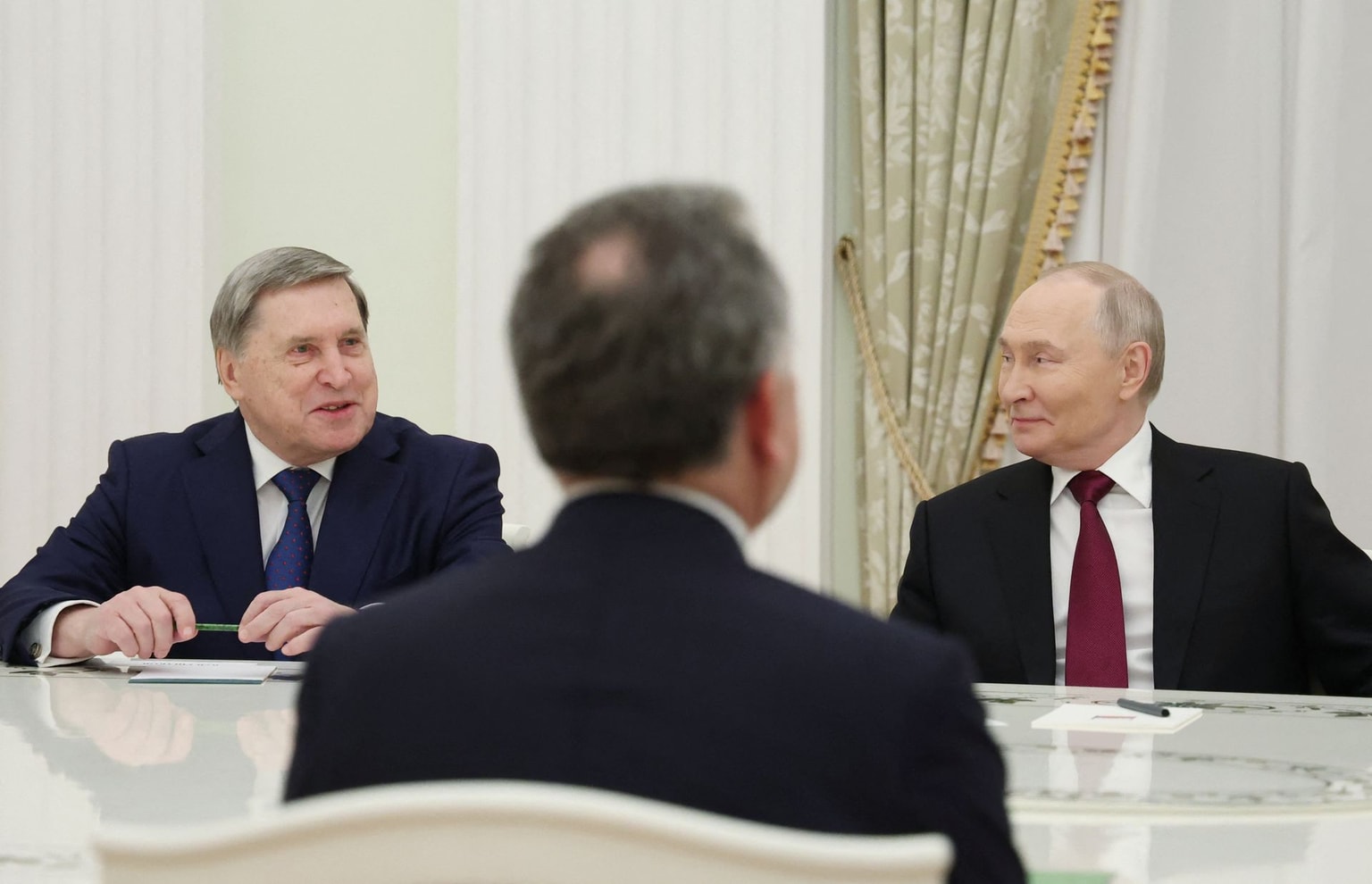
Meanwhile, it is the U.S. that is currently leading and managing negotiations between Ukraine and Russia.
Unfortunately, the White House has not shown much decisiveness in response to Russian threats and appears instead to be emboldening Putin, first by inviting him to Alaska and now to Miami for the G20 summit.
The facts on the ground also demonstrate that the Kremlin has intensified its attacks on Ukraine since the beginning of the Trump administration.
Despite promises to end the war in one day, over the past 2 years, the war has grown more dangerous and aggressive, with incidents increasingly affecting neighboring NATO countries on land and at sea. Yet the world appears to have gradually become accustomed to this reality without a proportionate response.

The logic seems to be that if a strike was not deliberately aimed at Moldova or Poland, or if a civilian vessel in neutral waters carrying corn and owned by Turkey was struck, killing the captain and damaging the ship, then somehow it does not count because Russia supposedly did not do it on purpose.
At the same time, at least judging by public statements from the American side, it appears that Ukraine is being pressured to surrender despite all the evidence of how Ukrainian forces and society are prevailing in this war.
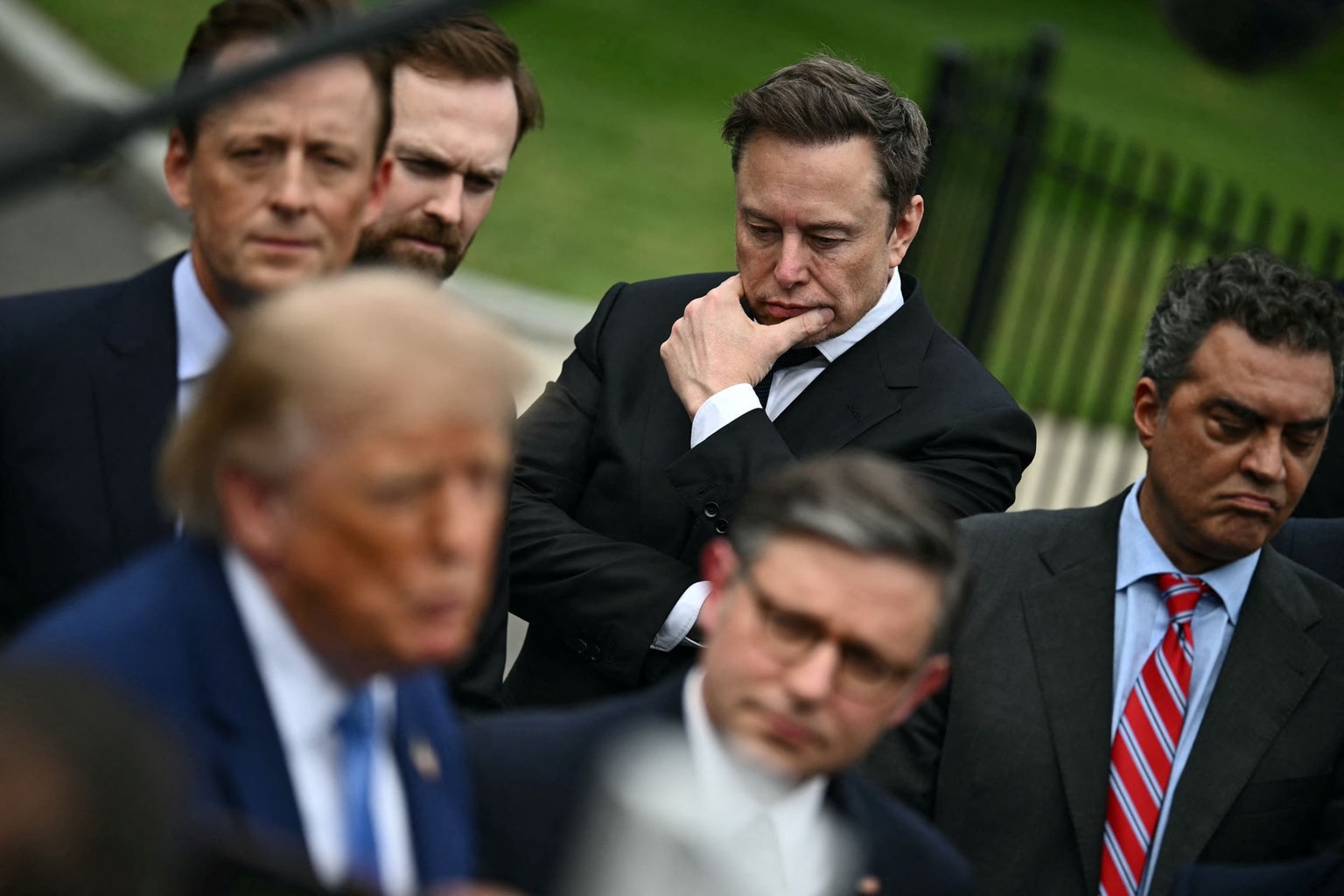
When President Donald Trump calls for "both sides to stop the war" and attributes the conflict partly to the negative personal relationship between Putin and Zelensky, we risk losing sight of the basic realities of this war: Russia is the aggressor, the war began in 2014, when Zelensky was not even president, and it was certainly not caused by the personalities of the two leaders.
Putin has publicly expressed ambitions to restore the USSR and regain control over former Soviet territories, and his interests extend beyond Ukraine to countries such as Poland and the Baltic states.
What all of this means for Ukraine and the war
We will see major Ukrainian achievements on the battlefield and deep inside Russian territory. We will see terrible losses among Ukrainian civilians because of Russian strikes, and we will see the inability of negotiations to stop the aggressor.
As so many times before, it will all come down to the indecisiveness of Ukraine's allies and their willingness to actually pressure Russia and provide Ukraine with the military support it needs.

Demands that Ukraine surrender territory, including some of its most heavily fortified positions in Donbas, contrast sharply with the situation on the battlefield. One conclusion we can draw is that the Kremlin has somehow managed to convince the White House of its claimed achievements despite the facts on the ground.
It looks like Moscow is essentially threatening that if Ukraine does not give up on the battlefield, Russia will destroy its civilian cities and kill as many civilians as possible.
This also appears to be part of Putin's argument with Trump: "If you do not pressure them to surrender, I will kill as many civilians as possible." And it seems that this manipulation and blackmail are working, at least in the U.S.
As a result, Ukraine is not receiving all of the military aid and anti-ballistic systems it needs to protect its people. President Trump has repeatedly presented himself as someone who does not want to bet on the losing side, yet the current approach appears to underestimate Ukraine's ability to continue resisting Russia.
Editor's note: The opinions expressed in the op-ed section are those of the authors and do not purport to reflect the views of the Kyiv Independent.