'Sanctions from Hell' — Can West finally choke off Kremlin's war machine?
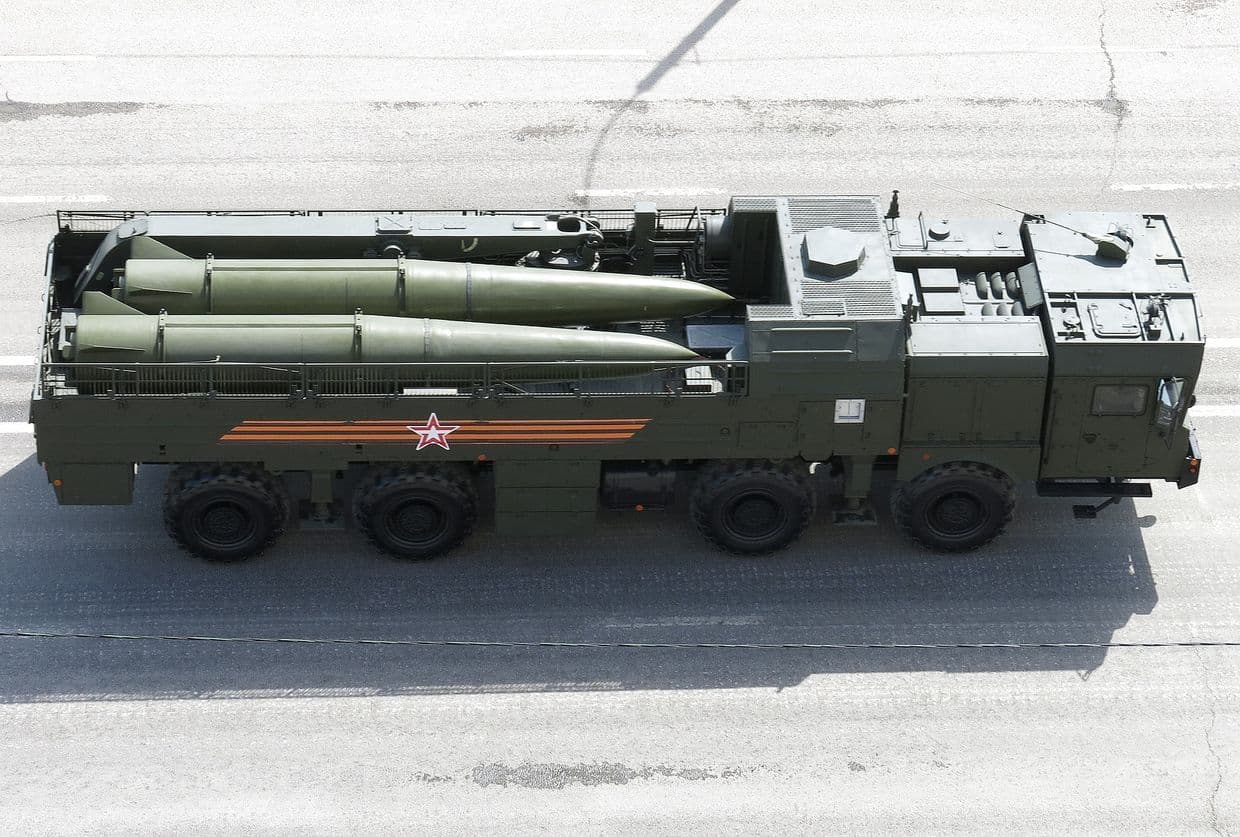
A top view of a Transport Loader for the Iskander-M missile system during the Victory Day Parade in Moscow, Russia, on May 9, 2015. (Wikimedia)
 on Google
Viktoriia Vyshnivska
Senior Researcher at the Independent Anti-Corruption Commission
The U.S. House of Representatives just voted on sweeping new sanctions aimed at putting further pressure on Russia's economy and its war machine, including measures targeting Moscow's energy sector, defense industry, "shadow fleet" and foreign networks helping it evade sanctions.
The effectiveness of these measures, however, will ultimately depend on how consistently they are enforced and how actively and responsibly U.S. President Donald Trump uses the authorities they provide.
The legislation, known as the Lindsey O. Graham Sanctioning Russia and Iran Act of 2026, would give President Trump authority to impose tariffs of up to 100% on countries that continue buying Russian oil and gas. It would also expand sanctions against Russian officials and entities, foreign suppliers and companies involved in sanctions evasion, while tightening export controls and restricting new U.S. investment in Russia.
The measure has been described as Graham's "sanctions from Hell" bill, reflecting his push for tougher economic pressure on Moscow. It also seeks to extend sanctions on Iran and impose secondary penalties on entities helping Russia or Iran evade restrictions.

The bill gives the United States a stronger way to act on what years of sanctions-evasion investigations have already shown: export controls are only as effective as the supply chains around them.
By creating sanctions exposure for foreign companies and intermediaries that continue to supply Russia's defense industry, the legislation extends pressure beyond Russia itself and into the trading networks that sustain its military production.
In practice, it should turn supply-chain enforcement into a form of secondary sanctions, raising the cost of doing business with Russia's defense industry even for companies operating far beyond Russia's borders.
Our new analysis illustrates the problem through one of Russia's most important ballistic missiles: the 9M723 Iskander-M.
We found that 78% of the identified microelectronic components in the missile's inertial navigation system were made in the United States.
The finding points to a contradiction at the heart of Russia's effort to build a self-sufficient defense industry. Moscow has invested heavily in "import substitution" since its invasion of Ukraine, but the production of sophisticated weapons still depends on access to foreign electronics.
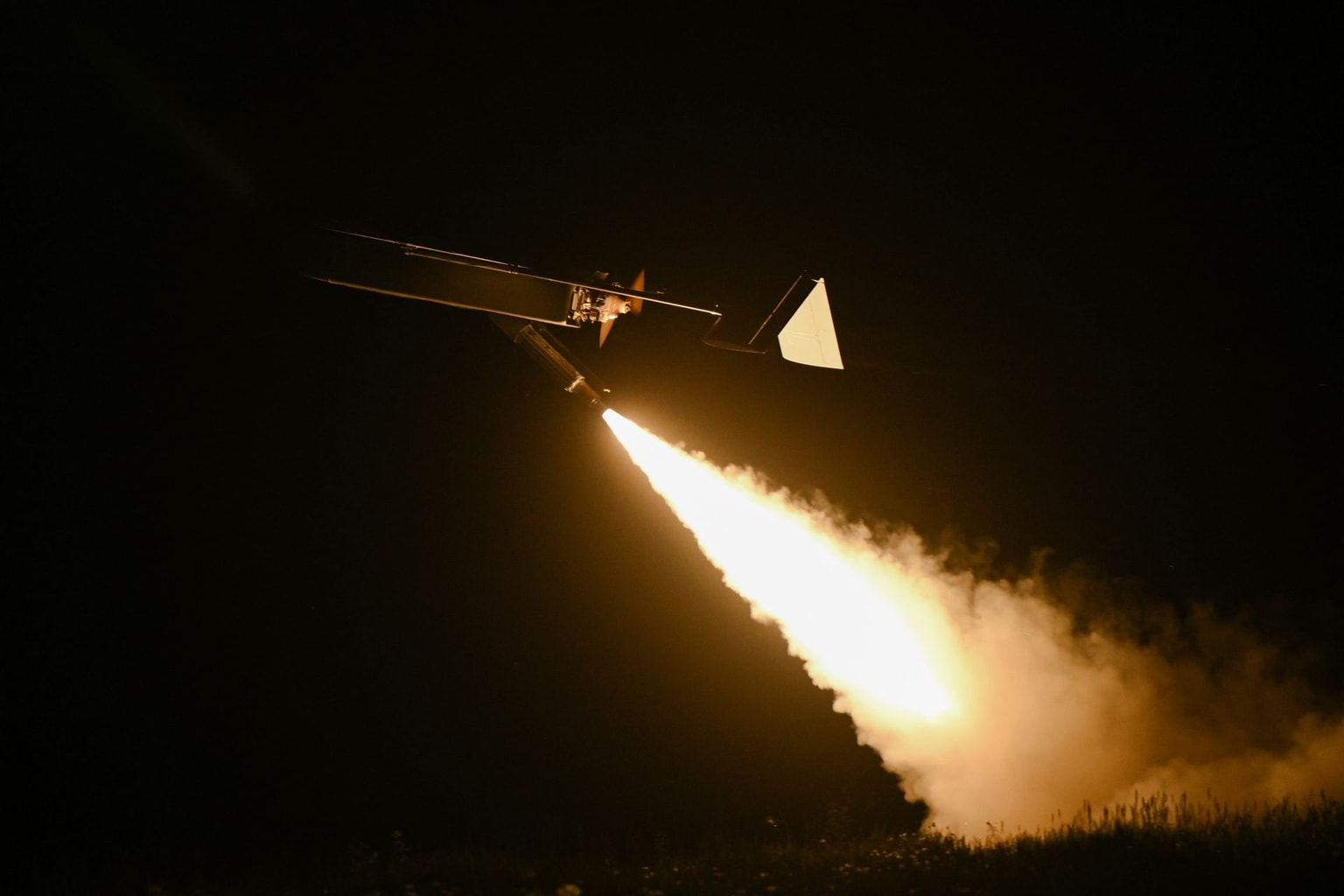
The Iskander-M is one of Russia’s principal ballistic weapons. Since the beginning of 2026, Moscow has launched more than 500 ballistic missiles against Ukraine, while Kyiv's military intelligence estimates that Russia can produce more than 200 cruise and ballistic missiles of various types each month, with Iskander-M missiles among its production priorities.
The missile's navigation system is particularly important because the 9M723 is guided throughout its flight and can maneuver along its trajectory. Its guidance architecture combines inertial navigation, satellite correction, and, in some configurations, terminal optical guidance.
That system remains heavily dependent on foreign electronics.
Of the identified components in the Iskander-M's inertial navigation system, 78.1% were of U.S. origin, compared with 9.4% from Japan, 6.3% from Taiwan, and 6.3% from Switzerland.
There are a few American companies that form the majority of key American exporters that rely on despite the international efforts to choke the flow of Western components into Russian killing machines.
Among them are Analog Devices, accounting for 40% of the identified U.S.-origin components in the system, and Texas Instruments, which accounts for another 12%. The remaining 48% is spread across 11 other U.S. manufacturers.
The finding does not necessarily mean American companies are knowingly supplying Russia's military. We do not have any evidence that these manufacturers are directly selling components to the Russian defense industry.
Instead, we can draw the conclusion that there is a complex international supply chain of intermediaries and sanction-evasion networks that help Russians get the parts they need.
The limits of Russian "import substitution"
Moscow has made replacing foreign components a major industrial priority since the invasion of Ukraine, and the strategy has produced results in some areas.
Our earlier analysis of Russia's Oreshnik missile found a much more localized production ecosystem, dominated by older low- and medium-complexity semiconductors manufactured in Russia and Belarus.
The Iskander-M presents a different picture, though, with 65% of the missile's components being foreign-made.
The difference illustrates an uneven pattern in Russia's defense production. Moscow does not necessarily need Western technology for every part of a missile. But it remains particularly dependent on foreign electronics for functions like signal processing, computing, and reliable power.
The Iskander's navigation system is a case in point.

That makes sanctions aimed at supply networks as important as restrictions on individual components, because even if we prevent Western-made microelectronics from being exported directly to Russia, the companies, intermediaries, and illicit financial networks are still there to facilitate their transfer to Moscow's factories.
The same problem can also be seen across Russia's wider weapons arsenal, not just Iskander missiles.
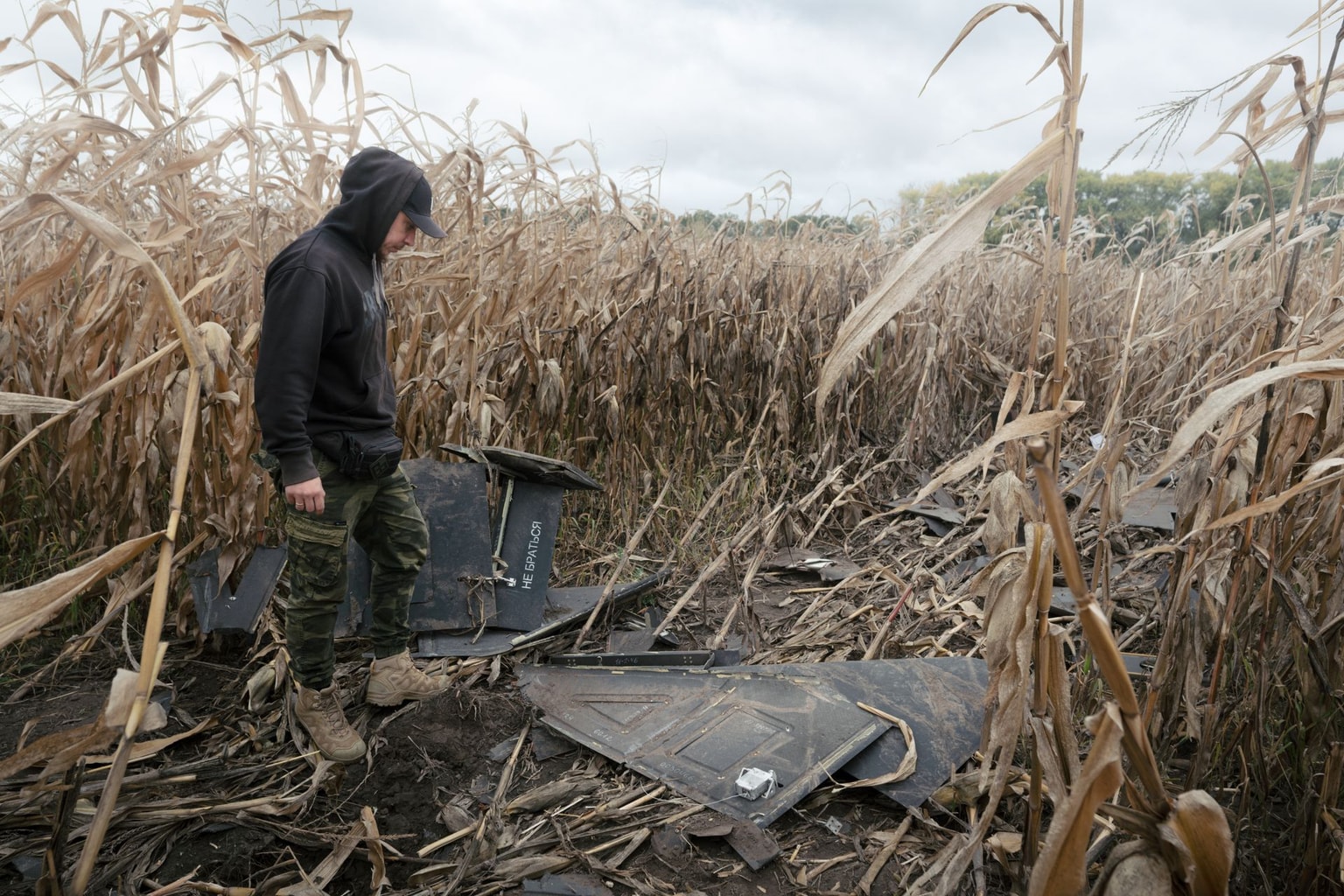
In August, Ukrainian intelligence officials showed diplomats samples of foreign-made components recovered from Russian missiles, drones, and other weapons. Ukrainian intelligence said it had identified 5,816 foreign components in 202 Russian weapons systems, with the database continuing to expand.
Among the examples displayed to diplomats was an Nvidia Jetson Orin computer module recovered from Russia's S-71 Monochrome cruise missile. Ukrainian intelligence said the component could indicate the use of artificial-intelligence technologies in the weapon.
An inertial module containing components from Texas Instruments and Japan's TDK was also displayed.
The clock is running
Ukraine's urgency is increasing as Russia continues to expand its missile arsenal.
Ukrainian President Volodymyr Zelensky said in August that Russia had an estimated 600 to 630 ballistic missiles and could potentially reach production of as many as 1,300 ballistic missiles a year, although it had not yet reached that rate.

That makes the law's supply-chain provisions particularly important.
Their value lies primarily in raising the cost of supplying them to foreign companies and intermediaries, affecting companies outside Russia that continue to provide critical goods to Russia's defense industry.
The ultimate goal need not be to stop Russia from producing missiles altogether, but we should make the global supply networks that enable Russia to produce increasingly sophisticated weapons at scale more costly, risky, and difficult to operate.
Applying these provisions aggressively would turn one of Russia's strengths — the resilience of its international procurement networks — into a vulnerability.
Whether the bill disrupts Russia's military supply chains, however, will depend on how fully and forcefully the Trump administration puts it to use.
Editor's note: The opinions expressed in the op-ed section are those of the authors and do not purport to reflect the views of the Kyiv Independent.