'Time to act is now' — US Senate passes long-delayed Russia sanctions bill targeting energy buyers
 on Google
A majority of the U.S. Senate backed sweeping Russia sanctions legislation on Aug. 7 that would impose tariffs on countries purchasing Russian oil and gas, aiming to cut off a key source of funding for Moscow's war against Ukraine.
The bill had been stalled in Congress since April 2025 amid President Donald Trump's evolving approach to Russia's war against Ukraine. The Senate vote clears the way for House consideration as early as next month. The vote was 86-11.
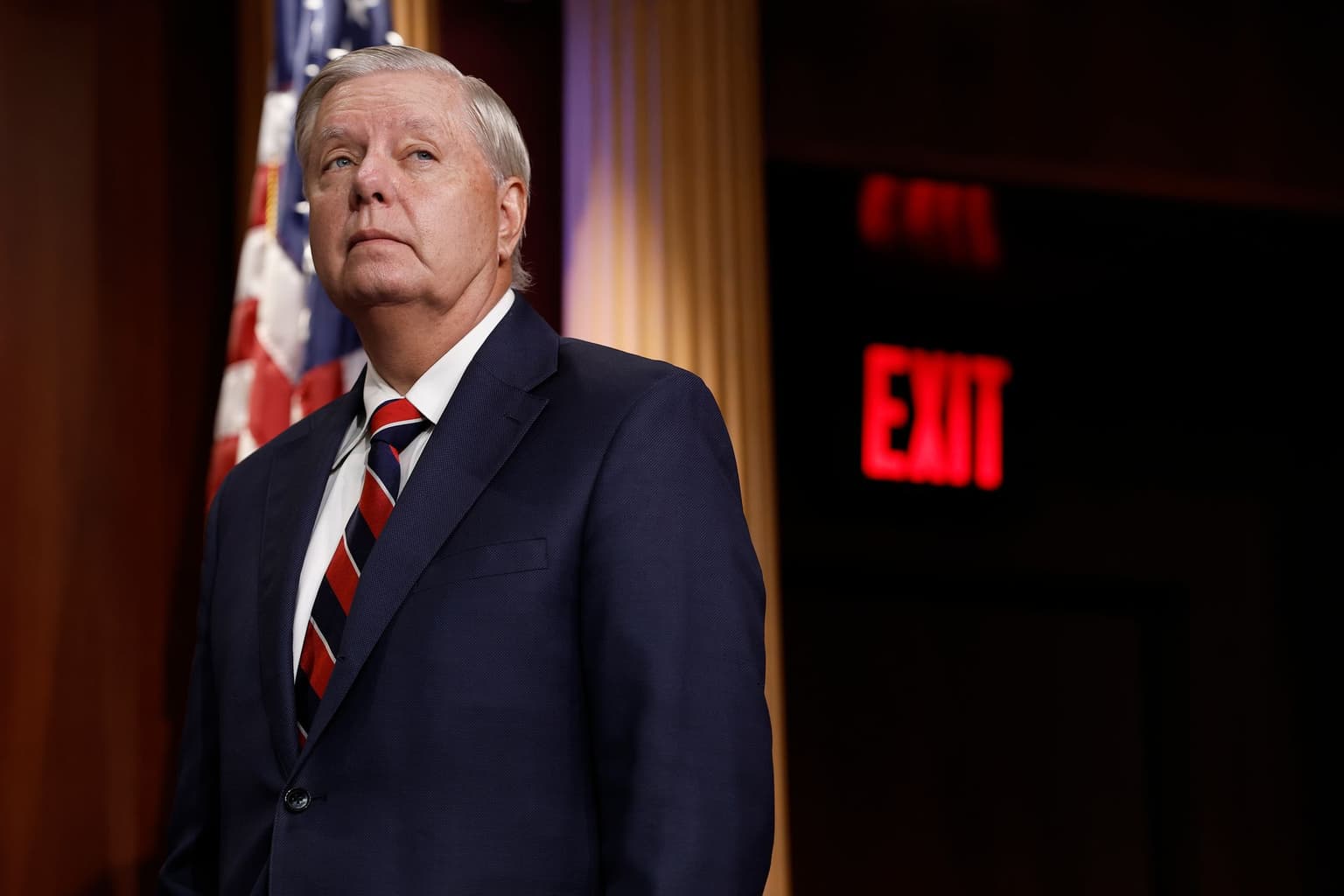
The revised bill emerged from negotiations between the White House and the late Senator Lindsey Graham, who said shortly before his death on July 11 that he had secured the Trump administration's support for the proposal.
Lawmakers argue the measure would provide the Trump administration with another tool to pressure Moscow to end its war against Ukraine.
"Today, the Senate sent Vladimir Putin an unambiguous and bipartisan message in the only language he understands: pressure," Senator Jeanne Shaheen said.
"When the House returns, they must send this legislation to the President's desk without delay... Every day this legislation waits is another day Putin profits from energy sales to buy rockets, drones, and weapons to kill Ukrainians. The time to act is now."
President Volodymyr Zelensky thanked senators for supporting the bill and continuing to mount pressure against Russia.
"We are deeply grateful to the U.S. Senate and to everyone who supports Ukraine," he wrote on Aug. 7.
"The passage of Senator Lindsey Graham's bill regarding sanctions against Russia and Iran will undoubtedly help to increase pressure on the aggressor to end this insane Russian war against our independence and our people."
Unlike the original version, which proposed a blanket 500% tariff on imports from countries purchasing Russian oil or natural gas, the revised legislation would impose tariffs of up to 100% on the world's five largest buyers of Russian energy.
The same maximum tariff would apply to the five countries most involved in helping Russia evade oil sanctions.
Under the draft legislation, the list of the five largest purchasers would be reviewed every 180 days. Countries that import less than 15% of Russia's total natural gas exports and are actively reducing those imports would be exempt.
China, India, and Turkey are currently the largest buyers of Russian oil, while the EU, China, and Turkey are among the largest importers of Russian natural gas.
The legislation would also target Russian President Vladimir Putin and other senior Russian officials, as well as major Russian financial institutions, including the Central Bank, Sberbank, and Gazprombank.
It would further target Russian state-owned companies, foreign entities supporting Russia's defense-industrial base, and major Russian energy projects.
The bill also includes measures targeting Russia's shadow fleet, which Moscow uses to continue exporting oil despite Western sanctions, as well as China's support for Russia's defense industry.