Trump's Ukraine-Russia peace gambit begins to unravel. Again
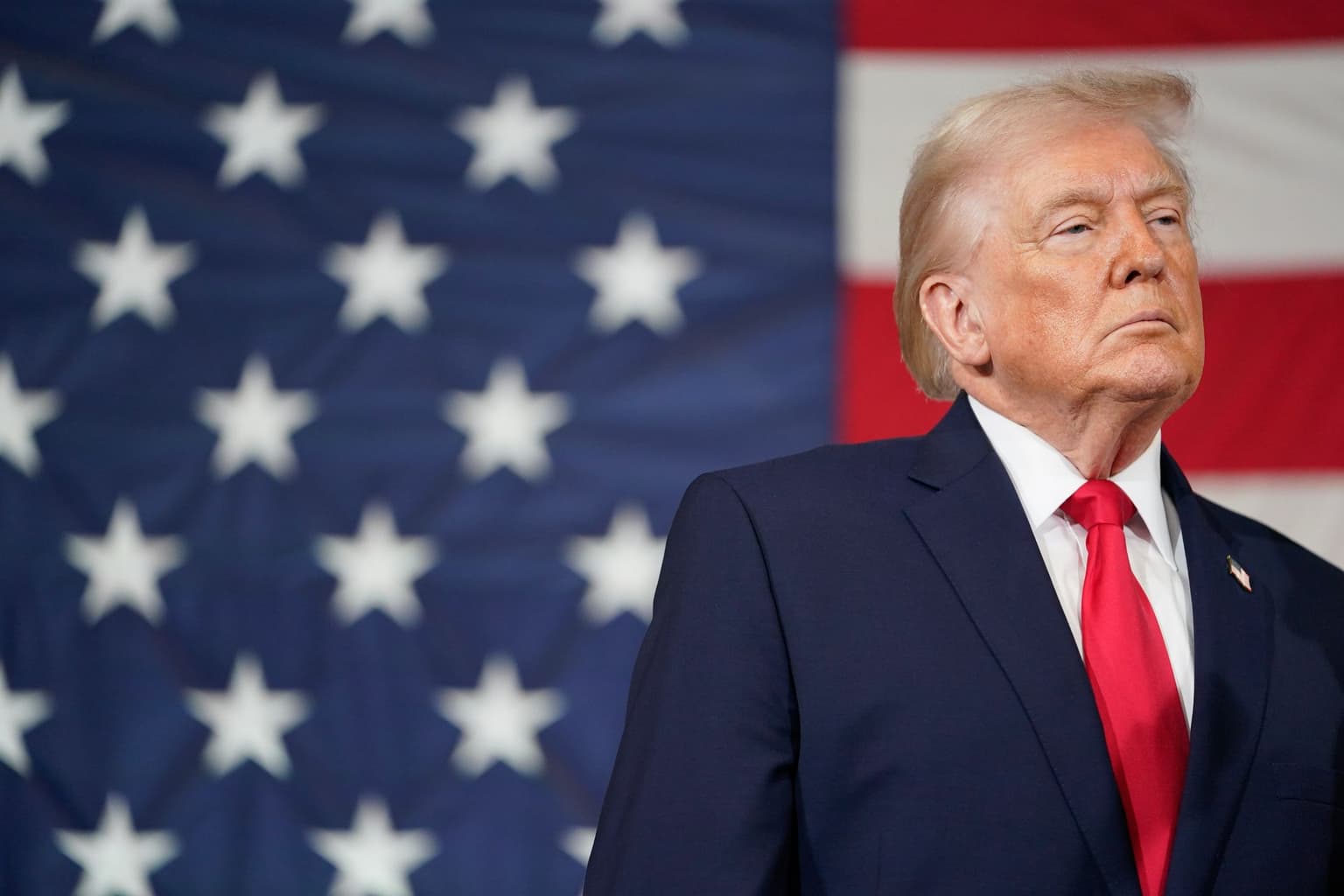
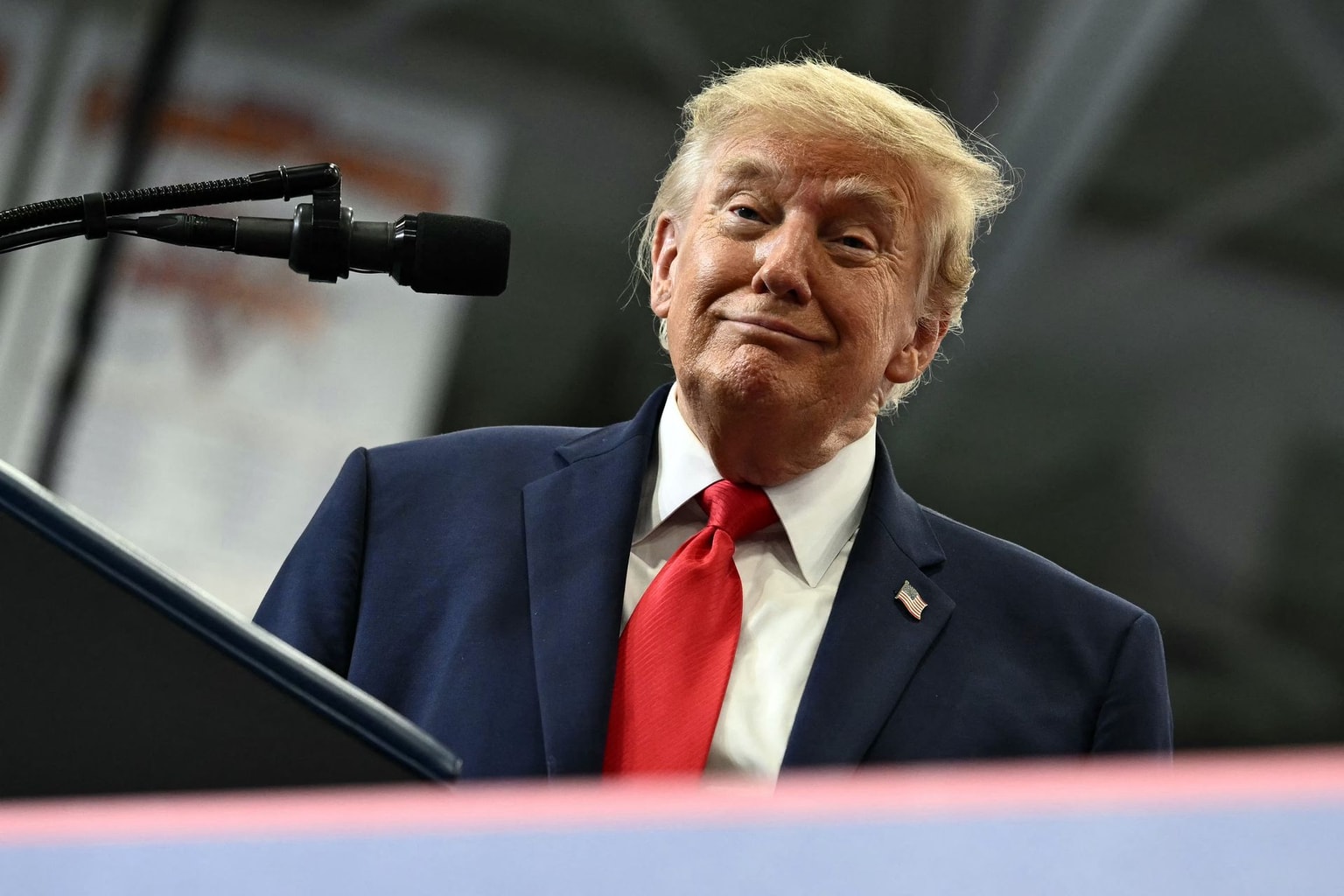
U.S. President Donald Trump speaks during a visit to the Fort Bragg U.S. Army base on Feb. 13, 2026, in Fort Bragg, (Nathan Howard/Getty Images)
 on Google
U.S. President Donald Trump's latest push for peace between Ukraine and Russia is facing growing uncertainty, with few in Kyiv believing it can deliver a breakthrough — or even bring the three sides together for talks, the Kyiv Independent can reveal.
The latest effort began in early September, when Trump's envoys traveled to Kyiv and Moscow seeking progress before the U.S. midterm elections.
The trips produced one tangible outcome: an agreement in principle to hold a trilateral meeting between Ukraine, Russia, and the U.S. The sides were expected to discuss proposals for an energy ceasefire, a possible reopening of the Black Sea grain corridor, and humanitarian issues such as prisoner-of-war exchanges.
Kyiv never expected the talks to produce a full ceasefire by spring 2027, according to a senior Ukrainian official. Still, Kyiv agreed to participate.
A month later, even the trilateral meeting itself remains uncertain. Moscow has shown little urgency to commit to the talks, people familiar with the negotiations said.
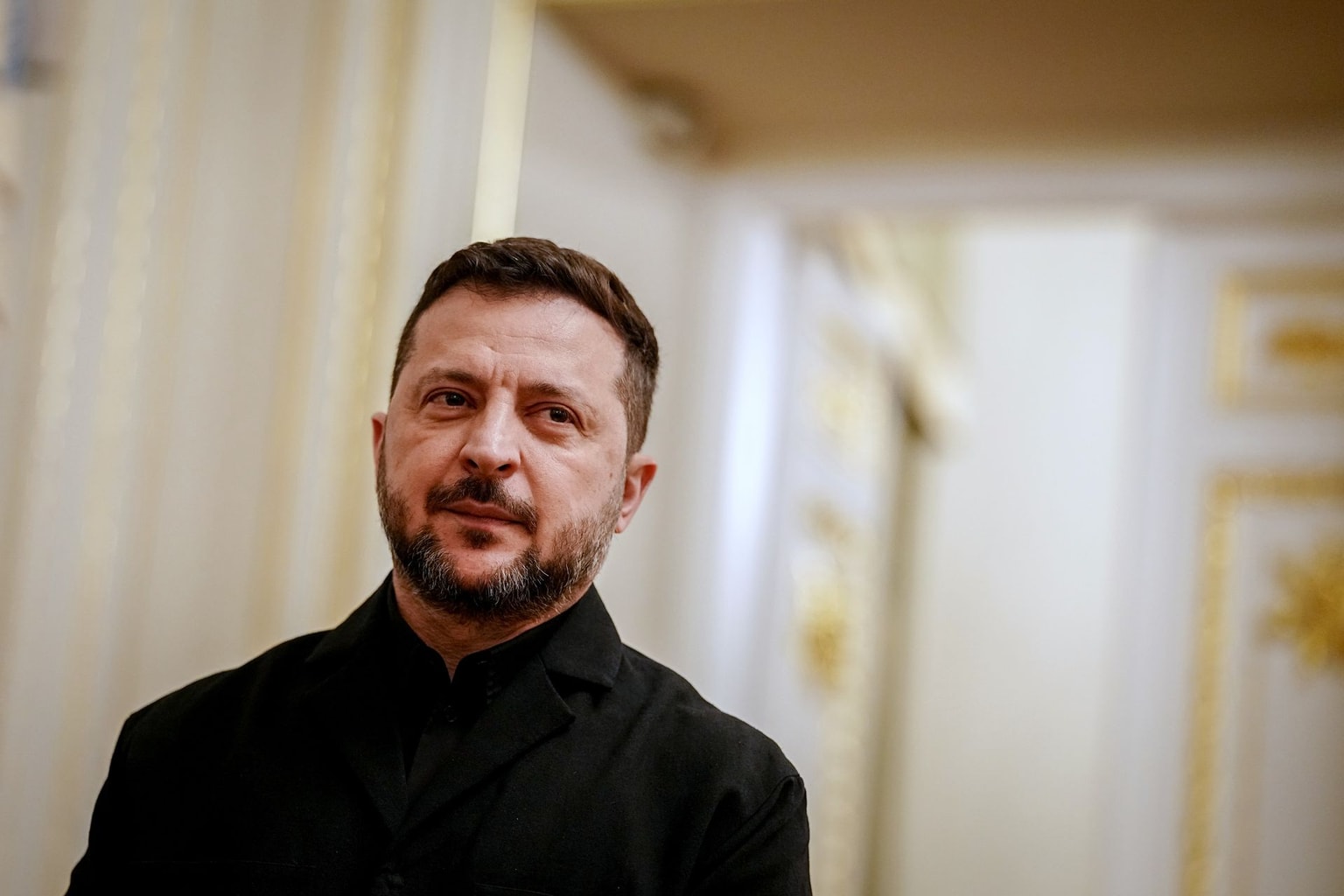
"The U.S. wants to organize meetings. I think we will support it. But it is very important that not only Ukraine but also the Russian side support these meetings," President Volodymyr Zelensky told reporters during a side gaggle on Oct. 4.
The US keeps pushing
The latest sign that Washington is still trying to move the process forward came on Oct. 4, as Zelensky was meeting German Chancellor Friedrich Merz in Kyiv.
Zelensky's phone buzzed with a message from Trump's peace envoy Steve Witkoff. He told the Ukrainian president that Washington wanted to hold the trilateral meeting in late October. Zelensky texted back that Ukraine would support it.
But the proposed timing represents a significant delay. The meeting was initially expected to take place in early October in the UAE, where the sides were expected to discuss the energy initiative and a possible reopening of the Black Sea grain corridor.
People close to the negotiations attributed the delay to Russia's position.
Ukrainian and U.S. officials have already shared their vision for the next steps with Moscow, people familiar with the matter told the Kyiv Independent.
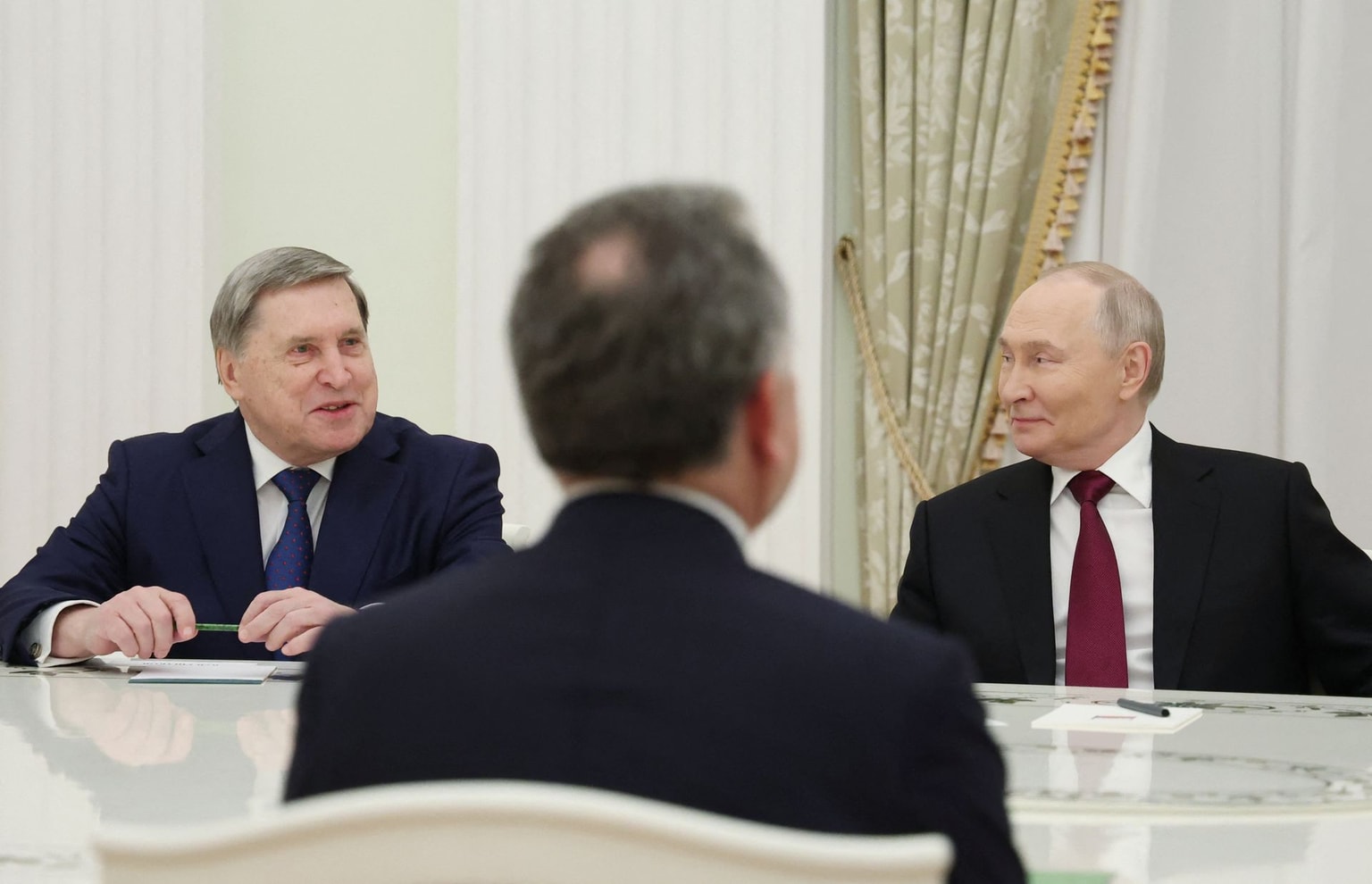
The effort has also continued through Kirill Dmitriev, Putin's envoy, who visited the U.S. twice in September for meetings with Witkoff and Trump's son-in-law, Jared Kushner.
It remains unclear why the trilateral meeting was pushed back by almost a month.
One major issue expected to be discussed is an energy ceasefire. Ukraine and Russia have repeatedly targeted each other's energy infrastructure throughout the war.

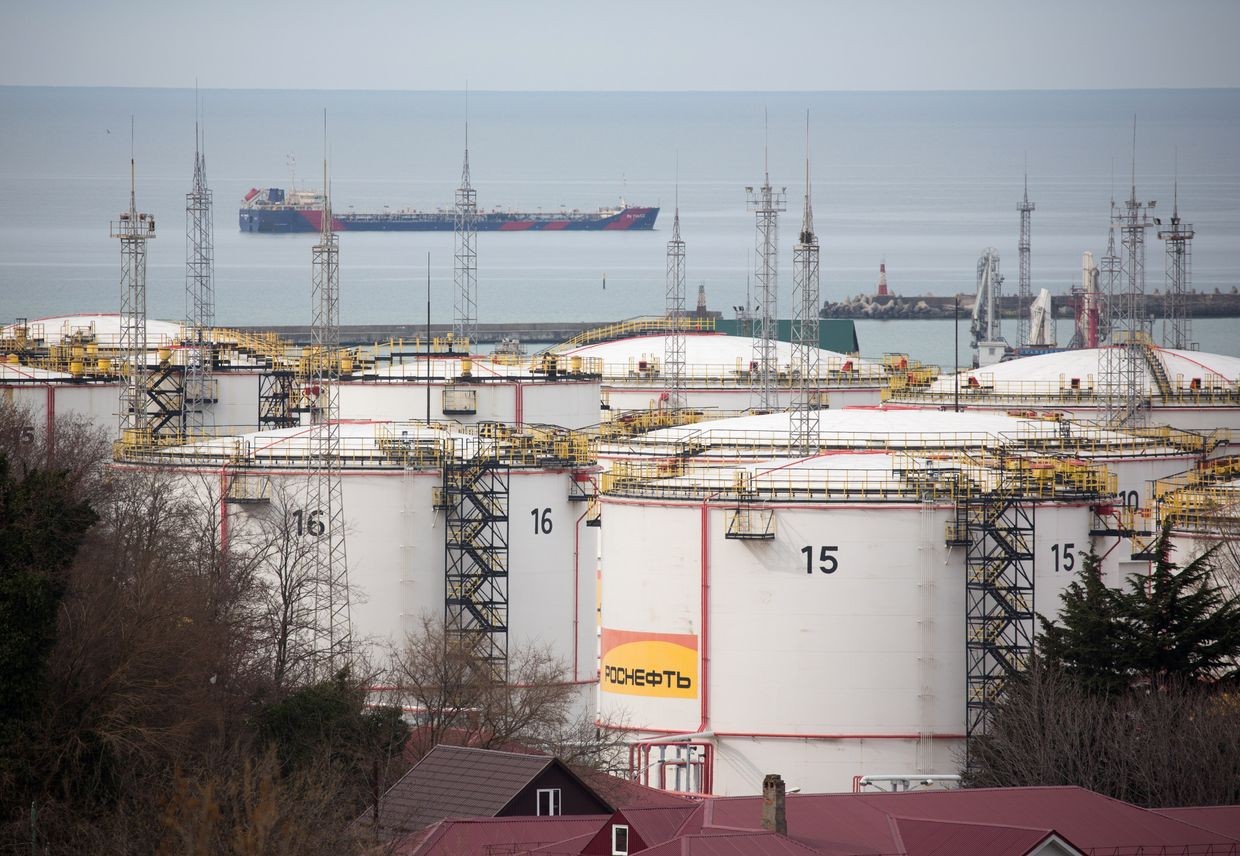
Ukraine has struck Russian energy facilities and exports to disrupt a key source of funding for Moscow's war effort. Russia, meanwhile, has repeatedly attacked Ukrainian power plants and substations, seeking to leave civilians without electricity and heating.
The urgency of the issue has grown as winter approaches.
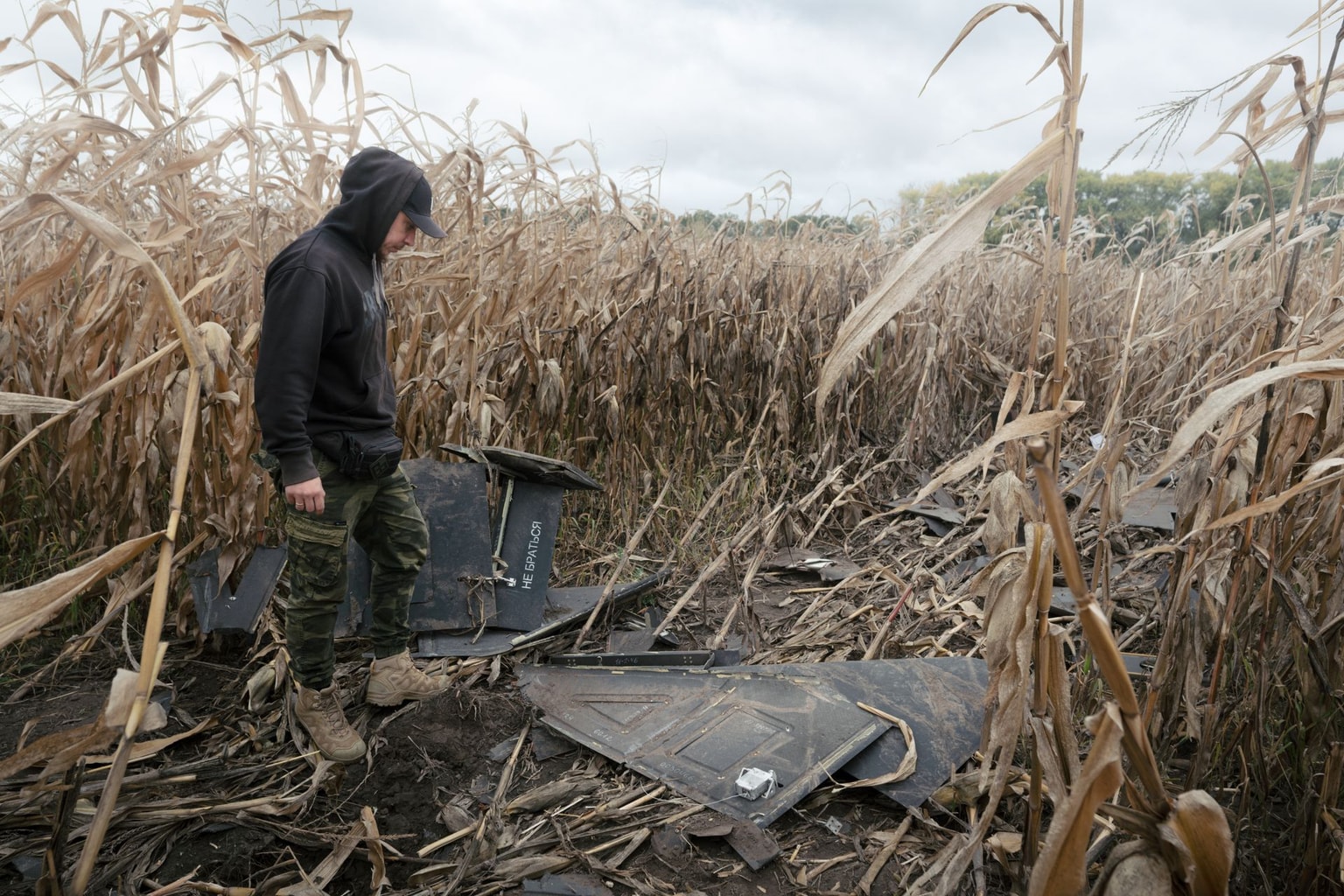
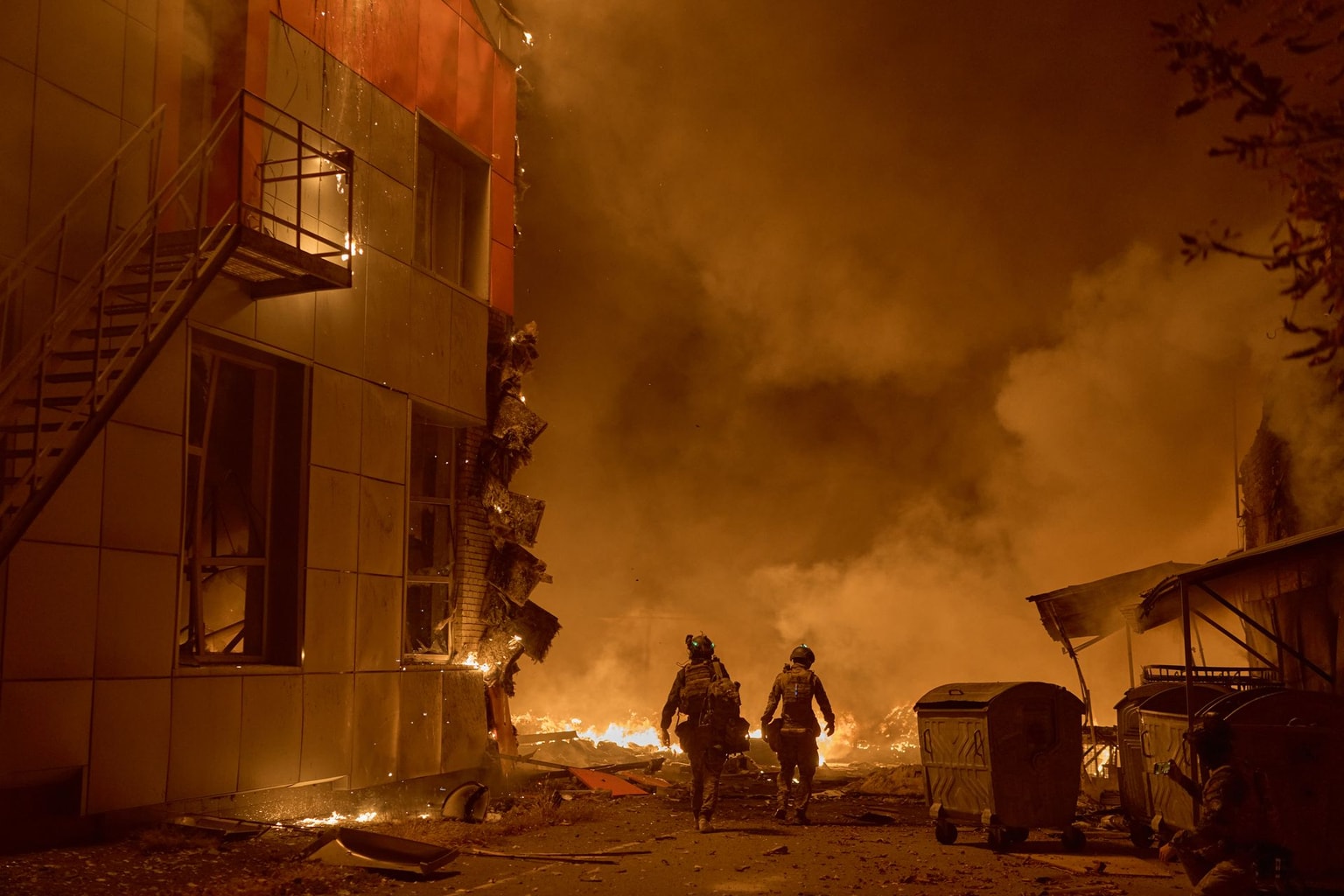
Russia struck Kyiv's energy infrastructure overnight and throughout the day on Sept. 30 in a renewed campaign to push Ukraine into the dark, and reviving fears of another winter of attacks on the electricity grid.
One senior Ukrainian official said Russia could have little incentive to rush into talks while it can still inflict damage on Ukraine's energy system. The official suggested Moscow may be seeking to destroy as much Ukrainian energy infrastructure as possible before negotiations, potentially giving Russia greater leverage at the talks.
Since late August, Russia has also intensified attacks on Kyiv. The Ukrainian president said Moscow had effectively removed restrictions on its targets, including schools, energy infrastructure, and civilian sites.
"Russia is deliberately escalating things as much as possible to provoke a response from Ukraine, so that it can continue the escalation and keep raising the stakes as much as possible before any talks with the Americans," Zelensky said.
No change to the current track
The uncertainty surrounding the trilateral meeting raises a broader question: after months of failed attempts to broker a ceasefire, can another round of U.S.-led diplomacy produce a different result?
Trump has sought to broker an end to Russia's war against Ukraine since returning to office in January 2025. So far, his efforts have failed to deliver.
Washington is not the only outside power that has tried to find a way forward.
India has proposed a ceasefire plan combining a halt to attacks on energy infrastructure with measures to protect shipping in the Black Sea. India's proposal incorporates elements of initiatives put forward by other countries, including Turkey, Egypt, and the United States, according to a Ukrainian official familiar with the matter.
Russia has rejected the proposal, the official said.

The rejection is significant for Kyiv because it suggests that the problem is not simply finding another intermediary or drafting another proposal. Moscow has also resisted initiatives from countries it maintains close relations with.
For now, Washington continues to pursue the same track, even as Kyiv grows increasingly doubtful about what it can achieve.
"Putin doesn't seem afraid. He feels he can do whatever he wants. There's no pressure from the U.S. … but he's afraid of Trump, no matter what," Zelensky said.