The Baltics push back against doom scenarios from Western experts
 on Google
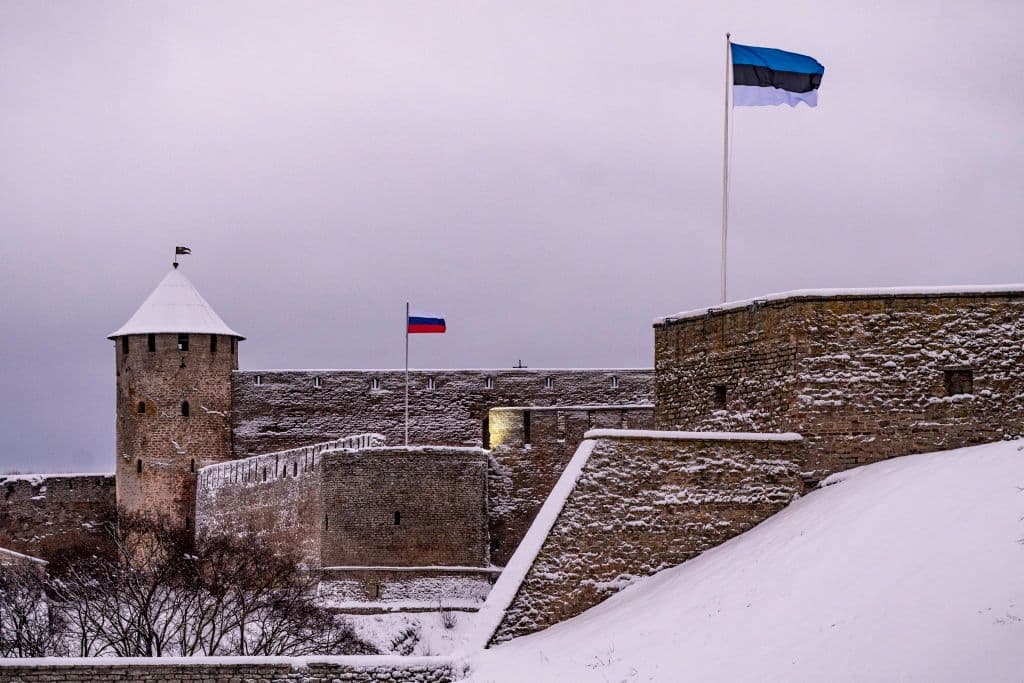
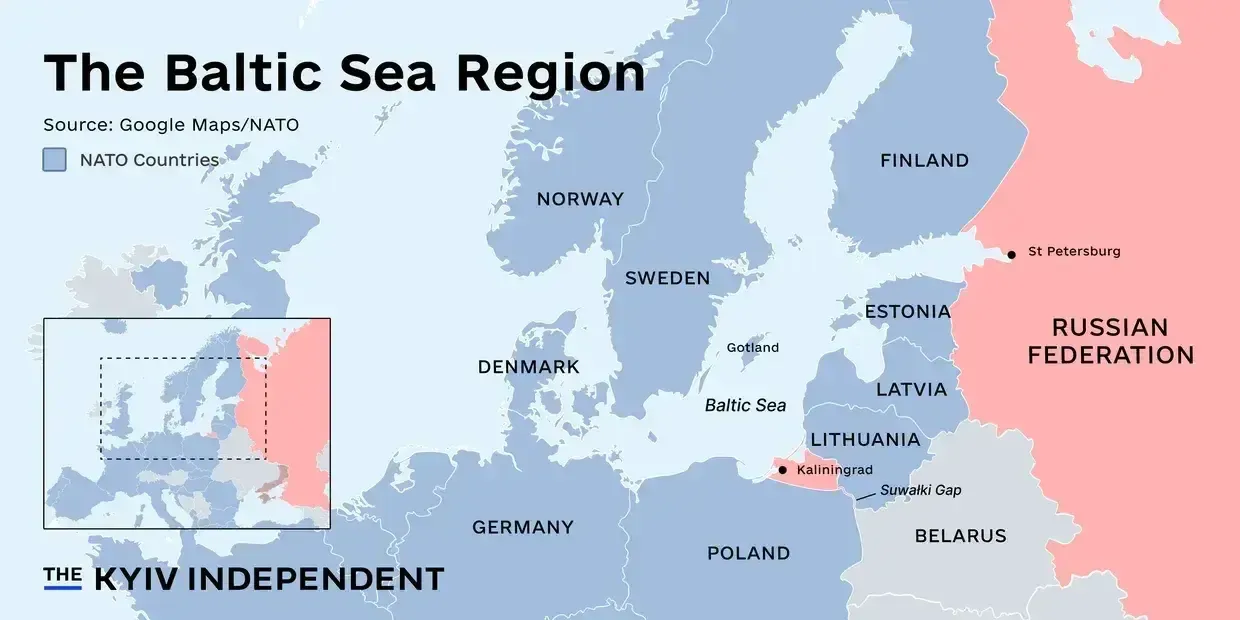
Latvia, Lithuania, and Estonia, a trio of NATO and EU nations bordering Russia, have long rankled at Western media describing them as "tiny" or "ex-Soviet."
Now, they seek to push back against speculation that their defense would be hopeless in any future clash with Moscow, a goal that underpinned the launch of a new common think tank in Brussels on June 3.
For the three Baltic states, it is not just about national pride, but also about fears that such claims could scare away investment, diminish allied countries' belief that they could be credibly defended, and lead to policy mistakes due to overstatements of Russian strength.
The Baltic International Security Center (BISC) is the first pan-Baltic think tank. It plans to challenge such views with slogans telling Brussels to "be more Baltic," and that "Europe doesn't have a Baltic problem, it has Baltic solutions."
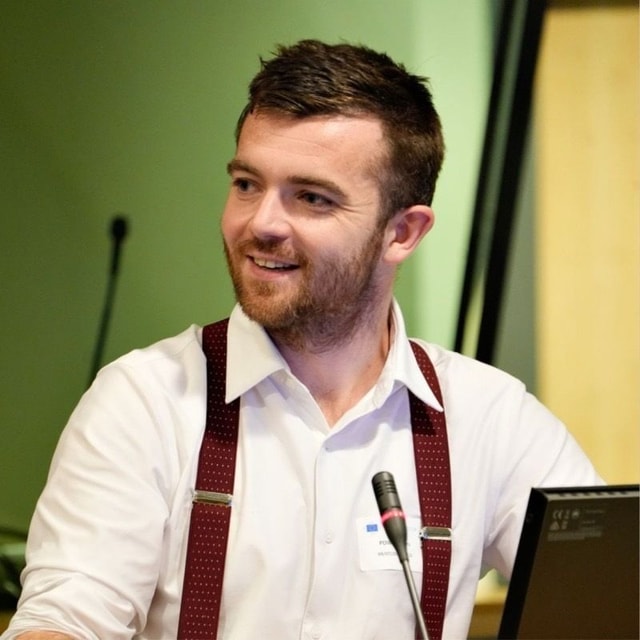
At the think tank's launch event, its founder, Edward Lucas, called out what he sees as a "Western commentariat echoing the Kremlin's talking points," which included his former employer, the Economist.
Lucas complained that one issue of the newspaper presented as fact that Estonia's eastern town of Narva is "(Russian President Vladimir) Putin's next target," and that its majority Russian-speaking population is "growing restless."
The expert went on to criticize German political scientist Carlo Masala, who published in September 2025 the influential book If Russia Wins, which lays out a scenario where Russia annexes parts of Estonia.
"I contest the idea that it's non-fiction. It should be found somewhere along horoscopes or fantasies," Lucas said.
Lucas noted that not only do such scenarios strip Estonia of its agency, but they also amplify "all sorts of Kremlin talking points, which do real damage."
One form of potential damage is deterring trade and investment, although a Baltic Barometer report published by the think tank suggests the three countries have retained a stable investment climate so far.
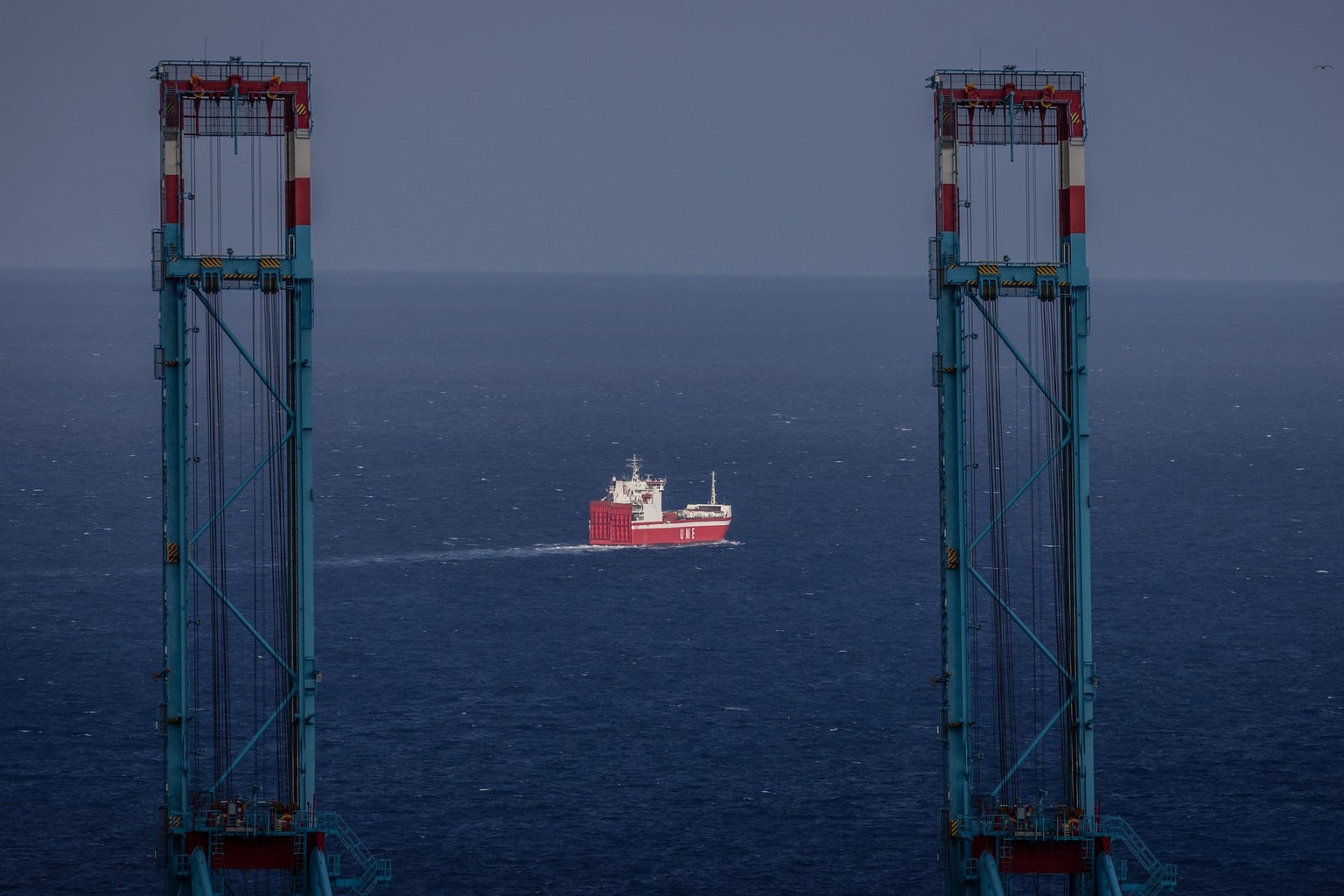
BISC is also preparing an analysis of Russia's Kaliningrad exclave, which is sandwiched between Lithuania and Poland, hoping to present it as "more of a (Russian) burden than a bastion."
The aim is not just to shift Western perceptions of Russia's military strength in the region, but also to address real policy questions.
Lucas explained that Russian environmental damage to Kaliningrad directly pollutes the Baltic Sea, and that this, together with future disruptions stemming from the exclave, would have to be dealt with by neighboring countries — that is, EU member states.
Estonian ambassador to the EU, Kyllike Sillaste-Ellingand, and her Lithuanian counterpart, Nerijus Aleksiejunas, both said the platform is long overdue, with Aleksiejunas saying he hopes the center will bring "different innovative ideas" when Vilnius holds the EU's rotating presidency in 2027.
Editor's note: Got an opinion on anything you've read in the Kyiv Independent so far? Send it to letters@kyivindependent.com, and it may appear in our Letters section.