All EU states back opening formal accession talks with Ukraine after Hungary deal
 on Google
Editor's note: The story has been updated to include comments from Ukrainian officials.
All 27 EU member states have given the green light to open the first cluster of accession negotiations with Ukraine and Moldova, Prime Minister Yuliia Svyrydenko said on June 4 after an agreement between Kyiv and Budapest cleared the key hurdle.
"We are one step closer to the EU membership: steadily moving towards our goal," the prime minister said.
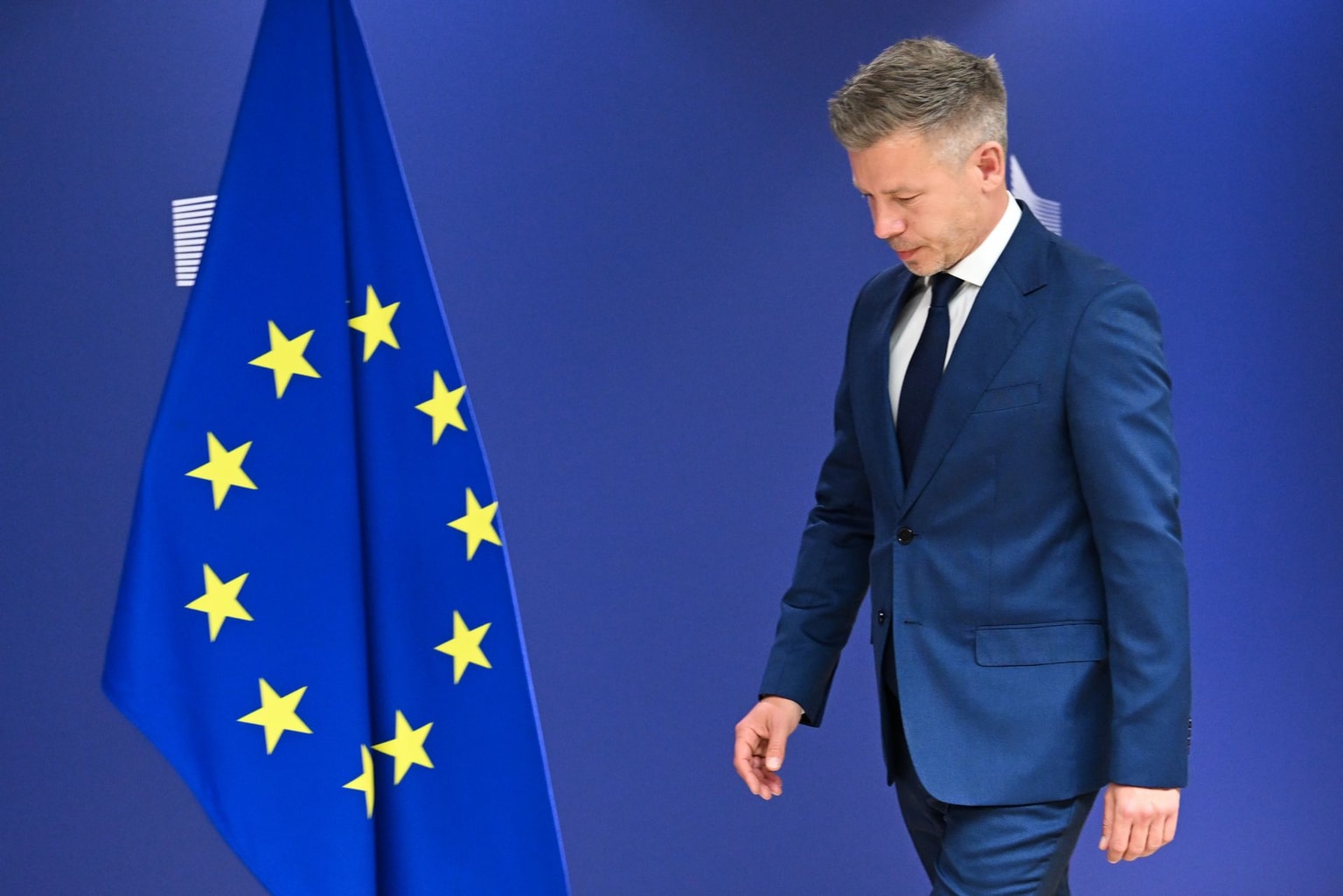
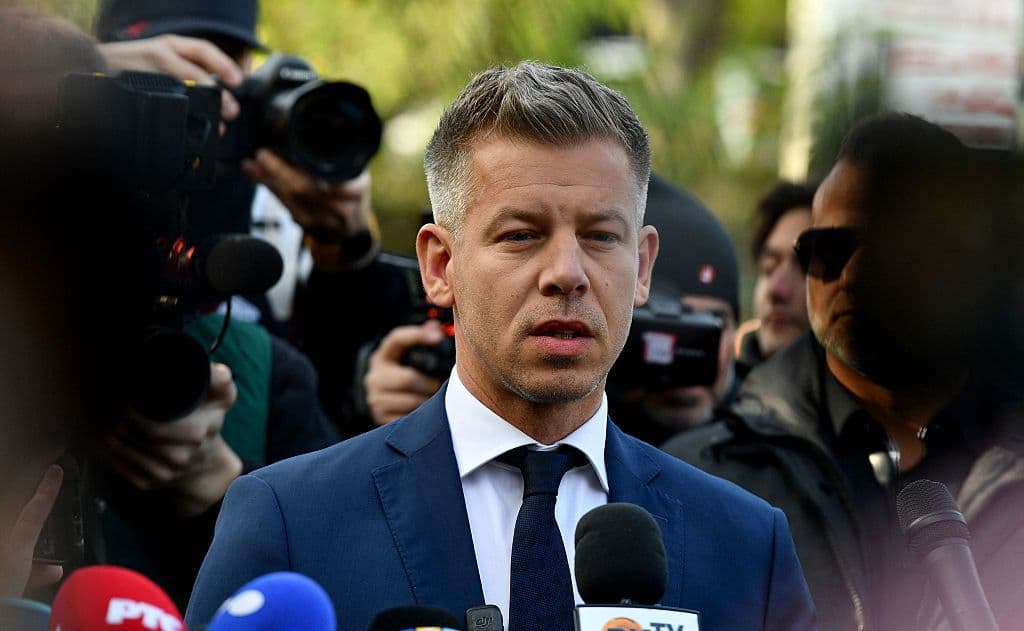
Svyrydenko's statement followed Hungarian Prime Minister Peter Magyar's announcement on June 3 that Ukraine and Hungary had reached an agreement on the rights of the country's Hungarian-speaking minority, prompting EU officials to confirm that the next stage in the EU accession process will proceed in mid-June.
Under Magyar's predecessor, Viktor Orban, Hungary had blocked any progress on Ukraine's EU membership bid for over a year, with a list of 11 demands the Ukrainian government would have to comply with in order for them to drop the veto.
"Prime Minister Magyar's announcement of the agreement between Hungary and Ukraine to advance minority rights opens the way for progress on the EU accession path of Ukraine," EU's Enlargement Commissioner Marta Kos said on X.
An EU diplomat noted that "positive developments" meant discussions were to take place among EU ambassadors on June 3 about the formal process to advance Ukraine's EU membership bid.
Foreign Minister Andrii Sybiha and his Hungarian counterpart Anita Orban praised the developments as a "new chapter" in bilateral relations.
The date for the formal opening of the first of six so-called enlargement clusters is not yet set in stone. However, a range of EU and national diplomats have told the Kyiv Independent that the plan is to hopefully do so on June 15 in Luxembourg on the sidelines of a meeting of EU foreign ministers.
If that doesn't work, the expectation is that the opening would take place the day after, at a meeting of European ministers on June 16, also in Luxembourg.
The Hungarian objection clears the way to opening the first of six enlargement clusters, but it is not yet known how many, if any, of the remaining clusters can also open in June.
EU and national diplomats have told the Kyiv Independent that they expect the sixth cluster, on "external relations," to open without problems as well.
There could also be progress on clusters two and three, which cover broad economic issues. An EU document seen by the Kyiv Independent suggests cluster two, on the internal market, could open.
However, one EU official said that they doubt cluster two would open due to the war, making it hard to allow the free movement of goods and people.
They expect cluster three, with the broad title of "competitiveness," to be a more likely possibility.
The remaining two clusters, four and five, which encompass agriculture and transport, respectively, will most likely not open because of ongoing Polish fears of Ukrainian competition.
Previously, Kos expressed the hope that some clusters would open before the end of June and that the remainder would open in the second half of 2026.
The opening of the six enlargement clusters is far from the end of Ukraine's road to joining the EU.
An indication of how far away that could be came from Magyar's press conference, where he said: "If Ukraine manages to close all 33 chapters within 10 or 15 years, our country will hold a referendum on the issue."