Zelensky confirms Ukrainian strike on St. Petersburg oil infrastructure
 on Google
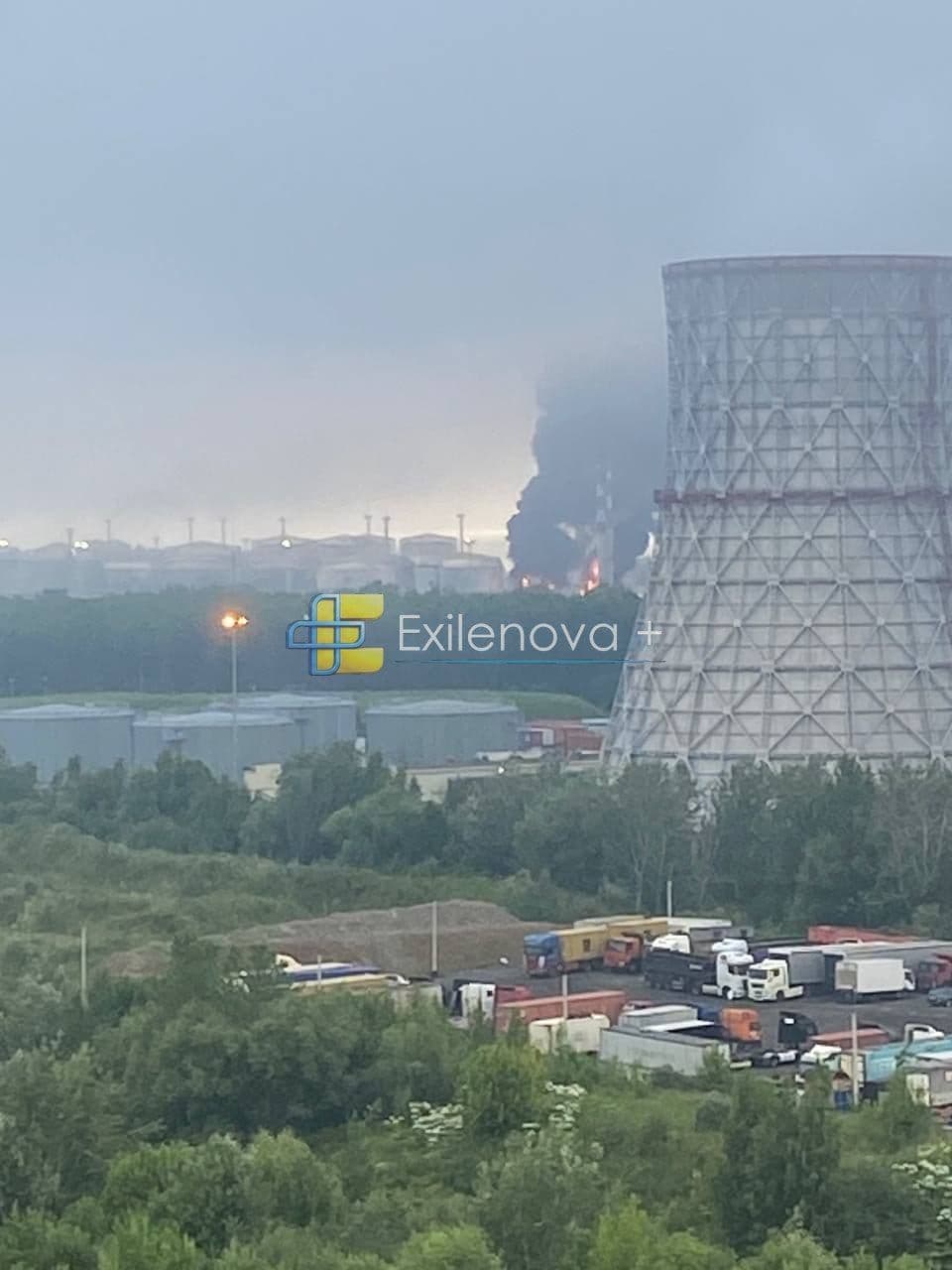
Ukraine's military attacked St. Petersburg in the early hours of July 4, striking oil infrastructure and military targets in nearby Kronstadt, President Volodymyr Zelensky confirmed on Telegram.
Photos and videos posted to social media purport to show black plumes of smoke and fire rising from the port area of the city, home to the St. Petersburg Oil Terminal in Russia's Leningrad Oblast.
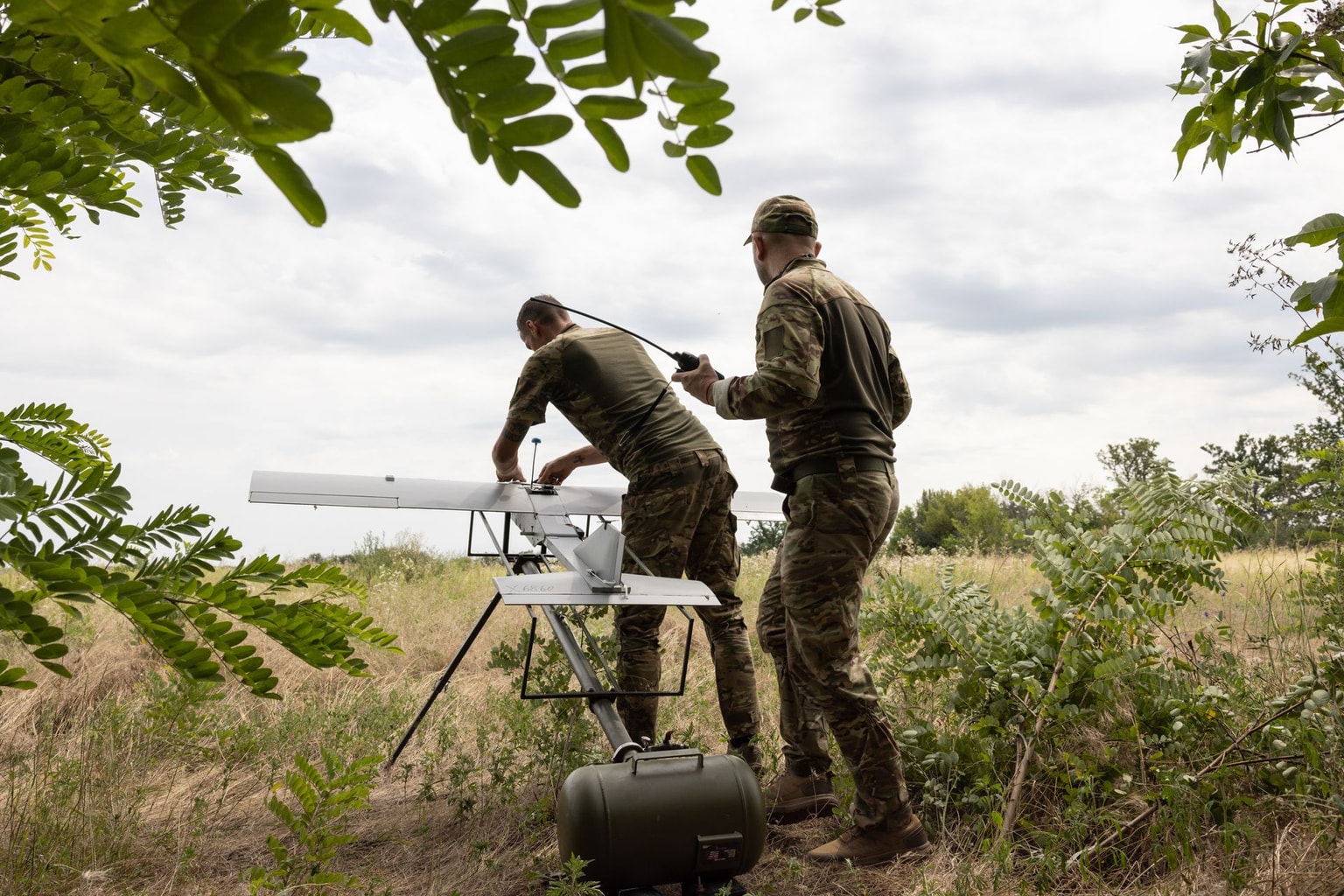
Explosions were heard in the city around 6:30 a.m. local time amid resident reports of Ukrainian long-range drones flying over the region, according to independent Russian media outlets. Russian officials said dozens of drones were shot down over Leningrad Oblast overnight.
"Last night, our Ukrainian long-range sanctions against Russia over this war were carried out near St Petersburg," Zelensky said.
"The Ukrainian Defense Forces struck port oil infrastructure that is funding the Russian war; there were also strikes on Kronstadt – a key military target," Zelensky said.
The oil terminal, located on the Gulf of Finland at the city's Great Port of St. Petersburg, is one of Russia's largest fuel storage and export facilities. It receives and ships petroleum products by river, rail, and motor transit, and boasts a reported throughput of 12.5 million tons per year.
The extent of the damage caused was not immediately clear.
St. Petersburg — located 1,100 kilometers (about 684 miles) from Ukraine's border and the hometown of Russian President Vladimir Putin — has rarely been targeted by Ukrainian attacks throughout Russia's full-scale invasion due to the concentration of Russian air defenses around the historically significant city.
In recent months, however, Ukrainian drone advancements have been able to more effectively penetrate air defenses, striking various targets in heavily fortified cities, including Moscow and St. Petersburg.
Ukraine's latest reported attack on St. Petersburg comes one month after Kyiv's forces unleashed attacks on the city to coincide with Putin's visit to the St. Petersburg International Economic Forum, and days after Russia launched its largest ever attack on Kyiv on July 1.
Putin, on July 3, vowed to "continue" Moscow's campaign of large-scale missile and drone strikes against Ukrainian cities, days after nearly 30 people were killed and over 90 injured in the attacks on the Ukrainian capital.
In response to the increased number of Russian missile and drone attacks on Ukrainian cities, Kyiv's forces have continued to target Russian oil and energy infrastructure, a key driver of Moscow's war revenues.
Recent attacks have led to ongoing fuel shortages in at least 20 Russian regions with residents posting videos to social media of show hours-long lines at service stations across the country.