Russian-installed authorities in occupied Crimea announce state of emergency amid intensified Ukrainian drone attacks
 on Google

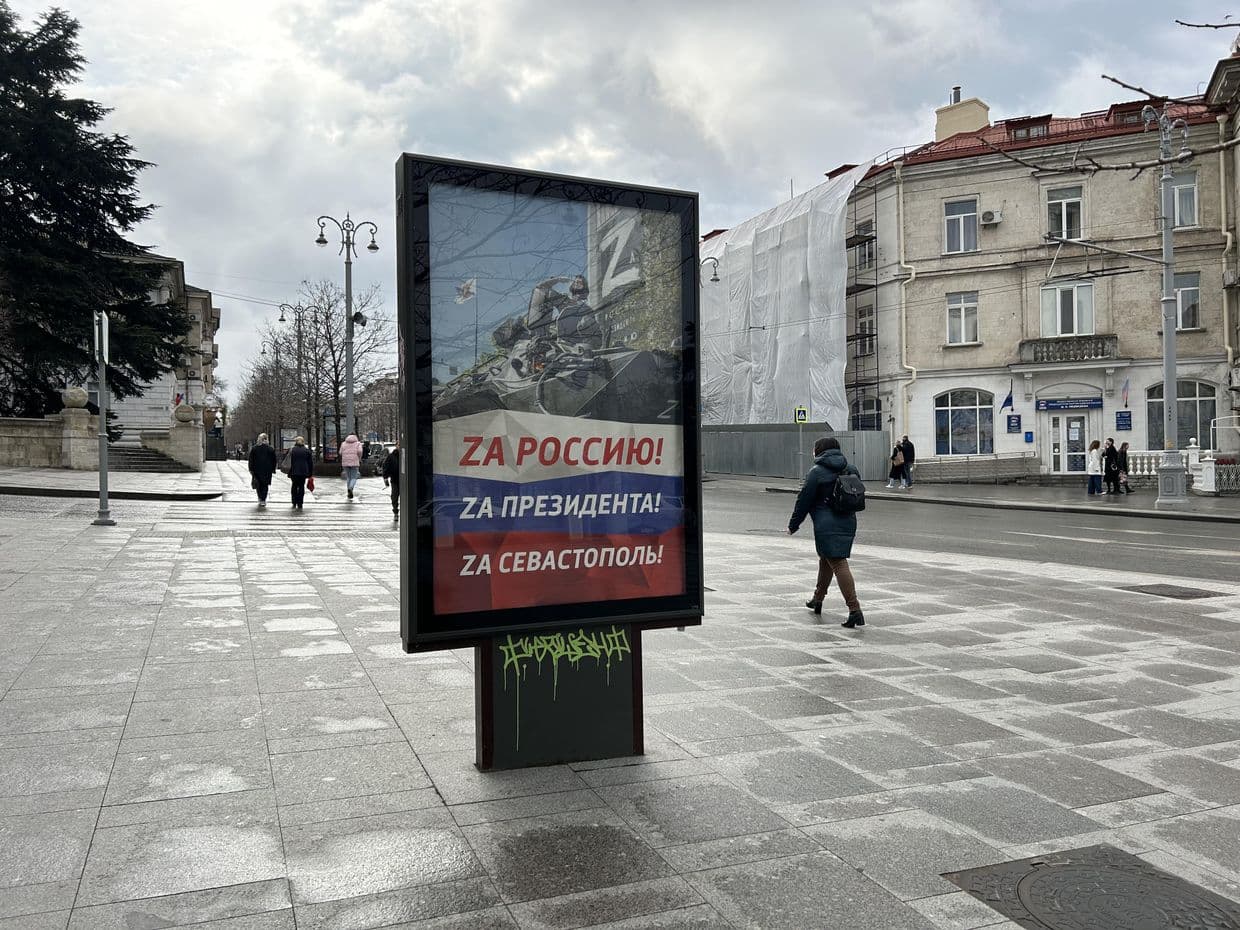
Russian-installed authorities in Crimea announced a regional state of emergency on June 26 as Ukraine ramped up its long-range drone strike campaign on its occupied peninsula.
"The decision was made primarily to resolve issues of an economic nature," the Russian proxy leader in Sevastopol, Mikhail Razvozhayev, said in his June 26 Telegram statement.
"The legal regime of the state of emergency makes it possible to resolve issues of stable functioning of all spheres on which people's livelihoods depend as quickly as possible."
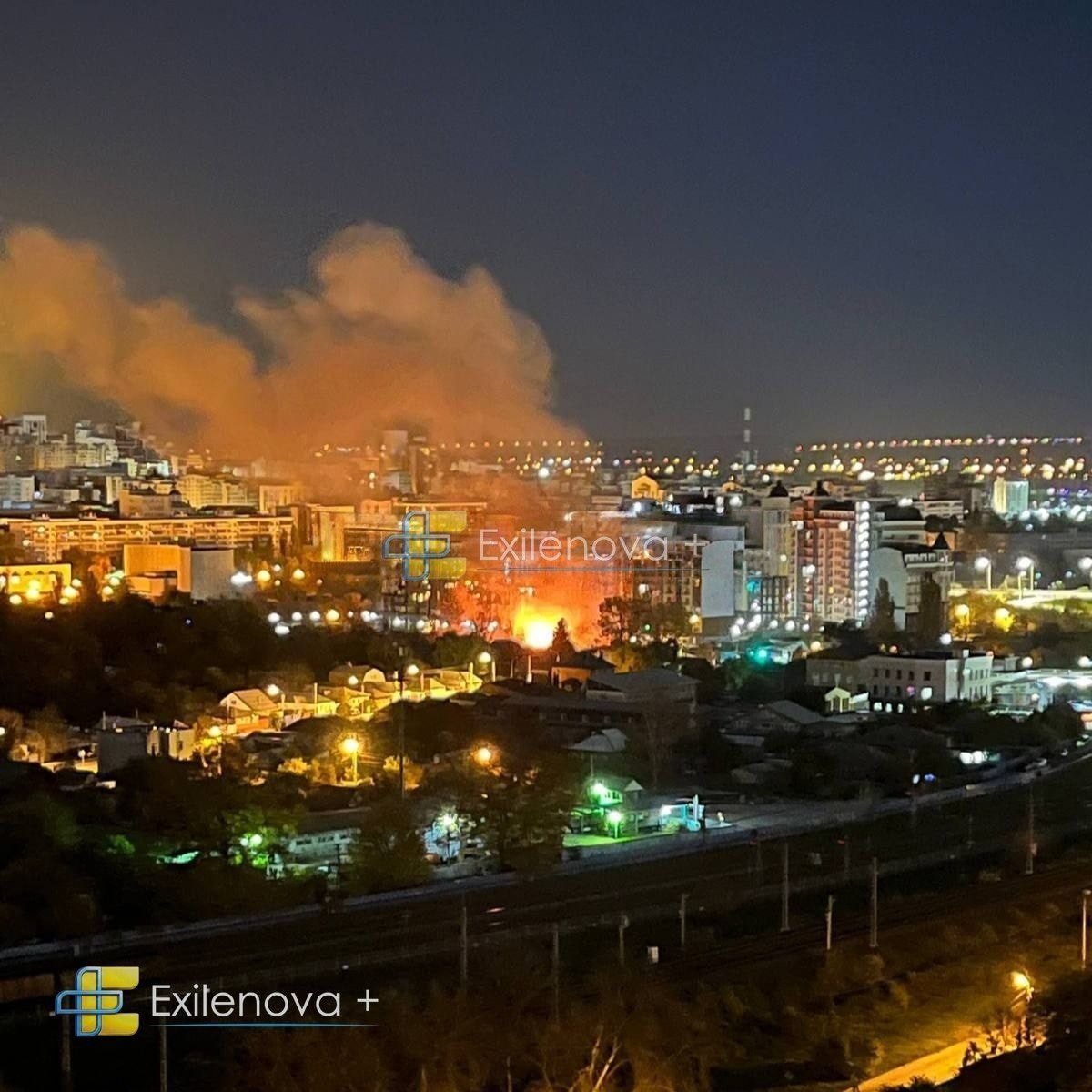
The measure comes a few days after large-scale Ukrainian drone strikes that hit a railway bridge across the North Crimean Canal, fuel facilities, and military infrastructure across occupied Crimea.
Widespread power outages in Crimea have left approximately half of the peninsula without electricity, occupation authority spokesperson Oleg Kryuchkov reported on June 23.
The attacks are part of Ukraine's broader effort to disrupt Russian military logistics in occupied Crimea, which has intensified in recent weeks. It is difficult to independently analyze the effect of the strikes on the Russian army's operations in southern Ukraine.
Moscow's declaration of a regional state of emergency is perhaps "the most significant demonstration yet of the effectiveness of Ukraine's extensive and systematic drone strikes" on strategic targets in Russia and across the Russian-occupied territories, according to Jenny Mathers, a senior lecturer in international politics at the U.K.'s Aberystwyth University.
"That strategy undermines Putin's attempts to shield most Russians — including those who have flocked to occupied Crimea as tourists or residents — from the impact of the war," Mathers told the Kyiv Independent.
"It also reveals the emptiness of Putin's claims that Russia is winning the war."
Razvozhayev said the decision on the state of emergency was made with Sergey Aksyonov, the Russian-installed governor of occupied Crimea. Razvozhayev said the energy supply situation in Crimea remains "difficult" and that the repair work is ongoing to completely restore power in Sevastopol in the coming days.
"It's clear Ukraine's mid-range strike campaign is causing significant problems for Russia, as evidenced by the thousands of people fleeing the peninsula," John Hardie, deputy director of the Russia Program at the Foundation for Defense of Democracies, told the Kyiv Independent.
"The Russians will, of course, seek to adapt to these strikes, but so far it seems they don't have a good answer."
Before Russia's illegal annexation and occupation of Crimea in 2014, the peninsula relied on mainland Ukraine for over 80% of its electricity. Russia constructed and modernized multiple thermal power plants to enable Crimean energy independence — but these facilities remain vulnerable to Ukrainian drones.
A wave of Ukrainian medium-range strikes has targeted Crimea in recent weeks. Kyiv aims to turn the peninsula "into an island" by striking Russian supply chains to isolate Crimea from mainland Russia, Defense Minister Mykhailo Fedorov said on June 17.