Russia

Russia ends seasonal draft model, moves to year-round conscription from 2026

2 min read
Russia ends seasonal draft model, moves to year-round conscription from 2026
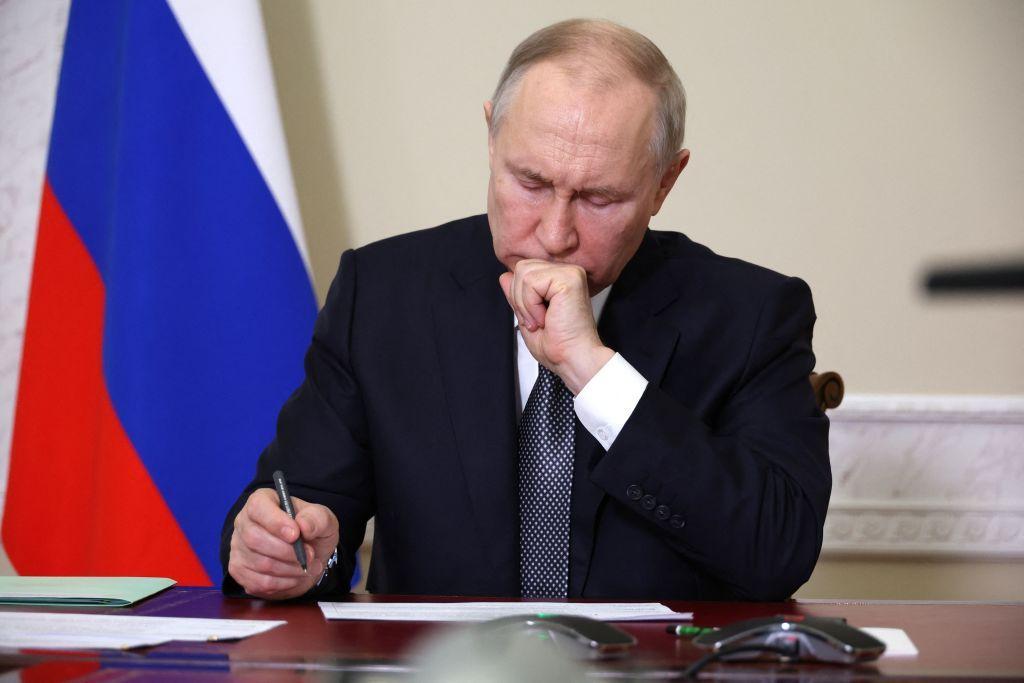
Russian President Vladimir Putin chairs a government meeting from Saint Petersburg on May 2, 2023. (Mikhail Klimentyev / AFP via Getty Images)

Russian President Vladimir Putin signed a law on year-round conscription into the army on Nov. 4, according to Russia's legal acts portal.

The move marks a significant shift from Russia's long-standing conscription model, which relied on two annual draft cycles. Young men were drafted twice a year for one year of compulsory service.

While conscripts are officially barred from being deployed abroad, reports indicate that many are pressured into signing contracts with Russia's Defense Ministry and sent to fight in Ukraine.

New conscripts will still be sent to the army during the traditional spring and autumn draft windows — from April 1 to July 15 and from Oct. 1 to Dec. 31 — but draft boards and medical commissions at military enlistment offices will now operate year-round.

The reform is meant to ease pressure on military commissariats, according to Andrei Kartapolov, chairman of the parliament's Defense Committee and the bill's author.

In Russia, contract soldiers are troops who sign service agreements and form the backbone of the military, while mobilized soldiers are civilians called up to reinforce forces during wartime.

Putin's 2022 mobilization, the first in Russia since World War II and prompted by setbacks on front lines, triggered protests inside the country and prompted over 261,000 Russians to flee abroad.

While the Kremlin later declared mobilization "completed," no presidential decree officially ended it.

Instead of launching a new draft, the Kremlin has leaned on financial incentives and recruitment campaigns, offering lucrative contracts to volunteers willing to fight in Ukraine.
Avatar
Tim Zadorozhnyy

Reporter

Tim Zadorozhnyy is a reporter at the Kyiv Independent covering foreign policy, U.S.-Ukraine relations, and political developments across Europe and Russia. He studied International Relations and European Studies at Lazarski University and Coventry University. Tim began his journalism career in Odesa in 2022 as a reporter for a local television channel. He later spent a year and a half at the Belarusian independent media outlet NEXTA, first as a news anchor and later as a managing editor. He is fluent in English, Ukrainian, and Russian.

Read more
News Feed

During a meeting with Energy Minister Denys Shmyhal on July 12, President Volodymyr Zelensky stressed the need to take additional "more decisive" steps to protect Ukraine's energy infrastructure and emphasized the importance of robust winter preparedness plans for communities and regions.

 (Updated:  )

Yulia Svyrydenko, who replaced former Prime Minister Denys Shmyhal in July 2025, will now take on a new role leading cooperation with Ukraine’s key partners, Zelensky announced on social media.

Video

Once promoted by the Kremlin as a symbol of Russia’s resurgence and a premier tourist destination, the peninsula now faces mounting pressure from Ukrainian drone strikes targeting military infrastructure, logistics, and supply routes.

President Volodymyr Zelensky said on July 11 that he is preparing changes to Ukraine’s “diplomatic efforts” to accelerate weapons deliveries from allies, as Ukraine's stockpile of Patriot air defense missiles has run dry.

Show More