First responder killed in Russia's 'double-tap' strike on Dnipro
 on Google
A first responder was among the 16 killed in the central-eastern city of Dnipro during Russia's massive overnight aerial attack across Ukraine, sustaining fatal injuries while trying to save lives, the State Emergency Service reported on June 2.
The first responder, Anton Yarmolenko, was a major of the civilian protection service and the deputy chief of the resource provision unit of the 8th State Fire and Rescue Detachment in the regional State Emergency Service, according to the agency.
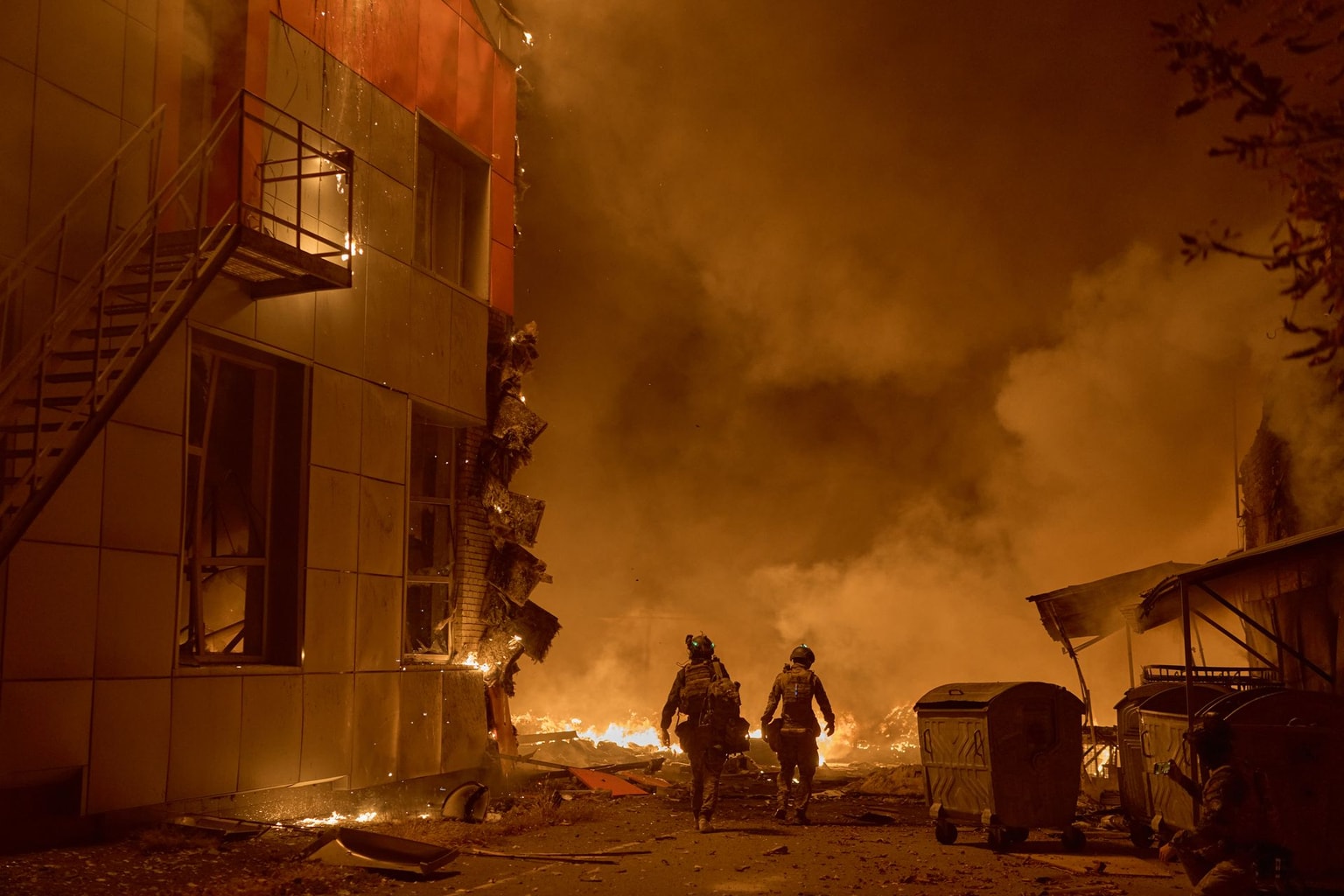
Yarmolenko was killed after arriving at one of the attack sites in Dnipro to help the victims and sustaining fatal injuries in Russia's "treacherous follow-up strike," the State Emergency Service said.
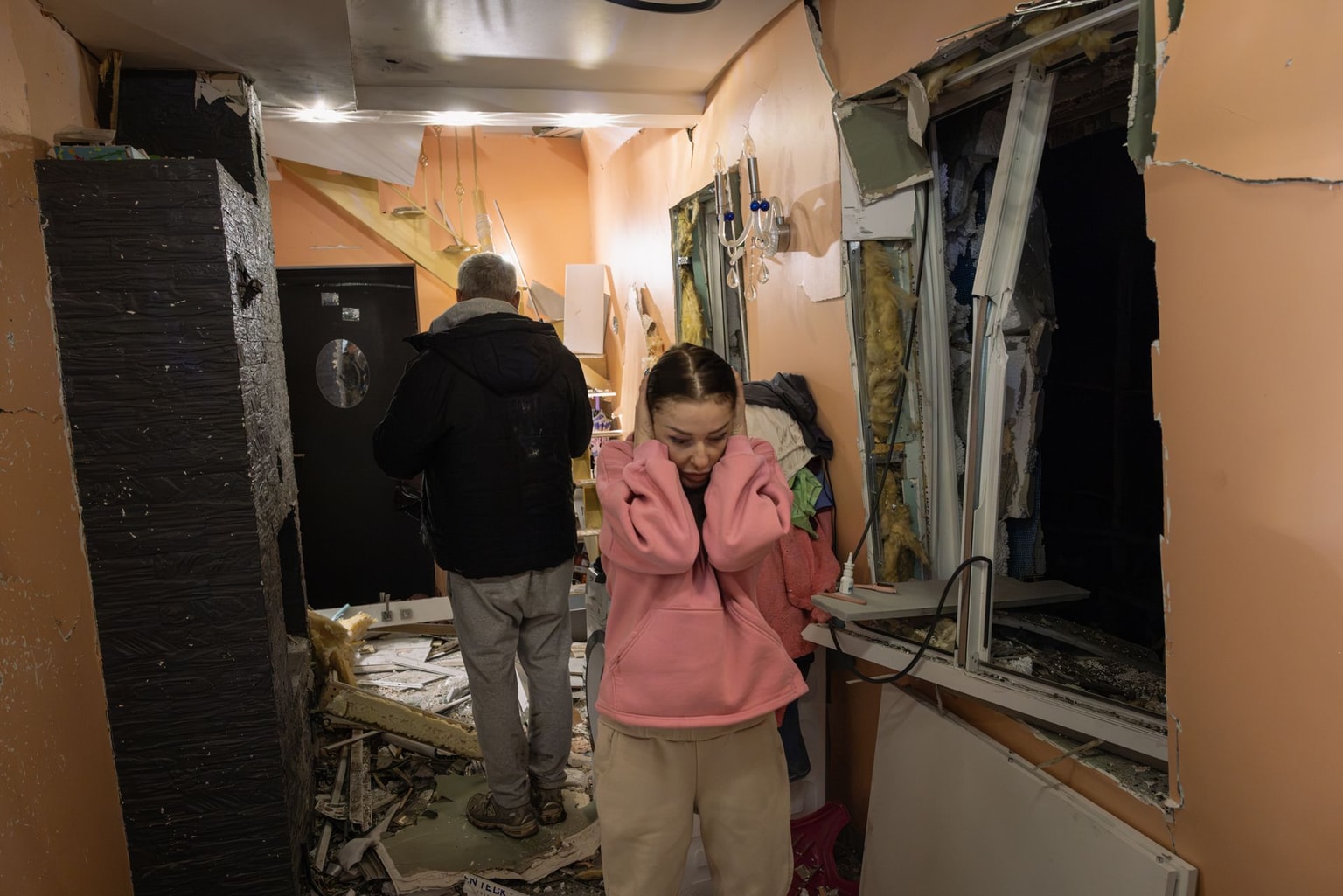
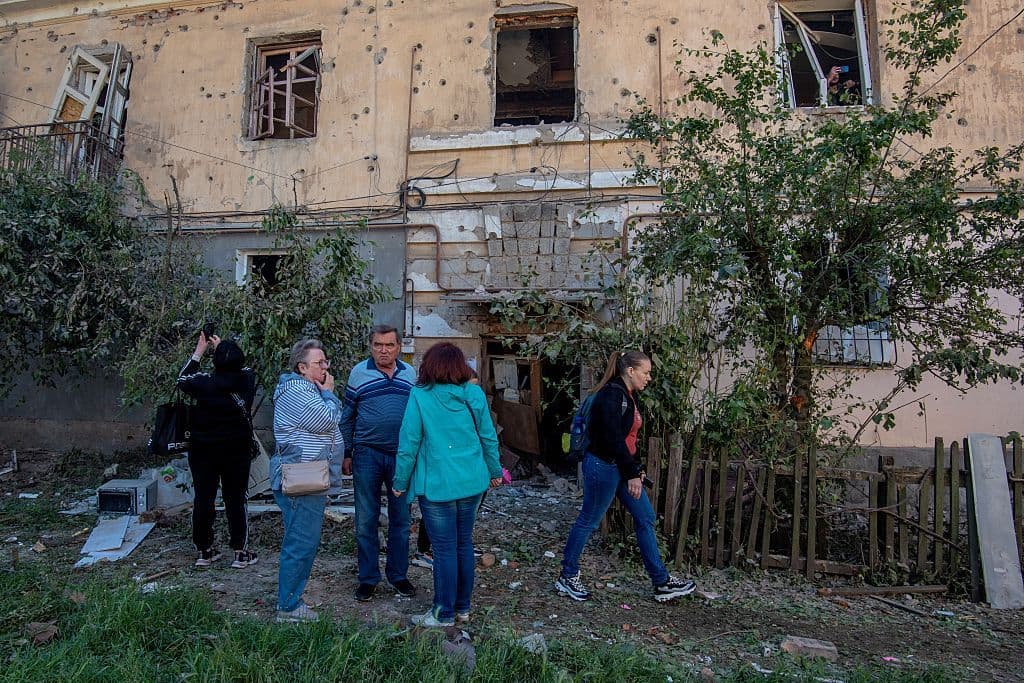
The hardest-hit site in Dnipro was a partially destroyed four-story apartment building, where the rescue operation still continues. The death toll in Dnipro rose to 16 by around 5 p.m. local time, with two children, one born in 2023 and the other an 8-year-old boy, among the bodies pulled out from the rubble.
"It is hard to find the right words when people like this die," the agency cited its head, Andrii Danyk, as saying in a Telegram post, mourning the death of "a reliable friend, a true professional, and a man with a big heart."
"People who did not hide from danger, but instead rushed toward it to save someone's life."

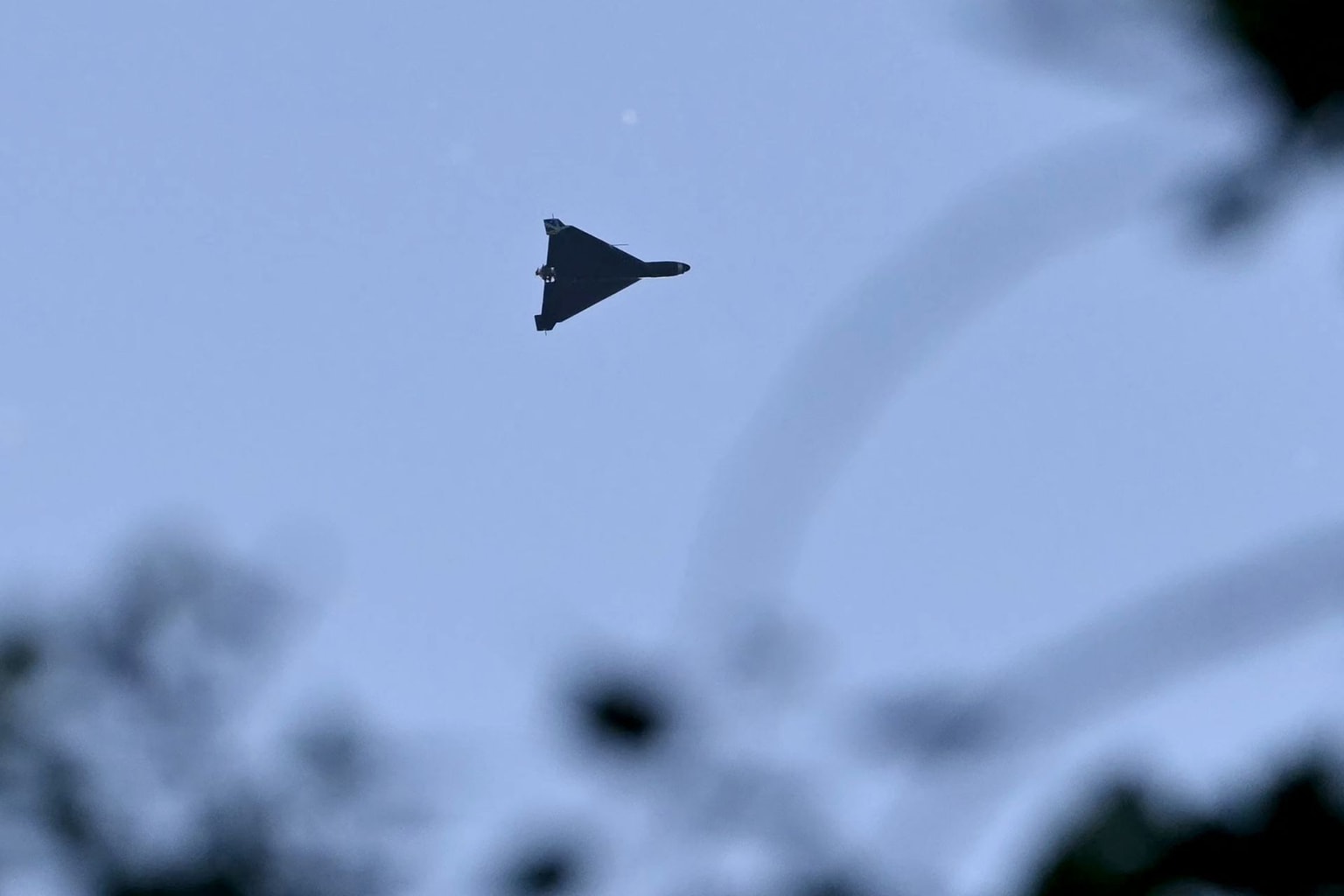
Russia launched one of the largest aerial attacks of the full-scale war overnight on June 2, targeting various Ukrainian cities, including Kyiv, Dnipro, and Kharkiv, with missiles and drones. Across the country, at least 20 people have been killed and more than 100 others injured, officials said.
In Dnipro, Mayor Borys Filatov claimed that Russia had used cluster munitions in the latest attack on Dnipro to "deliberately" try to cause more casualties among civilians, police, rescue workers, and utility crews. Cluster munitions, which are widely banned under international humanitarian law, scatter small explosive bomblets across a wide area. Some may fail to explode immediately, posing a continued danger to civilians.
The latest death of a first responder comes as Russia continues to launch a second strike, often either by a missile or a drone, at the same attack site, in what appears to be a strategy to target those who come trying to save the wounded and slow down the rescue operation. Russian "double-tap" attacks have made it dangerous for first responders to work at the attack sites, searching for victims under the rubble, especially in cities or towns near the front.
"Double-tap" attacks are generally considered illegal under international humanitarian law if they deliberately target non-combatants, including rescue workers.
Truth Hounds, a human rights organization that documents and investigates war crimes, said in a May report that the evidence it collected throughout the war "suggests a sustained pattern, not a series of isolated accidents or incidental battlefield harm."
From Feb. 24, 2022, to Oct. 31, 2025, Truth Hounds reported 401 cases in which Russian repeat attacks have either killed our wounded first responders, damaged fire stations or emergency vehicles, or temporarily halted the rescue operation. Over the same period, the Russian "double tap" attacks have killed 43 first responders and injured 258, according to its report.