American media should make sure not to become another missile in Russia's hands to strike Ukraine
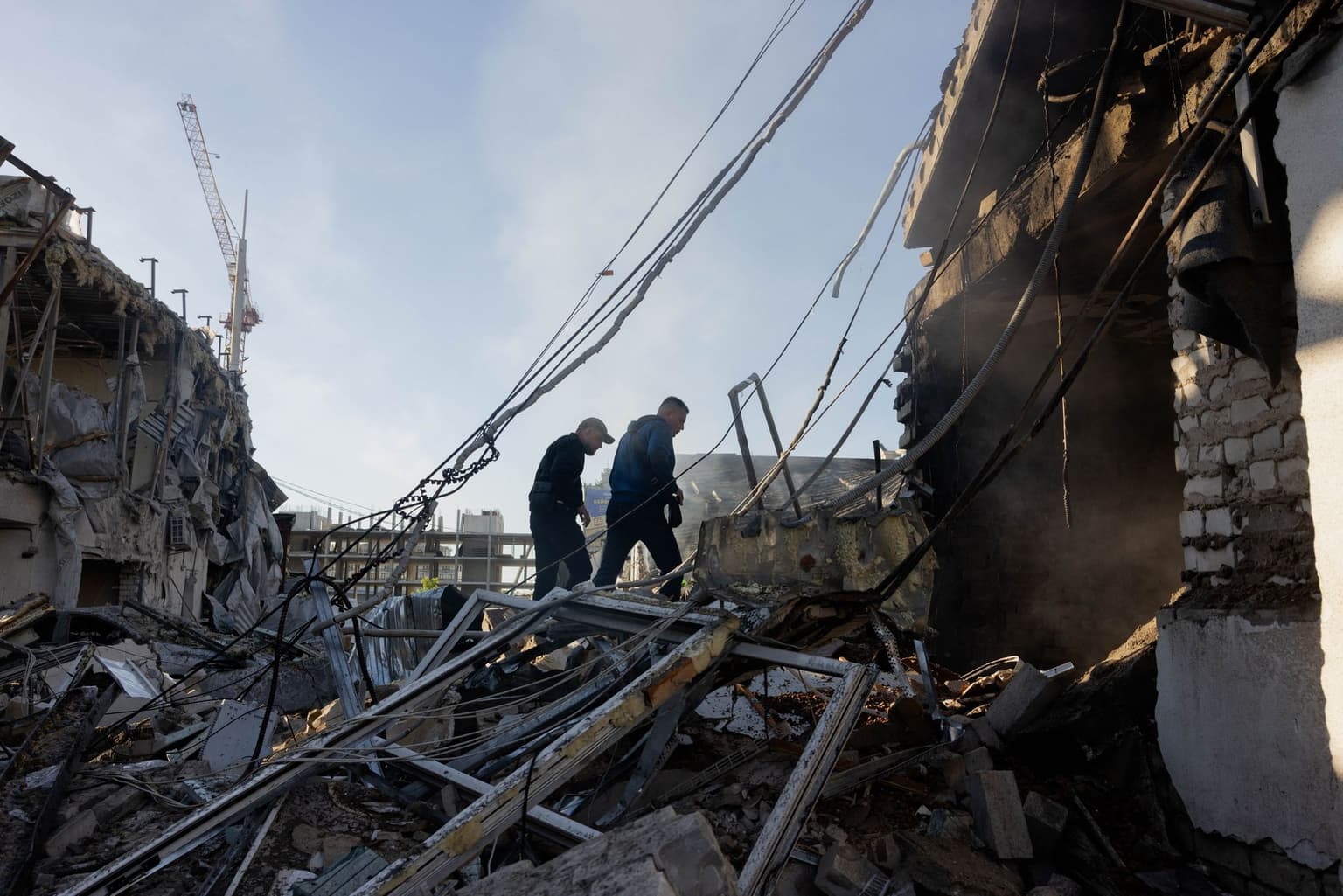
Local residents walk near a damaged car dealership following Russian missile and drone strikes in Kyiv, Ukraine, on June 2, 2026. (Tetiana Dzhafarova / AFP / Getty Images)
 on Google
Kateryna Lisunova
Media Advisor at Razom for Ukraine
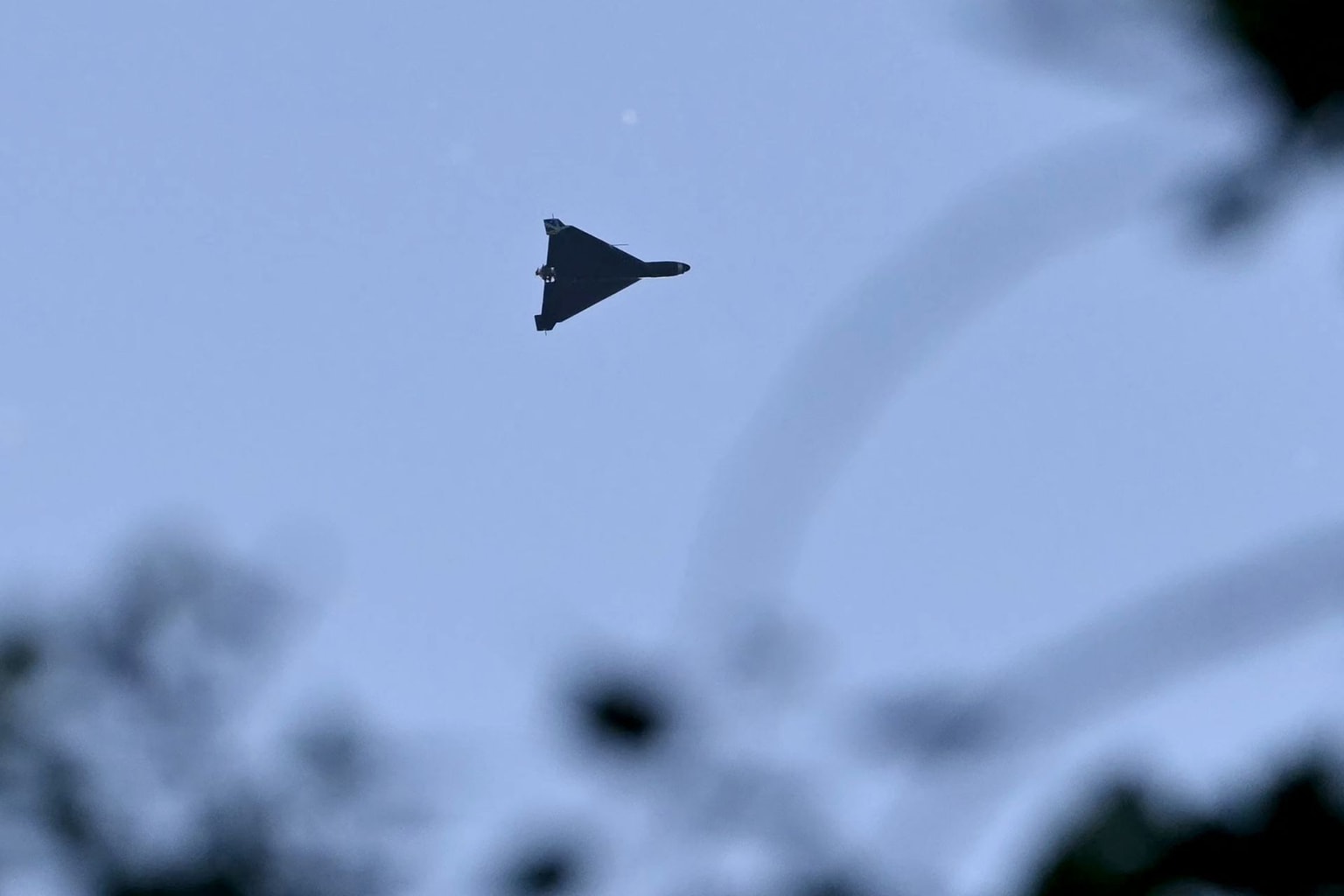
Russia has no right to call its ballistic missile attacks on Ukraine "retaliatory strikes" in a war that it started.
There is only one side that has the right to retaliate: the side that was attacked. By launching a large-scale war against Ukraine, Moscow effectively made itself a legitimate target for Kyiv's forces. The attacked side has the right to defend and protect itself, its territory, and its people.
Yet many American media outlets, after five years of Russia's brutal full-scale invasion and 12 years of war overall, have suddenly started describing Russia's rather routine strikes on Ukraine as "retaliatory actions" for the impacts in the Moscow region or oil facilities across Russia.
Overall, there are two types of stories in the media: those that happen and require you to search for the article, and those that are placed on the front page, turned into headlines, and discussed on radio and television as one of the top three to five stories of the day.
For some time now, Russian strikes on Ukraine have largely fallen into the first category in the United States. If you search for information about them, you will certainly find it. However, these stories are rarely presented prominently or deliberately suggested to audiences.
While it is true that people can become accustomed to even the most horrific events — and, tragically, many Ukrainians have had to adapt to living under constant attacks — journalists should not treat these strikes as the new normal, simply accepting them as part of everyday life.
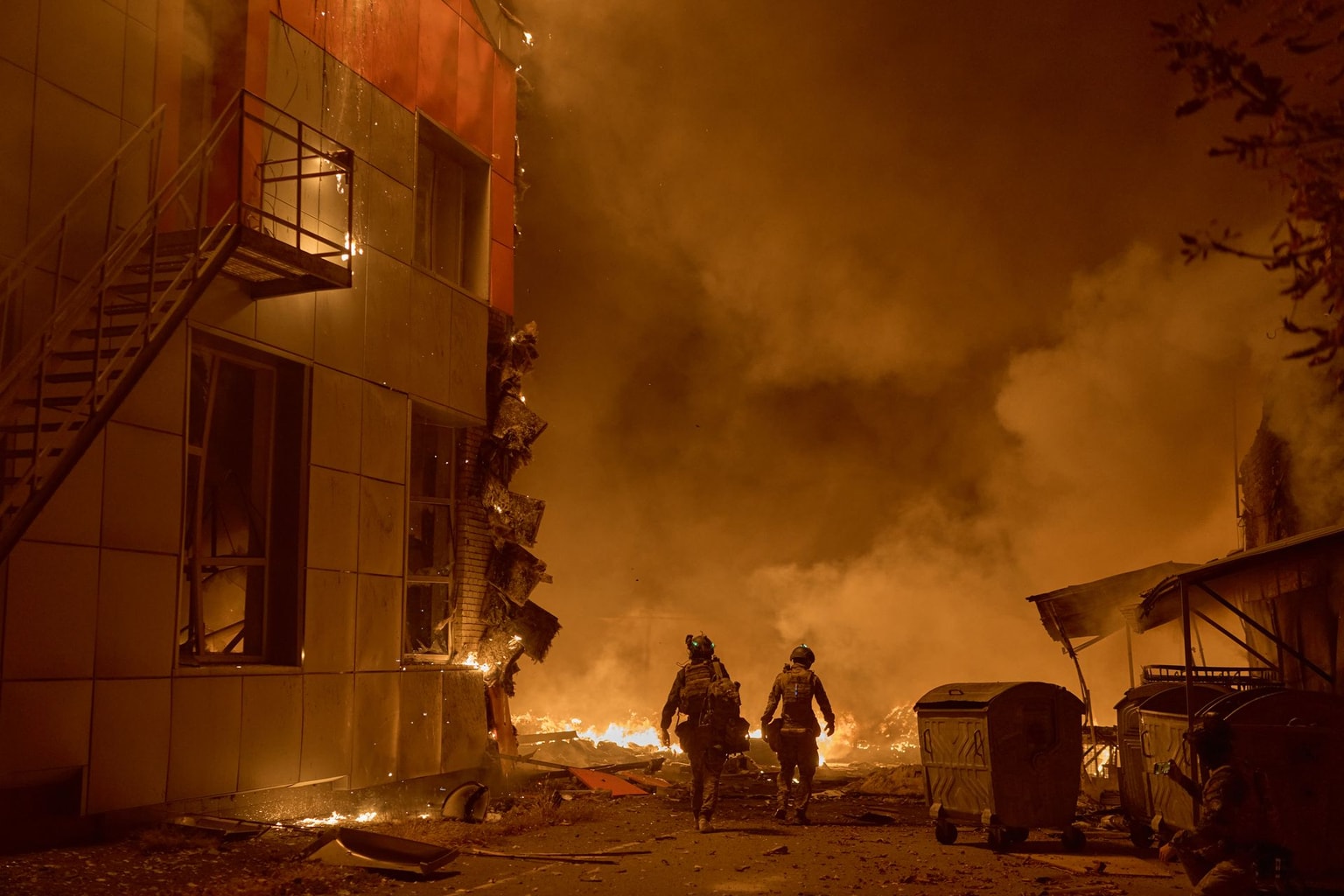
One of the most vivid examples occurred on Thursday night, May 14. The attack led to the collapse of a nine-story apartment building. The strike destroyed 18 apartments, killed 24 people (including three children), and injured 48 others. It was a truly horrific night.
Videos of the collapsed building were shocking. It was one of the deadliest nights Kyiv has experienced in a long time.

Despite the severity of the May 14th attack, coverage in American media was very limited, and it never became breaking news.
Unlike the defensive and retaliatory strikes in the Moscow region by Ukrainian forces, which took place a few days later on May 17th, these events received immediate reactions and coverage — even on a Sunday, when it is typically considered a slow news day and many newsrooms are understaffed.
"Ukraine conducts large-scale drone strikes on Russia, killing 4 and wounding 12 others," states the NPR headline.
"'A Total Nightmare': Voices From a Moscow Hit by Ukrainian Drones. Residents who experienced attacks in recent days were shaken deeply by the conflict coming home to the capital region, the seat of the Kremlin's power," reads The New York Times headline.
"Ukrainian drones hit Moscow and the surrounding area, killing 3," reports The Washington Post.
Admittedly, it is shocking for many people around the world to see that Moscow, which once claimed it could capture Kyiv in four days, now appears vulnerable to Ukrainian long-range drone technology and missile strikes, something that would have been difficult to imagine just five years ago.
However, from both a moral and professional standpoint, this should not be prioritized in overall coverage to the extent that it creates an unbalanced picture — as if Ukraine is the primary aggressor targeting Russia, rather than a country defending itself against an ongoing invasion.
Then, on May 24, Russians launched even larger strikes, deliberately using an intermediate-range hypersonic ballistic missile, Oreshnik, against civilians in the city of Bila Tserkva, about 50 miles south of Kyiv. It was the third time they had used it in Ukraine.
Previously, Russia used the Oreshnik on Nov. 21, 2024, striking the central Ukrainian city of Dnipro, and on Jan. 9, 2026, striking Lviv Oblast in western Ukraine. The Oreshnik is a Russian intermediate-range, nuclear-capable hypersonic ballistic missile. According to specialists, however, without a nuclear payload, it causes less damage on the ground and serves primarily as an intimidation tool.
This attack was covered much more broadly by the American media, though it was predominantly described as a "retaliatory strike," as if Russia were protecting itself and its actions were justified.
"Putin ordered Russia's military to retaliate after blaming Ukraine for a drone strike on Friday on a college in the town of Starobilsk in Russian-occupied eastern Ukraine," writes NPR. In many cases, these descriptions are based on official Russian statements. But it is not the media's role to parrot Russian propaganda.
Coming just before Memorial Day in the United States, Russia's attack on Ukraine with the nuclear-capable hypersonic ballistic missile Oreshnik did not receive any public official reaction from the American side.
Symbolically, this federal holiday should remind American officials of the sacrifices that servicemen and women make to protect their homeland from exactly the kind of aggression Russia is carrying out in Ukraine today.


Unlike the United States, other Western countries, predominantly in Europe, publicly condemned this latest Russian escalation. Their statements came as Moscow intensified its rhetoric and intimidation efforts, including calls for foreign embassies to leave Kyiv.
Facing significant losses on the battlefield and exposed to Ukrainian defenses, Russia is changing its strategy to attack more civilian targets in the rear with ballistic missiles, one of the weaker points in Ukraine's defenses, as the country is relying on U.S. support for anti-ballistic missile systems.
For the past few weeks, President Zelensky has emphasized the urgent need for additional anti-ballistic systems and interceptor missiles.
The United States has these crucial capabilities and has agreed to provide them to Ukraine through the PURL program, under which European countries, the EU, and NATO members purchase the necessary military aid. The framework already exists, Zelensky emphasizes, but it needs to move faster because Russia is intensifying its attacks on civilians.
The shortage of anti-ballistic missiles is particularly linked to the war with Iran and the need for these systems in the Middle East, a need Ukrainian diplomats predicted when the new conflict emerged.
On May 27, after many public appeals, the Ukrainian president sent an urgent letter to U.S. President Donald Trump and the U.S. Congress regarding a critical shortage of air defense systems and interceptor missiles.
The same day, during a nearly 90-minute Cabinet meeting with Trump, not a single journalist asked about the urgent letter to the administration. The question has not been publicly addressed up to now.
It is another trend we can observe: increasingly less coverage of the war, reflected in the questions journalists ask the U.S. administration during regular press briefings. There has likewise been relatively limited attention following the lifting of American sanctions on Russian oil.
No problem has ever been solved by ignoring it. On the contrary, by downplaying Russian attacks and repeating Kremlin statements without correction, the media risks emboldening Russia to expand this war not only in Ukraine but also into neighboring countries.
Russia launched another massive strike on Ukraine on June 2, once again using a barrage of ballistic missiles. At this point, at least 13 people have died, including a three-year-old child, and more than 100 people have been injured. Those numbers are expected to rise throughout the day as rescuers continue clearing the rubble.

There are only a few things we can predict for now: Moscow will continue to intensify its missile strikes as long as Ukraine lacks sufficient anti-ballistic capabilities, and it will use every propaganda tool available to justify them.
In the current reality, it is very important for the American media to make sure not to become another weapon in Moscow's hands used to strike Ukraine.
Editor's note: The opinions expressed in the op-ed section are those of the authors and do not purport to reflect the views of the Kyiv Independent.