Polish PM Tusk blames Russian hackers for cyberattacks ahead of presidential election
 on Google
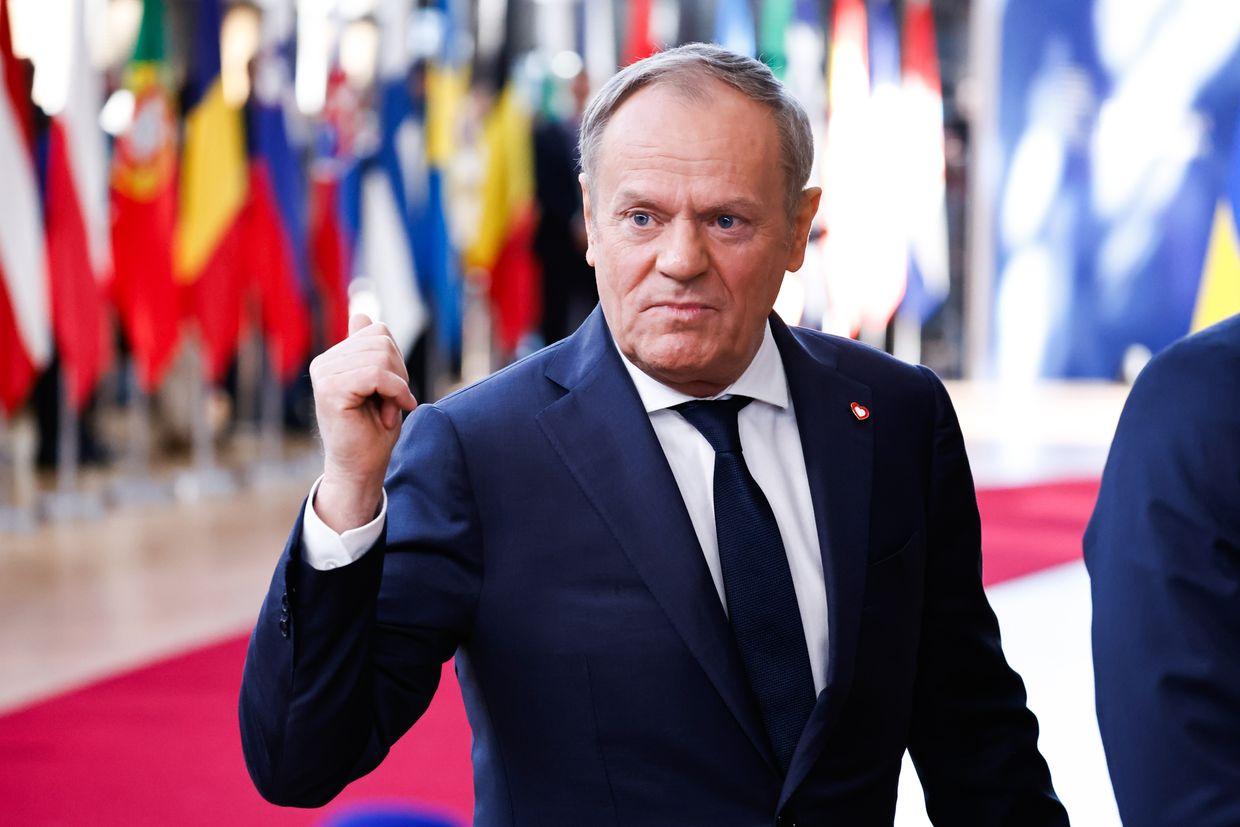
Polish Prime Minister Donald Tusk said that Russian hackers targeted websites of parties in his ruling coalition just two days before the country's presidential election, AP reported on May 16.
Tusk said the cyberattacks hit the website of his Civic Platform party, as well as those of its coalition partners, the Left and the Polish People's Party (PSL).
"Two days before the elections, a group of Russian hackers operating on Telegram attacked the websites of the Civic Platform," Tusk wrote on the social platform X. "Our services are conducting intensive operations. The attack is still on."
The frontrunner in Sunday’s vote is Warsaw Mayor Rafal Trzaskowski, a senior member of Civic Platform.
Polish authorities are also investigating paid political ads on Facebook that a state research institute flagged as possible election interference. The National Research and Academic Computer Network, known by its Polish acronym NASK, said it reported the misleading ads to Meta, which owns Facebook, and that the ads were removed.
"Ad accounts involved in the campaign have spent more on political content than any election committee in the past seven days," NASK said in a statement on May 14, claiming that actions were "intended to ostensibly support one of the candidates and discredit others."
Poland has faced a surge in cyberattacks in recent years. In late 2024, officials reported up to 1,000 daily cyber incidents believed to be carried out by Russian and Belarusian actors. Authorities have linked the attacks to Poland's support for Ukraine amid Russia's full-scale invasion.
In September 2024, the Polish government accused Russia and Belarus of extorting information, blackmailing individuals and institutions, and waging "de facto cyberwar."
Russian hybrid operations in Europe are becoming more frequent and aggressive, especially since the start of Russia’s full-scale invasion, the EBU Investigative Journalism Network reported in January, citing 20 government, military, and intelligence officials from 10 countries.
Ukraine and Europe in March signed a memorandum of understanding to support joint research, innovation, and EU-funded projects in cross-border cybersecurity projects.