Poland should be cautious in promising further Ukraine aid at NATO summit, PM Tusk says
 on Google
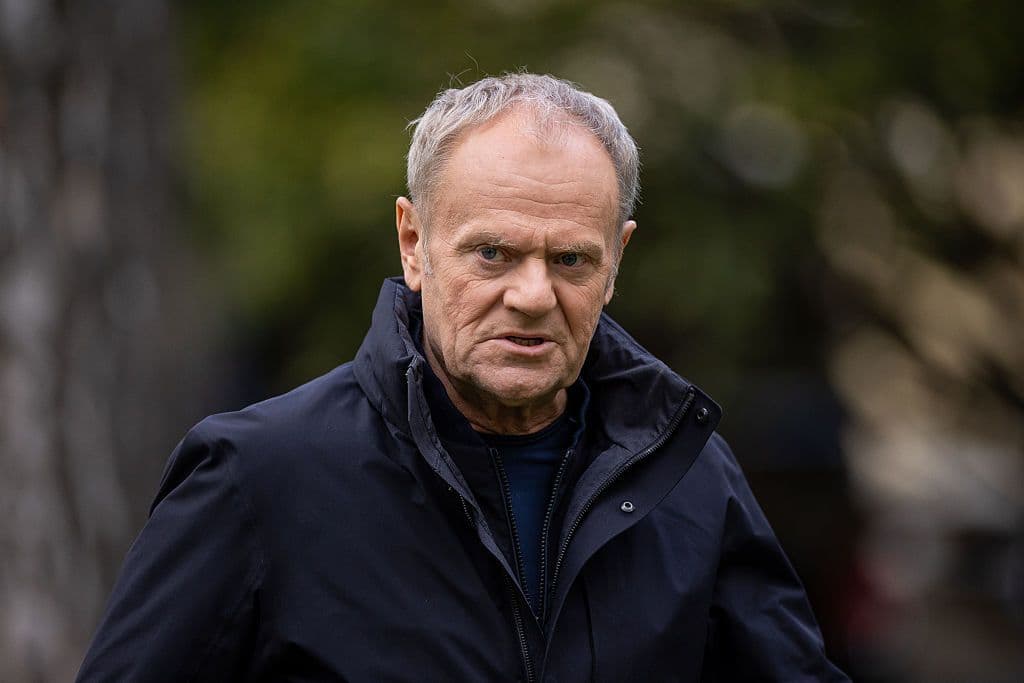
Warsaw should be cautious in pledging additional financial assistance to Kyiv at next week's allied meeting, as Poland bears responsibility for defending the EU's eastern flank, Polish Prime Minister Donald Tusk said on July 3.
The comments come as Poland, a NATO and EU member neighboring Ukraine, takes an increasingly tough line on Kyiv amid an escalating diplomatic row.
"Not because I believe Ukraine does not need financial assistance, but because I believe Poland has very significant responsibilities related to the entire eastern EU border, and everyone must take that into account," Tusk said at a press conference.
"Ukraine is fighting, but Poland carries the main burden of defending the border and needs special consideration."
The Polish government has relayed its position to Polish President Karol Nawrocki, who, alongside other senior officials, will represent the country at the NATO summit in Ankara on July 7-8, Tusk noted.
The allies are expected to pledge 70 billion euros ($80 billion) in aid for Ukraine in 2026 and 2027. The total includes no new commitments, instead combining NATO's existing annual pledge with funding provided through an EU loan, Bloomberg reported.
Commenting on the recent Polish-Ukrainian tensions, Tusk said he received signals that Kyiv seeks an honest conversation about the past rather than escalation. He also stressed that a good bilateral relationship requires "goodwill on Kyiv's part," rather than only "Warsaw demonstrating goodwill all the time."
The comments come as Ukrainian Foreign Minister Andrii Sybiha meets his Polish counterpart, Radoslaw Sikorski, in Warsaw to contain the fallout from the latest diplomatic spat that culminated with Nawrocki revoking President Volodymyr Zelensky's Order of the White Eagle.
The rift was sparked by Kyiv naming a Ukrainian military unit after the Ukrainian Insurgent Army (UPA), an organization that fought for Ukraine's independence during World War II.
The group is remembered in Poland for the Volyn massacres, in which tens of thousands of Polish civilians were killed. Thousands of Ukrainians were killed in retaliatory attacks, making the massacres one of the most painful chapters in Ukrainian-Polish history.