Sybiha to meet Polish FM in Warsaw on July 3 amid fallout of Ukraine-Poland rift
 on Google
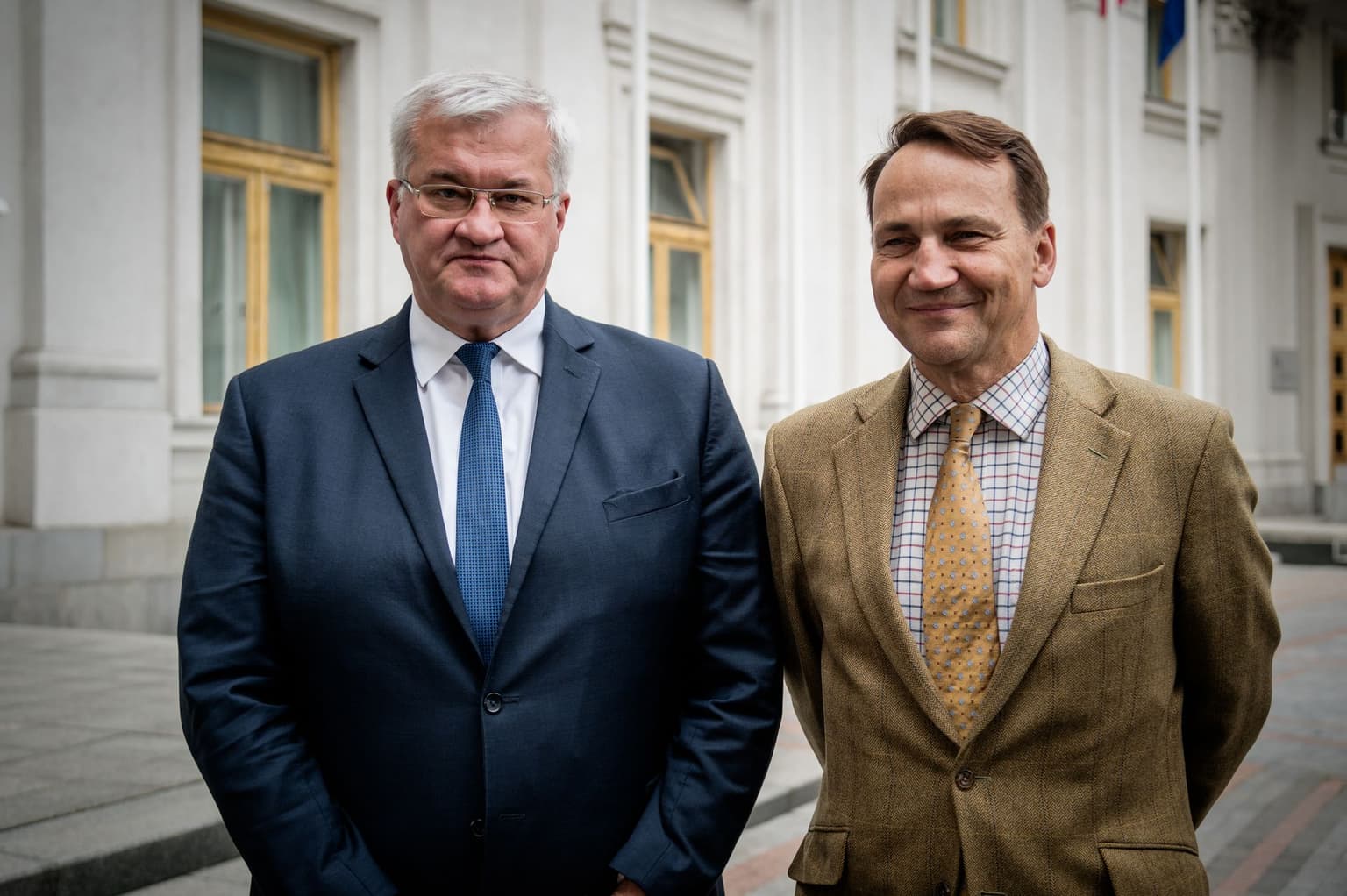
Ukrainian Foreign Minister Andrii Sybiha is set to meet his Polish counterpart Foreign Minister Radoslaw Sikorski on July 3 in Warsaw to discuss Polish-Ukrainian relations, a Polish Foreign Ministry spokesperson announced.
Sybiha's latest visit to the Polish capital comes as officials in both countries attempt to contain the fallout of the recent diplomatic dispute between Warsaw and Kyiv that culminated with Polish President Karol Nawrocki revoking President Volodymyr Zelensky's Order of the White Eagle on June 19.
The incident was in response to Kyiv's decision to rename a Ukrainian military unit after the Ukrainian Insurgent Army (UPA) — a controversial unit which fought for Ukraine's independence during World War II, that is also primarily remembered in Poland for the Volyn massacres, in which tens of thousands of Polish civilians were killed. In Ukraine, however, the Volyn massacres are widely viewed as a two-sided tragedy in which both Poles and Ukrainians were killed.
Several senior Ukrainian officials, including Sybiha, returned Polish state honors in protest of the revocation.
Sikorski, on June 26, called Nawrocki's decision to strip Zelensky of the title an "inappropriate" response "because it humiliated the president of Ukraine personally."
Sikorski argued that Nawrocki's decision deprived him of "the opportunity to conduct dialogue with the president of an important country that is waging a war."
Polish Prime Minister Donald Tusk, a staunch ally of Ukraine, has repeatedly cautioned against further escalation, calling the continued involvement of Polish and Ukrainian politicians in the controversy a "strategic mistake" that would harm both countries while playing into the hand of Moscow.
As part of the ongoing dispute, Ukrainian parliament on July 1 approved creating a memorial for Ukrainian national leaders and heroes, as part of Kyiv's recent initiatives to commemorate 20th century Ukrainian nationalists.
According to sources cited by RBC Ukraine, those commemorated at a National Ukrainian Pathenion are expected to include Yevhen Konovalets, head of the Organization of Ukrainian Nationalists from 1929 to 1938; Mykhailo Omelyanovych-Pavlenko, a top military commander of the Ukrainian People’s Republic from 1918 to 1920, and Vasyl Kuk, head of the Ukrainian Insurgent Army from 1950 to 1954.