Turkey urges halt to Russian, Ukrainian attacks on vessels in Black Sea
 on Google
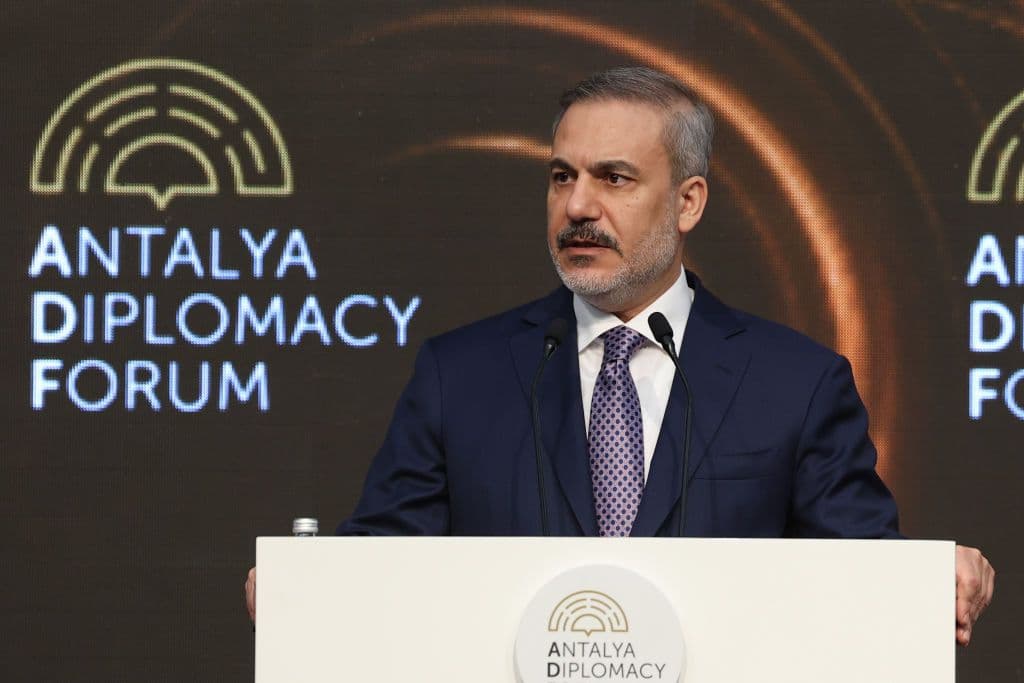
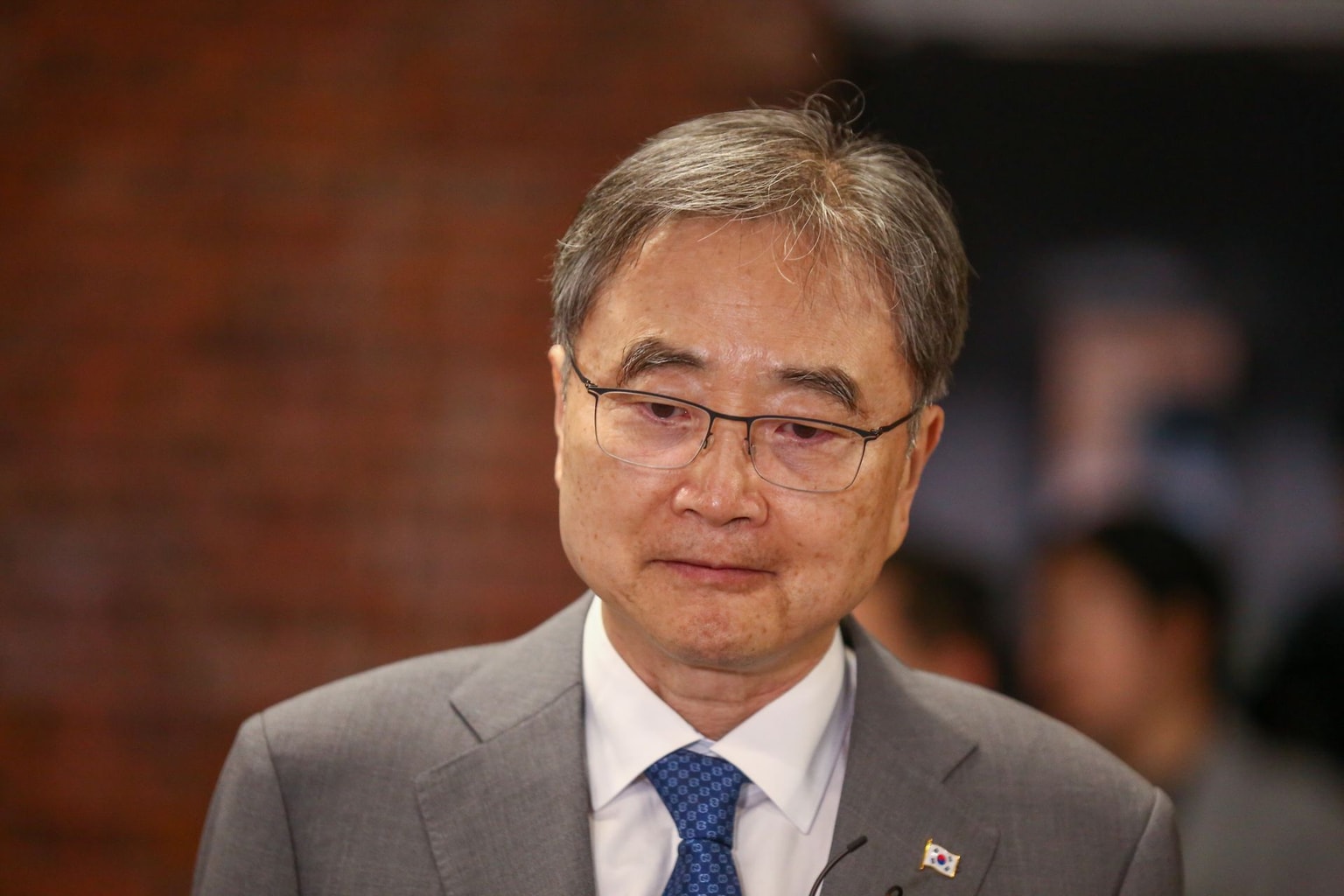
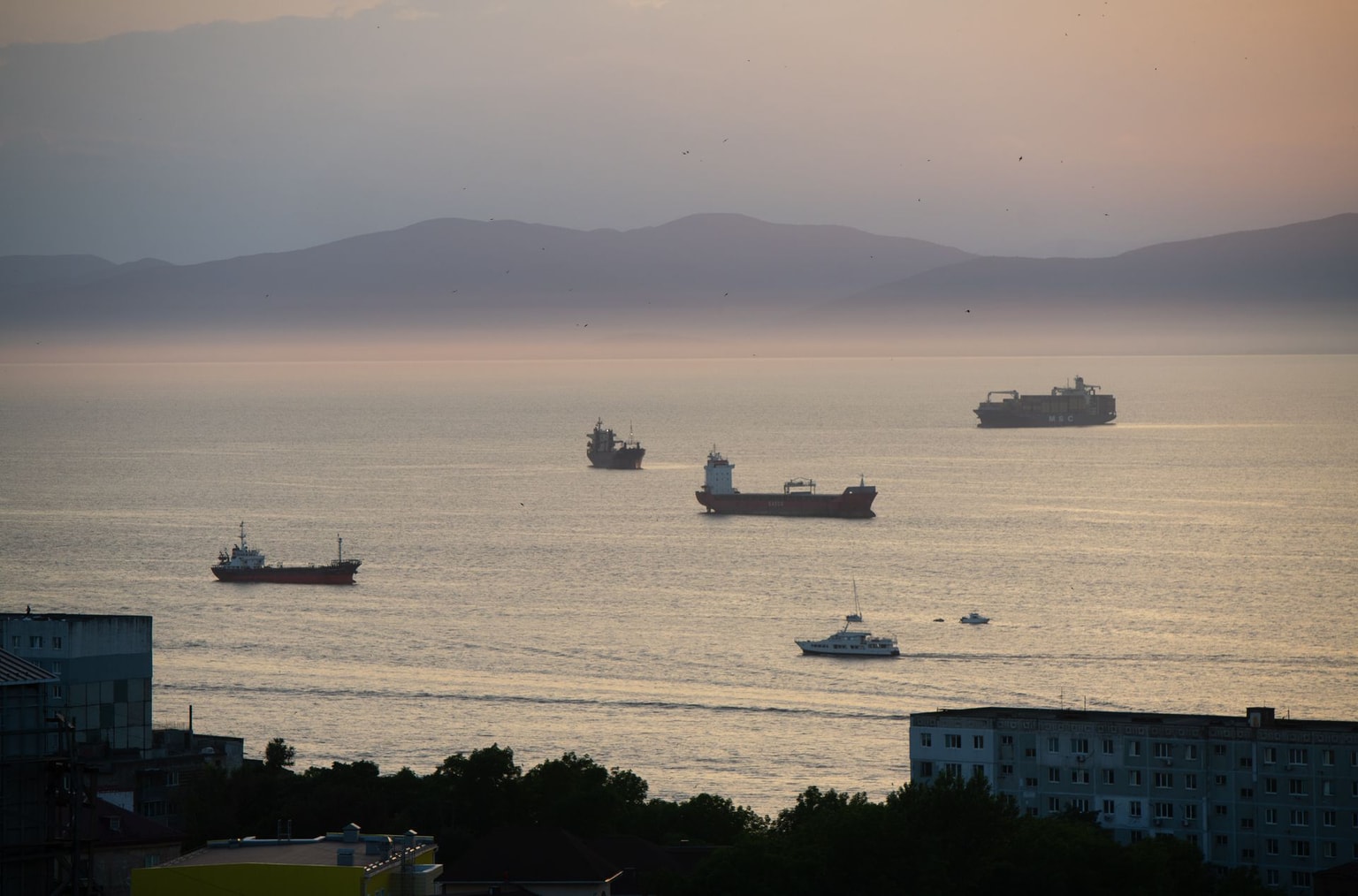
Turkish Foreign Minister Hakan Fidan on Aug. 8 called on Russia and Ukraine to impose a moratorium on attacks on vessels in the Black Sea amid the increasing number of strikes on ships in the region.
"At first, ports and warships were attacked. Now all commercial vessels are being attacked indiscriminately. We need to create a mechanism that would allow us to declare a moratorium," Fidan said in an interview with Anadolu.
"The Ukrainians already had a corresponding proposal. We passed it on to our Russian colleagues and are waiting for a response."
In recent weeks, Ukraine and Russia have increasingly traded blows on vessels in the Black Sea, directly impacting foreign-flagged ships, including those owned and operated in Turkey.
On July 6, Ukraine launched Operation Molochka, a campaign targeting Russia’s shadow fleet in the Black Sea and the Sea of Azov in an effort to tighten the noose around Russian-occupied Crimea peninsula.
Since the start of the operation on July 6, Ukrainian drones have struck 218 Russian shadow fleet vessels, including 134 in the Sea of Azov and 84 in the Black Sea, according to the Unmanned Systems Forces.
In response, Russia has launched attacks primarily targeting civilian cargo ships near the port city of Odesa. The attacks have targeted foreign-flagged ships carrying grain and fertilizers, including Turkish-flagged and Turkish-owned ships.
One attack struck a Turkish-flagged fishing vessels near occupied Crimea, killing one person and injuring four others.
Ukrainian attacks have also targeted vessels as far south in the Black Sea as around 50 miles (80 kilometers) off the coast of northern Turkey.
"The conflict has spread across the whole Black Sea," Fidan added.
Attempts at brokering a ceasefire between Ukraine and Russia in the Black Sea have thus far been unsuccessful.
In March 2025, during early rounds of peace negotiations, the United States claimed it had secured a ceasefire in the Black Sea. While Ukraine agreed to the ceasefire, Moscow said it would only agree to the ceasefire only after Western sanctions on Russian food producers and exporters, were lifted — leaving the ceasefire proposal to quickly whittle away.
President Volodymyr Zelensky hinted on Aug. 8 that Kyiv's forces will continue to strike Russian logistics following the now-concluded "40-day influence operation," which included the operation designed to cripple dozens of Russian tankers supplying occupied Crimea.
Turkey, a NATO member, has positioned itself as a mediator in the Russia-Ukraine war, maintaining a close economic and political partnership with Moscow while also providing arms to Kyiv.
According to U.S. congressional records made public on Aug. 8, Ukraine has purchased a significant package of U.S.-made defense equipment from Turkey, including 70 long-range Army Tactical Missile Systems (ATACMS). The weapons transfer is expected to be initiated in late August.