Iran's Supreme Leader Khamenei killed amid Israel-US strikes
 on Google
Editor's Note: This is a developing story and will be updated as more information becomes available.
Iran's Supreme Leader, Ayatollah Ali Khamenei, has died following Israeli-U.S. strikes, Iranian state media confirmed on March 1, ending hours of conflicting claims and denials surrounding his state.
The state outlets also reported that several members of Khamenei's family — including his daughter and granddaughter, as well as his daughter-in-law and son-in-law — were killed in the strikes.
Other senior officials, including Iranian Defense Minister Aziz Nasirzadeh, chief of staff of Iran's military, Rahim Mousavi, and Ali Shamkhani, the secretary of the Defense Council, were confirmed as killed.
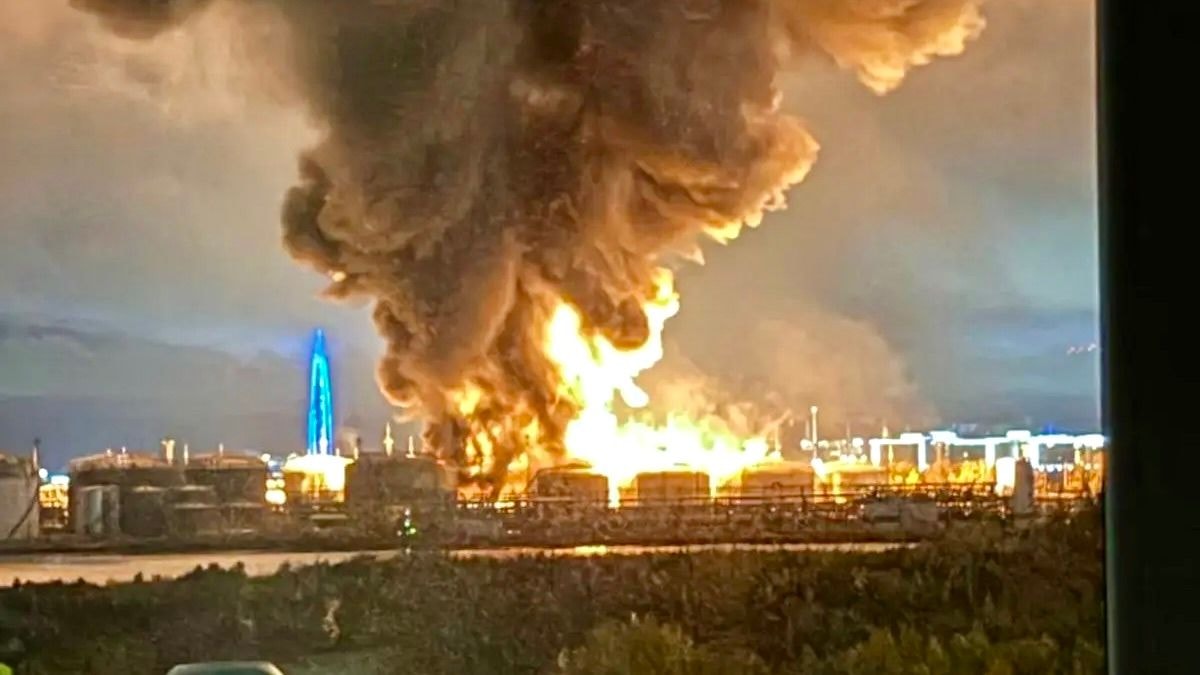
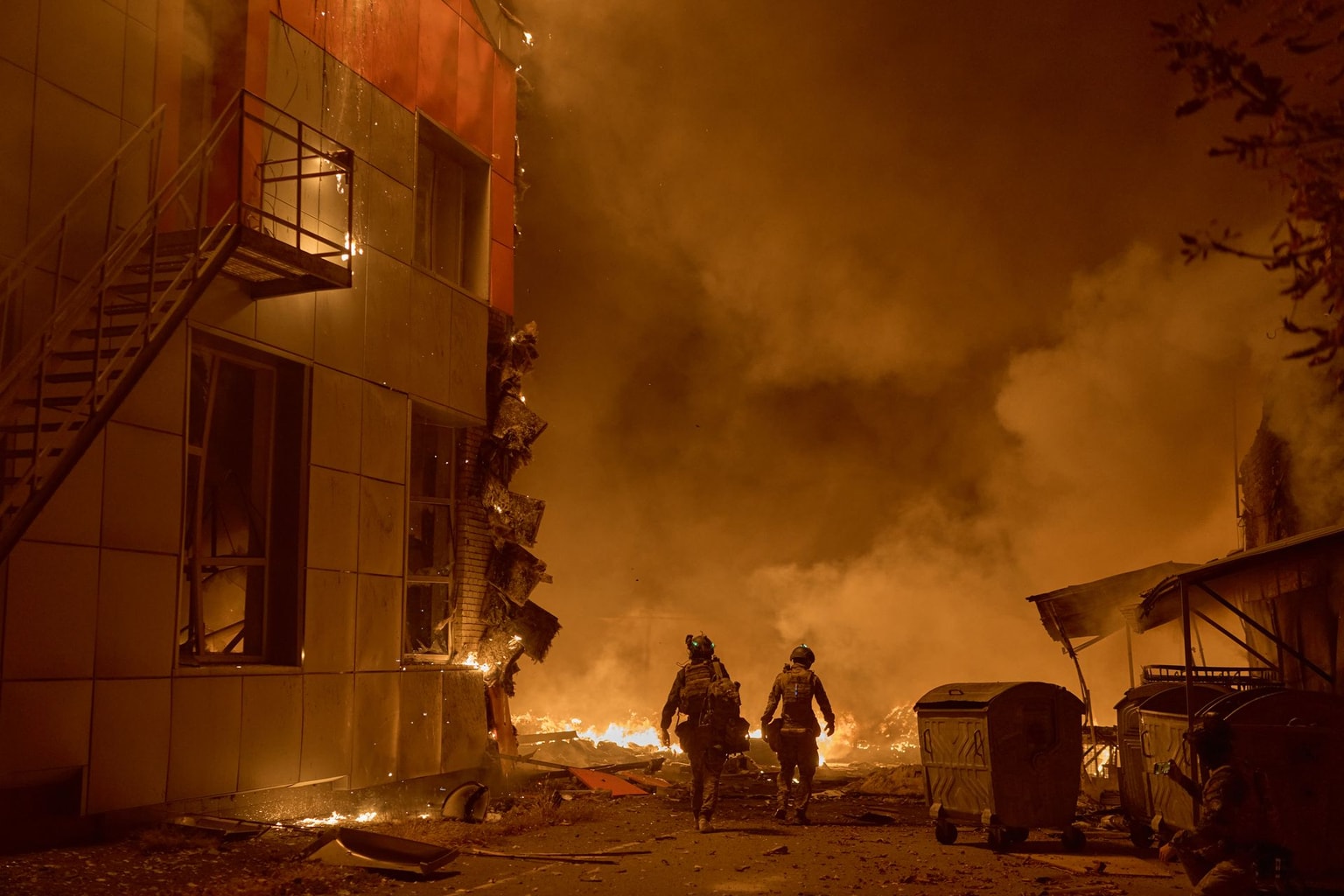
The reported deaths came shortly after the United States and Israel launched coordinated strikes in the early hours of Feb. 28. According to the Israeli military, 40 senior Iranian military commanders were among the fatalities of the opening wave of attacks.
Tehran has vowed revenge for its leader's killing, unleashing retaliatory attacks against Israeli targets and the U.S. military bases in the region.
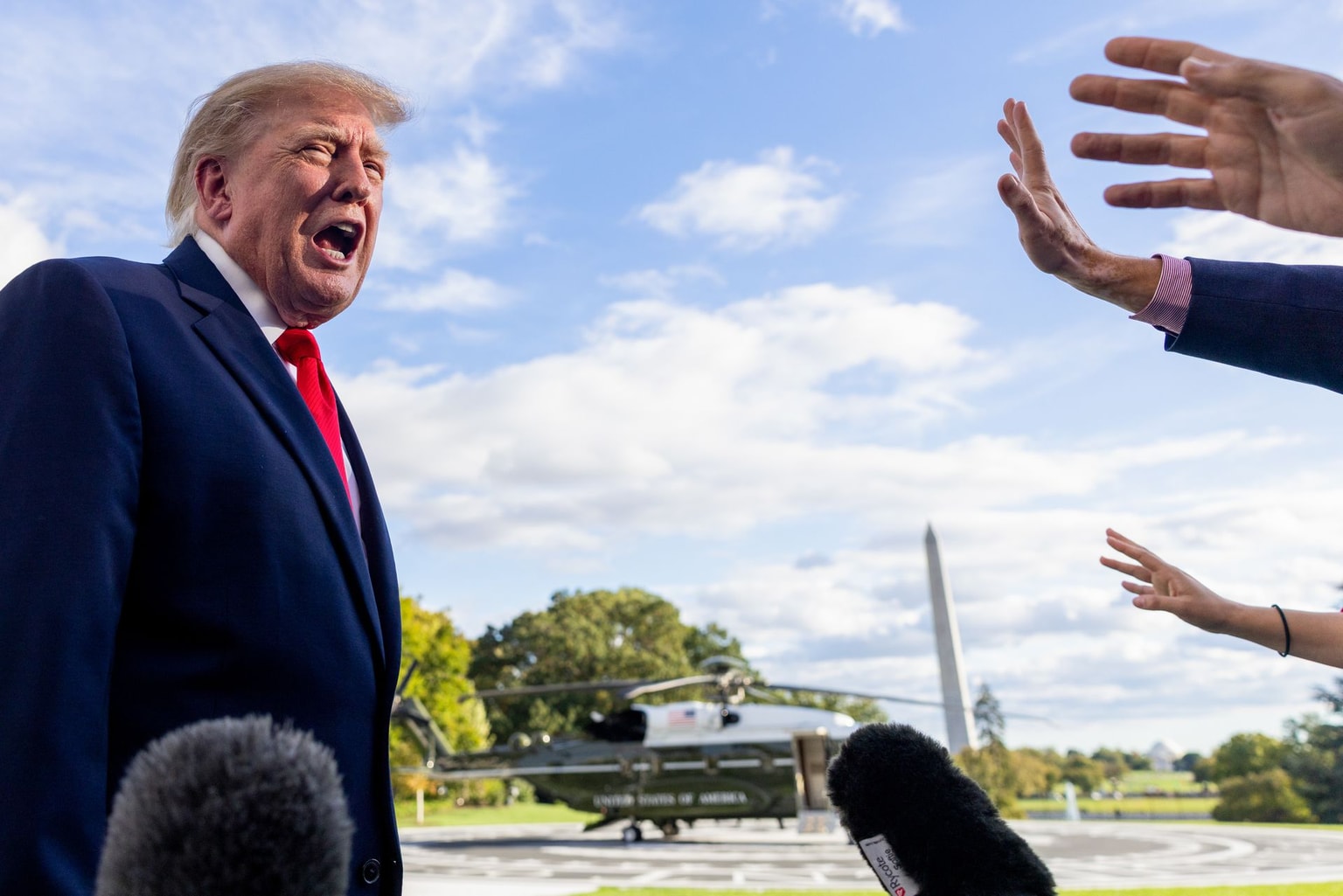
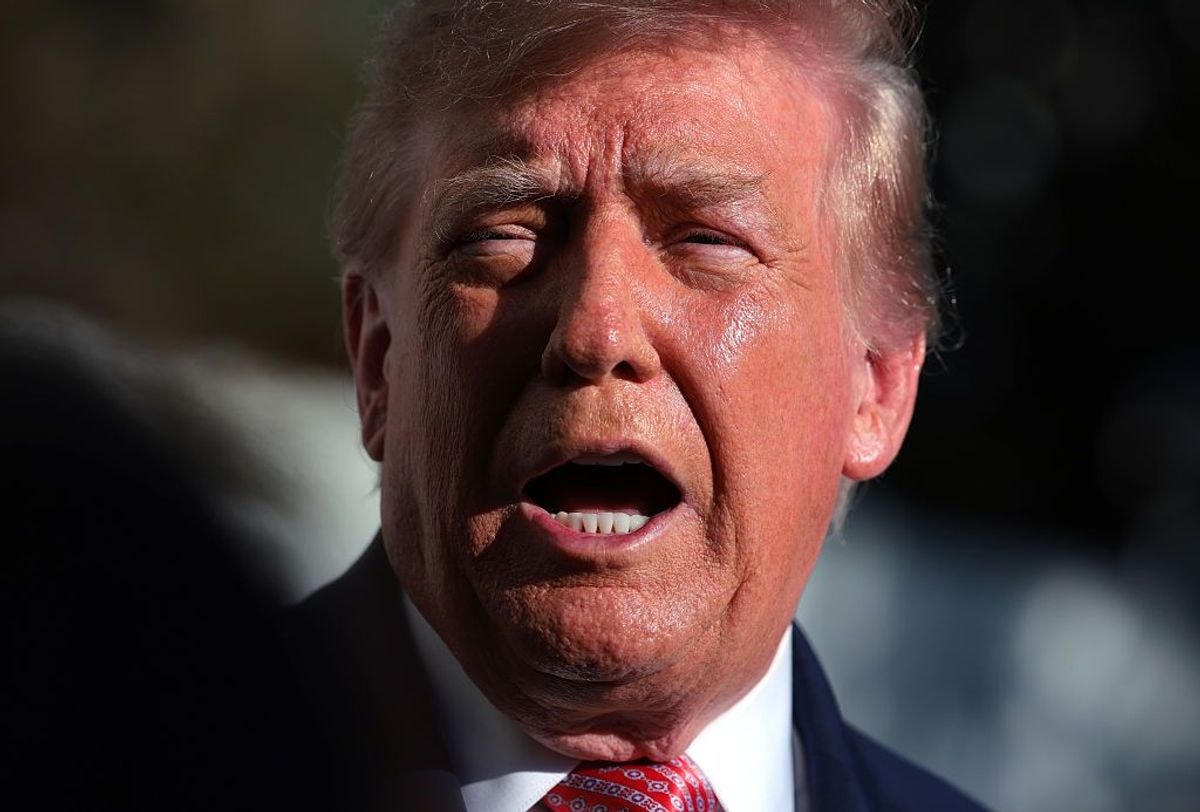
Hours before the official confirmation, U.S. President Donald Trump announced on Truth Social that Khamenei had been killed.
"Khamenei, one of the most evil people in History, is dead," Trump wrote, adding: "This is not only Justice for the people of Iran, but for all Great Americans, and those people from many Countries throughout the World, that have been killed or mutilated by Khamenei and his gang of bloodthirsty THUGS."
Trump's statement came hours after top Israeli officials, including Prime Minister Benjamin Netanyahu, claimed Khamenei had been killed in joint Israeli and U.S. strikes on Iran on Feb. 28. Senior Israeli officials told Reuters that Khamenei's compound in Tehran had been targeted and that his body had been recovered.
"There are many signs that this tyrant is no longer. This morning we eliminated senior officials in the Ayatollahs' regime, Revolutionary Guards commanders, senior figures in the nuclear program — and we will continue," Netanyahu said in a video statement.
An interim leadership council, including Ayatollah Alireza Arafi, President Masoud Pezeshkian, and Chief Justice Gholamhossein Mohseni Ejei, will lead the country until a new leader is elected, ISNA news agency reported.
The news of Khamenei's death has been met with a mix of praise, condemnation, and caution across the world.
"(Bashar) Assad, (Nicolas) Maduro, and now Khamenei. (Russian President Vladimir) Putin has lost three of his closest pals in little more than a year," Ukraine's Foreign Minister Andrii Sybiha commented, noting that "Russia is not a reliable ally even for those who rely heavily on it."
"The domino of deposed dictators must continue, and Putin's fall one day is inevitable," the minister added.
Putin, a close ally of the Iranian regime, expressed condolences over the killing of Khamenei and his family members, calling it a "cynical violation of moral norms and international law."
"In our country, Ayatollah Khamenei will be remembered as an outstanding statesman who made a huge contribution to the development of the friendly Russian-Iranian relations," the Russian leader said in a press statement.
"The death of Ali Khamenei is a defining moment in Iran's history," top EU diplomat Kaja Kallas said. "What comes next is uncertain. But there is now an open path to a different Iran, one that its people may have greater freedom to shape."
Trump said Khameini's death represents "the single greatest chance for the Iranian people to take back their country." He urged Iran's military and police to cooperate with the public to "bring back the Country to the Greatness it deserves."
Trump also said that the U.S. military strikes against Iran would continue throughout the week or longer — undercutting his message of encouragement for the Iranian people with promises of more bombs.
"The heavy and pinpoint bombing, however, will continue, uninterrupted throughout the week, or, as long as necessary to achieve our objective of PEACE THROUGHOUT THE MIDDLE EAST AND, INDEED, THE WORLD!"
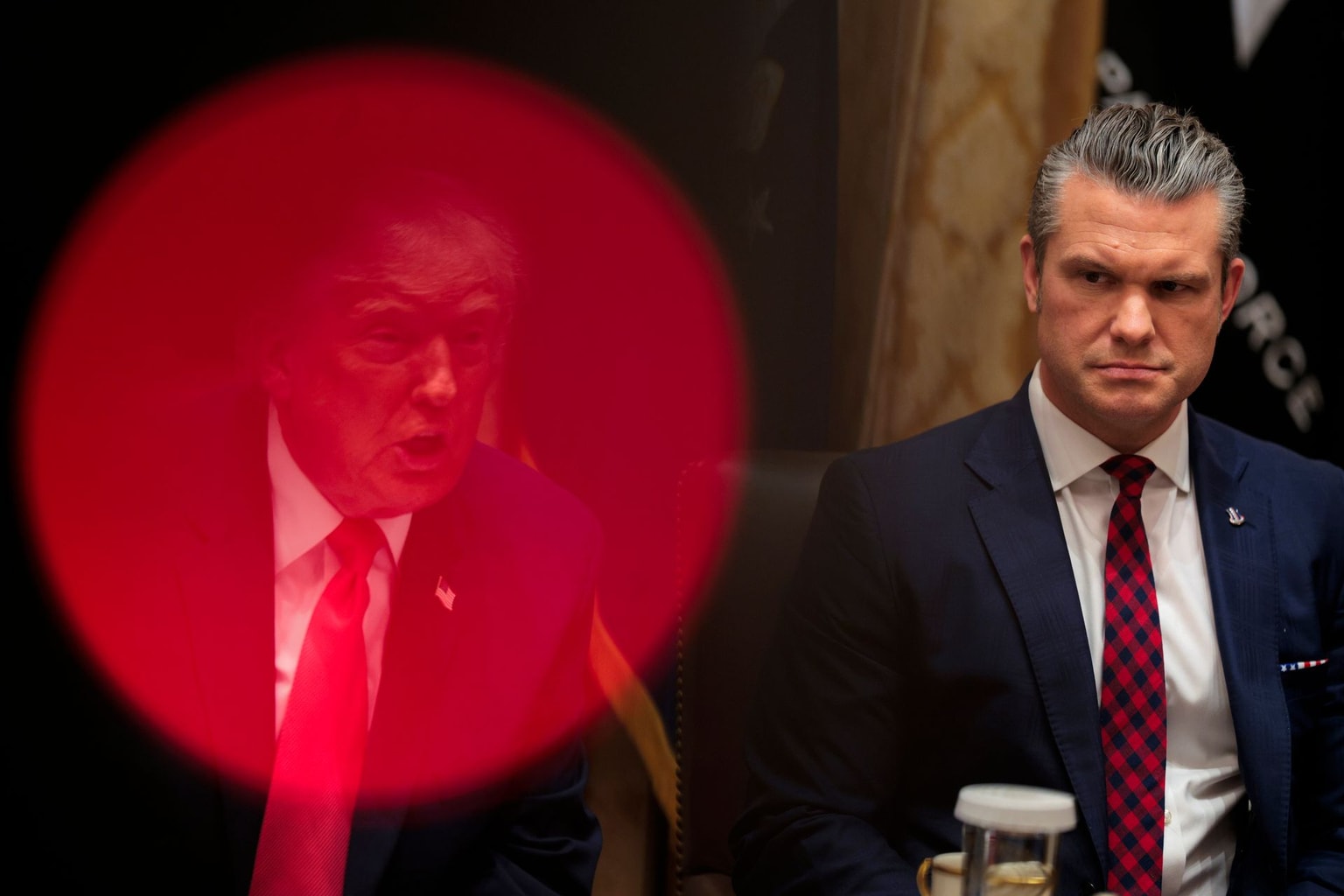
In a separate interview with NBC News, Trump called the military strikes in Iran a "success" and said reports of Khamenei's death were "correct." He added that "most" of Iran's senior leadership is "gone," saying, "the people that make all the decisions, most of them are gone."
Reza Pahlavi, the son of the shah overthrown during Iran's 1979 Islamic Revolution, reacted to reports of Khameini's death on social media, saying the ayatollah "has been erased from the pages of history."
"With his death, the Islamic Republic has effectively come to an end and will soon be consigned to the dustbin of history. ... This marks the beginning of our great national celebration," he wrote on X.
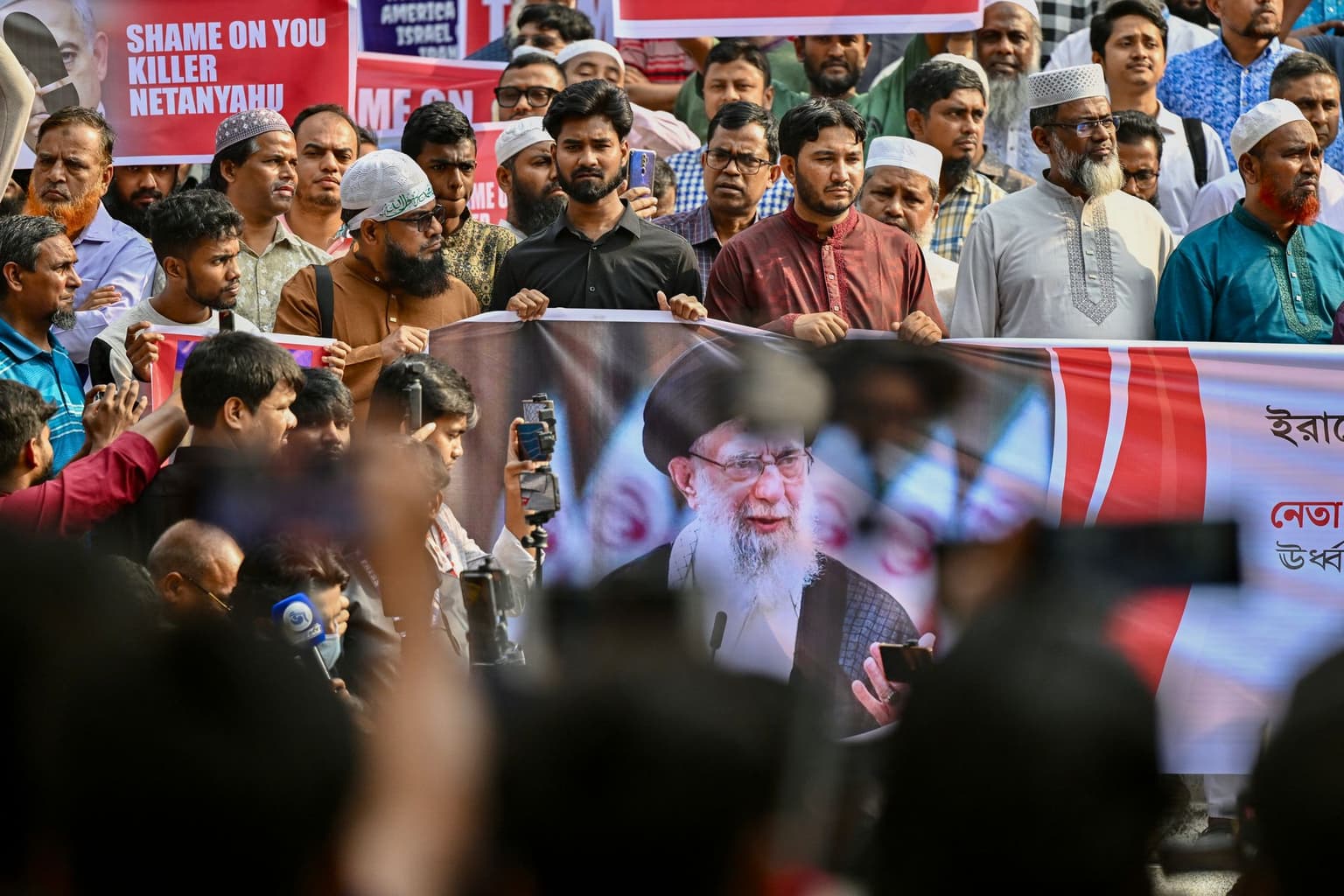
Inside Iran, the leader's death has been met with some public displays of mourning, but also with celebrations. Footage emerged of people cheering and playing music in the streets following the news.
Iran's retaliation in response to the initial attacks unfolded across several countries in the Middle East, with missiles and drones launched toward U.S.-linked military facilities and strategic interests throughout the Gulf.
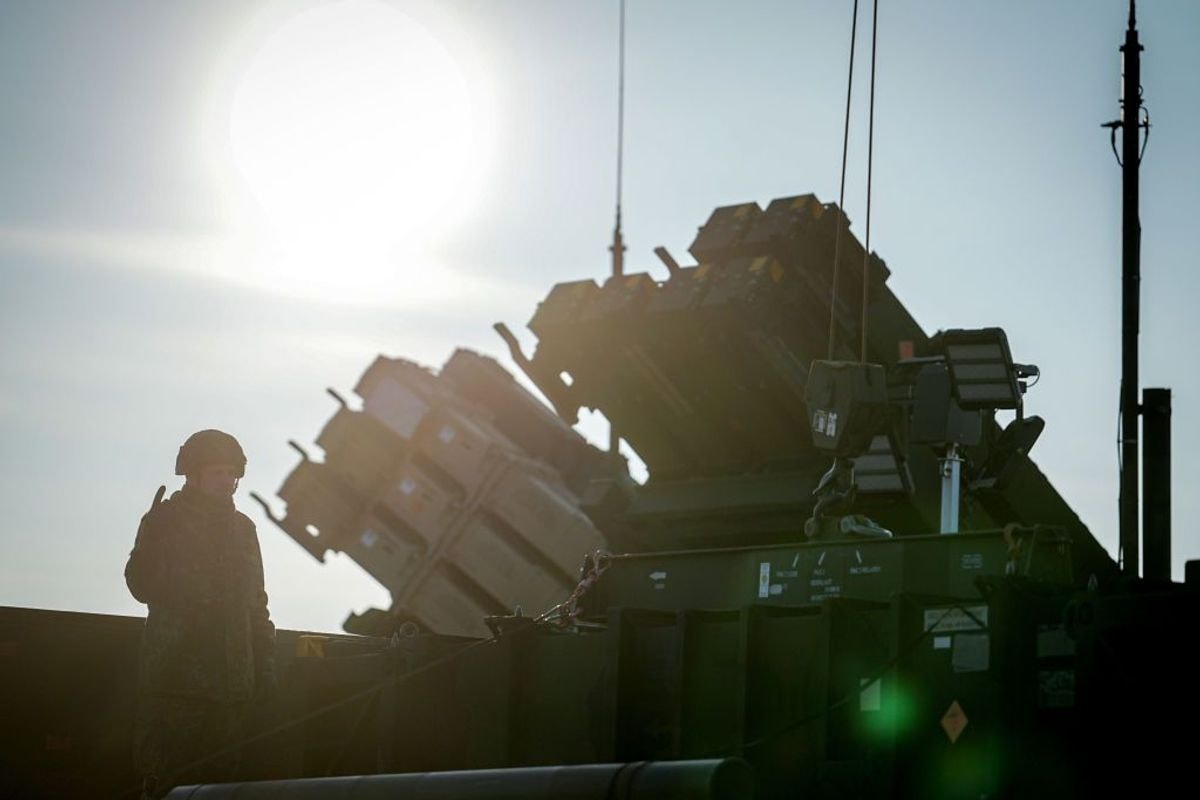
Air bases and international airports in countries including the United Arab Emirates, Qatar, Bahrain, and Kuwait were repeatedly targeted. While regional air defenses intercepted many of the incoming projectiles, several impacts took place, causing damage and fires.
Authorities also reported impacts or falling debris striking civilian areas, including residential tower blocks in Bahrain, a luxury hotel in Dubai, and other urban buildings.
The attacks marked one of the widest regional escalations in years, raising fears of a broader conflict beyond Iran and Israel.
The escalation follows weeks of negotiations between Washington and Tehran over Iran's nuclear program. In recent days, U.S. officials made unverified claims that Iran was developing a missile capable of reaching U.S. territory and possessed enough material to build a nuclear weapon within days.
Khameini, the second leader of Iran's Islamic Republic, has no designated successor. Experts have cautioned, however, that the ayatollah's death may not lead to regime collapse, as the Republic's institutions have deep roots.
Iran's coming leadership transition "will be difficult to negotiate," Julian G. Waller, a lecturer in political science at George Washington University, told the Kyiv Independent.
"Iran is an authoritarian regime, but that does not mean its decision-making and decision-influencing elite are all aligned," Waller said. "The regime has a complicated ecosystem of institutions that either hold de jure roles in succession ... or de facto interests in the process and outcome."
Many Iranian elites have also gone into hiding due to the ongoing strikes, further complicating the transition, Waller said.