Scandal-hit Skelia assault regiment to fight under Azov command as Drapatyi's reforms gain momentum
 on Google
Editor's note: This article is being updated.
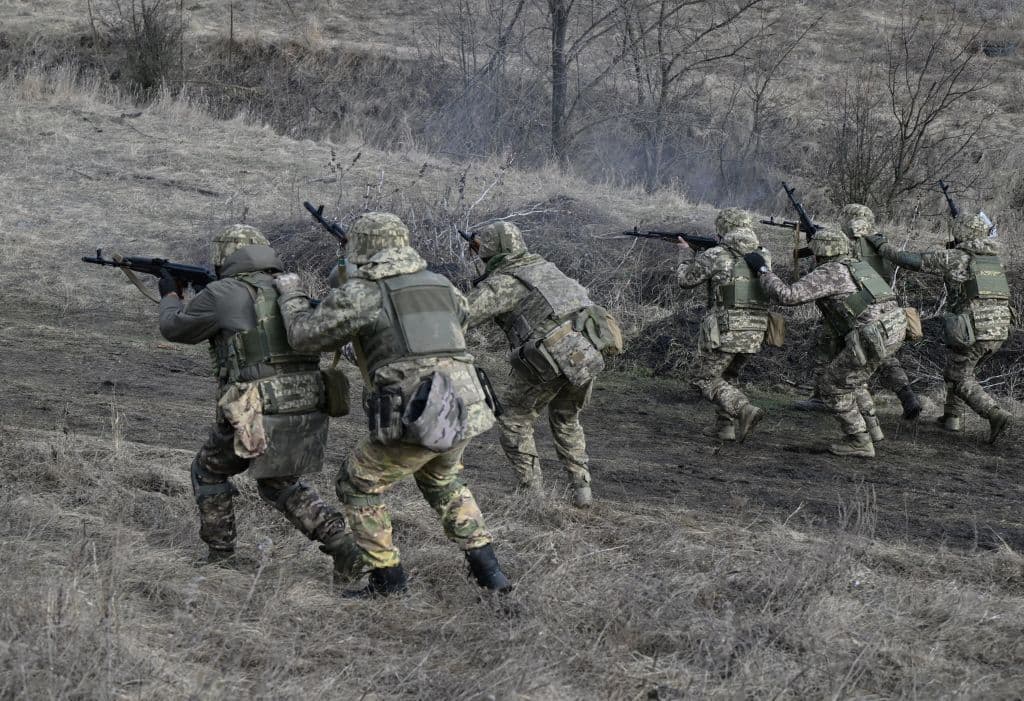
Ukraine's notorious 425th Assault Regiment, better known as Skelia, has been assigned to the command of the 1st Azov Corps of the National Guard, the regiment's spokesperson Oleksii Bratushchak said on Aug. 13.
The large and controversial assault unit, which had numbered in the thousands and been fighting across multiple sector sectors of the front line in assault and rapid reaction roles, will also likely be brought together to fight in one sector, Bratushchak told Ukrainian YouTube Channel Butusov Plus.
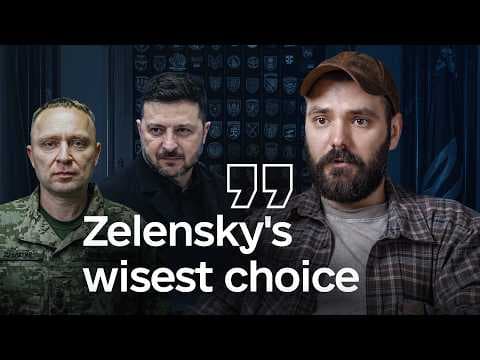
The decision to comes on the back of a series of moves by new Commander-in-Chief Mykhailo Drapatyi, who, upon taking the post on July 21, quickly announced an audit of manpower allocation between units.
Skelia, which has received a disproportionate share of Ukraine's precious mobilized recruits, was expanded rapidly under the personal patronage and supervision of Drapatyi's predecessor as Commander-in-Chief Oleksandr Syrskyi, to whom the regiment — along with other units of the newly-formed Assault Forces grouping — directly answered.
Soon after, the General Staff ordered flows of newly mobilized Ukrainian soldiers had ceased to units of the Assault Forces, including Skelia.
On Aug. 7, Ukrainska Pravda reported, citing military sources, Skelia personnel began to be transferred to other units upon the order of the high command.
In the interview, Bratushchak confirmed both the cease in new replenishment and the transfer of Skelia personnel to other units, but denied that the regiment was being disbanded.

The military's handling of manpower became a major source of public criticism of Syrskyi, who was dismissed by President Volodymyr Zelensky after protests over the dismissal of Defense Minister Mykhailo Fedorov expanded to include demands for his removal.
In the weeks leading up to Syrskyi's dismissal, Skelia dominated headlines as a notorious example of the inhumane treatment of soldiers, after an investigation by Ukrainian media outlet Babel found dozens of cases of the death of service members during training.
After the investigation, the regiment's commander Yurii Harkavyi was suspended from his post.
Harkavyi has not been restored to his post at the time of publication, with Skelia led by acting commander Oleh Adamov, Bratushchak told the Kyiv Independent.
With over 10,000 soldiers split between at least ten battalions across Ukraine's long front line, Skelia forces have seen action in some of the most intense fighting of the past year, including in the brutal urban battles of Kupiansk, Pokrovsk, and Kostiantynivka.
Together with Ukraine's Air Assault Forces, the regiment has played an active role in counterattacks across the southern front line, where President Zelensky announced on Aug. 12 that 745 square kilometers had been liberated in over six month of offensive operations.
At the same time, Skelia also been criticized for its allegedly reckless approach to the lives of its soldiers when conducting assault operations, with some prominent Ukrainian volunteers, ex-commanders and thought leaders comparing the unit's tactics to those of Russian forces.
On July 20, just as the protest movement's calls to replace Syrskyi were reaching their peak, two Skelia soldiers, who had just featured in a video posted by the unit raising the Ukrainian flag in central Kostiantynivka, were filmed by the Russian side after being taken prisoner.
In public interviews, Syrskyi acknowledged the uneven distribution in favor of assault units, but justified it by citing their heavier losses, suffered while undertaking difficult and costly assault operations.
According to Bratushchak, the assignment of Skelia — part of the Ground Forces — to Azov's corps command does not entail the regiment's transfer into the structure of the corps, part of the Interior Ministry's National Guard.

The 1st Corps of the National Guard, better known as Azov, is made up of five National Guard maneuver brigades, one artillery brigade, and an unmanned systems regiment.
Since August 2025, the corps has held one of the most intense parts of the front line, near the city of Dobropillia in Donetsk Oblast.
The corps is led by legendary Ukrainian commander Denys Prokopenko, who led the defense of the Azovstal Steel Plant in the surrounded city of Mariupol in the first months of Russia's full scale invasion in 2022, after which he spent four months in Russian captivity, was released in a prisoner exchange, and took command of the reformed Azov Brigade.
Asked by the Kyiv Independent to confirm the news of Skelia's assignment to the Azov Corps' command, the corps has not responded at the time of publication.
Whether or not Skelia units would be used in their old assault and clearing roles or whether they would reinforce the brigades' depleted infantry lines would be up to the Azov corps command, Bratushchak told the Kyiv Independent.