'Heavy attack' hits Zaporizhzhia Thermal Power Plant, IAEA says
 on Google

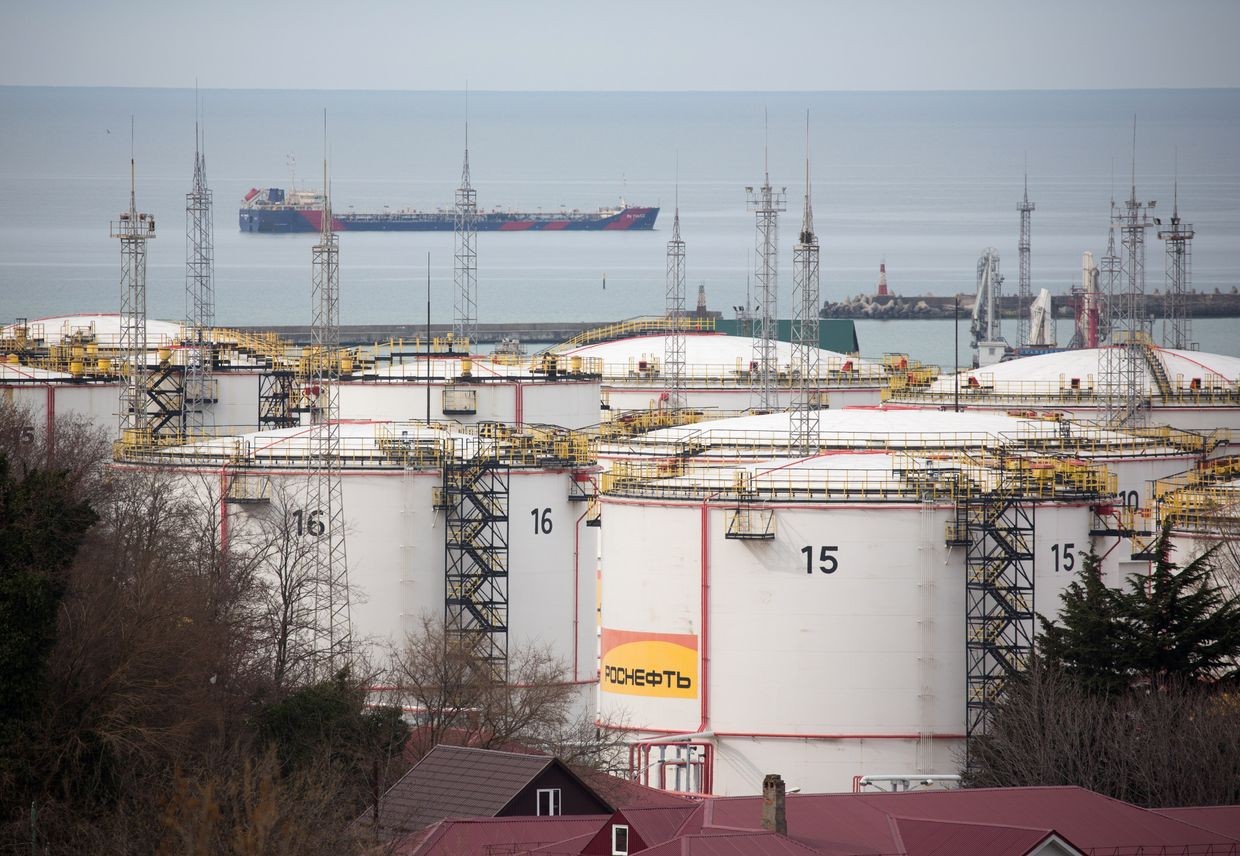
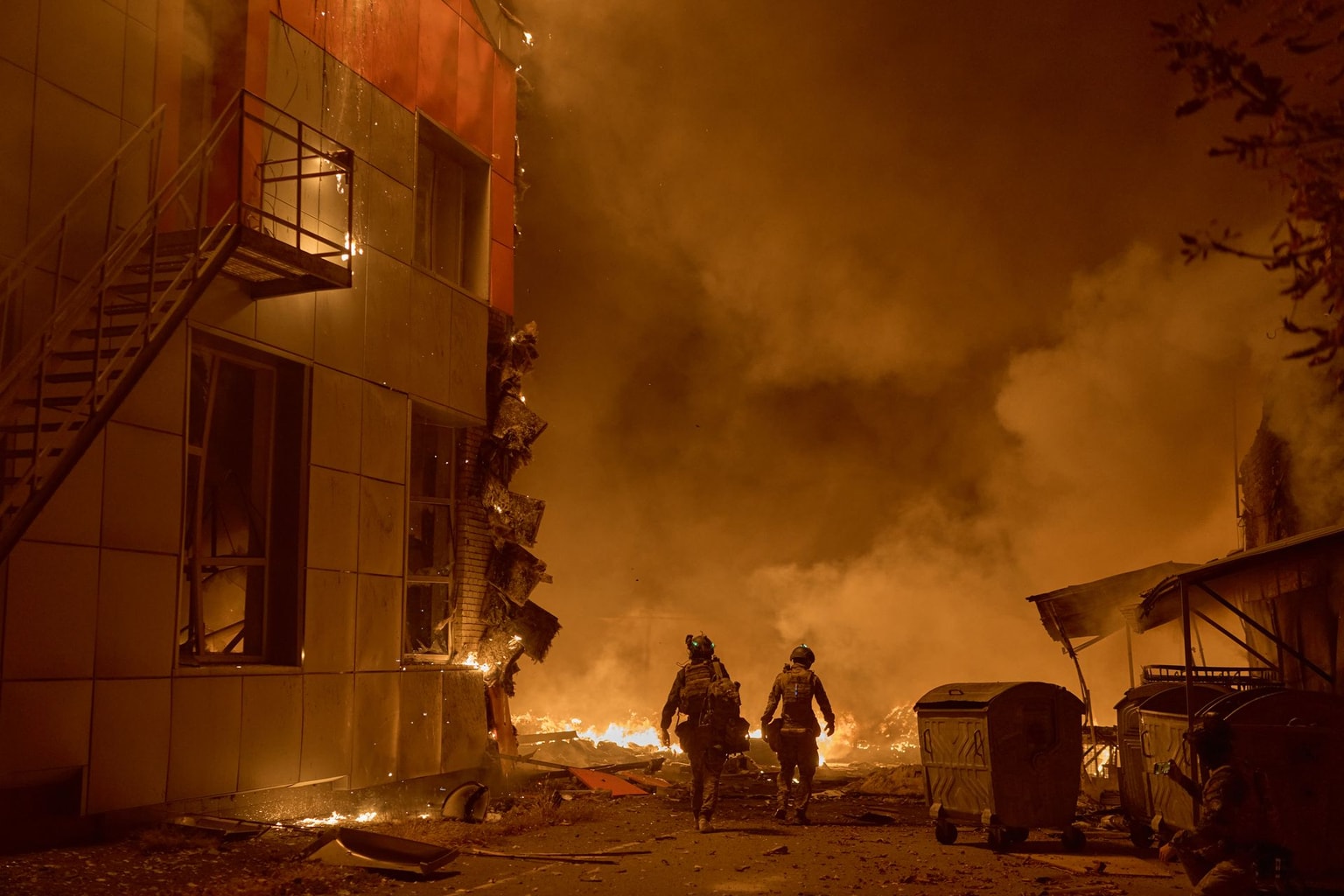
The Zaporizhzhia Thermal Power Plant, whose switchyard helps transmit electricity to the Russian-occupied Zaporizhzhia Nuclear Power Plant, came under a "heavy attack" on the morning of June 4, the International Atomic Energy Agency (IAEA) said on X.
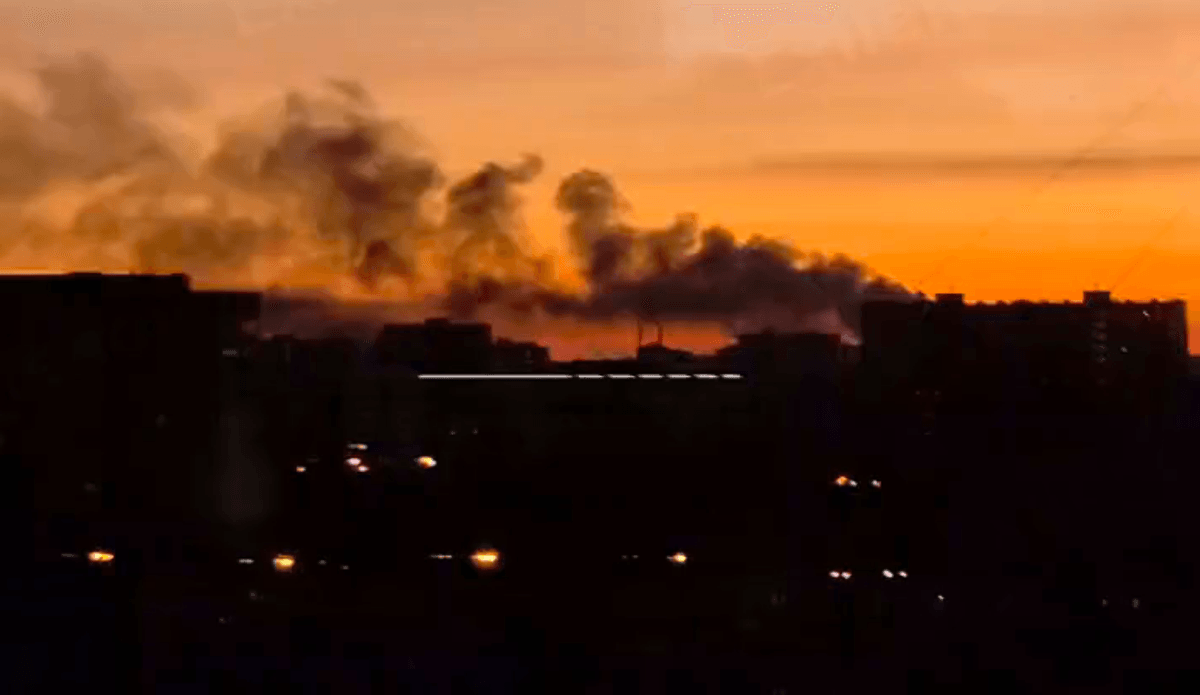
The IAEA did not specify whether the attack was carried out by Russian or Ukrainian forces, noting that its team observed smoke rising from the thermal power plant and heard the sound of "military activity."
The news comes as the nuclear power plant experienced its 17th blackout since the start of the full-scale invasion on June 3, and its fifth so far in 2026. The outage was caused by a drone strike on the Nikopolska substation on the opposite bank of the Dnipro River from the plant, which is located in Ukrainian-controlled territory and is regularly affected by Russian attacks.
The IAEA said the June 4 incident is a matter of "serious concern" due to the facility's reliance on a single remaining power line supplying electricity to the Zaporizhzhia Nuclear Power Plant. In recent weeks, the line has been repeatedly cut, forcing the station to rely on emergency diesel generators to cool its six reactors.
The power line is currently still connected to the nuclear power plant, while staff at the facility remained in shelters as of the morning, according to the statement.
IAEA Director General Rafael Grossi called for an end to the attacks in order to avoid the risk of an extended loss-of-power incident at the facility.
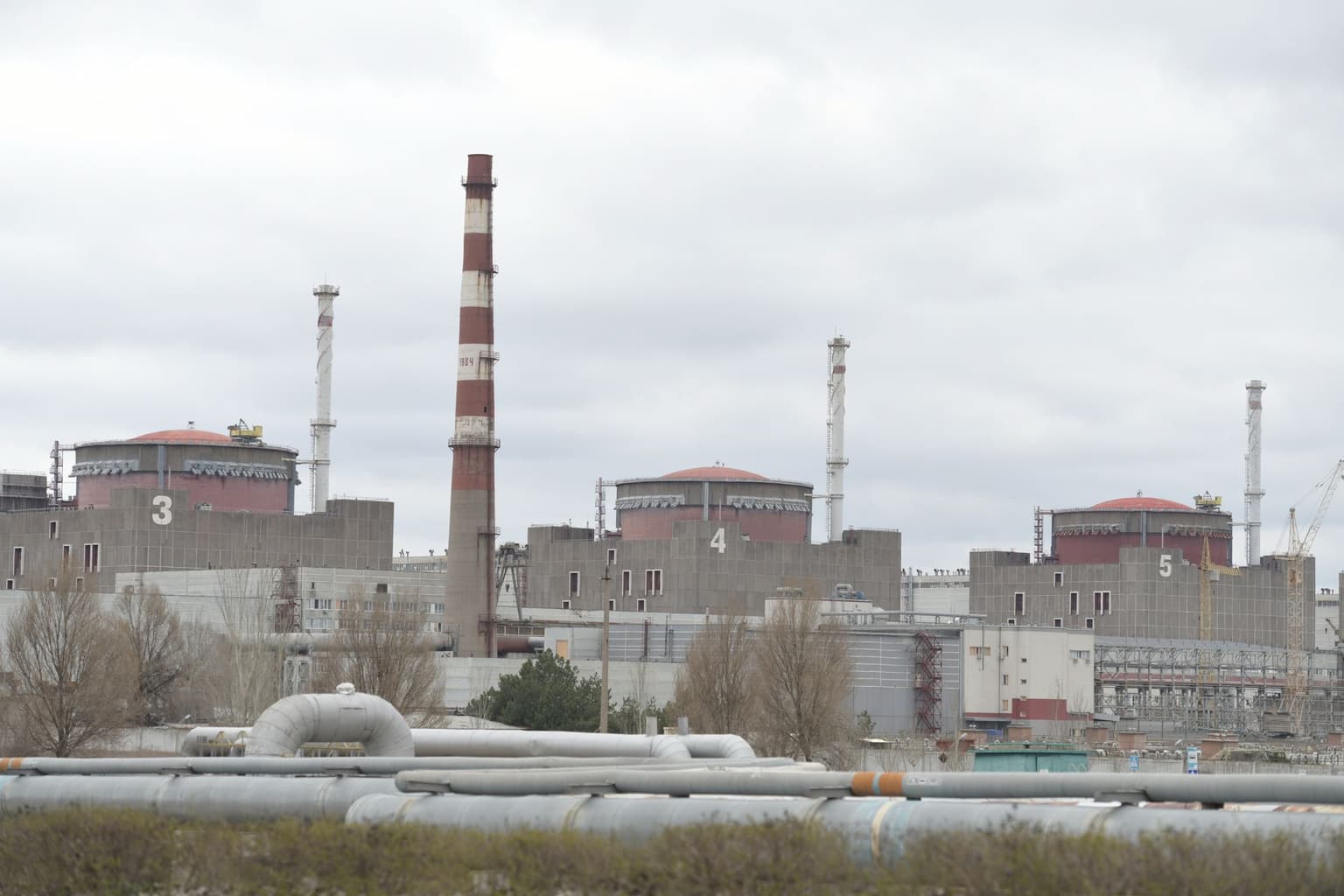
The Zaporizhzhia Nuclear Power Plant is Europe's largest nuclear power plant and among the 10 largest in the world. Ukraine has repeatedly warned that Russia's occupation of the plant poses one of the greatest threats to nuclear safety — not just in Ukraine, but worldwide.
The IAEA warned in May 2026 that increased drone activity near the ZNPP intensified the risk of a nuclear accident at the site.
The plant lost both landline and internet connections for about 12 hours on May 27, marking the longest such outage at the facility since the start of Russia's full-scale invasion of Ukraine, according to the IAEA.
The communications outage violated one of the seven core principles for maintaining war-time nuclear safety established by the IAEA, which states that nuclear facilities must maintain reliable communication with regulators and outside authorities.