Greek oil tanker in Russian waters hit in suspected drone strike
 on Google
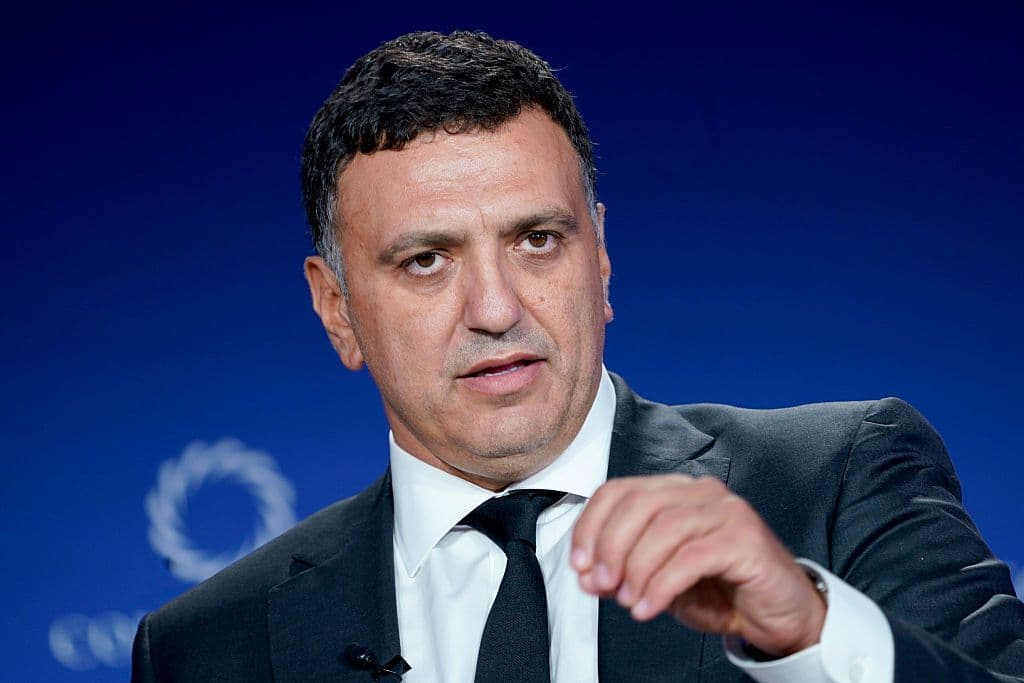
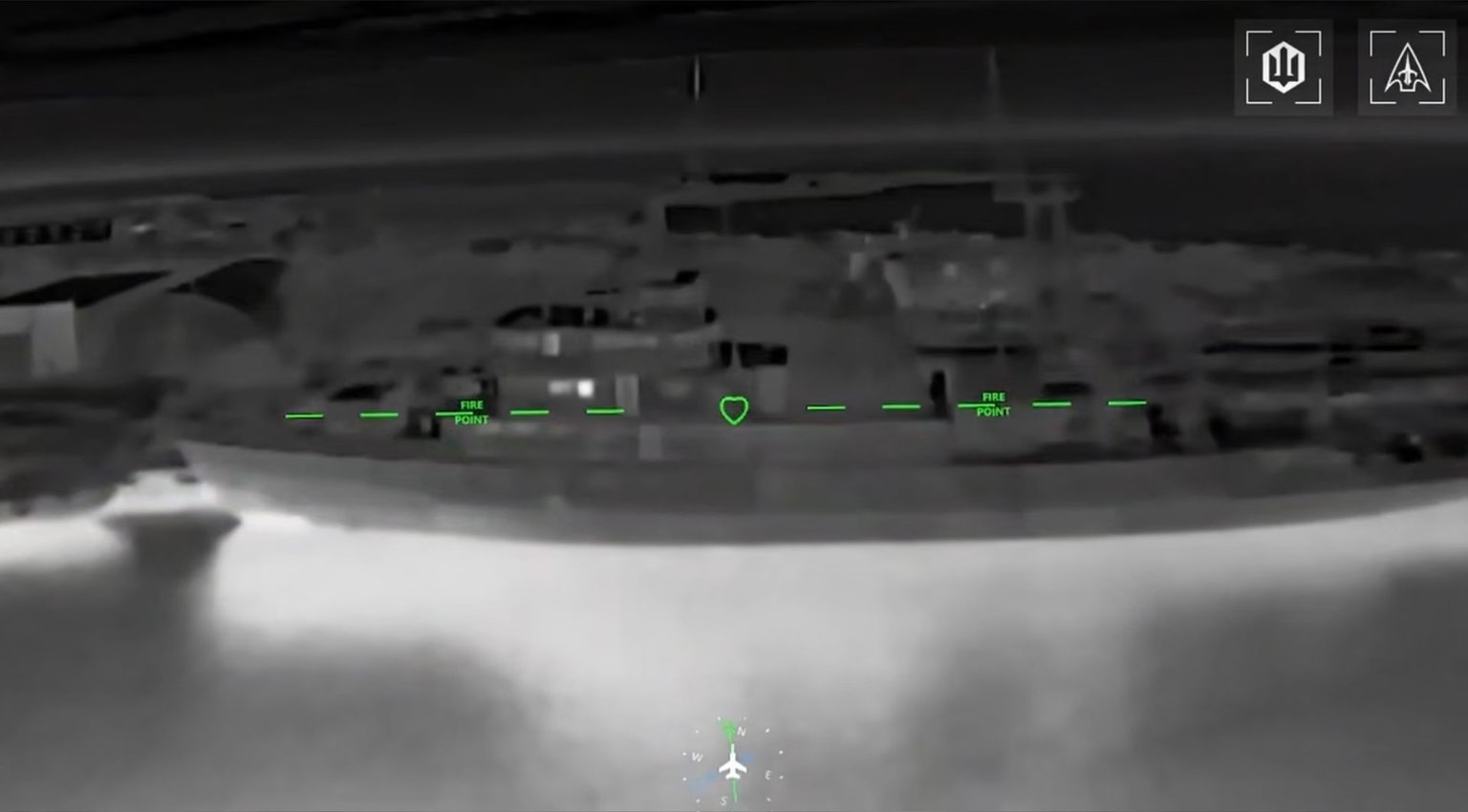
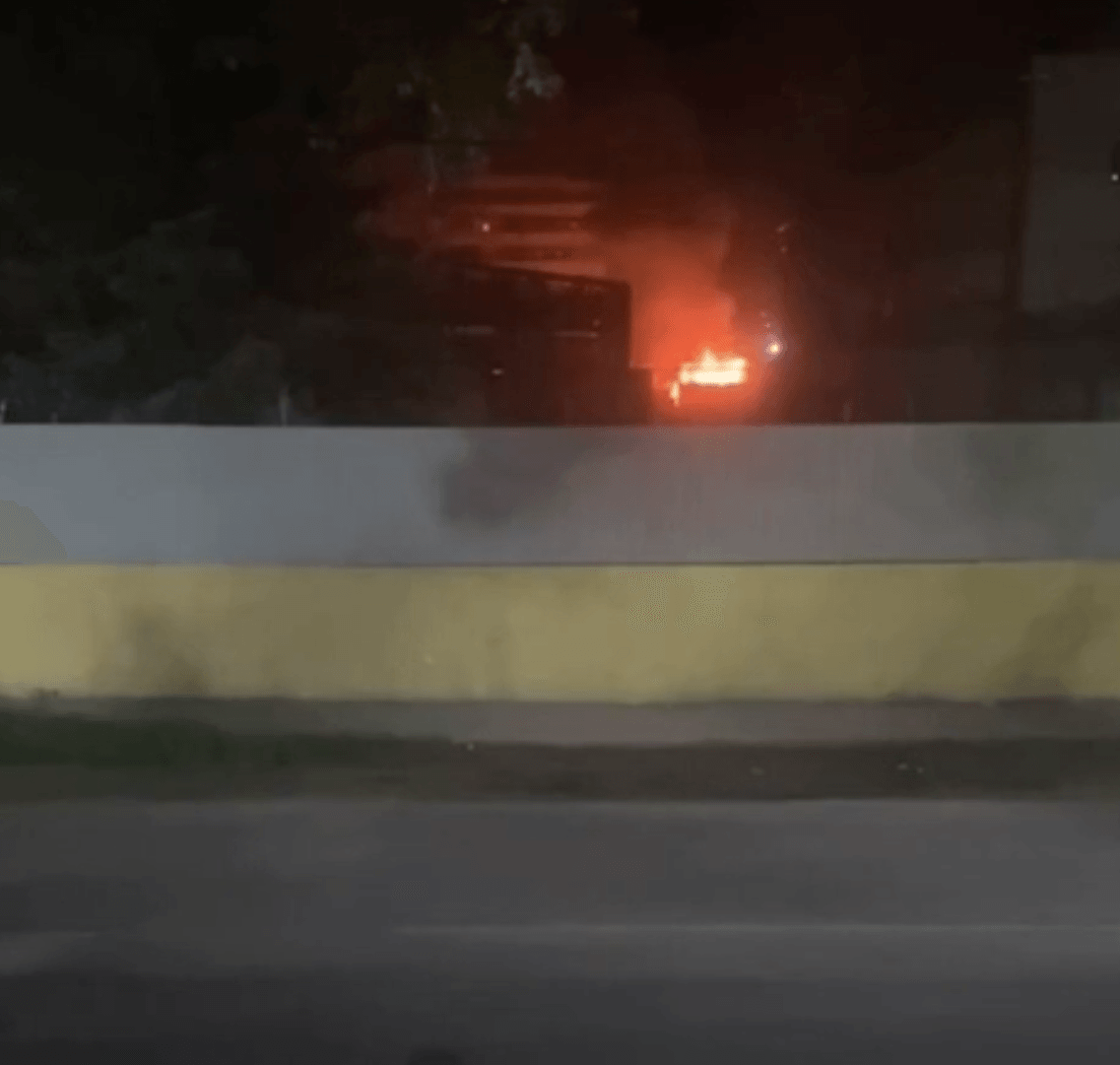
A Greek-flagged oil tanker, the Maran Homer, was damaged in a suspected drone attack while sailing through the Black Sea on March 14, Greek Maritime Minister Vassilis Kikilias said.
The reported strike comes amid a global crisis in oil supply and transit triggered by the U.S.-led war in Iran.
The ship was struck in Russian territorial waters in the Black Sea off the coast of Novorossiysk, Kikilias told the Greek state broadcaster ERT. Though not carrying any cargo at the time, the tanker was chartered by U.S. oil giant Chevron and was due to pick up a shipment of Kazakh crude oil.
Kikilias said he believed the strike may be connected to the U.S. decision to temporarily ease sanctions on Russian oil.
"I consider the targeting of Greek-flagged and Greek-owned ships unacceptable," Kikilias said, adding that Greece intends to lodge a "strong complaint" with the country responsible for the attack.
Kikilias did not name the country directly, but said that Ukraine has carried out repeated attacks in the Black Sea.
None of the vessel's 24 crew members were injured in the attack, and the tanker remains seaworthy despite the damage sustained in the strike.
Kyiv has not commented on the reported strike.
Ukraine has previously carried out drone attacks on Russian assets in the Black Sea and Novorossiysk — including the Caspian Pipeline Consortium, where the Maran Homer was headed to pick up its cargo.
The Caspian Pipeline Consortium, an international venture involving Russian, Kazakh, and foreign energy companies, operates a key oil pipeline linking Kazakhstan's western fields with Novorossiysk's sea terminal. Chevron is also a major shareholder in the consortium.
The U.S. State Department issued a warning to Kyiv following a reported strike on the terminal in November 2025, according to Olha Stefanishyna, Ukraine's ambassador to Washington.
"This concerned the very fact that American economic interests were violated there," she said.
Ukraine has also reportedly begun carrying out strikes against Russia's shadow fleet — the aging tankers that sail under flags of convenience to ship Russian oil despite international sanctions.
Kyiv has long considered Russia's oil industry assets valid military targets, as fossil fuel products continue to fund the Kremlin's full-scale war against Ukraine. Western nations have also targeted Russian oil with heavy sanctions.
But with the war in Iran disrupting the global oil market, the U.S. has changed its policy. Washington on March 12 issued a temporary license that allows countries to purchase Russian oil currently stranded at sea. The move followed an earlier decision to allow India to buy Russian oil already loaded on tankers at sea to offset supply disruptions linked to the Middle East crisis.
Washington announced the easing of sanctions on Russia a day after Kirill Dmitriev, Moscow's envoy for economic cooperation, held a meeting in Florida with members of the Trump administration.
"Russian energy is indispensable to easing the world's largest energy crisis," Dmitriev wrote on X.