Russian attacks on Ukrainian first responders rise, follow 'sustained pattern,' report finds
 on Google
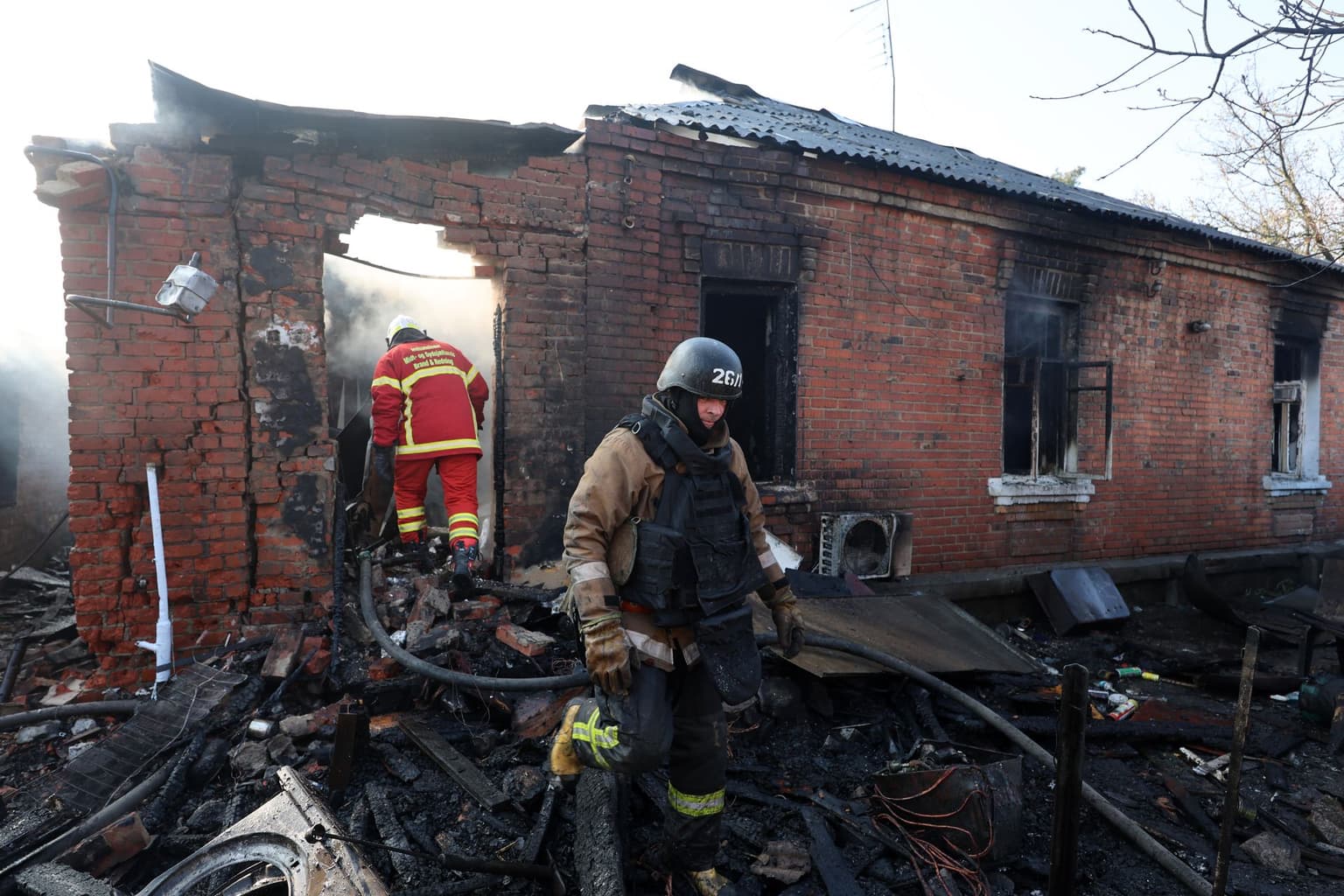
Russian forces have carried out at least 401 attacks on Ukrainian emergency responders since 2022, killing 43 rescuers and injuring 258, with incidents increasing over time and peaking in 2025, according to a report released by Truth Hounds on May 6.
The findings add to a broader pattern of Russian strikes on civilian sites, with emergency responders increasingly coming under fire while responding to their aftermath.
The report describes the trend as a "deeply troubling trajectory in the war," finding a sustained pattern in which responders are repeatedly targeted while carrying out rescue operations, including after arriving at strike sites.
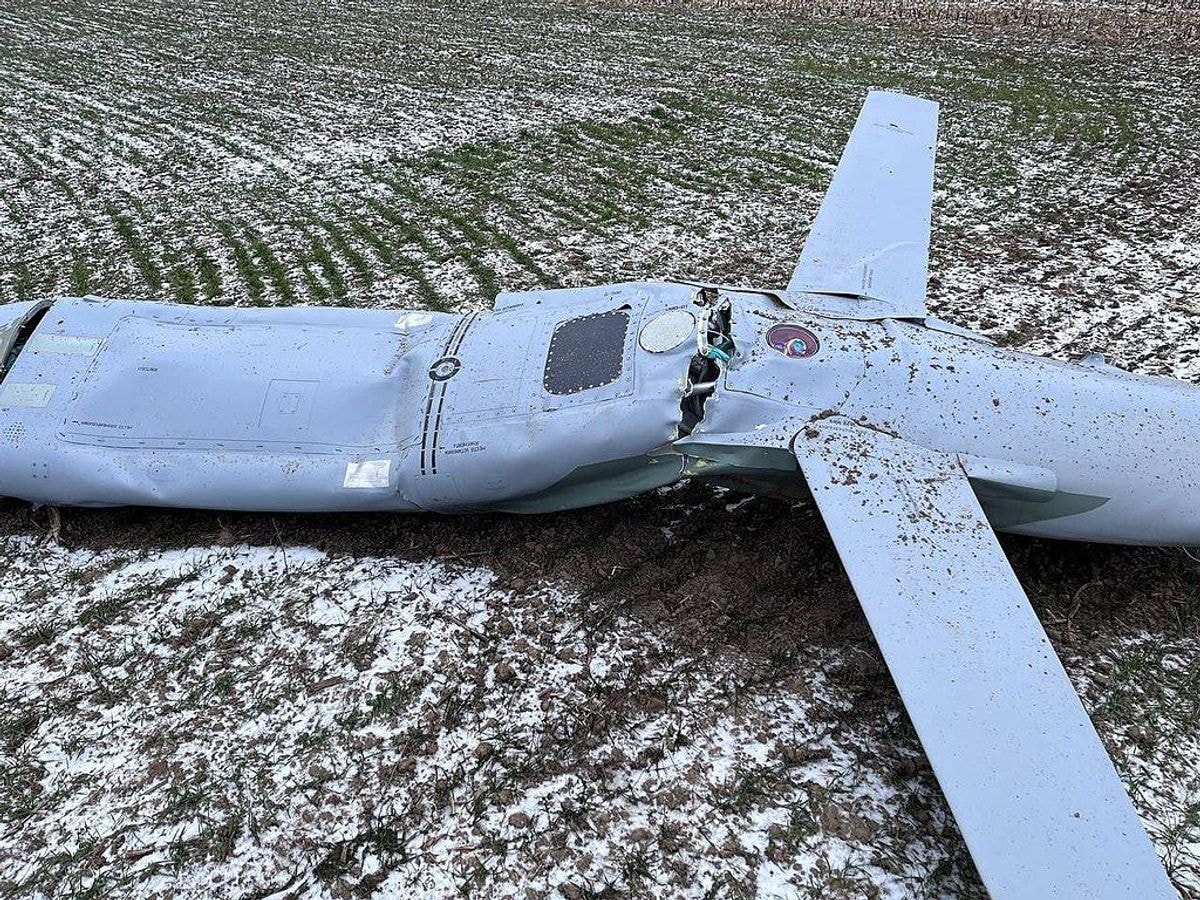
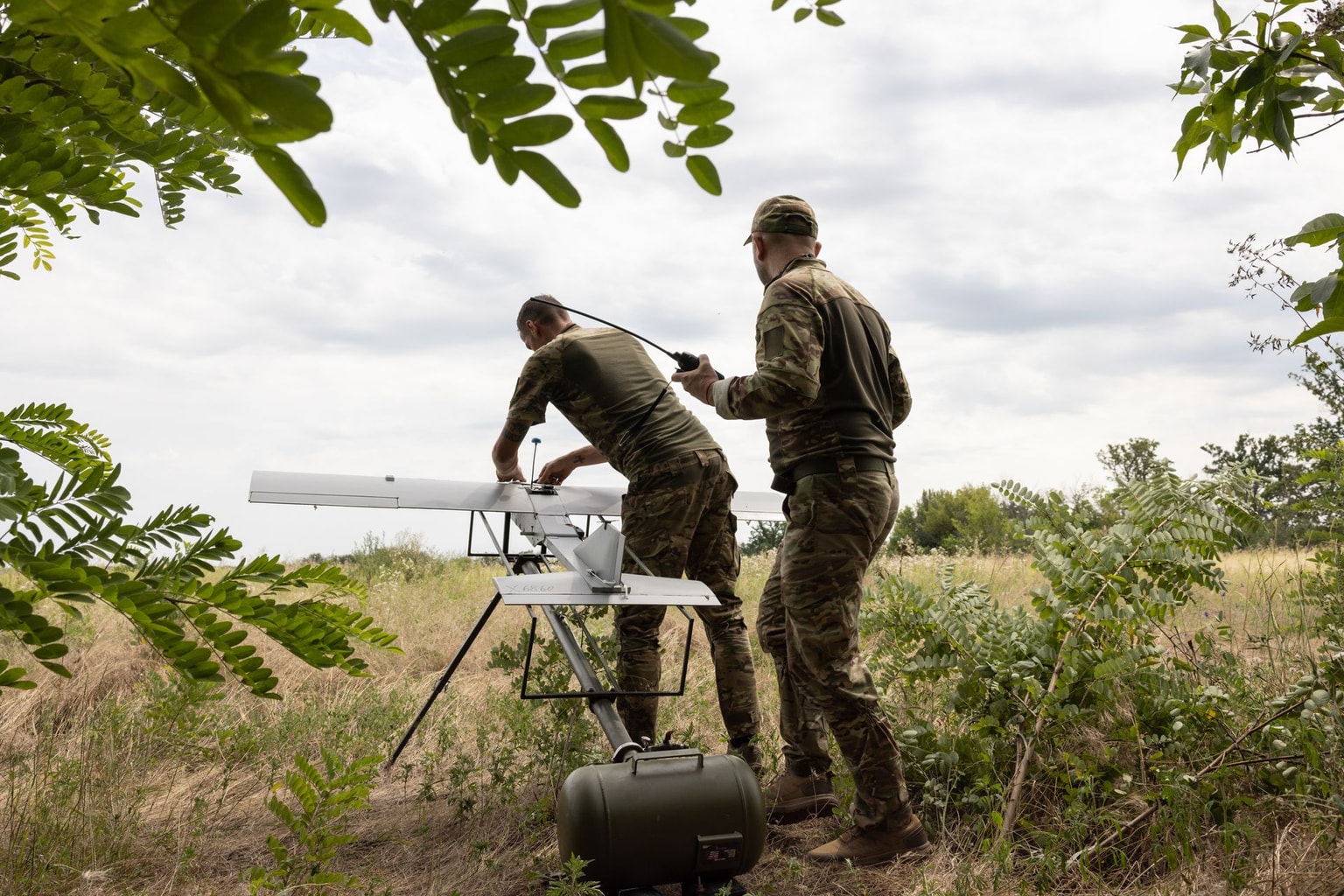
Drones became the dominant weapon in such attacks in 2024–2025, with 118 drone-related incidents recorded in 2025 alone – nearly three times more than in 2024 and over 15 times higher than in 2023, according to Truth Hounds.
The report notes that many drones provide real-time video, meaning emergency responders "wear distinctive uniforms and operate clearly marked vehicles that visibly identify them as emergency services personnel," which "strengthens the inference" that some attacks were intentional.
Researchers also identified widespread use of "double-tap" strikes, in which a second strike targets responders arriving after an initial attack. Truth Hounds documented 200 such incidents and verified 92, which caused at least 20 deaths and 108 injuries among emergency personnel.
The report also documents repeated strikes on fire stations, with 138 incidents recorded. In most analyzed cases, no military facility was identified within 300 meters, supporting the inference that the stations themselves may have been the intended targets.
Most incidents occurred in frontline regions, particularly Donetsk, Kharkiv, Dnipropetrovsk, and Kherson oblasts, though attacks were also recorded farther from active fighting.
Truth Hounds said the attacks "may amount to war crimes, including attacks on civilians and, in certain circumstances, attacks on civilian objects under the Rome Statute," while noting that any final legal classification depends on the evidence in each case.
Official data from Ukraine's State Emergency Service, cited in the report, puts the toll significantly higher, with 111 responders killed and 550 injured, as well as 617 vehicles and 449 facilities damaged or destroyed over the same period.
The discrepancy suggests the true scale of attacks likely exceeds what can be captured through open-source monitoring, according to Truth Hounds.
On May 5, a day before the report's release, Russian forces carried out a double-tap strike in Zaporizhzhia. hitting areas where police, emergency responders, and medical teams were already working.