'Blown out of proportion' — Domestic politics at the core of South Korea's rift with Ukraine
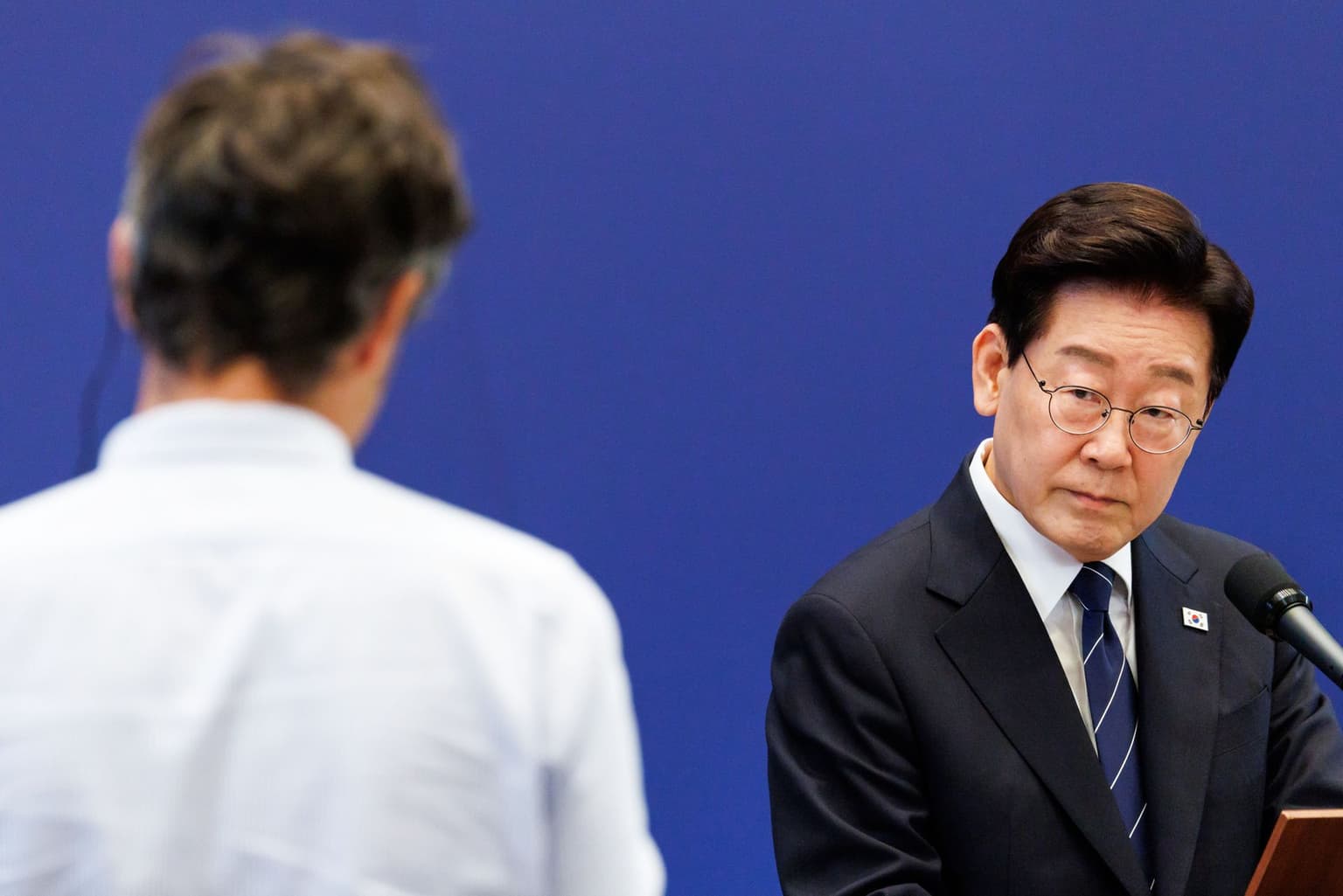
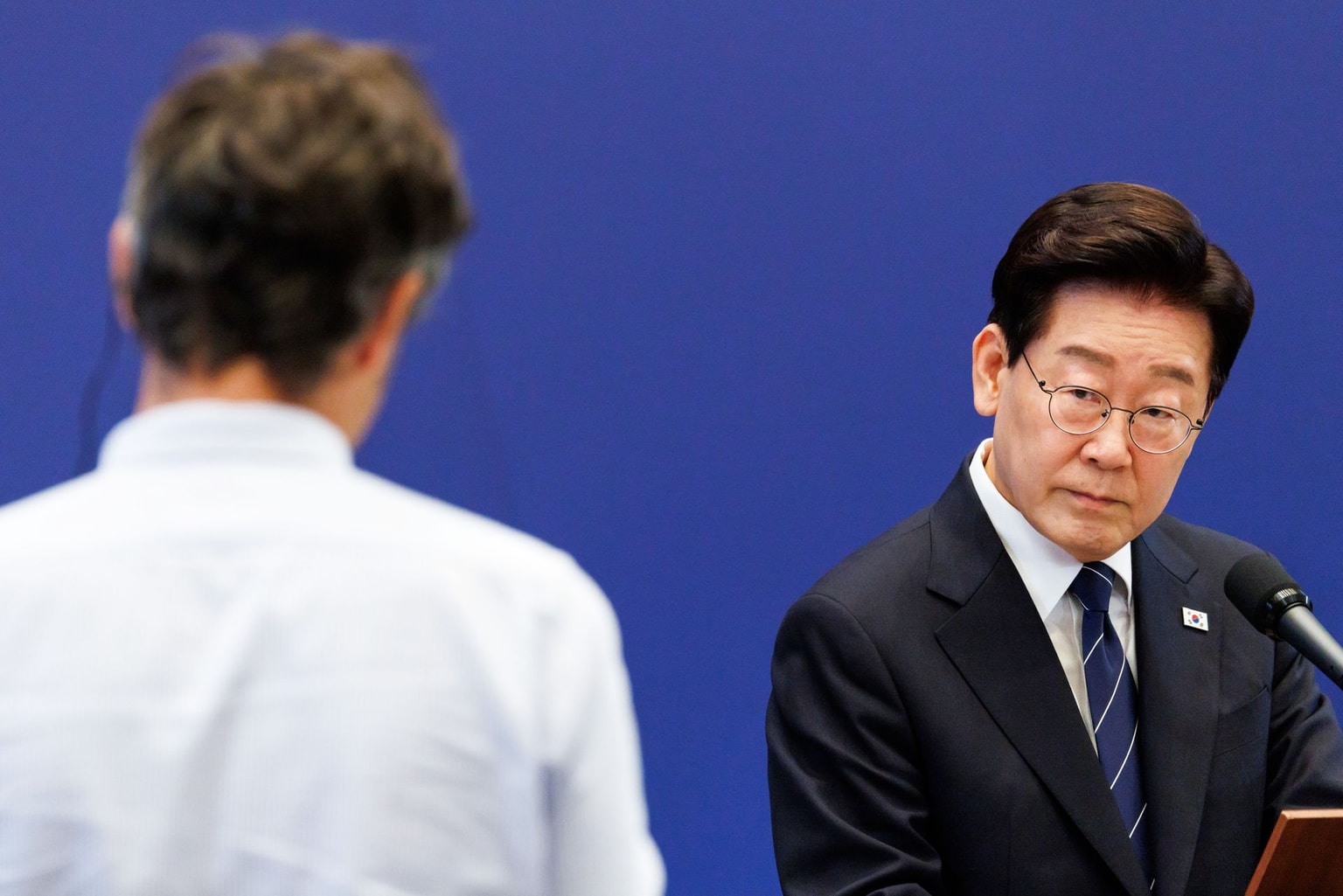
South Korean President Lee Jae Myung listens to a journalist during a news conference at the presidential Blue House in Seoul, South Korea, on Sept. 18, 2026. (SeongJoon Cho/Bloomberg via Getty Images)
 on Google
Seoul's diplomatic spat with Kyiv continues to deepen, but experts say it is less about Ukraine than about South Korea's own politics.
The East Asian country, traditionally counted among Ukraine's partners in the region, announced on Oct. 8 that it is recalling its ambassador from Kyiv amid a dispute over North Korean prisoners of war (POWs).
The rift started on Sept. 23 with President Volodymyr Zelensky telling the U.N. General Assembly that Kyiv had transferred two North Korean POWs, captured while fighting on Russia's side, to Seoul.
The move angered South Korean President Lee Jae Myung, who accused Ukraine of violating a confidentiality agreement. Ukraine initially claimed that there was no such deal, with Foreign Minister Andrii Sybiha later downplaying the situation as a "diplomatic misunderstanding."
In a matter of days, the row turned into a never-ending tit-for-tat war of words: on Oct. 6, South Korean Foreign Minister Cho Hyun said that Ukraine had privately apologized for the incident but that the apology was, apparently, "insufficient."
Ukraine's Foreign Ministry responded that Sybiha had merely expressed regret that the situation had escalated to this level, noting that diplomatic correspondence should remain confidential.
While there is no end in sight to the diplomatic stand-off, experts who spoke to the Kyiv Independent argued that none of this was likely to affect the strategic side of relations between Ukraine and South Korea.
“Even now, (South Korea’s) Foreign Ministry says cooperation with Ukraine will continue, so hopefully a cooling-down period will come, and both countries can get back to what is really important.”
Instead, the feud says more about the politically tense situation of President Lee — and about South Korea's piling geopolitical challenges.
An ambiguous partner
After the start of Russia's full-scale invasion of Ukraine, South Korea has officially joined Western-led anti-Russian sanctions, notably by restricting strategic exports and helping cut Moscow off from the international financial system.
In practice, the sanctions regime is not fully respected. For instance, the Guardian has found that Seoul is now exporting diesel by sea to Russia, after heavy Ukrainian strikes on Russian refineries caused shortages across the country.

"South Korea joined the sanctions, but is partially circumventing them, and is not ready to openly supply Ukraine with weapons," explained Leonid Petrov, a Korea researcher at the Australian National University.
Seoul maintains this ambivalent approach because authorities want to be able to normalize ties with Moscow if the war in Ukraine ends, said Sydney Seiler, a researcher and former U.S. national intelligence officer for North Korea.
On the other hand, South Korea remains a donor — albeit a relatively minor one — of humanitarian and non-lethal military aid to Ukraine, with commitments totaling approximately $627 million since 2022, according to the Kiel Institute.
"And when it comes to arms deliveries, South Korea doesn't support Ukraine openly, but it can do this indirectly, for instance, by selling arms to (an intermediary like) Poland," explained Chun In-Bum, a retired South Korean lieutenant general and expert affiliated with the Institute for Security and Development Policy, a Stockholm-based think tank.
Another issue is intelligence cooperation, where South Korea is seriously interested in learning from Ukraine's wartime experience, Chun said.
"Even now, (South Korea's) Foreign Ministry says cooperation with Ukraine will continue, so hopefully a cooling-down period will come, and both countries can get back to what is really important," he added.
Unstable politics in a country surrounded by autocracies
Ultimately, the Ukraine-South Korea feud was mainly about Kyiv's announcement seemingly getting in the way of potential talks between Seoul and Pyongyang, according to Seiler.
"Lee is interested in warming up relations with North Korea and ultimately in holding a summit with (North Korean dictator) Kim Jong Un," noted Fyodor Tertitskiy, an international relations scholar at Korea University in Seoul.
On the North Korean side, though, there is absolutely no interest in rapprochement with Seoul, experts who spoke to the Kyiv Independent agreed. In any case, Seiler doubts the POW transfer would have much bearing on whether Kim decides to engage.

But since Lee cares deeply about this initiative, his administration is particularly sensitive to it, Chun explained.
On top of the diplomatic issues, Zelensky's announcement also raised some worry about the security of the transferred North Korean soldiers.
"It's quite well-known that South Korea is full of North Korean spies, many of whom disguise (themselves) as people who defected from the North," Petrov explained. "So, it makes sense that these kinds of exchanges should be done quietly."
But Chun believes that Zelensky's announcement at the U.N. General Assembly did not change much in terms of the soldiers' safety, as North Korea would have found out about the exchange anyway.
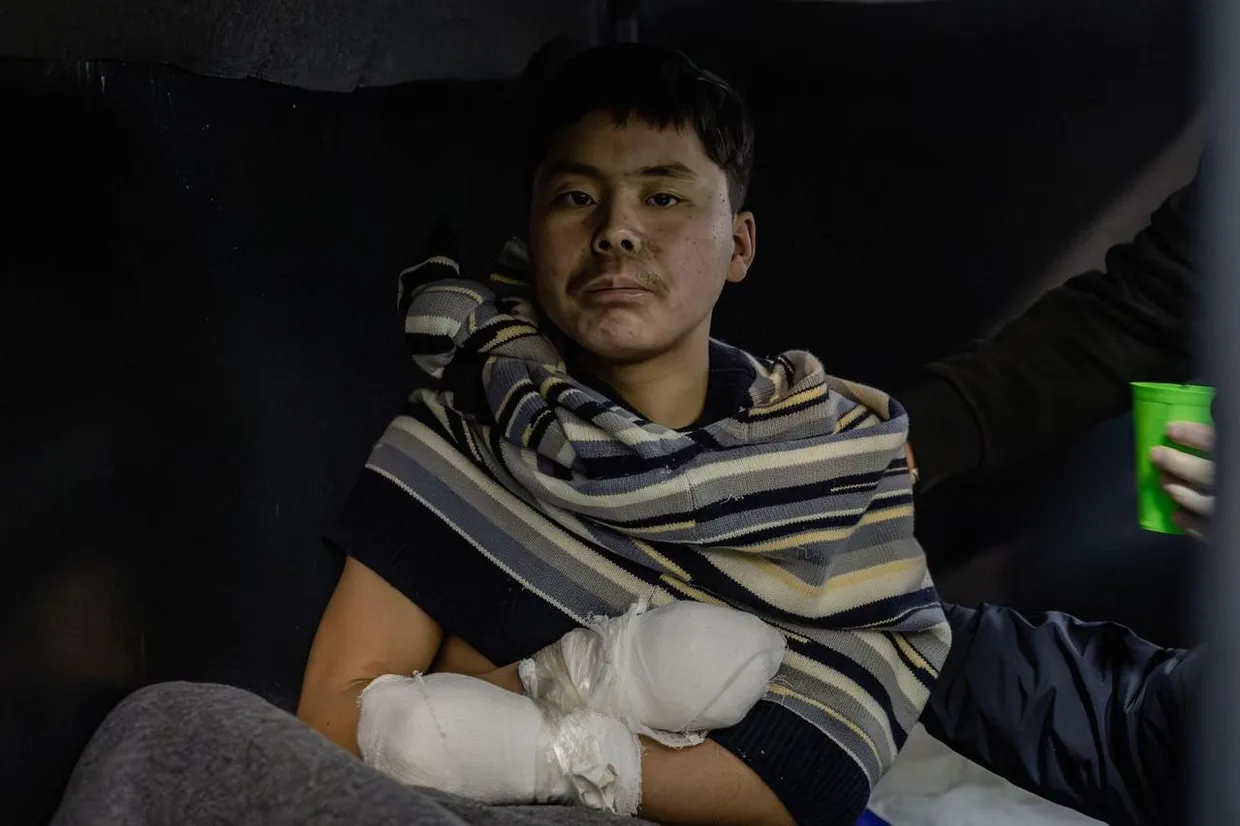
The development came at a particularly sensitive time for Lee, whose ratings fell for a second week in a row to 35.2%, an Oct. 12 poll showed.
According to Petrov, these ratings were also one of the reasons why Zelensky's move became "a scandal deliberately blown out of proportion" by Seoul.
Finally, South Korea's changing geopolitical situation also plays a role. With China, Russia, and North Korea in the immediate vicinity, authorities in Seoul are increasingly wary of the strengthening alliance of the three countries.
"Lee Jae Myung is mainly just trying not to irritate any of these countries," Petrov said.
But Lee's administration might not be "fully comprehending" the geopolitical shifts going on in the region, Seiler said, by insisting on attempts to appease North Korea, which "aren’t working," rather than prioritizing cooperation with partners like Ukraine and the U.S.
"In any case, Zelensky did the right thing" by transferring the North Korean soldiers to Seoul, Chun said.
"This was a courageous move, especially (since) they could have just sent them back to Russia — as a Korean, I am just personally thankful to Ukraine that they did not."
read also