Latest EU sanctions package hits snag over fish, ships, and oil
 on Google
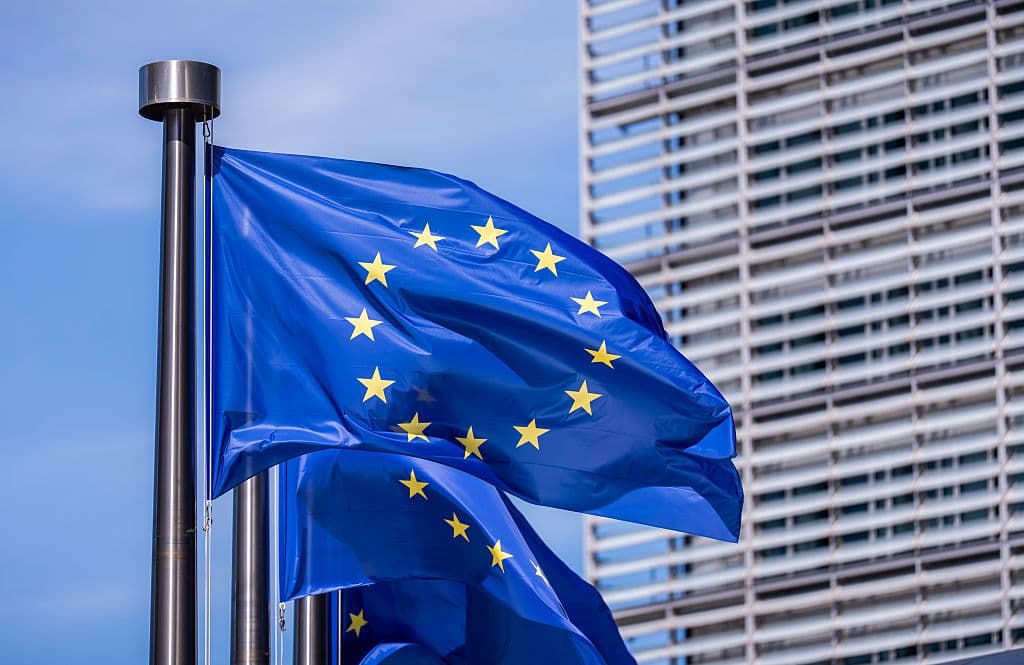
BRUSSELS, Belgium — EU foreign ministers said on July 13 that the bloc's much-anticipated 21st package of sanctions against Russia is unlikely to be finalized by the end of their meeting that day, as objections linger over measures targeting Russian fish, ships, and the price of oil.
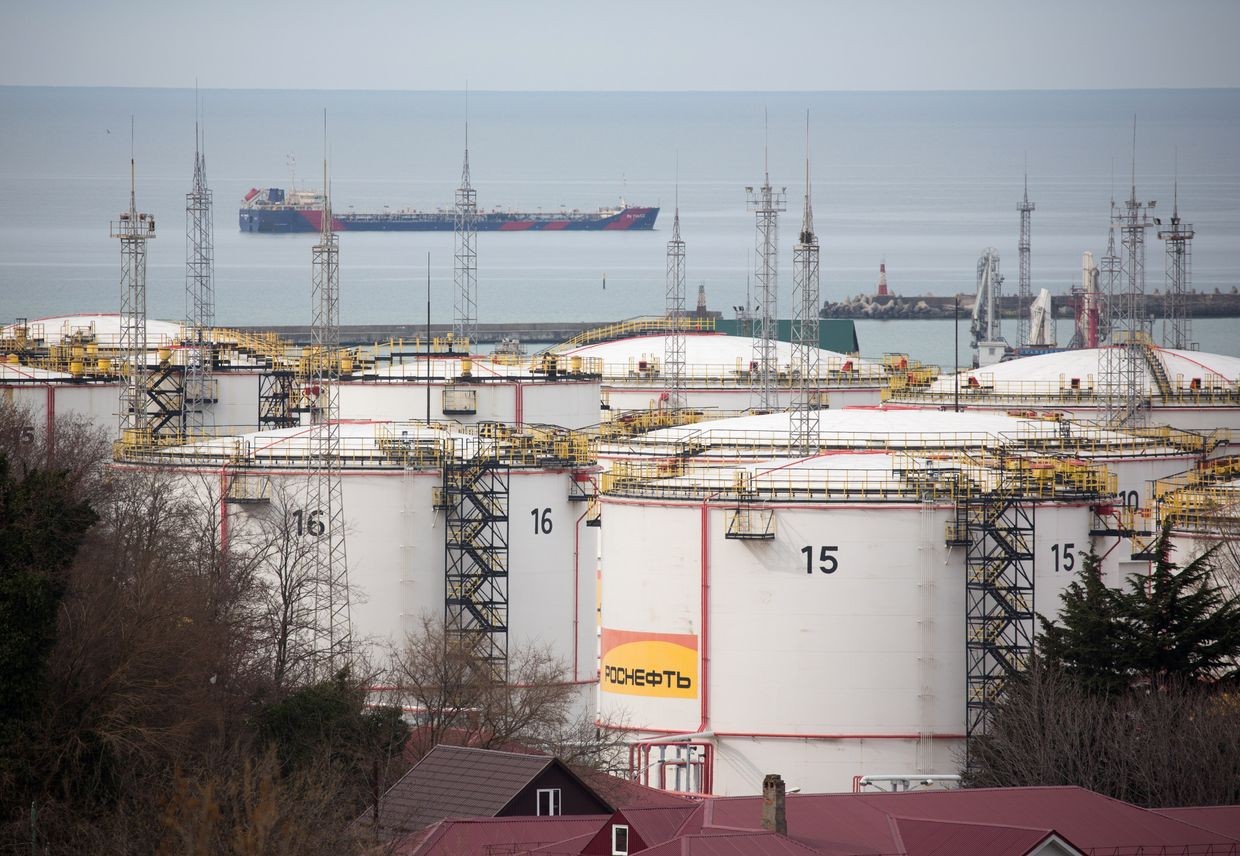
The clock is ticking, as on July 15 the EU's current price cap on Russian oil, which limits Moscow to earning $44.10 per barrel, is set to tick upwards unless action is taken, Ireland's Foreign Minister Helen McEntee told journalists.
Agreement "may not be today, but it should be within a few days," Danish Foreign Minister Lars Lokke Rasmussen said, before he entered the meeting with his EU counterparts.
The EU's oil price cap mechanism is under political strain because of U.S. President Donald Trump's decision to attack Iran in February, which led to a spike in oil prices.
The price cap is calculated relative to free-market prices, meaning it can theoretically go up as well as down. A rise in the cap means more revenue for Russia, which it can invest in its war effort against Ukraine.
The EU proposed in June to freeze the price cap at $44.10 for another six months, until the price shock is hopefully over.
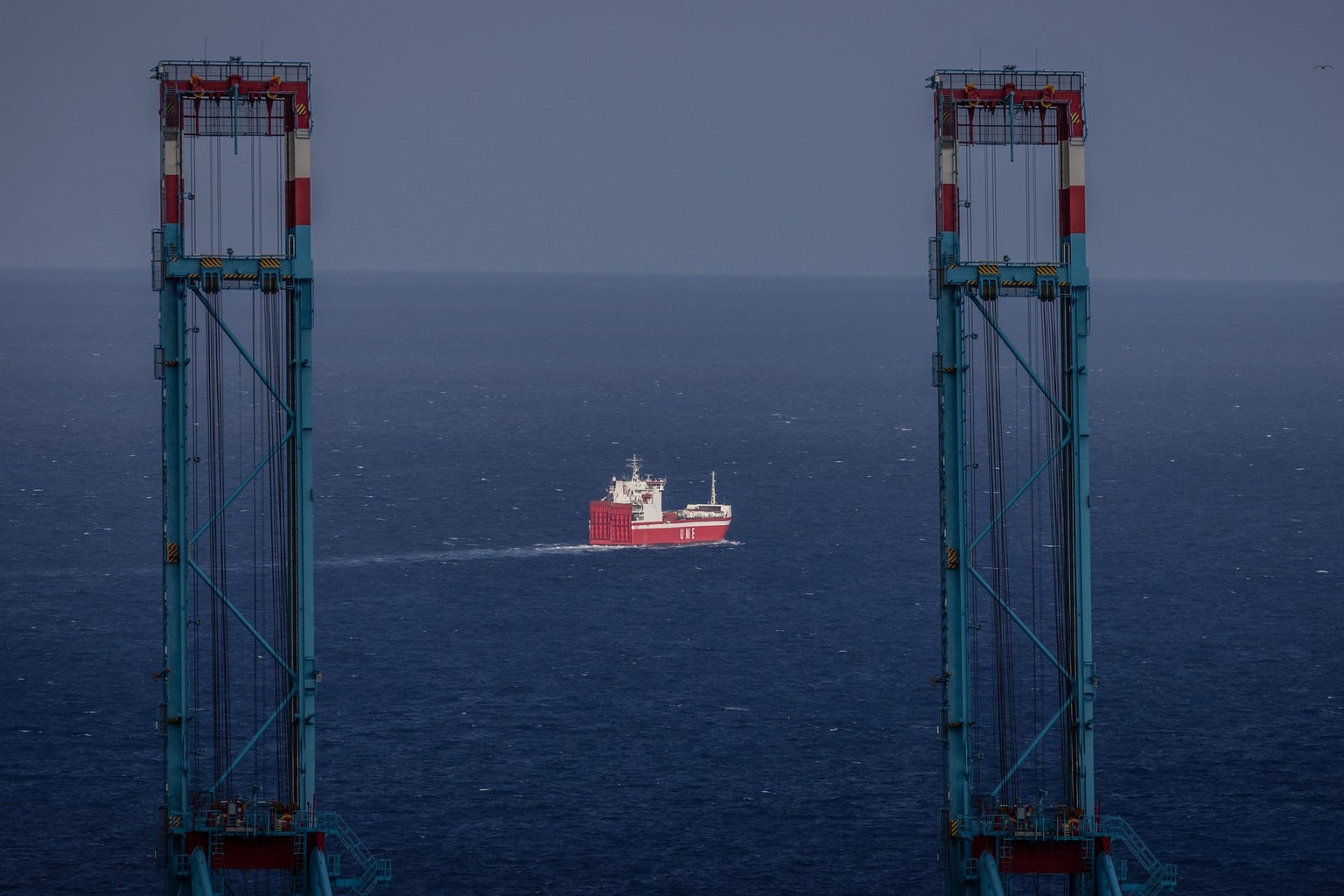
But the idea is facing pushback from several countries, led by Greece, which fear that sticking to such a low price could lead ships to no longer fly under a Greek flag, thereby earning Athens money, and instead go to countries outside the EU.
Nor is oil the only issue causing division.
Portugal led resistance to Commission proposals to limit imports of certain types of Russian fish, fearing it could spell the death of its fish finger industry, which relies on very low-margin operations.
Bulgarian objections to including the head of Russia's Orthodox Church and the head of the energy company Lukoil have already been accepted, and they will not appear in the sanctions listings, confirmed the country's foreign minister.
"Every time we make a sanctions pact, it gets a little harder," Rasmussen said.
"We see that with each new package, the more economic interests of member states are taking the lead in the discussion. And it's a very dangerous trend," his Lithuanian counterpart Kestutis Budrys told journalists.
One EU official familiar with the ongoing discussions was confident an agreement will be reached, telling the Kyiv Independent on condition of anonymity that "one or two days more or less don’t really matter."
German Foreign Minister Johann Wadephul said "the agreement will not happen today, but in the next few days. Europe must show this week that it is capable of acting.
"While we are not there yet, I do believe that we can reach an agreement," McEntee said.
"I think what's very clear from the room is that there is a determination from all member states that we would agree the strongest possible package," she added.