How Ukraine's strikes inside Russia became a headache for its NATO allies
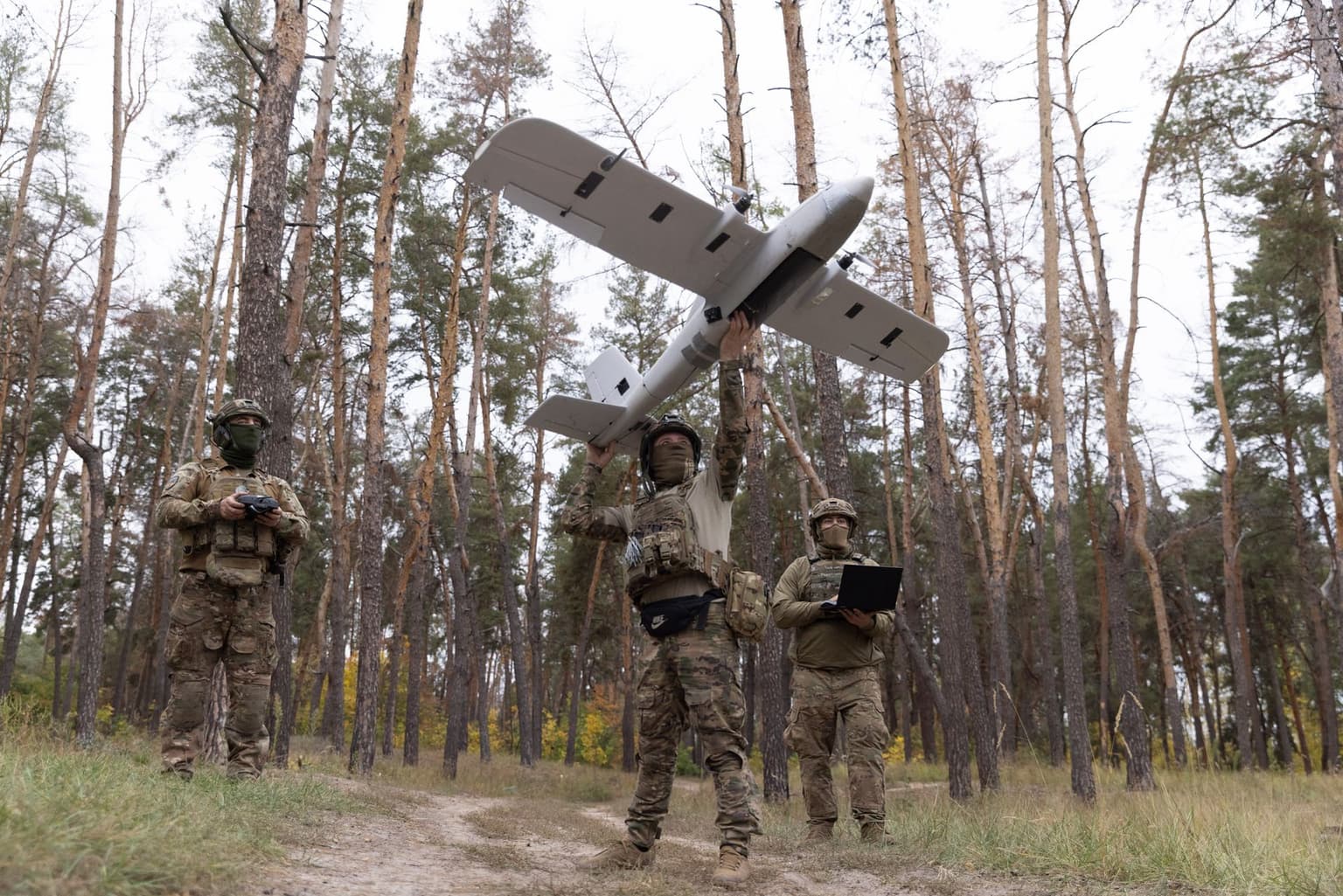
Ukrainian soldiers prepare an "Evanger" UAV for launch in Kharkiv Oblast, Ukraine, on Sept. 24, 2025. (Yevhen Titov / Global Images Ukraine / Getty Images)
 on Google
As Ukraine expands its long-range drone campaign deep inside Russia, Moscow appears to have found a way to turn some of those attacks into a problem for Kyiv.
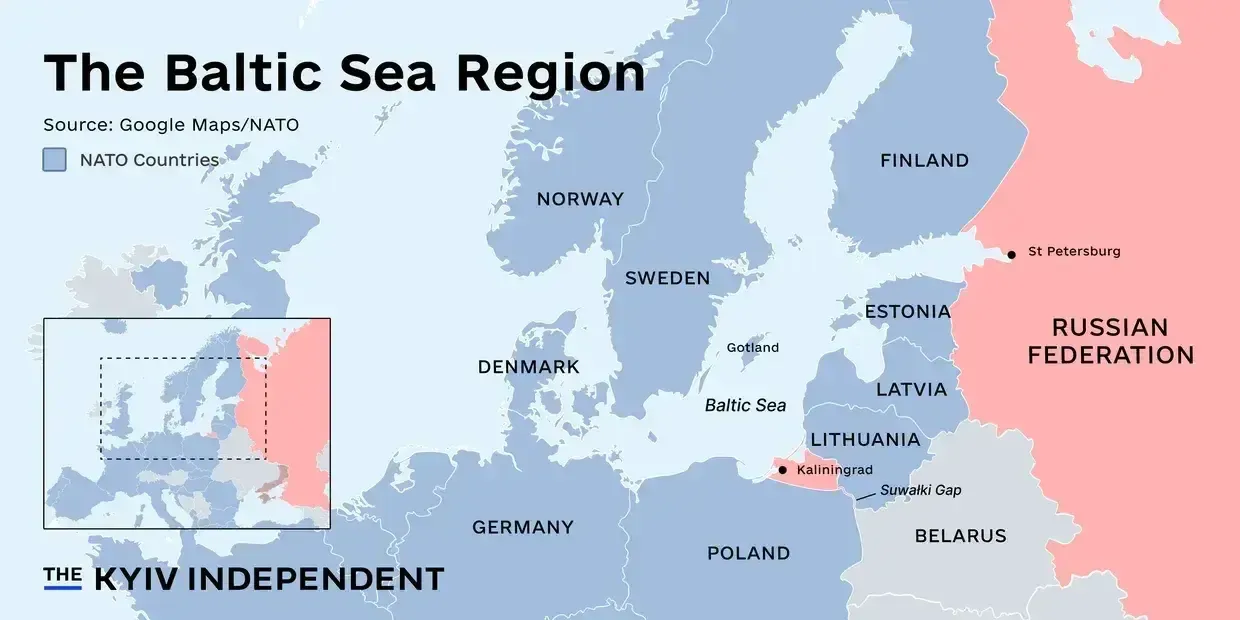
Russia has begun jamming Ukrainian drones and redirecting them toward neighboring NATO countries, particularly the Baltic states and Finland, creating a growing security and political challenge for some of Ukraine's closest allies.
Several Baltic officials and public figures who spoke to the Kyiv Independent warned that if the incidents continue, they could gradually erode public support for Ukraine in countries that have been among Kyiv's strongest backers.
What's happening?
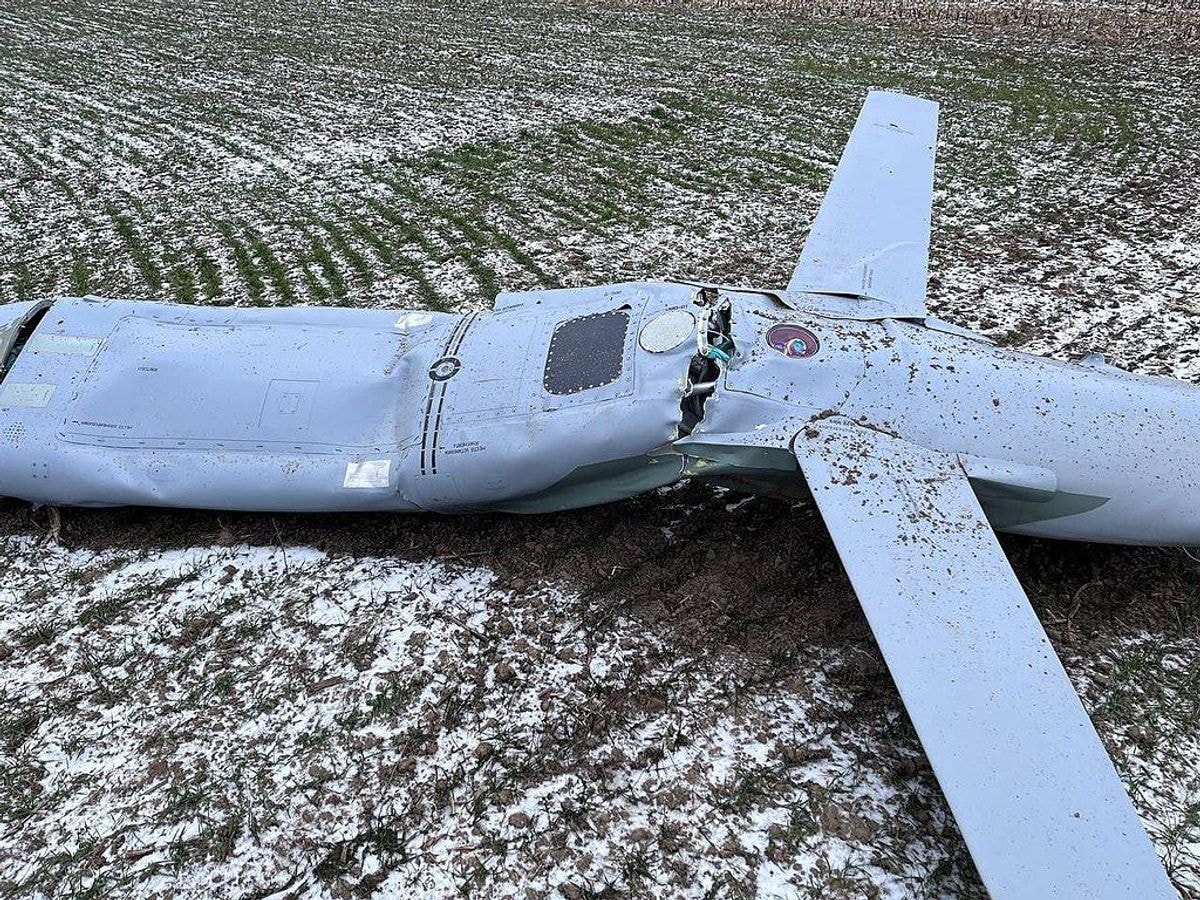
The first major incident took place in March, when several drones crashed in Finland. Local authorities confirmed that at least one of them was Ukrainian.
The incident prompted an official apology from Kyiv.
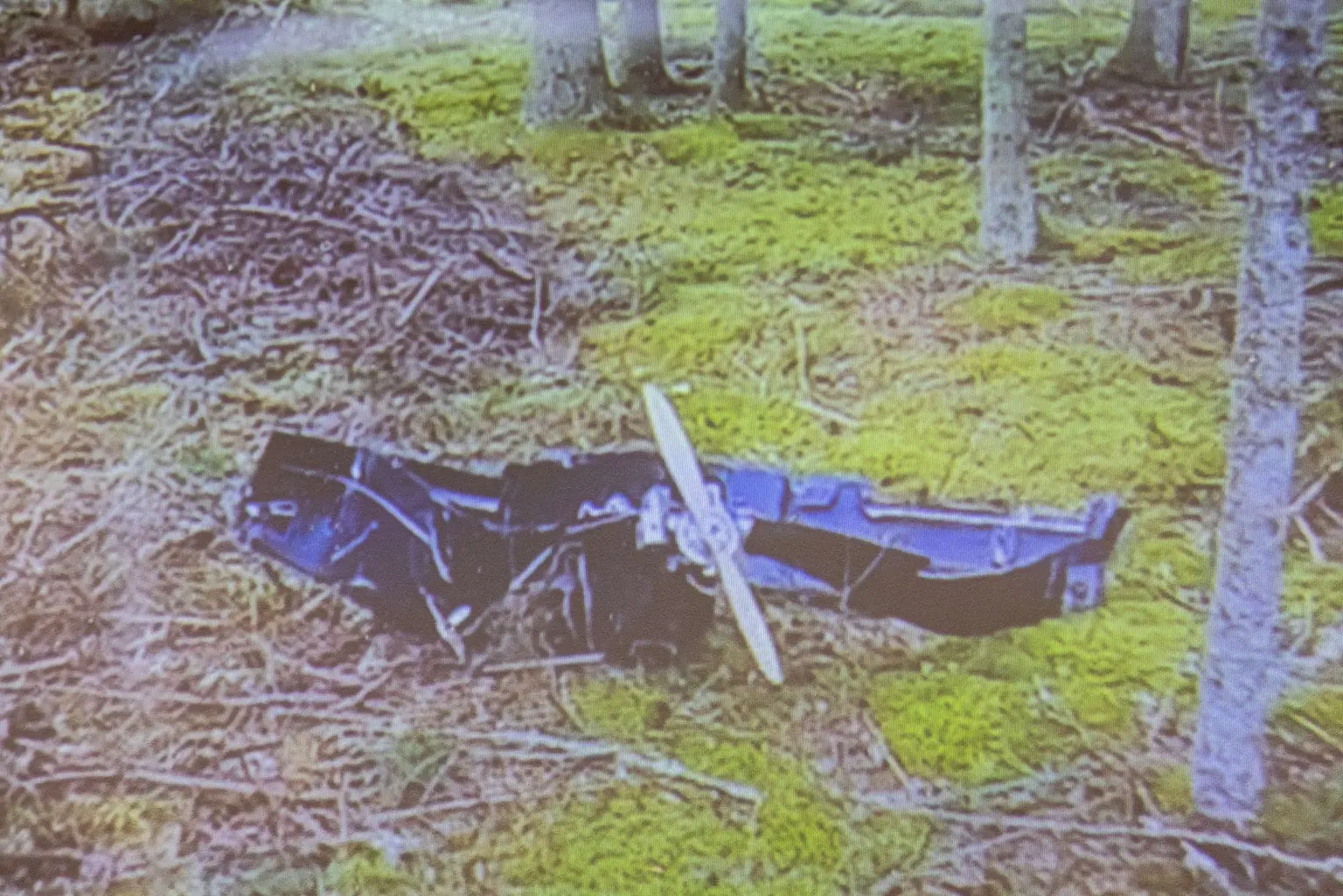
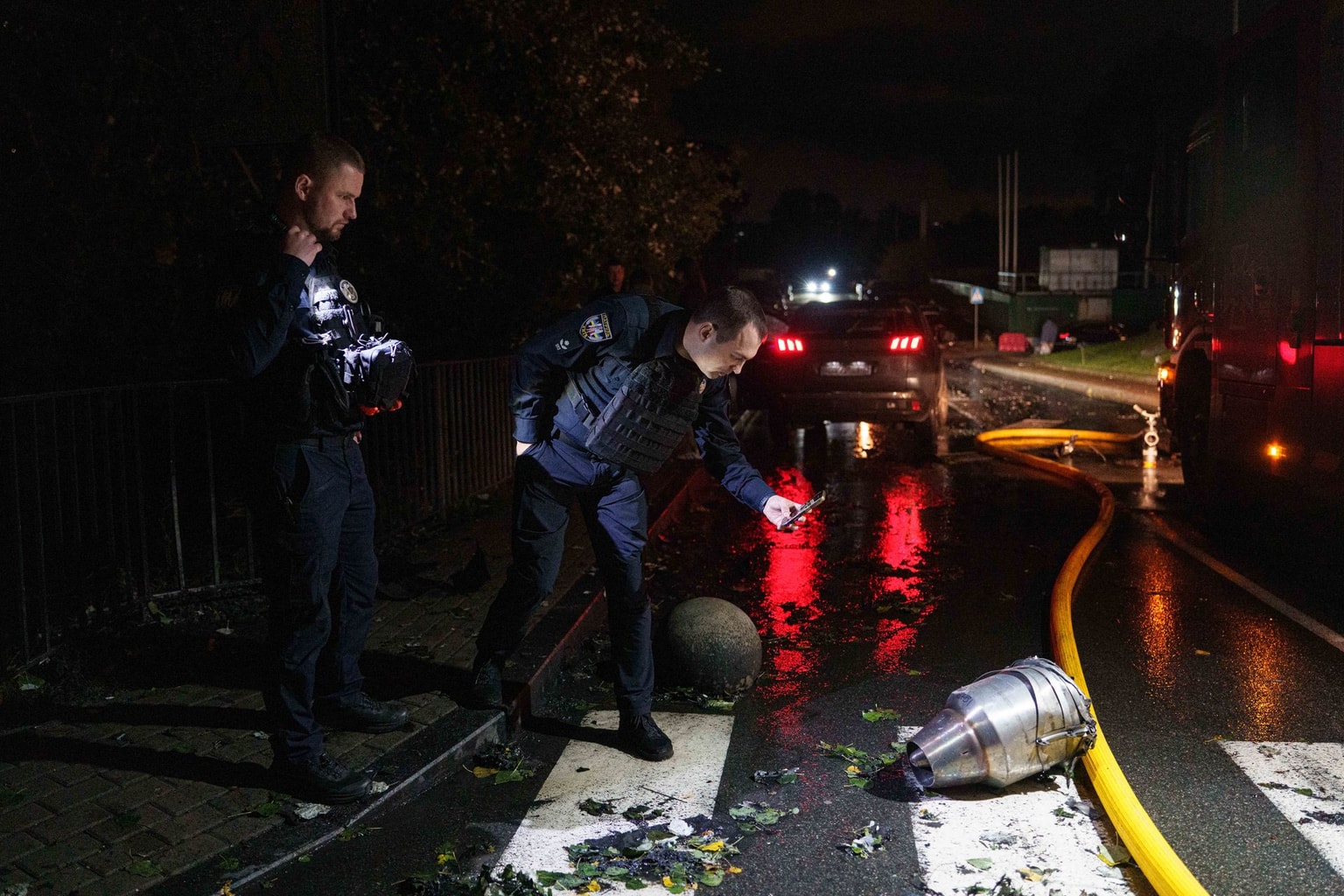
Then, in May, several drones entered Latvian airspace from Russia, with one crashing near an oil storage facility in the eastern city of Rezekne, close to the Russian border.
Until then, Ukrainian drones had never struck anything inside Latvia.
For several days, Latvian officials avoided publicly confirming the drones' origin despite reportedly having evidence showing where they came from.
Ukraine ultimately clarified the situation and again apologized.
The fallout in Latvia was immediate and severe.
The drone incident exposed deep tensions within the ruling coalition over national security and triggered a political crisis that culminated in Latvian Prime Minister Evika Silina announcing on May 14 that she would resign.
Soon afterward, Estonia faced its own crisis.
A NATO fighter jet shot down a suspected Ukrainian drone over Estonian territory on May 19 for the first time. Similar incidents occurred several times again in the following days, fueling growing concerns in the region.
Russia's role
Officials say there is no indication that Ukraine intentionally targeted allies. Each incident occurred during Ukrainian strikes against targets inside Russia.
Ukraine, which has been defending itself against Russia's full-scale onslaught for over four years, has expanded its drone operations, with Moscow's energy and military facilities in the country's northwest serving as Kyiv's primary targets.
According to Ukrainian officials, Russia is deliberately using electronic warfare systems to redirect Ukrainian drones into NATO territory.
"Russia continues to redirect Ukrainian drones into the Baltics with the use of its electronic warfare. And Moscow does this on purpose, together with intensified propaganda," Ukrainian Foreign Ministry spokesperson Heorhii Tykhyi said.
The propaganda component quickly became visible after each incident.
Russian officials immediately began trying to portray the crashes as evidence that Ukraine — or even NATO countries themselves — were threatening regional security.
Russia's Foreign Intelligence Service (SVR) on May 19 escalated the rhetoric further by openly threatening Latvia, making unsubstantiated claims that Ukrainian drones were using Latvian territory to target Russia.
The agency claimed that Ukrainian personnel from the Unmanned Systems Forces were already stationed at Latvian military bases and added that "the locations of decision-making centers on Latvian territory are well known."
Former Russian President Dmitry Medvedev went even further, suggesting Baltic countries should invoke NATO's Article 5 collective defense clause against Ukraine.

"They should have proposed something else: to invoke Article 5 of the Washington Treaty against (Ukraine) in connection with the attack," Medvedev said.
The messaging reflected a broader Russian effort to create friction between Ukraine and its allies by framing Kyiv as a threat to European security.
What makes the situation especially sensitive is that the Baltic states and Finland have consistently ranked among Ukraine's strongest supporters.
Estonia, Latvia, Lithuania, and Finland — all bordering Russia or Belarus — have pushed for tougher policies toward Moscow while providing military and financial support to Kyiv at levels exceeding those of larger European states relative to their size.
Now, officials worry that repeated drone incidents could slowly undermine that support.
Growing concern in Baltics
Several Baltic officials acknowledged that public frustration could eventually grow if such incidents continue.
Toomas Hendrik Ilves, Estonia's president from 2006 to 2016, warned that repeated drone incursions could gradually damage public attitudes toward Ukraine.
"Yes, absolutely… who wants to have drones coming into their territory?" Ilves told the Kyiv Independent when asked whether such incidents could affect support for Kyiv.
"That is a worry. I mean, I worry about it," he added.
Ilves pointed to Latvia's political crisis as an example of how serious the consequences could become.
"We saw it had a concrete effect in Latvia," he said, warning that although the impact remains limited for now, "if it keeps happening… I'm sure it will start to affect opinions."
Estonian Defense Minister Hanno Pevkur similarly said Estonia had publicly urged Kyiv to tighten drone controls specifically to avoid political fallout among allies.
"We need to say that. We need to talk about it. And we need to be very clear and frank with each other," Pevkur told the Kyiv Independent.
"There is no need to jeopardize the support of Estonians to Ukraine," he added, noting that Kyiv wants allies such as Estonia, Latvia, Poland, and Finland "on their side."
Polish Defense Minister Wladyslaw Kosiniak-Kamysz also publicly addressed the issue in unusually direct terms.
"Ukraine must be more precise here, of course, to avoid giving rise to Russian provocations," he said on May 21.
"Our territories should not be violated, they should not be threatened."
Ukraine tries to contain fallout
Kyiv moved quickly to reassure allies after the incidents, aware of the political sensitivity surrounding the issue.
Foreign Minister Andrii Sybiha said Ukraine was prepared to work directly with the Baltic states and Finland to prevent similar incidents in the future.
"I confirmed Ukraine's readiness to cooperate with the Baltic states and Finland to prevent such incidents, including through the direct involvement of our experts," Sybiha said.

He also stressed that Ukraine possesses extensive expertise in countering drones after years of defending itself against mass Russian attacks.
One Ukrainian official told the Kyiv Independent that Kyiv is now in "daily contact" with Baltic allies regarding the incidents and possible preventative measures, although the person declined to specify what those measures might involve.
The EU also acknowledged the growing threat while emphasizing the need for stronger collective defense mechanisms.
European Commission spokesperson Thomas Regnier told the Kyiv Independent that national governments remain responsible for responding to incursions, but argued the incidents show the importance of broader European defense initiatives.
"What this does highlight is indeed the need for the EU flagships that we have put on the table, including the drone defense initiative, for example, or the air shield," Regnier said.
Shared understanding
Despite the tensions, Baltic officials repeatedly stressed one central point: they ultimately blame Russia, not Ukraine.
Jonatan Vseviov, secretary-general of Estonia's Foreign Ministry, said the public in Estonia largely understands that the incidents are a direct consequence of Russia's invasion.
"Estonian public is well-informed, enough to understand the reason why drones are flying around: the reason behind that is the Russian war of aggression," Vseviov told the Kyiv Independent.

"It was a choice made in Moscow, not in Kyiv."
He added that the drones entered Estonian airspace because of "Russian jamming," and argued that most people understand the broader context.
"These things should not happen, cannot happen, must not happen," he said, adding that the only real solution is ending Russia's war.
A Latvian official expressed a similar position.
"We believe that Ukraine has every right to self-defense, including with these counter-attacks," the official told the Kyiv Independent.
"We are planning to cooperate with Ukraine in exchanging best practices in drones and anti-drone technologies."
"It's a Russian problem, since it arises from Russia continuing its war against Ukraine."
read also
Note from the author:
Hi, this is Tim Zadorozhnyy, one of the authors of this article.
From our newsroom in Ukraine, we report on the issues that matter to a global audience, without outside influence. Independent journalism is only possible with reader support. If you value our work, please consider supporting us — it makes a real difference.