'A missile reaches Kyiv in 2-4 minutes' — official explains air alarm lag during Russian ballistic strikes
 on Google

Serhii Beskrestnov, adviser to Defense Minister Myhailo Fedorov, offered a public explanation on July 14 for the recent delays in aerial alert systems during Russia's ballistic missile attacks on Kyiv.
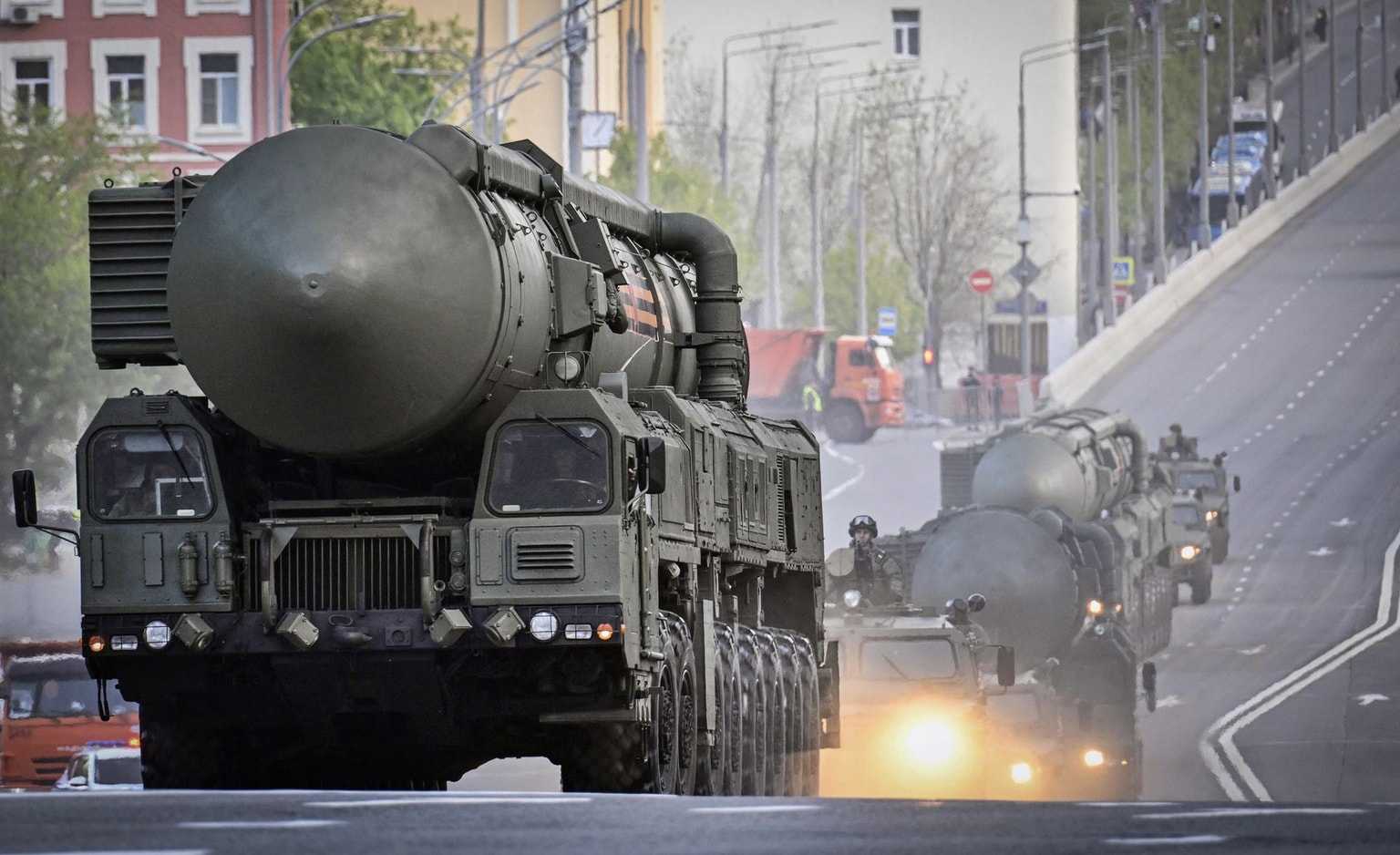
Russia has intensified attacks on the capital over the past months, sometimes launching multiple ballistic missile strikes at Kyiv in one week. The new aerial attack strategy has exhausted Ukraine's supply of Patriot interceptors — the only air defense munitions capable of reliably shooting down ballistic missiles — leaving the city vulnerable to Russian Zircons, Kinzhals, and Iskanders.
Kyiv residents are regularly woken in the middle of the night or early morning by the blare of air raid alarms, warning that ballistic missiles have been launched at the city.
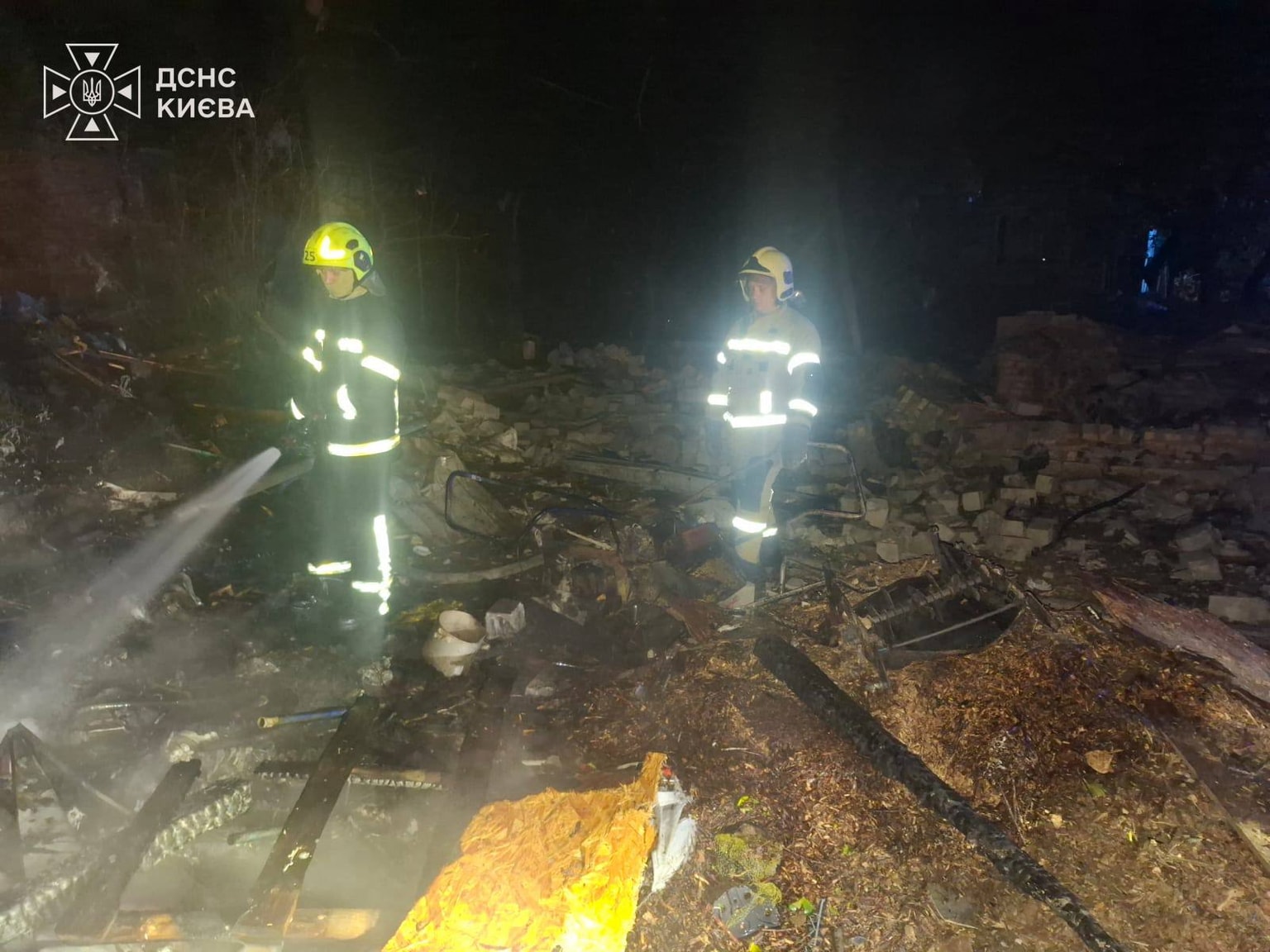
But sometimes, there's no warning at all. During a Russian strike on July 11, Kyiv Independent journalists on the ground heard the explosions first — the air raid sirens did not sound until two minutes later.
Beskrestnov attempted to explain the issue in a social media post on July 14.

"Why do ballistic alerts sometimes go off after the missile has already arrived?" Beskrestnov wrote.
"All information about launches or launch preparations comes to us from our partners. None of us knows — nor should we know — how they obtain this information, but it doesn't take a genius to figure out that the main sources of information are satellite surveillance of launch sites and systems that record launch data."
According to Beskrestnov, delays in transmission can cause the alert system to fail due to the high speeds of the missiles.
"A missile reaches Kyiv in 2–4 minutes, so time is very limited. Any system failure will cause a delay in receiving information. No system can be perfect, so failures do occur, and the alert may be delayed."
Beskrestnov said that satellite surveillance could also lead to false alarms, where the sirens go off but no attack follows.
"This happens because satellites detect activity at launch pads that precedes missile launches, but the launches themselves may not take place for some reason. ... reconnaissance satellites visually detect activity at a launch pad, but it's unclear whether a launch will actually take place or not."
Russia's increased reliance on ballistic missile attacks on urban centers has already made June 2026 one of the deadliest months for Ukrainian civilians since the early days of the full-scale invasion.
Without Patriots to intercept these faster, more powerful weapons, alarm systems are one of the last lines of defense between civilians and Russian aerial terror.