US plans to withdraw 5,000 troops from Germany amid rising transatlantic tensions
 on Google

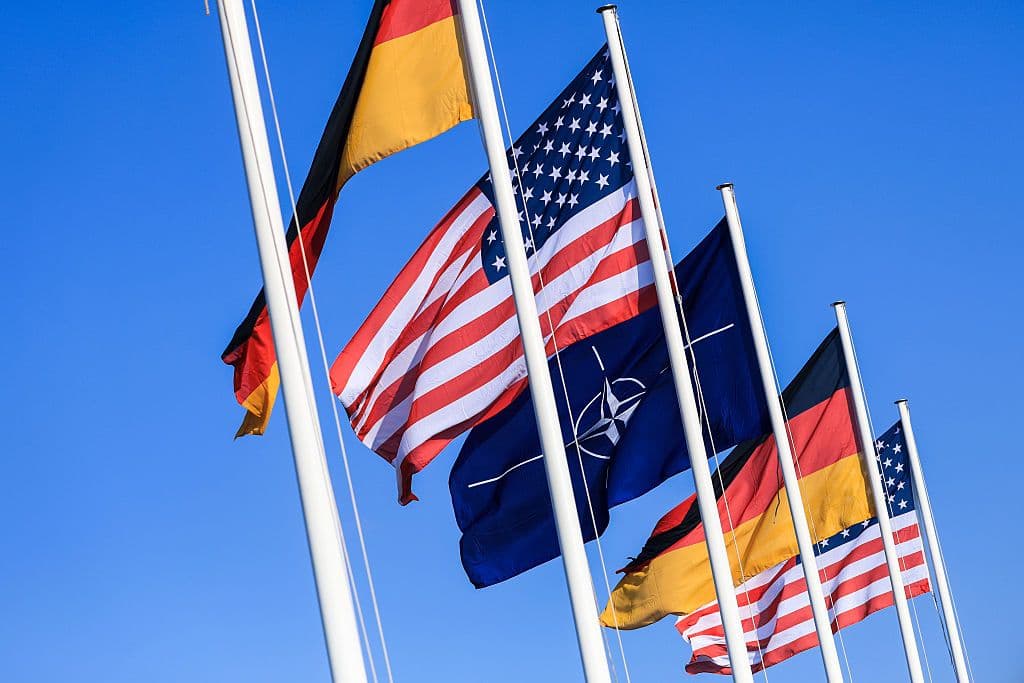
The United States will withdraw about 5,000 troops from Germany, a key NATO ally, amid rising tensions between Washington and Berlin over the war in Iran.
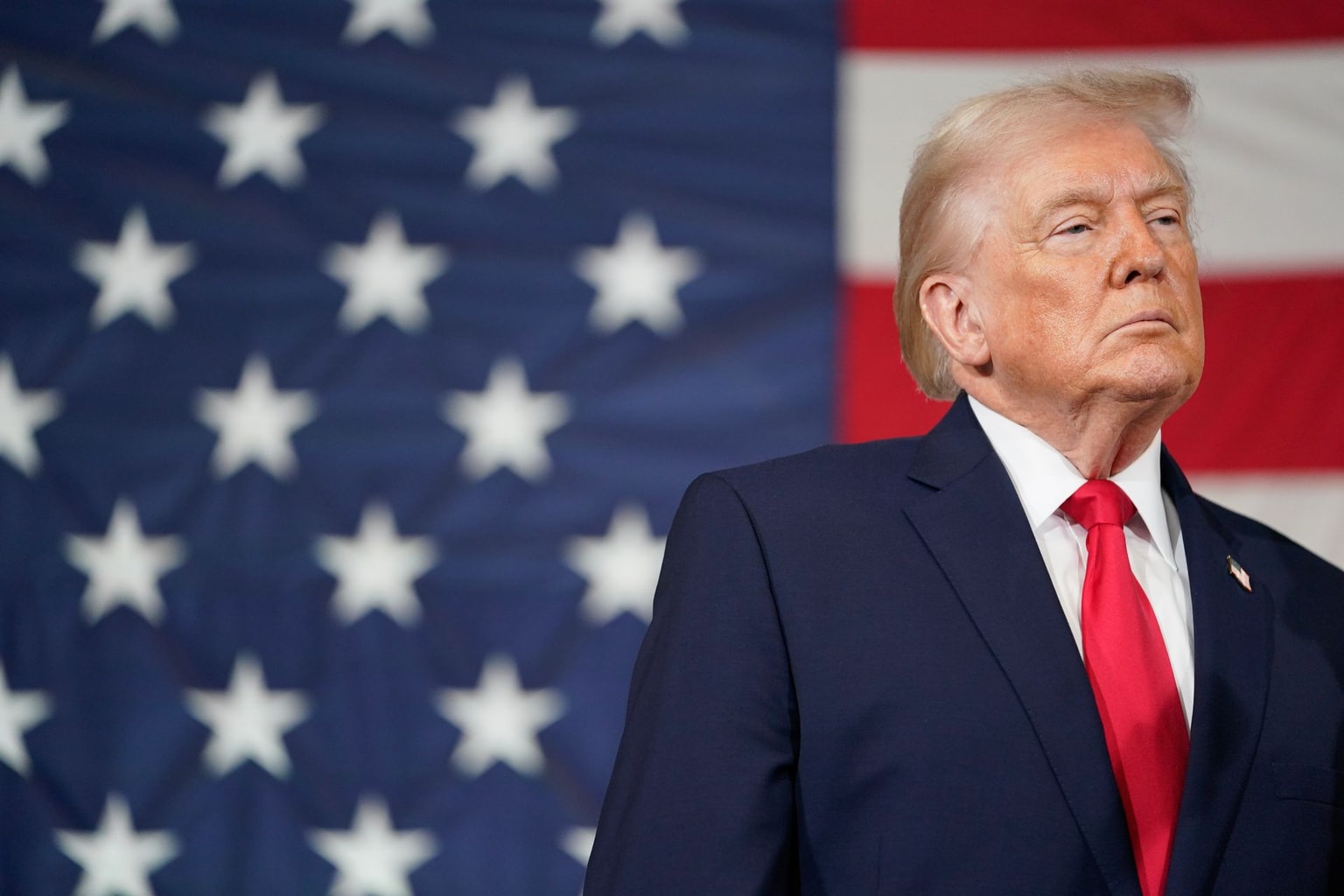
The U.S. Department of Defense made the announcement on May 1, following a week of sharp exchanges between U.S. President Donald Trump and German Chancellor Friedrich Merz. Trump had earlier threatened to withdraw U.S. forces after Merz criticized Washington's handling of the Iran war.
"The Iranians are obviously very skilled at negotiating, or rather, very skilful at not negotiating, letting the Americans travel to Islamabad and then leave again without any result," Merz said April 27 while speaking to students in western Germany.
"An entire nation is being humiliated by the Iranian leadership, especially by these so-called Revolutionary Guards. And so I hope that this ends as quickly as possible," he added.
Trump responded by calling Merz "totally ineffective."
A senior Pentagon official, speaking on condition of anonymity to Reuters, described recent German rhetoric as "inappropriate and unhelpful."
"The president is rightly reacting to these counterproductive remarks," the official said.
The Pentagon said the withdrawal is expected to take place over the next six to 12 months. The reduction would bring U.S. troop levels in Europe back to pre-2022 levels, when President Joe Biden increased deployments in response to Russia's invasion of Ukraine.
The withdrawal was announced the same day Trump introduced plans to impose a 25% tariff on cars and trucks imported from the European Union starting next week, exempting vehicles produced at U.S. plants. Germany, the bloc's largest car exporter, is likely to be hardest hit.
German officials downplayed the importance of the troop withdrawal, saying a reduction in U.S. personnel was anticipated.
"We Europeans must take on more responsibility for our own security," German Defense Minister Boris Pistorius said. He added that the withdrawal would affect about 40,000 U.S. troops currently stationed in the country.
Germany is "on the right track" in terms of its own defense expansion, Pistorius said.
Germany hosts the largest U.S. military presence in Europe, with about 35,000 active-duty personnel, and serves as a central hub for training and logistics. The country's Defense Ministry on April 22 unveiled a plan to scale up the armed forces over the next several years, growing into Europe's strongest army in response to increased threats from Russia.
While Germany reacted with calm to Trump's announcement, other NATO members raised alarm. Polish Prime Minister Donald Tusk said the move signaled "a disastrous trend" in transatlantic relations.
"The greatest threat to the transatlantic community are not its external enemies, but the ongoing disintegration of our alliance," Tusk wrote on X. We must all do what it takes to reverse this disastrous trend."
NATO Spokesperson Allison Hart said that the Alliance is "working with the U.S. to understand the details of their decision on force posture in Germany."