Tehran declares full closure of Strait of Hormuz after renewed US-Iran strikes
 on Google
The Iranian military declared a complete closure of the Strait of Hormuz on June 11 after Iran and the U.S. traded strikes for the second day in a row, raising concerns about the fragility of a ceasefire.
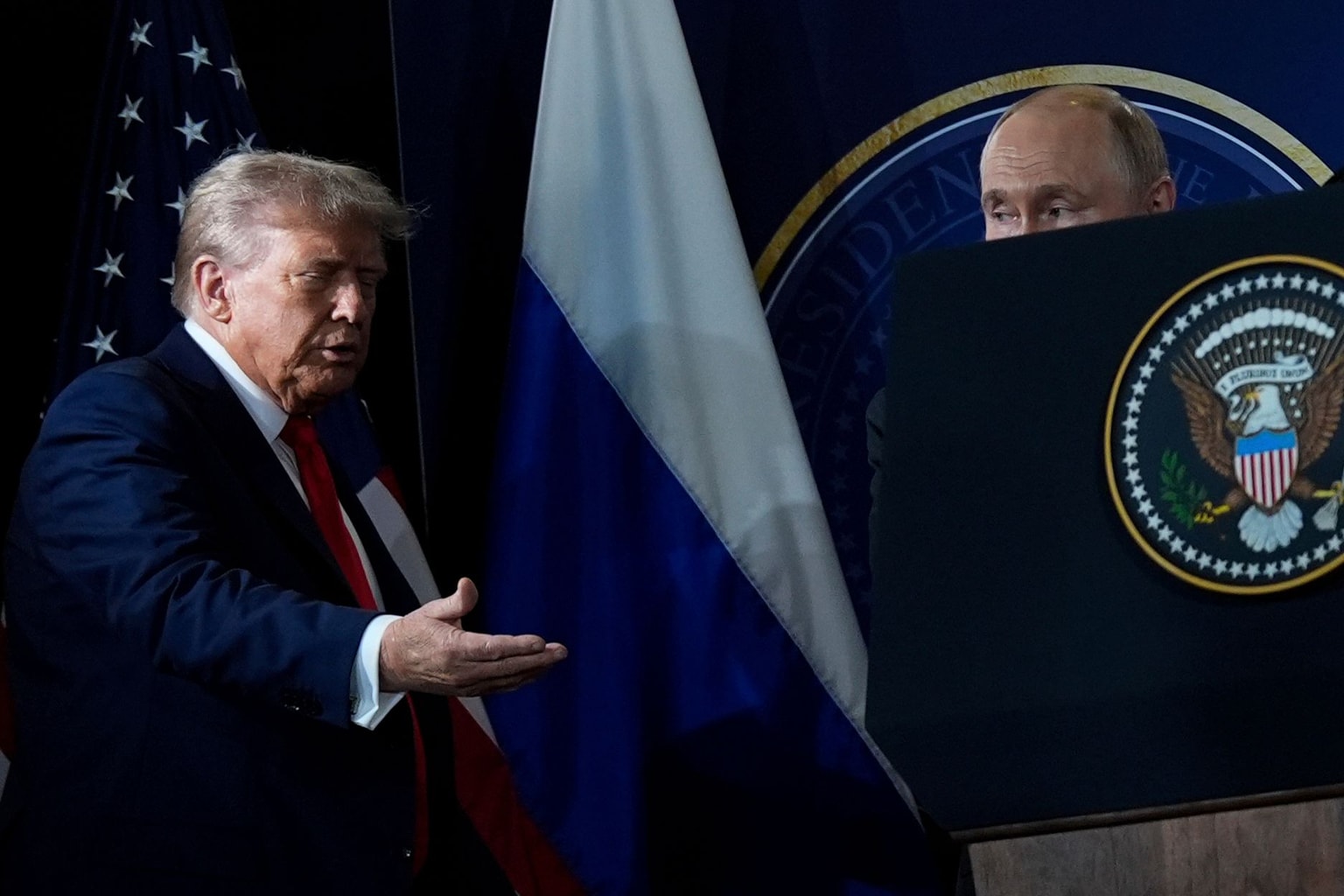
The fresh attacks came after U.S. President Donald Trump threatened to strike Iran "hard" unless it agrees to sign a peace deal.
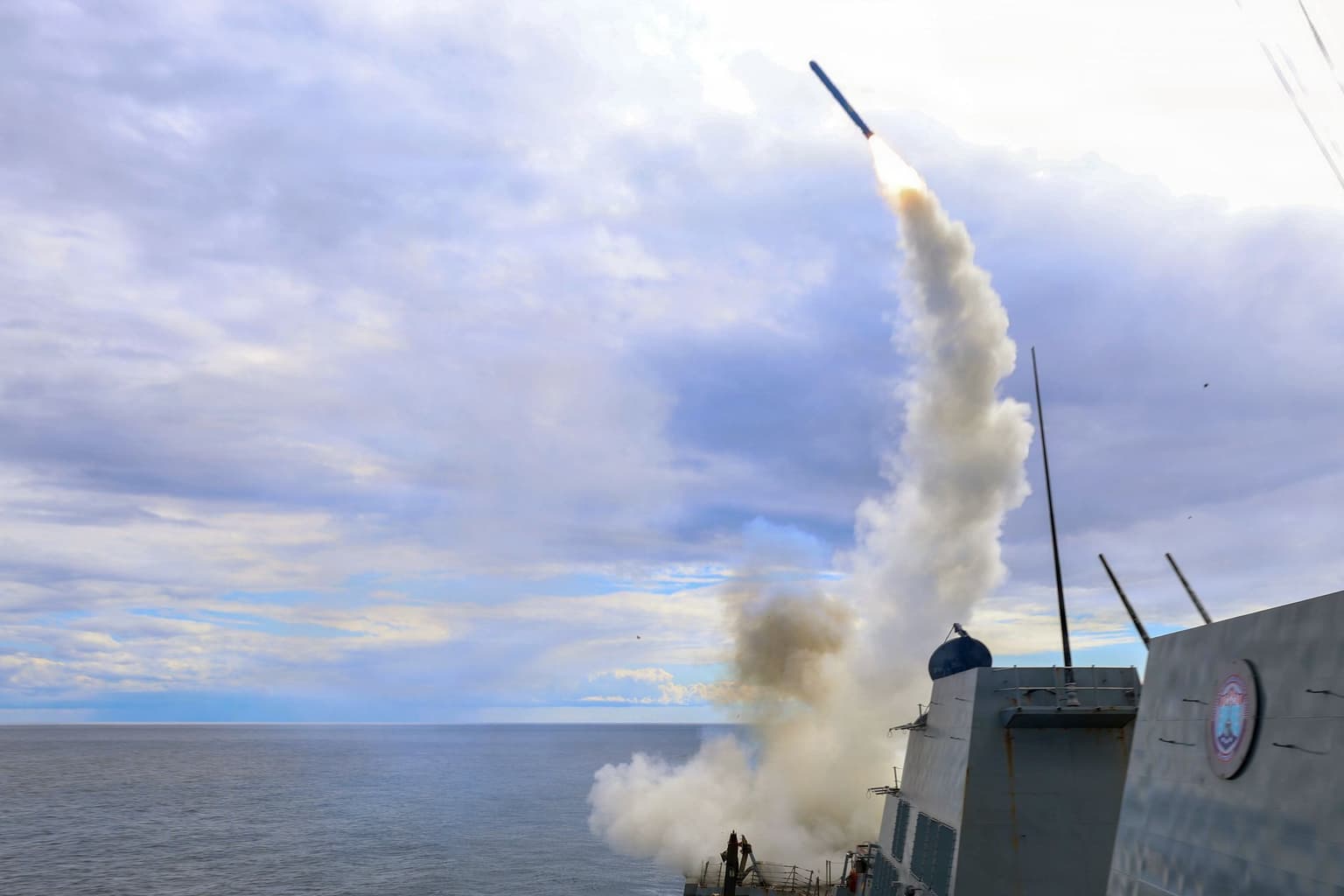
The U.S. launched dozens of Tomahawk missiles at targets in Iran in what the U.S. Central Command called "self-defense strikes."
The Iranian media reported explosions across the country, including near the Strait of Hormuz, as well as air defense fire in Tehran.
Iran responded by launching drones and missiles against U.S. bases in Bahrain, Kuwait, and Jordan.
The Iranian military also warned that any ships, including oil tankers and commercial vessels, attempting to pass the Strait of Hormuz — a key maritime route carrying one-fifth of global oil trade — will be fired at.
The U.S. military refuted the claim, saying that "commercial ships are continuing to transit in and out of the Strait of Hormuz tonight."
The fresh wave of hostilities underscores the fragility of the U.S.-Iran ceasefire brokered in early April.
The passage through the strait has been severely restricted since March in the wake of the U.S.-Israeli strikes against Iran, driving a global surge in oil and gas prices.
Trump said on June 10 that the U.S. military has covertly helped 200 commercial ships and more than 100 million barrels of oil pass the strait.