Ukraine details damage to Russian oil depot, other military targets after strikes
 on Google



Editor's note: This story was updated with the June 10 General Staff report.
Ukraine's General Staff on June 10 provided an updated assessment of damage caused by strikes carried out two days earlier against a Russian oil depot, an oil transmission and control facility, and several other military targets.
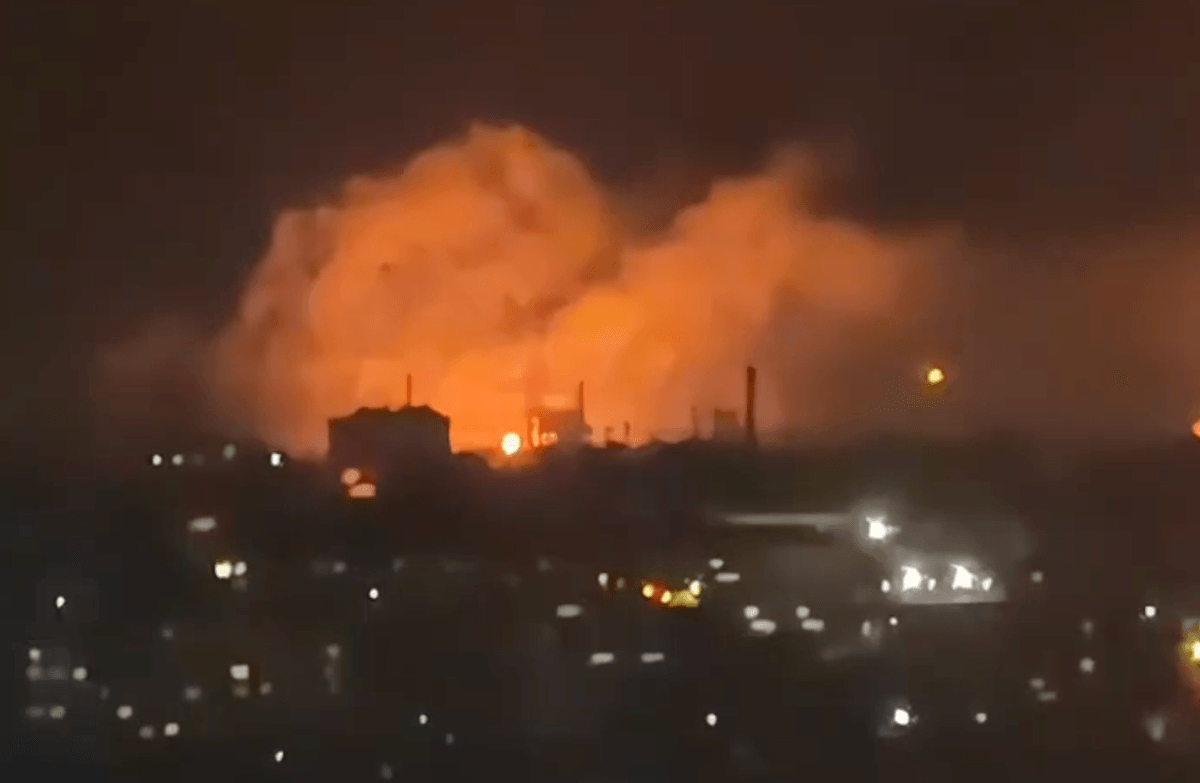
Ukraine hit the Grushevaya oil depot near the settlement of Grushevaya Balka in Krasnodar Krai overnight on June 8, causing a fire at the facility, according to the General Staff.
The General Staff followed up on June 10, reporting that additional evidence of damage was confirmed, including fires in two oil tanks at the Grushevaya oil depot and in infrastructure used to assess the quality of petroleum products.
The depot forms part of the Sheskharis transshipment complex, a key hub in Russia's southern oil export network and the final destination of several major oil pipelines. The facility handles the reception, storage, and shipment of crude oil and petroleum products through the port of Novorossiysk and has a storage capacity of approximately 1.4 million cubic meters.
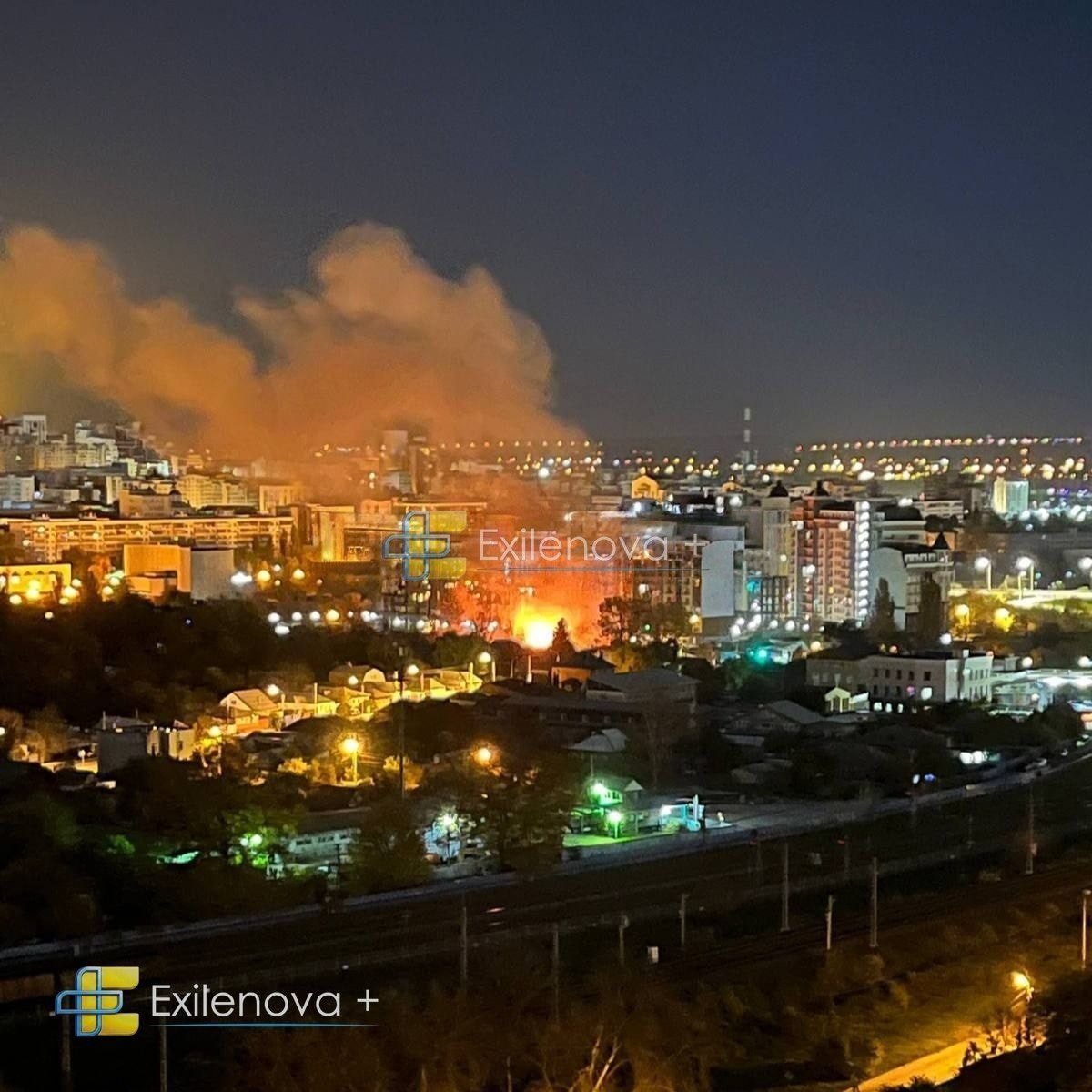
Photos and video posted earlier on June 8 to social media by local residents purports to show thick black smoke billowing from the area of the Grushevaya Balka oil depot in the Russian city of Novorossiysk.
Ukrainian forces also struck the Krasny Yar Line Production Dispatch Station (LPDS) in Russia's Volgograd Oblast. The General Staff confirmed that the strike set fire to a single oil tank with a capacity of 50,000 cubic meters.
The facility serves as a critical node in Russia's oil transportation network, directing supplies toward the Volgograd refinery and the Sheskharis export terminal in Novorossiysk via the Kuibyshev–Tikhoretsk pipeline.
The General Staff additionally confirmed a strike against a Russian radar station near Kabardinka in Krasnodar Krai and the Krasnoarmeysk oil pumping station in Russia's Saratov Oblast. It later confirmed that two oil tanks, each with a capacity of 50,000 cubic meters, had been set on fire at the Krasnoarmeysk oil pumping station.
Beyond targets inside Russia, Ukrainian forces reported successful strikes against Russian drone command posts near Novobohdanivka and Novoivanivka in Zaporizhzhia Oblast, Voskresenka in Donetsk Oblast, and Cherkaska Konopelka in Russia's Kursk Oblast.
A drone unit workshop operated by Russian forces was also struck near Burchak in Zaporizhzhia Oblast, while logistics depots were hit near Vasylivka in Zaporizhzhia Oblast and Zelene Pole in Donetsk Oblast.
The military further reported strikes on concentrations of Russian personnel near Berestok in Donetsk Oblast, Stepnohirsk in Zaporizhzhia Oblast, and Basivka in Sumy Oblast.
Ukraine's military also released updated battle damage assessments from a June 6 strike on the Ust-Labinskaya oil depot in Krasnodar Krai. According to the General Staff, the attack damaged a fuel loading rack, storage tanks, and two fuel tankers containing petroleum products.
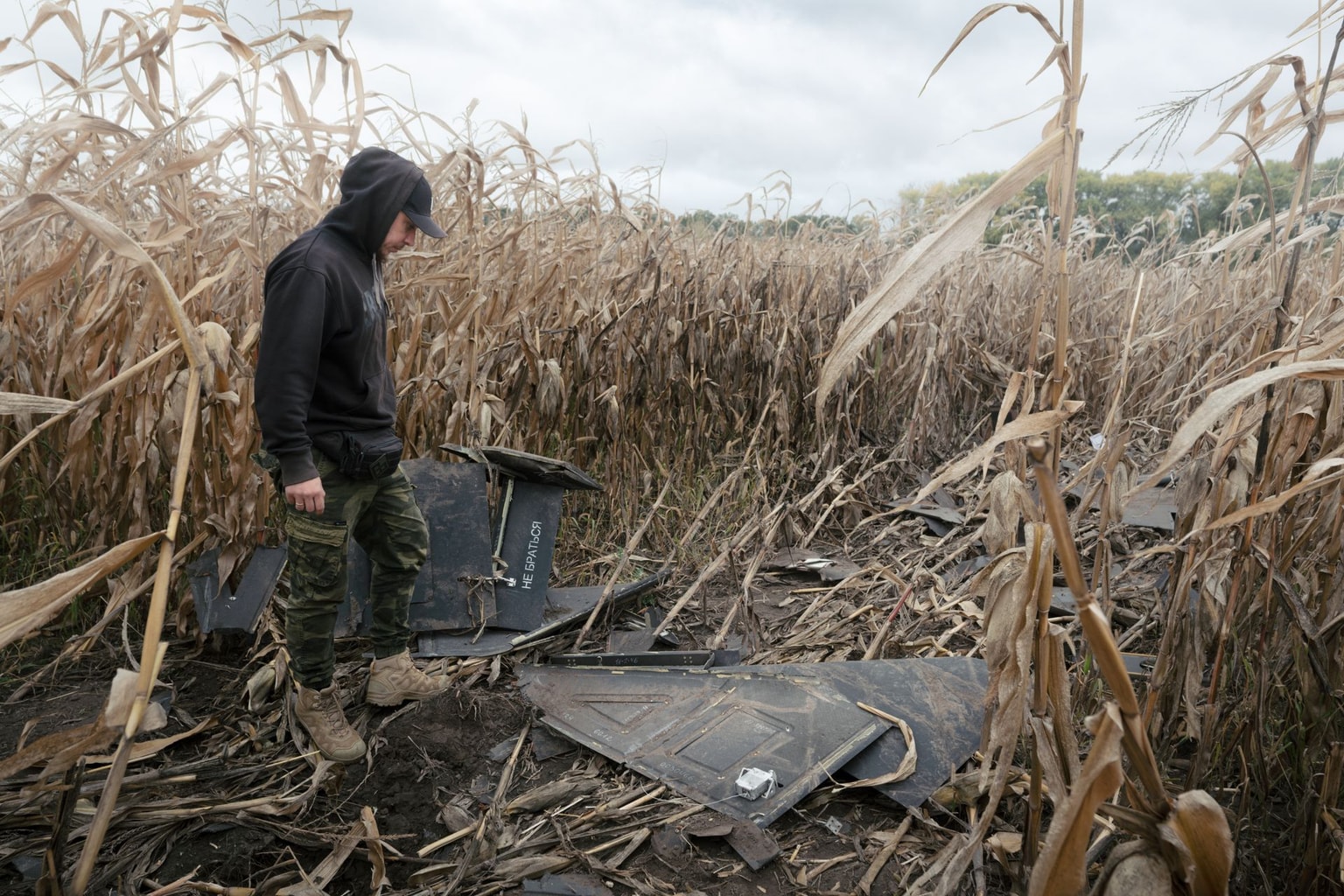
The Russian Defense Ministry claimed its air defenses shot down 310 Ukrainian drones overnight across several Russian regions, Russian-occupied Crimea, and the Black and Azov seas.
The latest strikes follow various middle strikes throughout the day on June 7, with Ukraine's Unmanned Systems Forces reporting several strikes on military infrastructure and air defense systems across all of the Russian-occupied territories of Ukraine.
Early on June 7, Volodymyr Saldo, the Russian-installed head of the occupied part of Kherson Oblast, also said that a bridge near the village of Chonhar connecting occupied Crimea with Russian-controlled parts of southern Ukraine had been damaged in a Ukrainian drone strike.
Many of these strikes have focused on the so-called land corridor connecting Russia to Crimea through occupied parts of Zaporizhzhia and Kherson oblasts, a route critical to sustaining Russian military operations in southern Ukraine.
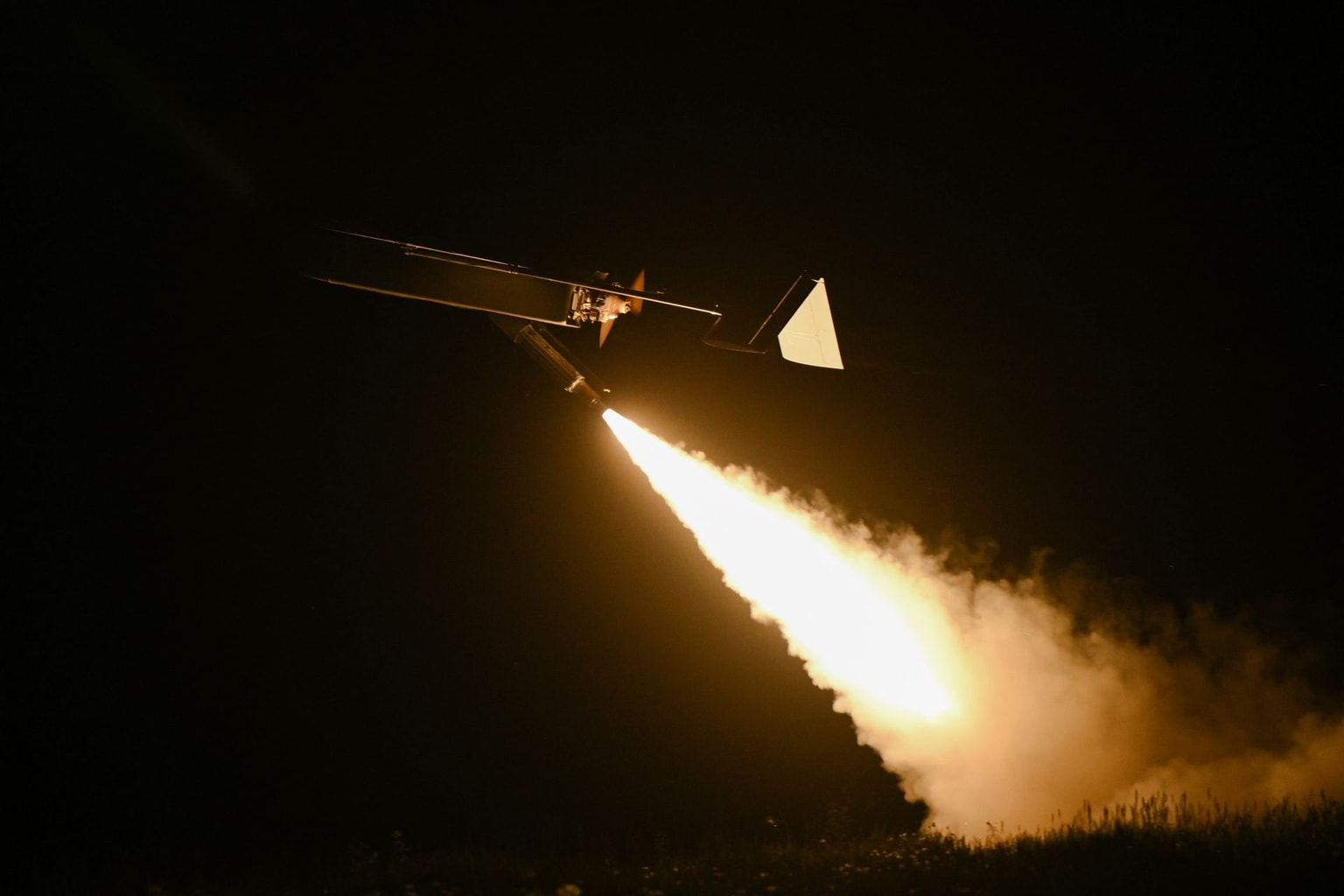
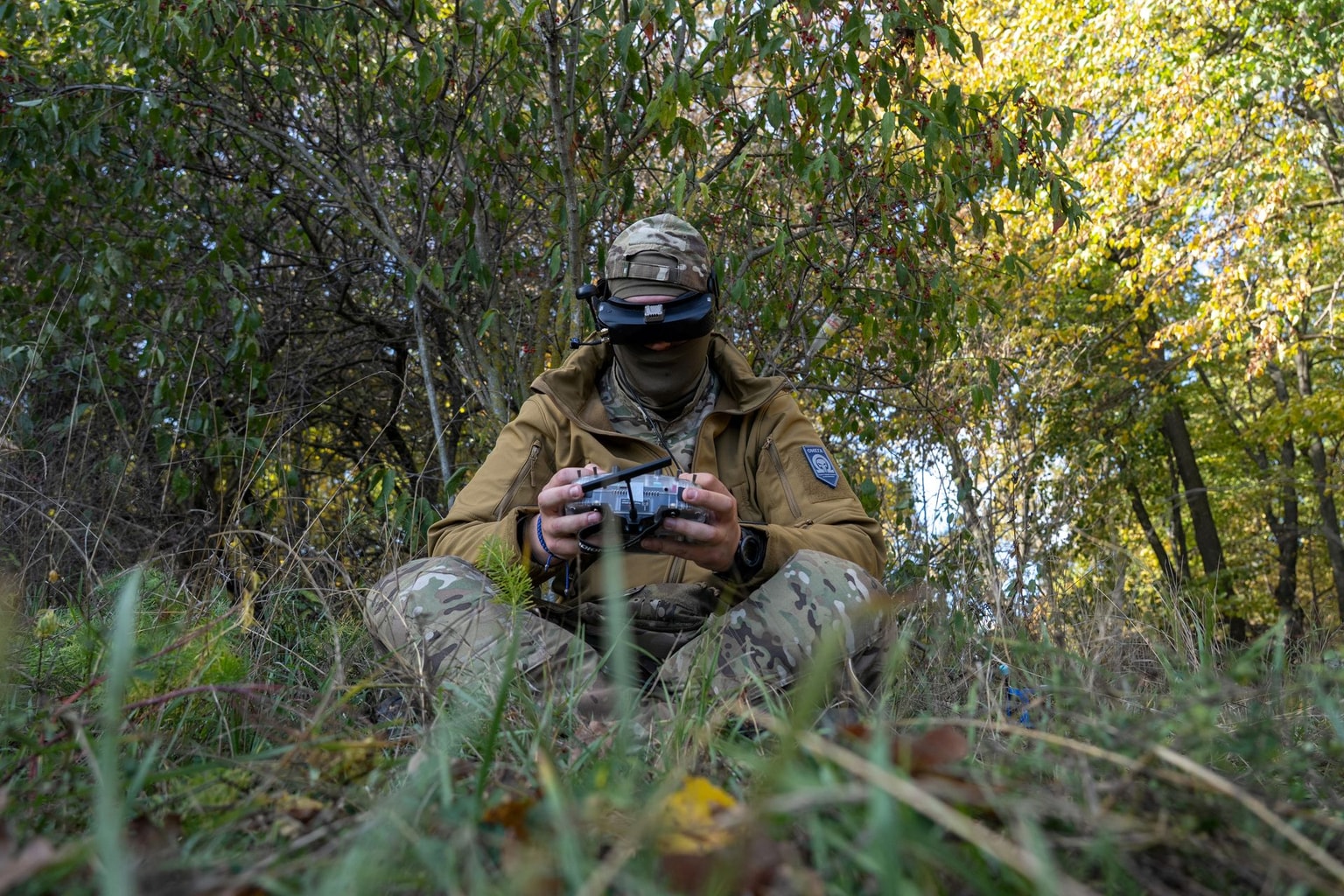
Ukraine has increasingly relied on domestically produced drones to strike targets deep inside Russia, particularly facilities tied to oil refining, logistics, and defense production that drive Russia's war effort.
The latest Ukrainian attacks on Russia come as Putin dismissed on June 5 President Volodymyr Zelensky's open letter calling for the immediate reopening of peace negotiations.