'Greatest threat' — as Russia arms for large-scale war, Germany unveils plan to build Europe's strongest army
 on Google
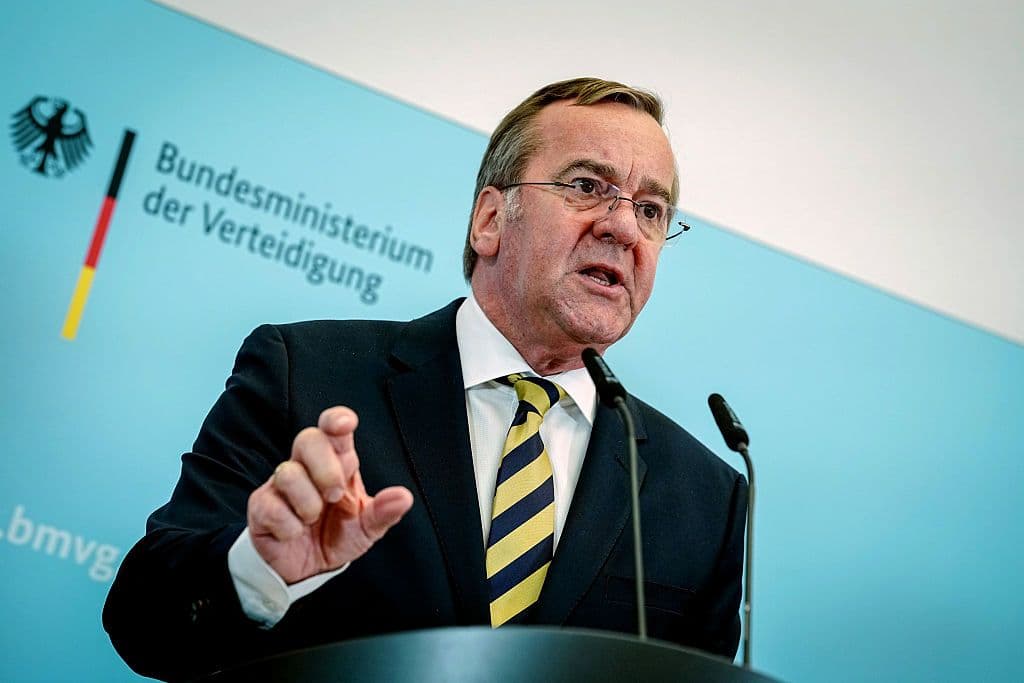
German Defense Minister Boris Pistorius unveiled a comprehensive military strategy for Germany titled "Responsibility for Europe" in a press conference on April 22.
The strategy highlights the growing threat Russia poses to European and NATO security, and outlines Germany's path to build Europe's strongest conventional army by the year 2039.
"We are transforming the Bundeswehr into Europe's strongest conventional army. In the short term, we are enhancing our defensive capabilities; in the medium term, we aim for a significant buildup of capacity; and in the long term, we will ensure technological superiority," Pistorius said.
The groundwork for the current plan was laid in June 2024, when Pistorius publicly presented his vision for a "new military service." Then, in November 2025, Germany announced a proposal to expand the country's active military personnel and reserves through a new conscription model.
That agreement marked a significant shift in Germany's defense policy, prompted by Russia’s war in Ukraine and the broader threat to European security. Pistorius' announcement on April 22 also marks the first time Germany has put forth a national military strategy since World War II.
Germany's "Responsibility for Europe" strategy warns that Russia's threat is both severe and imminent. According to the document, the pace of the country's rearmament could lead to a confrontation with NATO within the next year.
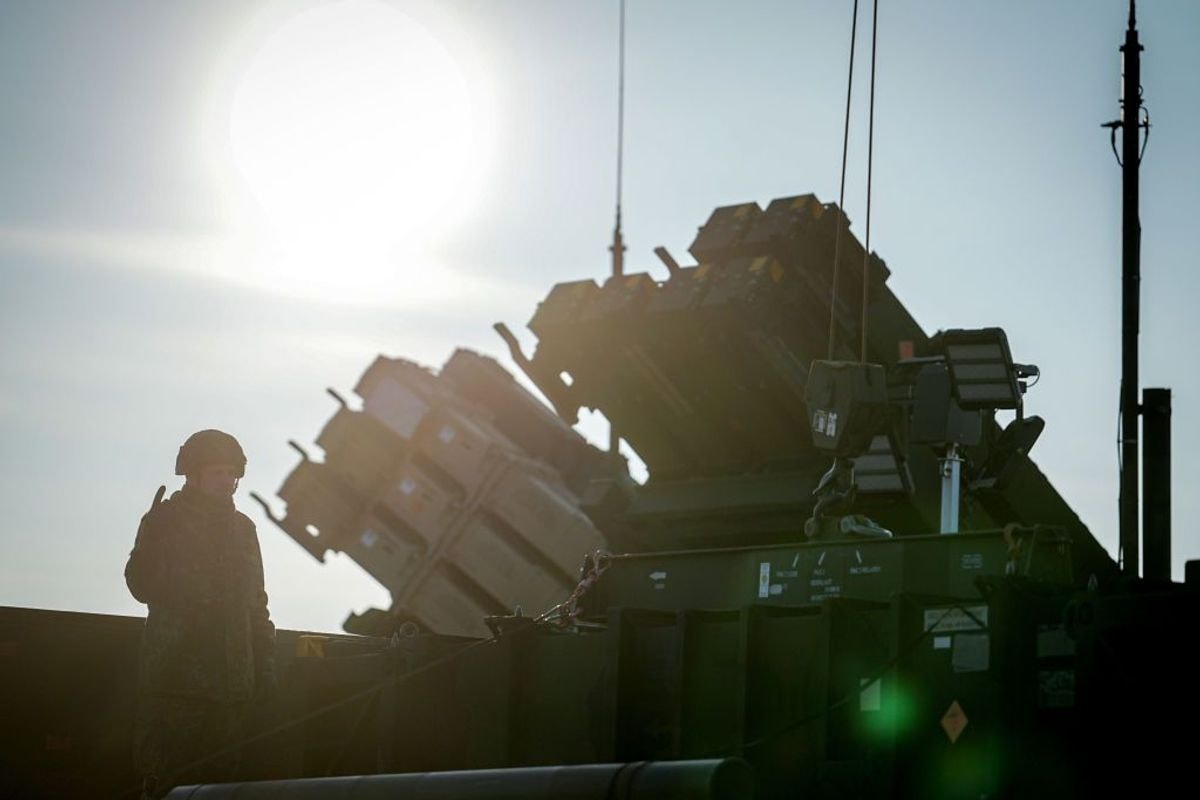
"Russia is creating the conditions for a war against NATO and is already conducting hybrid operations against the Alliance’s member states," the document says. "Today's Russia therefore poses the greatest immediate threat to peace and security in Germany and the Euro-Atlantic region for the foreseeable future."
The plan calls for a force of at least 460,000 German troops to counter the Russian threat.
To reach the goal, Germany will have to expand its active-duty soldiers from around 185,420 troops today to 260,000 by the mid-2030s, while increasing its reservists from 60,000 to 200,000.
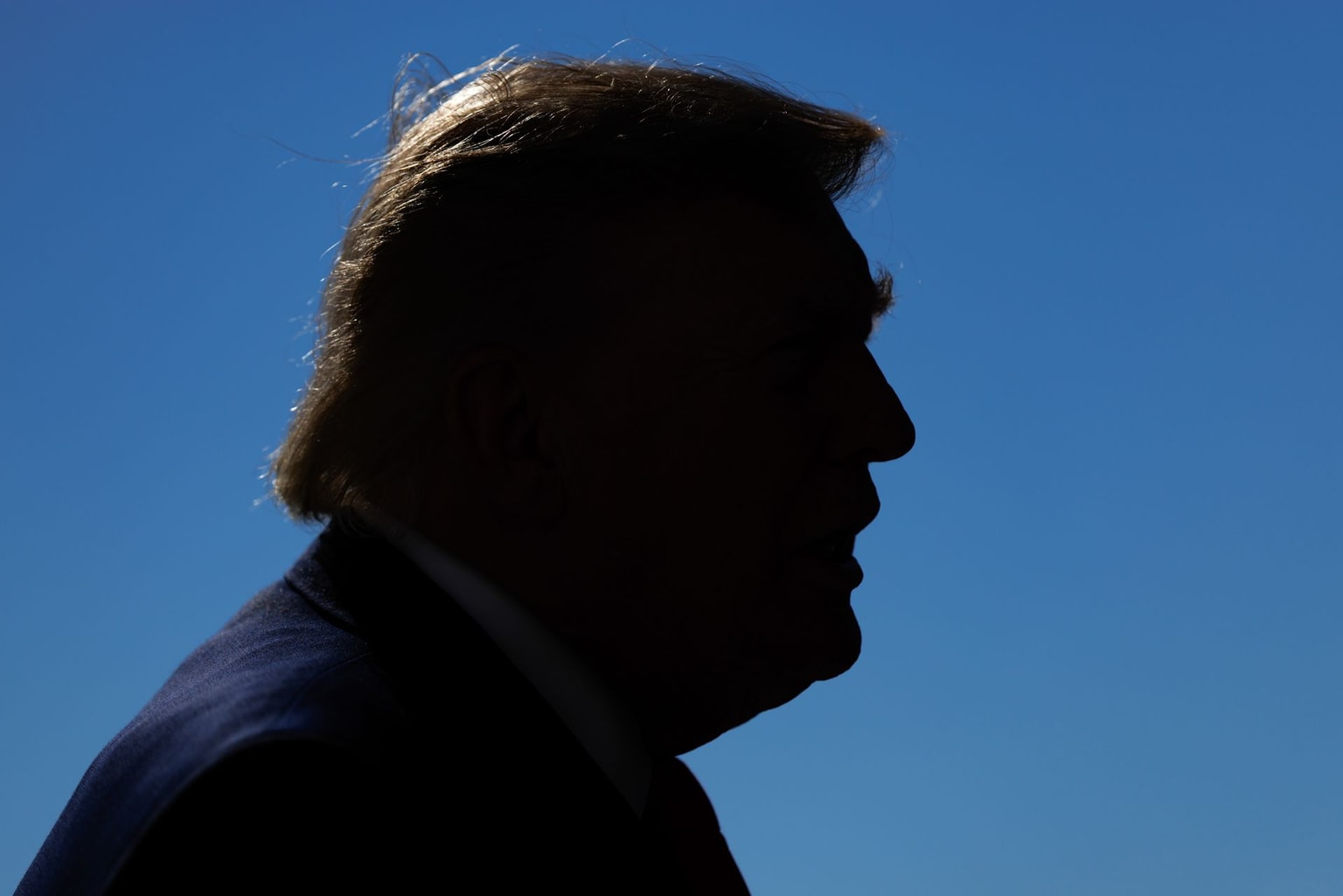
The plan also calls for Germany to take a stronger leadership role in NATO, shifting some of the burden of Alliance defense from the United States. Under U.S. President Donald Trump — a vocal NATO critic who has frequently threatened to withdraw from the alliance — Washington has urged Europe to increase defense spending and shoulder more responsibility for Ukraine.