Ukrainian strikes disrupt around 17% of Russia’s oil refining capacity, Reuters reports
 on Google

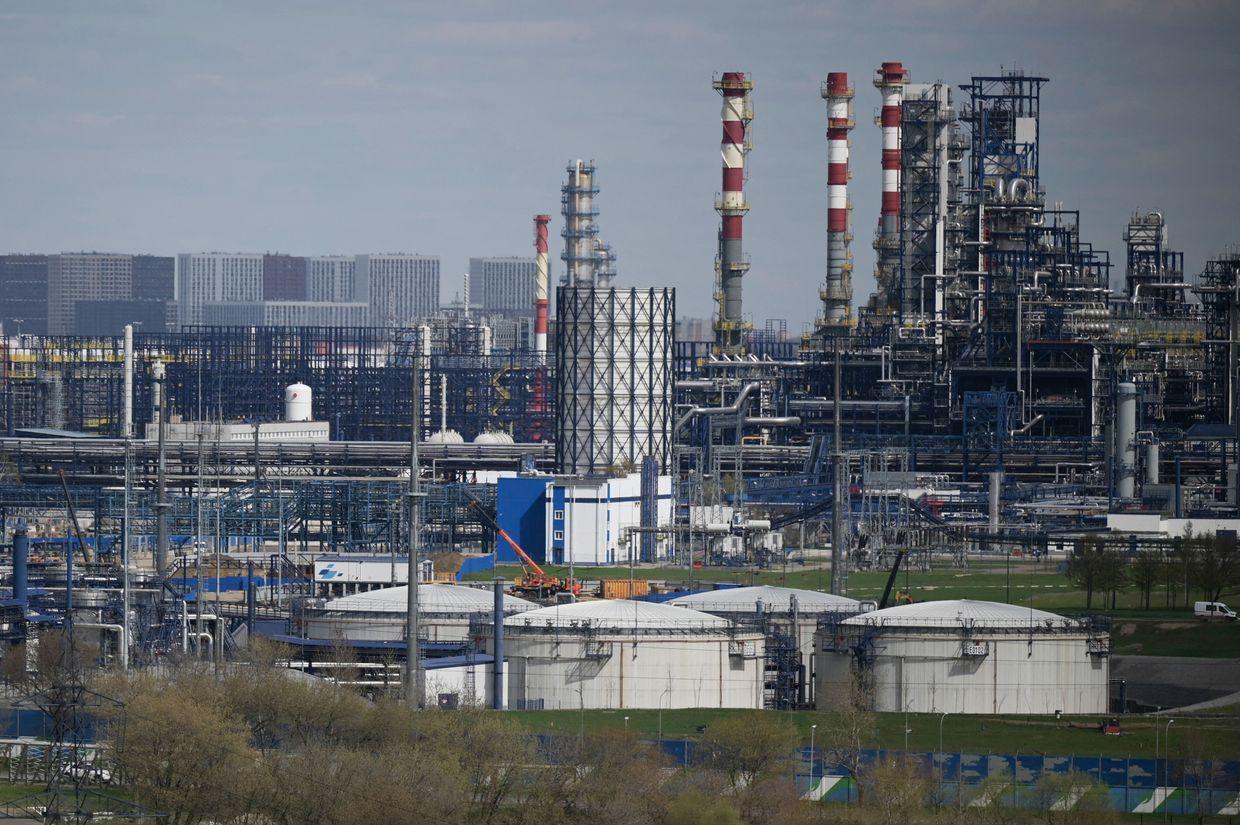
Ukrainian strikes on 10 Russian oil refineries have disrupted at least 17% of the country's refining capacity, equivalent to 1.1 million barrels per day, Reuters reported on Aug. 25, citing its own calculations.
Kyiv has targeted dozens of refineries, oil depots, and military-industrial sites since the start of Russia's full-scale invasion in 2022 to disrupt Moscow's war effort. Winter drone attacks forced at least four Russian refineries to temporarily shut down.
The attacks have disrupted Russia’s ability to process and export oil and created gasoline shortages in some Russian regions, as well as in occupied Crimea.
Kyiv has increased the attacks recently ahead of potential peace talks following U.S. President Donald Trump's meeting with Russian President Vladimir Putin in Alaska on Aug. 15 and with President Volodymyr Zelensky in Washington on Aug. 18.
Most recently, Ukrainian drones struck an oil refinery in Russia's Samara Oblast and a gas terminal in Leningrad Oblast.
Lukoil's refinery in Volgograd Oblast and a Rosneft facility in Ryazan have also come under attack in recent weeks.
A massive fire also broke out at the Novoshakhtinsk oil refinery in Rostov Oblast after another drone strike on Aug. 21. It took five days to extinguish the fire.
Ukraine’s military estimates that long-range strikes have cost Russia around $74.1 billion, or 4.11% of its projected gross domestic product (GDP) in 2025 alone.