Ukrainian Neptune missiles destroy Russian drone factory workshops in Rostov Oblast, General Staff confirms
 on Google

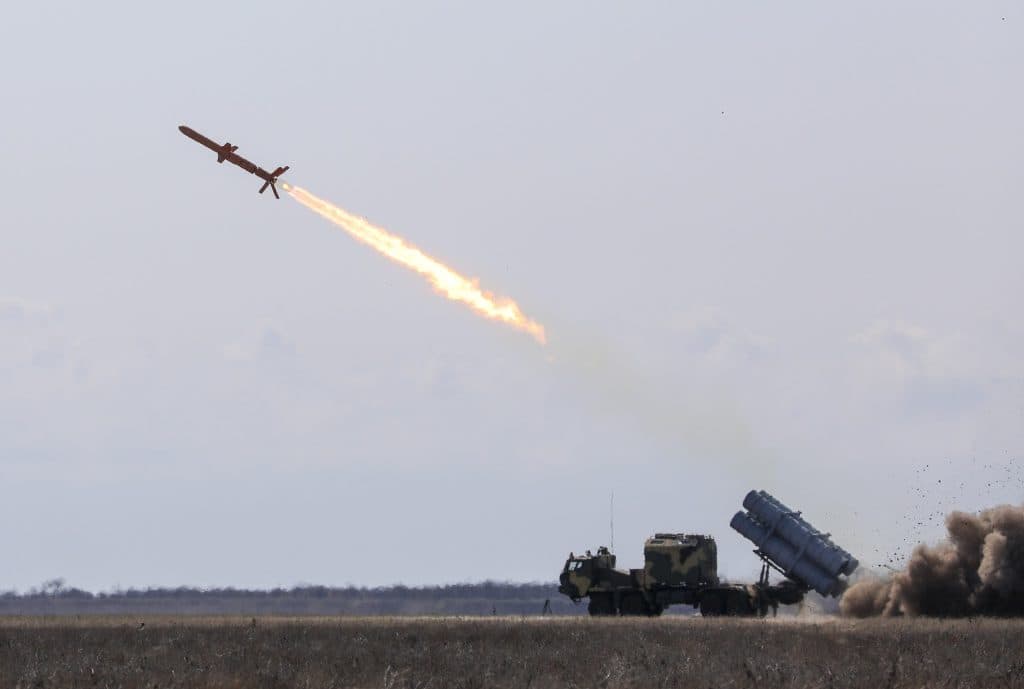
Ukrainian Neptune anti-ship missiles struck the Atlant Aero plant in the Russian city of Taganrog, Rostov Oblast, destroying two workshops and damaging four other buildings, Ukraine's General Staff conrfirmed on April 24.
Ukrainian forces attacked the factory involved in the full cycle of drone production — design, manufacturing, and testing — on April 19. On the same day, Rostov Oblast Governor Yury Slyusar confirmed the missile strike on the city, saying it damaged "commercial infrastructure."
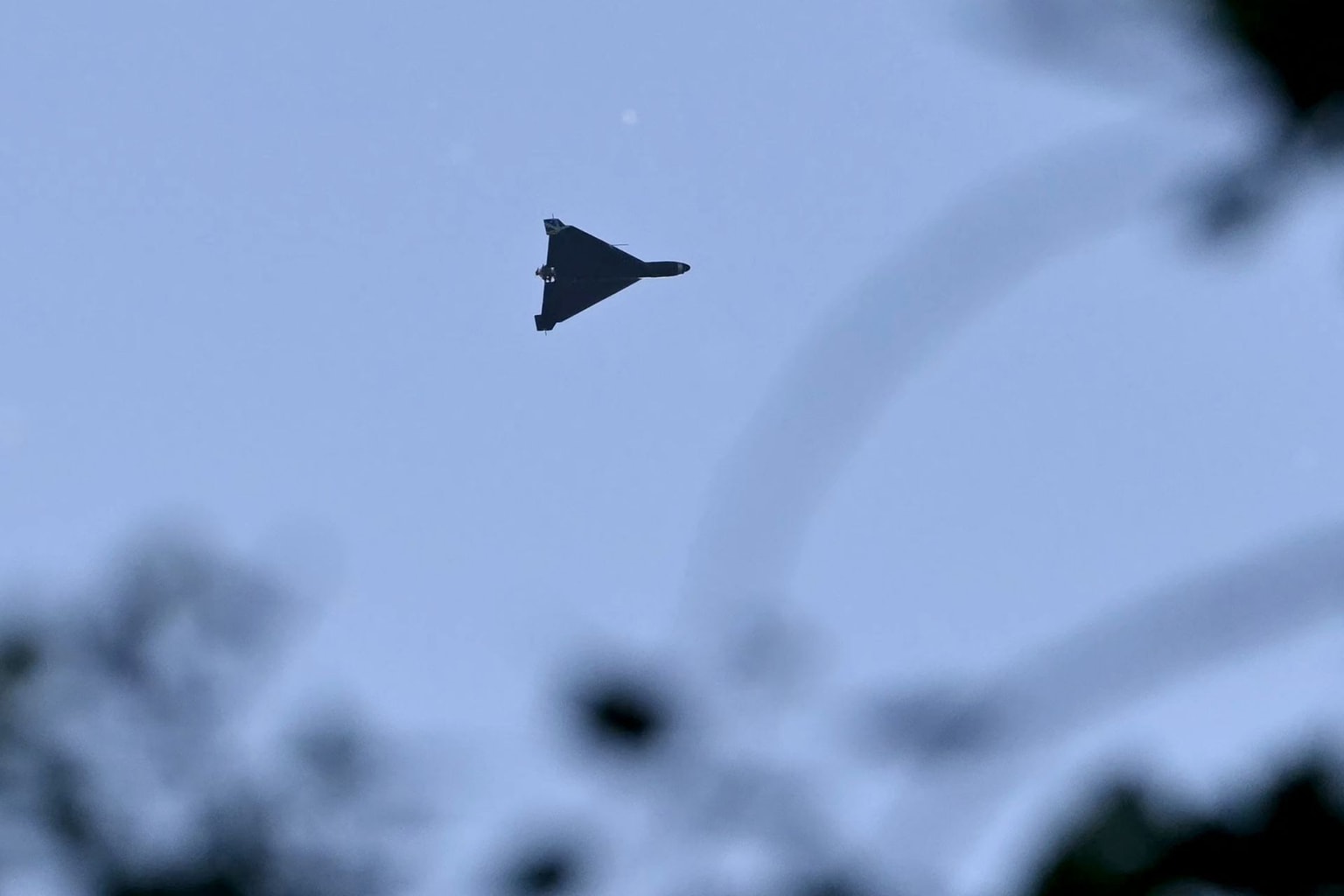
The Atlant Aero plant manufactures Molniya-class strike and reconnaissance drones, as well as components for the Orion unmanned aerial vehicles (UAVs), according to the General Staff.
The Orion weighs about one ton and can carry a payload of up to 250 kilograms, including aerial photography systems, radio-technical reconnaissance modules, optoelectronic systems, KAB-20 guided bombs, and medium-range cruise missiles, the statement read.
"Damaging this facility will reduce the enemy's ability to strike civilian targets in Ukraine," the General Staff said.
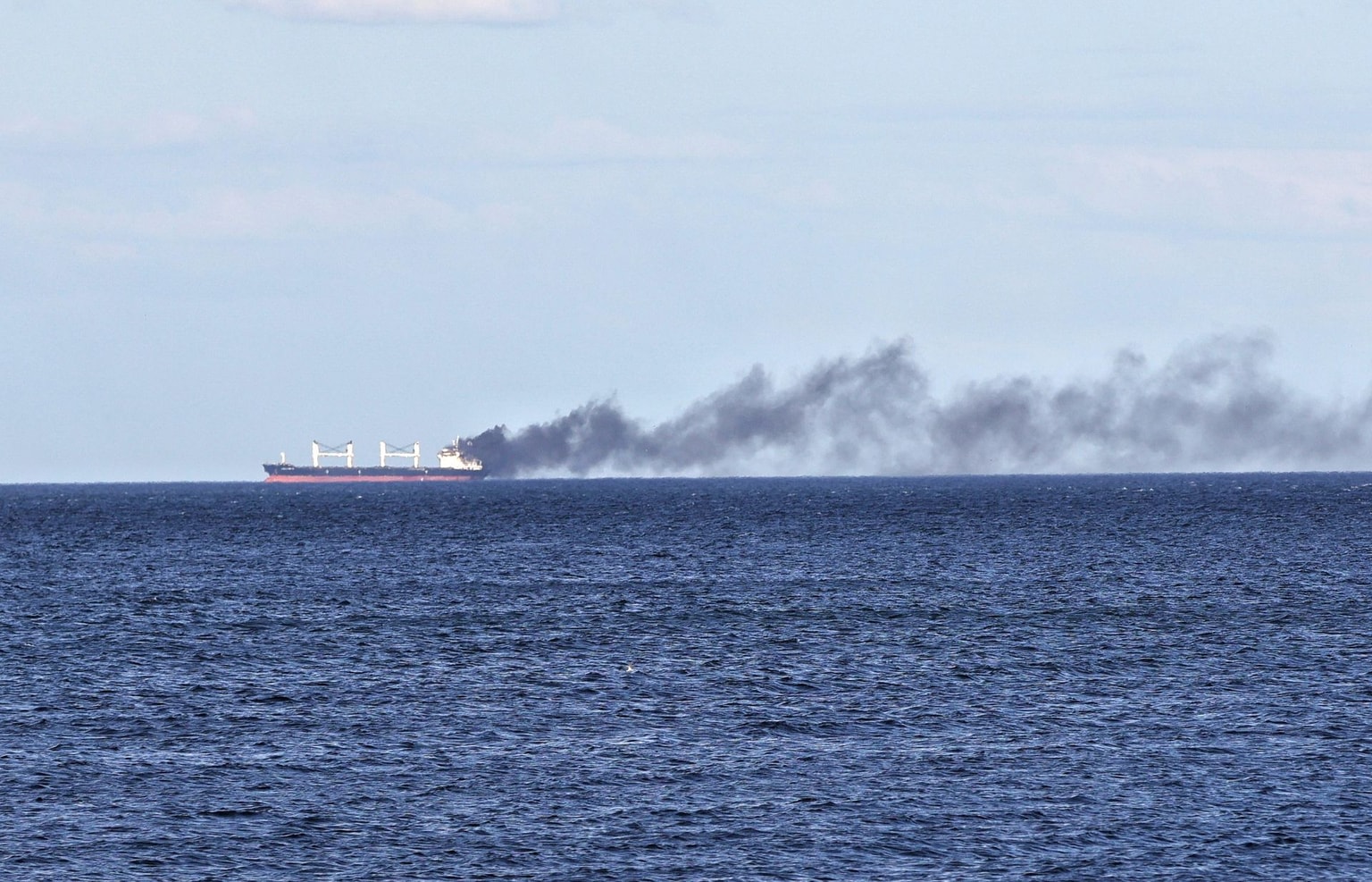
The General Staff added that during the April 22 attack, a Project 22460 patrol vessel belonging to the Russian Federal Security Service's Border Guard Service was damaged in Sevastopol in Russian-occupied Crimea. It did not specify whether Neptune missiles were used in the strike.
Neptune is Ukraine's ground-launched, domestically produced anti-ship rocket with a maximum range of 300 kilometers (186 miles) which it famously used in April 2022 to sink Russia's Black Sea flagship, the Moskva.
In 2025, Ukraine unveiled an upgraded version of the missile, which had already demonstrated a range of 1,000 kilometers (620 miles). In March 2025, President Volodymyr Zelensky said the system had successfully completed testing and would be deployed for combat use.
According to Fabian Hoffmann, a doctoral research fellow at the University of Oslo specializing in missile technology, the main upgrade in the latest version is most likely its guidance system.
The original anti-ship version relies on radar guidance, which is effective when "you have a big enemy ship that your seeker can home in on."
"But that's not very useful in a land-based environment, which is cluttered and where you don't have these types of very easy to discriminate radar signatures," he told the Kyiv Independent.
"You probably want to replace that with something like an imaging infrared seeker or an electro-optical seeker," he added.