Zelensky says meeting with Trump was 'good,' covered Patriot licenses, diplomacy
 on Google

Editor's note: This story has been updated to reflect the latest developments.
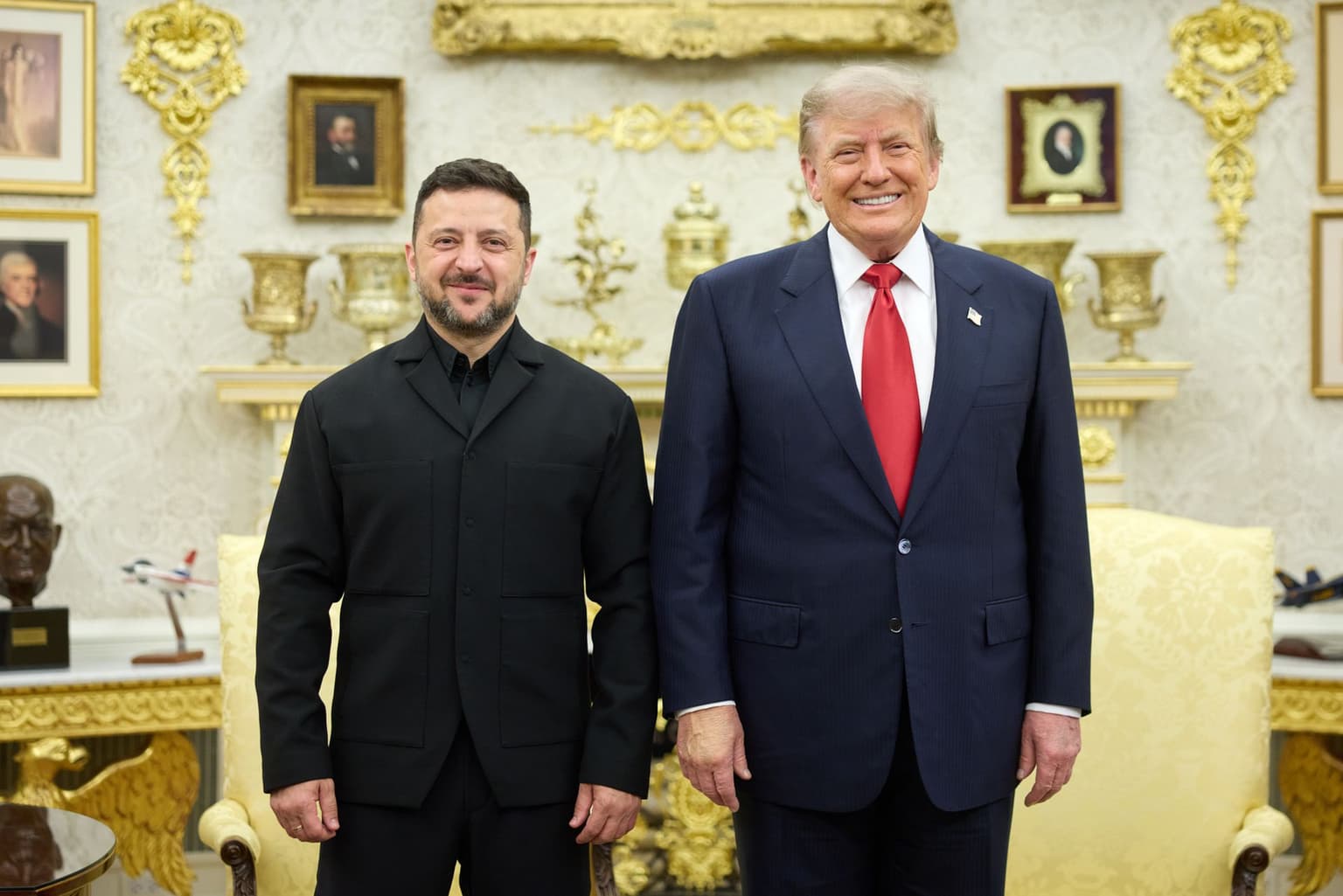
President Volodymyr Zelensky met U.S. President Donald Trump at the White House on July 28 to discuss a renewed diplomatic effort to end Russia's war against Ukraine.
"It was a good meeting," Zelensky said. "The President and I discussed licenses for Patriot interceptor production and several other ideas that could help. We also spoke about diplomacy — it's important that the diplomatic process be reinvigorated. Our teams will arrange the details of their further communication."
The meeting began at 9:47 a.m. Washington time (4:47 p.m. Kyiv time), lasted about an hour, and was held behind closed doors, a White House official said.
The Ukrainian president's advisers believe Trump has become more favorable toward Ukraine, making the meeting their best opportunity to secure his backing.
According to one person familiar with the matter, Zelensky and Trump were expected to discuss a proposal for an air truce that would later be presented to the Russian side. Zelensky was also expected to push for additional Patriot interceptors.
Ukraine continues to face a critical shortage of ammunition for U.S.-made Patriots, currently the only system capable of intercepting Russian ballistic missiles.
In an interview with Fox News Host Sean Hannity later that evening, Zelensky said Trump "accepted that he will give us licenses (for Patriots)."
Presidential Office Head Kyrylo Budanov also said after the meeting that Kyiv and Washington agreed to "intensify the negotiation process at all levels."
"They had a substantive discussion about the diplomatic and security steps necessary to bring about a just peace. Together with our American partners, we have a clear understanding of the need for the war to end as soon as possible, and in a just manner," he said.
The meeting comes as Washington and Kyiv seek to revive stalled peace efforts and follows the two presidents' previous meeting on July 8, when Trump approved Ukraine's longstanding request to produce U.S.-designed Patriot missiles under license.
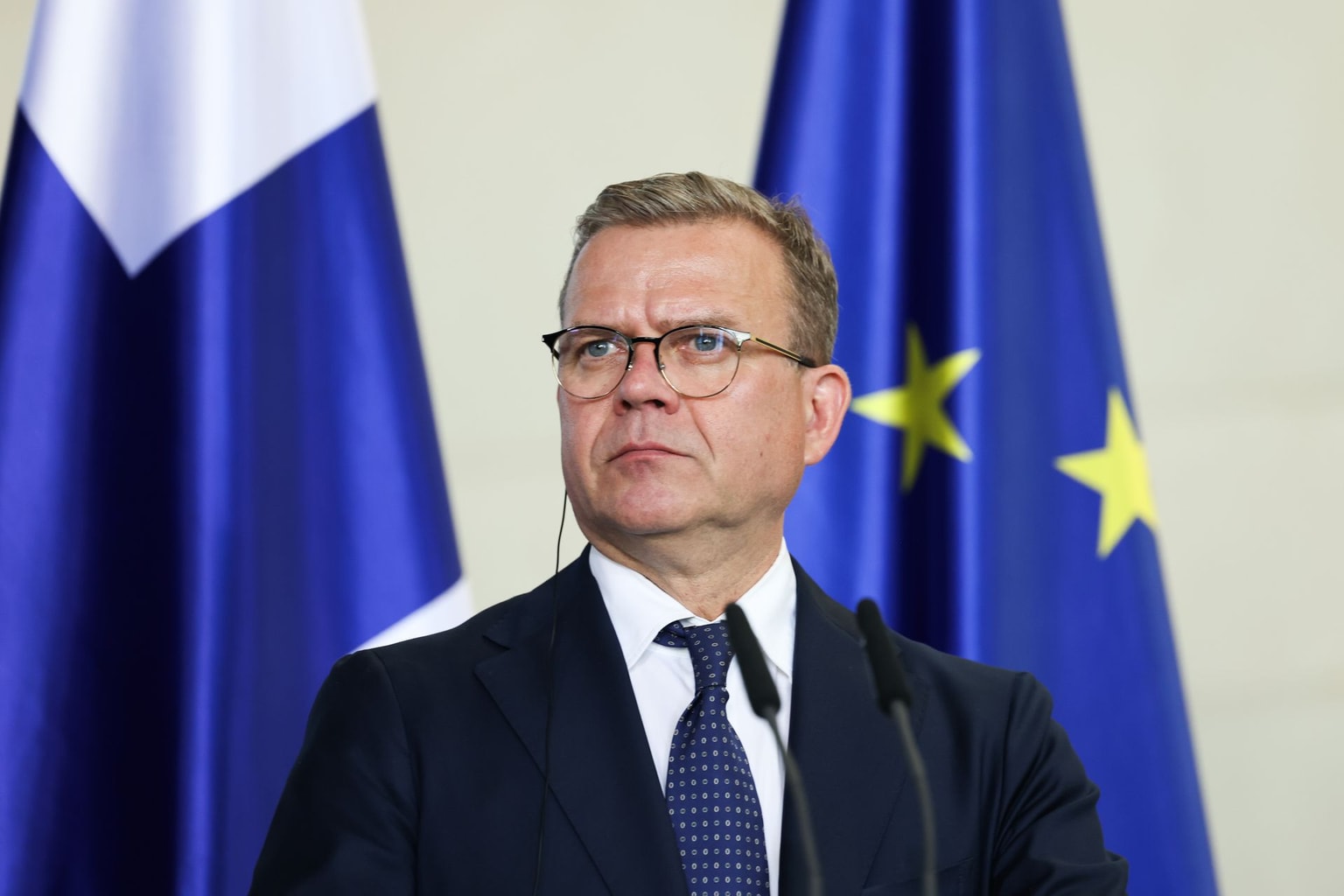
While in Washington, Zelensky also met with Finnish President Alexander Stubb to discuss the supply of Patriot interceptors and new sanctions against Russia.
The president also met with representatives of Lockheed Martin, the U.S. defense firm that produces Patriot missiles and other key weapons, including ATACMS, HIMARS, and F-16s. According to Zelensky, the discussion centered on "specific solutions" for closing Ukraine's air defense gap.
"We talked about our joint capabilities regarding Patriots and other systems," he said. "Our teams are already working on specific solutions to expedite the transition to joint production and increase our capabilities in protecting lives."
Later in the day, Zelensky and Trump attended the funeral of Senator Lindsey Graham.
A Republican and staunch supporter of both Trump and Ukraine, Graham died suddenly on July 11, shortly after a visit to Kyiv. During his visit, he said he had finally secured Trump's support for his long-delayed sanctions bill targeting Russia.
Ahead of Zelensky and Trump's White House meeting, U.S. senators announced bipartisan agreement on the legislation, which aims to hold major buyers of Russian oil and gas accountable for helping finance Moscow's war against Ukraine. The updated version of the bill waters down the originally proposed measures and includes sanctions against Iran.
A procedural vote on the Lindsey O. Graham Sanctioning Russia and Iran Act of 2026 took place the evening of July 28, following the late senator's funeral service. The Senate voted to advance the bill by an overwhelming 86-12 majority.
Zelensky met with senators in a closed-door session alongside Stubb ahead of the floor vote. Following the bill's advancement Senate, Zelensky said he was "very thankful" for the strong signal of support for Ukraine.
read also
Zelensky's latest visit to Washington took place as both Ukraine and Russia have intensified their long-range air campaigns.
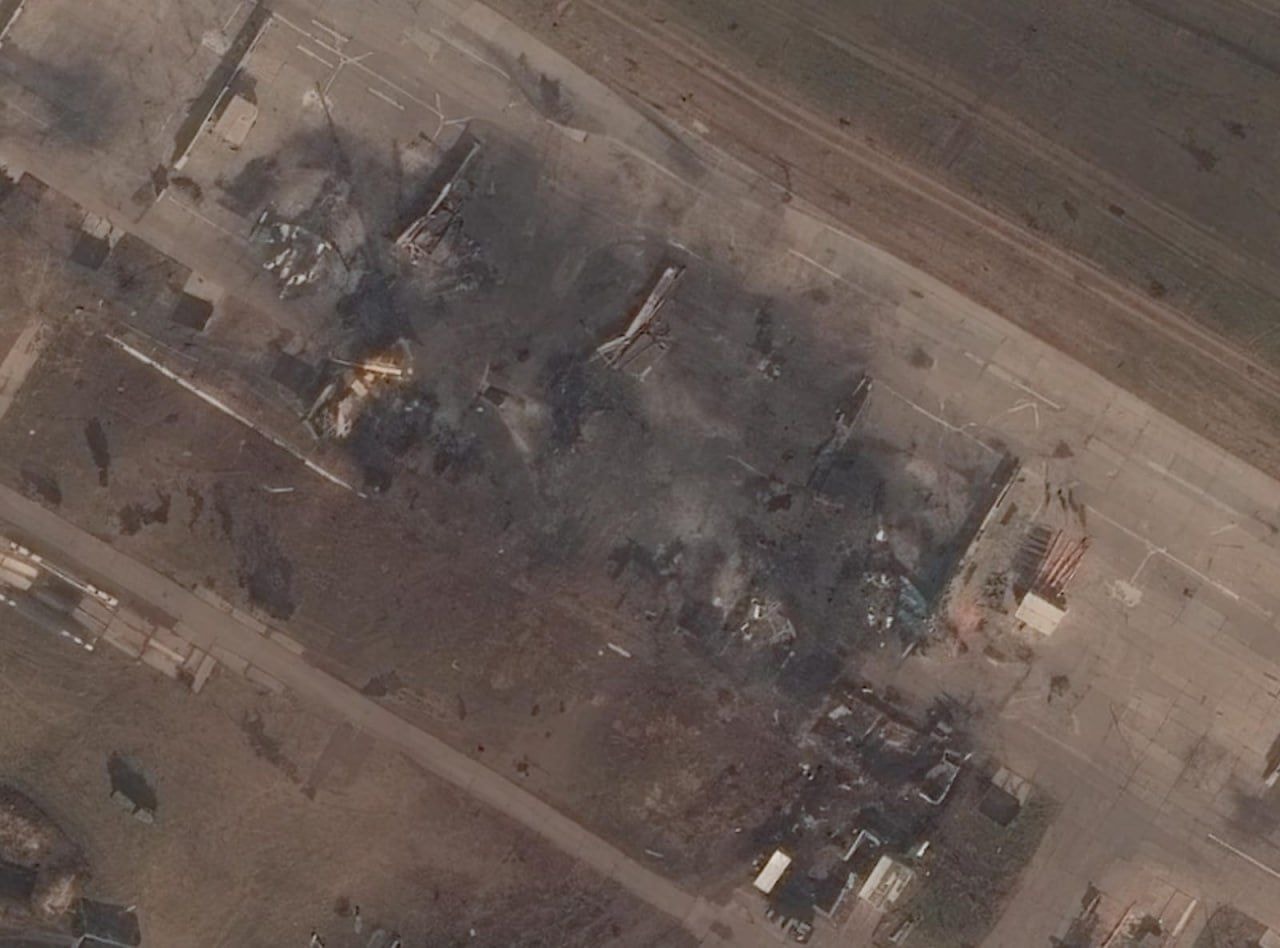
Ukraine has expanded strikes against Russian military infrastructure, logistics, and strategic targets deep inside Russian territory. Russia, meanwhile, has stepped up attacks against Ukrainian cities, repeatedly targeting Kyiv and other civilian population centers.
According to one U.S. official, the White House believes both sides may now have incentives to accept an air ceasefire. Ukraine is seeking to preserve its limited missile defense capabilities, while Russia faces growing pressure from Ukrainian strikes.
In preparation for the latest diplomatic effort, Zelensky recently held a phone call with Steve Witkoff and Jared Kushner, two senior Trump envoys leading Washington's efforts to broker a settlement between Kyiv and Moscow.
According to a person with direct knowledge of the conversation, the call did not include detailed proposals. Instead, Witkoff and Kushner informed Zelensky that the White House is preparing a revised negotiating framework.
The next stage is expected to involve close coordination with Kyiv before any proposal is presented to Moscow.
Officials familiar with the planning said Witkoff and Kushner do not currently plan to visit Kyiv but are expected to travel to Russia after aligning positions with Ukraine.
A White House official said Trump remains committed to ending Russia's war.
"He remains optimistic that we'll ultimately get a peace deal done," the official said.