Ukraine war latest: Russian double-tap strike kills 4 rescuers in Kharkiv amid large-scale attack on Ukraine
 on Google
Key developments on June 15:
- Russian double-tap strike kills 4 rescuers in Kharkiv amid large-scale attack on Ukraine
- Soldiers who decline new contracts will keep serving until demobilization, Defense Ministry says
- From propagandists to energy revenues, EU hits Russia with new sanctions over Ukraine strikes
- Russian Tu-22M3 bomber crashes during landing in Irkutsk Oblast
- Zelensky reveals G7 sidelines meeting offer to Putin, says Russia again refused talks
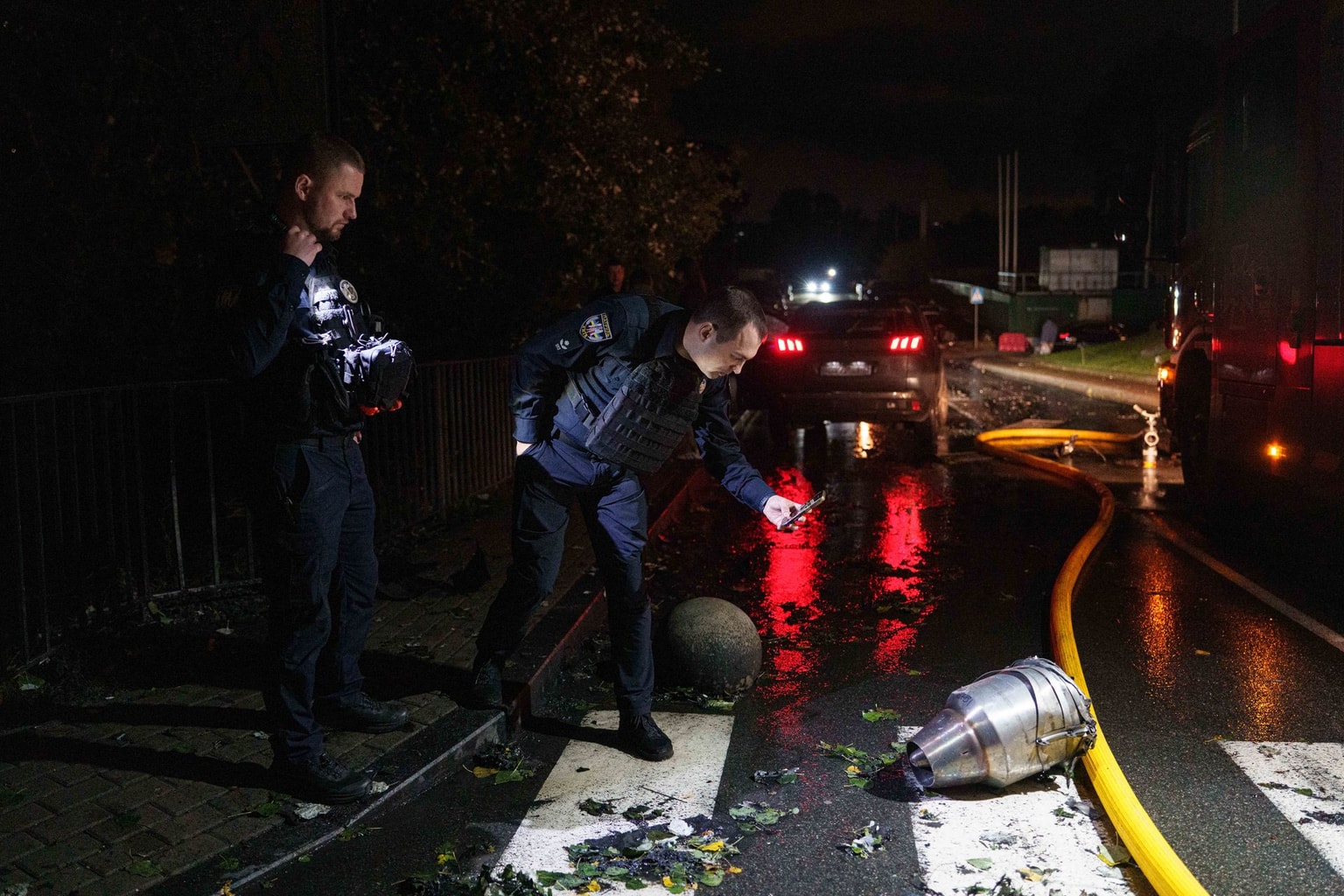
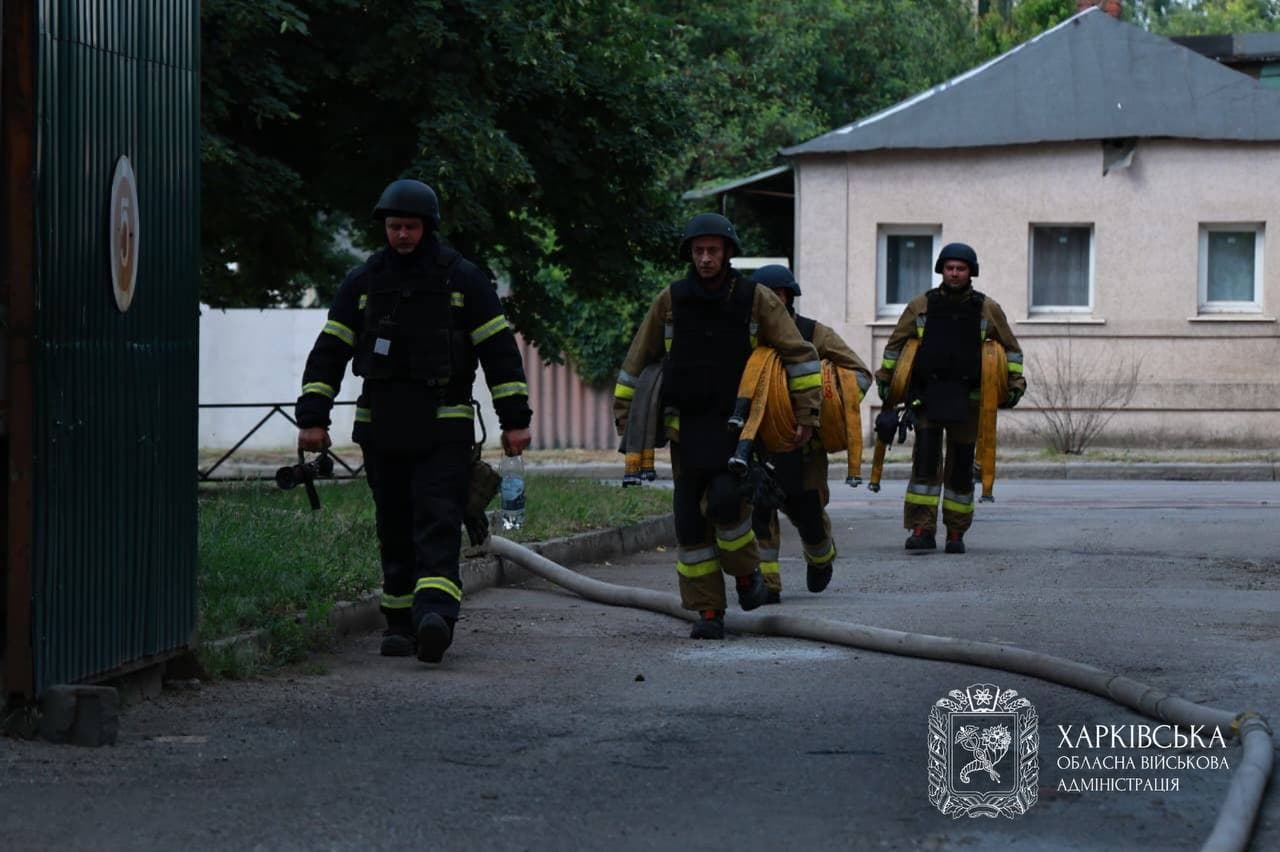
A Russian double-tap strike killed five people, including four emergency responders, and injured 13 others after rescuers arrived at the scene of an earlier strike in Kharkiv overnight on June 15, Ukraine's State Emergency Service confirmed to the Kyiv Independent.
The attack occurred in Kharkiv's Kholodnohirskyi district, a northwestern district that is also an important railway hub with numerous industrial facilities.
The attack began around 1:30 a.m. local time. Five of the wounded were hospitalized, including a one-month-old infant. Two men remain in serious condition and are being treated in intensive care, according to Governor Oleh Syniehubov.
Ukraine's State Emergency Service identified the killed rescuers as Dmytro Boiko, Danylo Tishchenko, Serhii Makovetskyi, and Vadym Zinchenko. The fifth person killed was Oleksii Dorozhkin, a staff member of the city's emergency services department, the service said.
Syniehubov said that Russian forces first launched attack drones at the city, followed by several missile strikes targeting those responding to the aftermath of the initial attack.
Kharkiv City Emergency Department Director Bohdan Hladkykh told Ukrainian public broadcaster Suspilne that one of the missiles struck about 30 meters from rescuers who had left the grounds of a civilian enterprise hit in the attack and were standing in a forest belt.
"Unfortunately, the missile struck those who save lives," Hladkykh said.
One of the injured rescuers, Oleksandra Shchebilova, joined the State Emergency Service in 2026 and lost her right arm during the attack. She was hospitalized, according to the National University of Civil Protection, from which Shchebilova graduated this year, the university said on Instagram.
The attack on Kharkiv was part of a larger Russian assault on Ukraine overnight on June 15 that targeted several regions, with the main strike hitting Kyiv, where five people were killed and 35 others injured.
During the night, Russia launched 70 missiles at Ukraine, including 34 ballistic missiles, as well as 611 attack drones, the Air Force said.
EU targets Russian propagandists, energy revenues in new sanctions over Russia's war
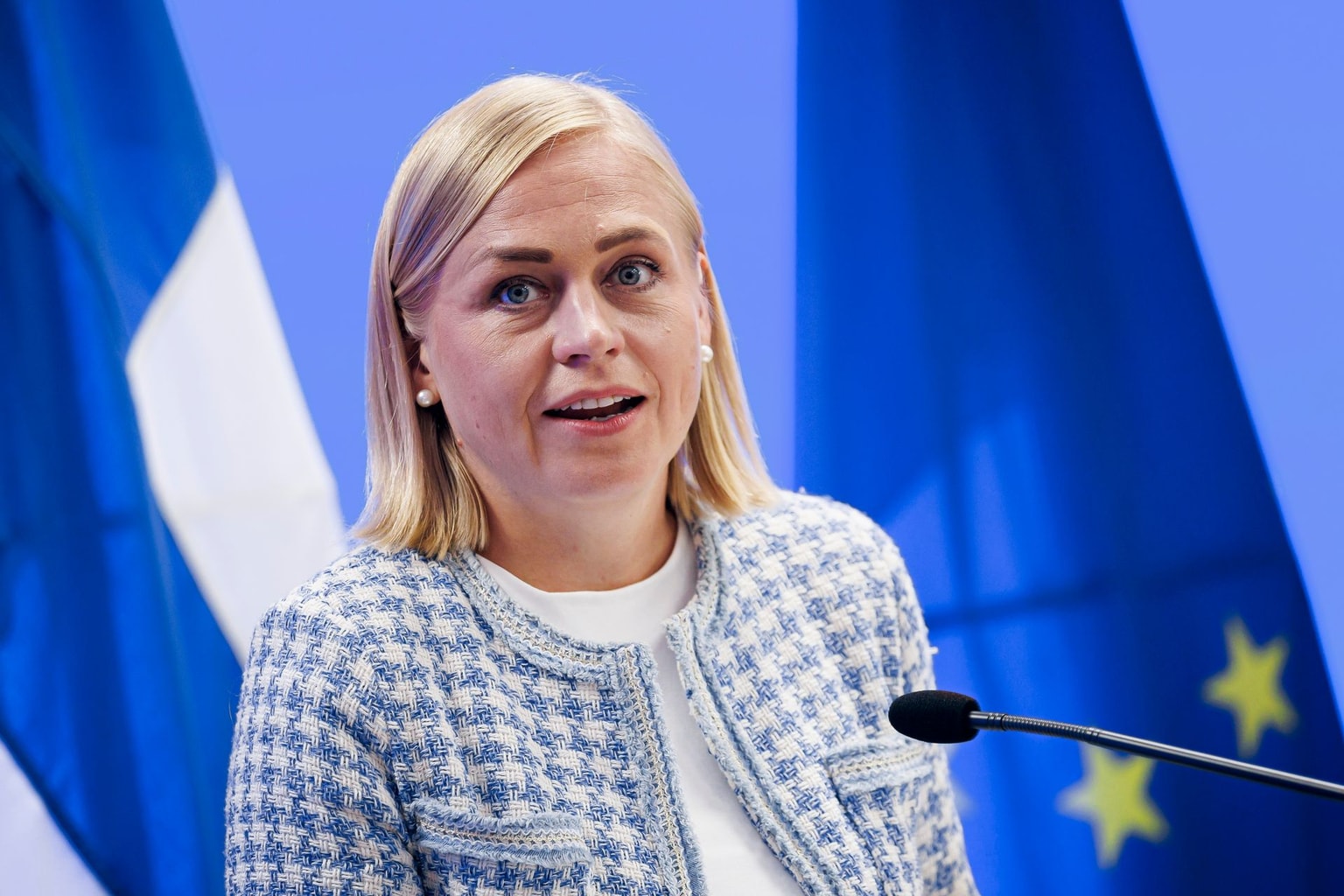
The Council of the EU on June 15 adopted a new round of sanctions against Russia over its full-scale invasion of Ukraine, targeting energy revenues, the military-industrial complex, and propagandists, the EU's top diplomat Kaja Kallas said.
The package comes amid Russia's recent attacks on Ukraine, including a latest large-scale strike, which was primarily directed at Kyiv and targeted residential buildings and the Kyiv-Pechersk Lavra, an iconic 11th-century Ukrainian monastery, and caused dozens of casualties across the city.
The unveiled sanctions target Russian shadow fleet, human rights violations, and "networks that fuel Moscow's hybrid attacks against Europe."
"Every measure further restricts Russia's room for manoeuvre," Kallas said.
The new sanctions lists include 34 Russian individuals and 47 entities, according to the statement.
It also targets several prominent Russian propagandists, including Alexandra Jost, a blogger known on X under the name "Sasha meets Russia" and Maria Volkonskaya, the editor-in-chief of the Russian state-controlled newspaper Krymskaya Gazeta.
It also imposed sanctions on individuals and entities supporting Russia's military-industrial complex and its intermediaries in third countries, including producers and suppliers of drones and other military equipment used by Moscow's forces.
In parallel, the EU is working on its 21st sanctions package against Russia, which is expected to contain several significant measures, including a freeze on the current pricing mechanism for Russia energy imports until the end of 2026. This would prevent Moscow from profiting from higher prices driven by the U.S. war on Iran.
According to Kallas, Western sanctions have already cost Russia an estimated 1–1.3 trillion euros ($1.1-1.5 trillion)
"Brick by brick, we are collapsing the foundations of Russia's war economy," she added.
read also
Soldiers who decline new contracts will keep serving until demobilization, Defense Ministry says
Ukraine's Defense Ministry has clarified changes to military service rules, confirming that those who do not sign the newly introduced contracts will continue to serve until demobilization.
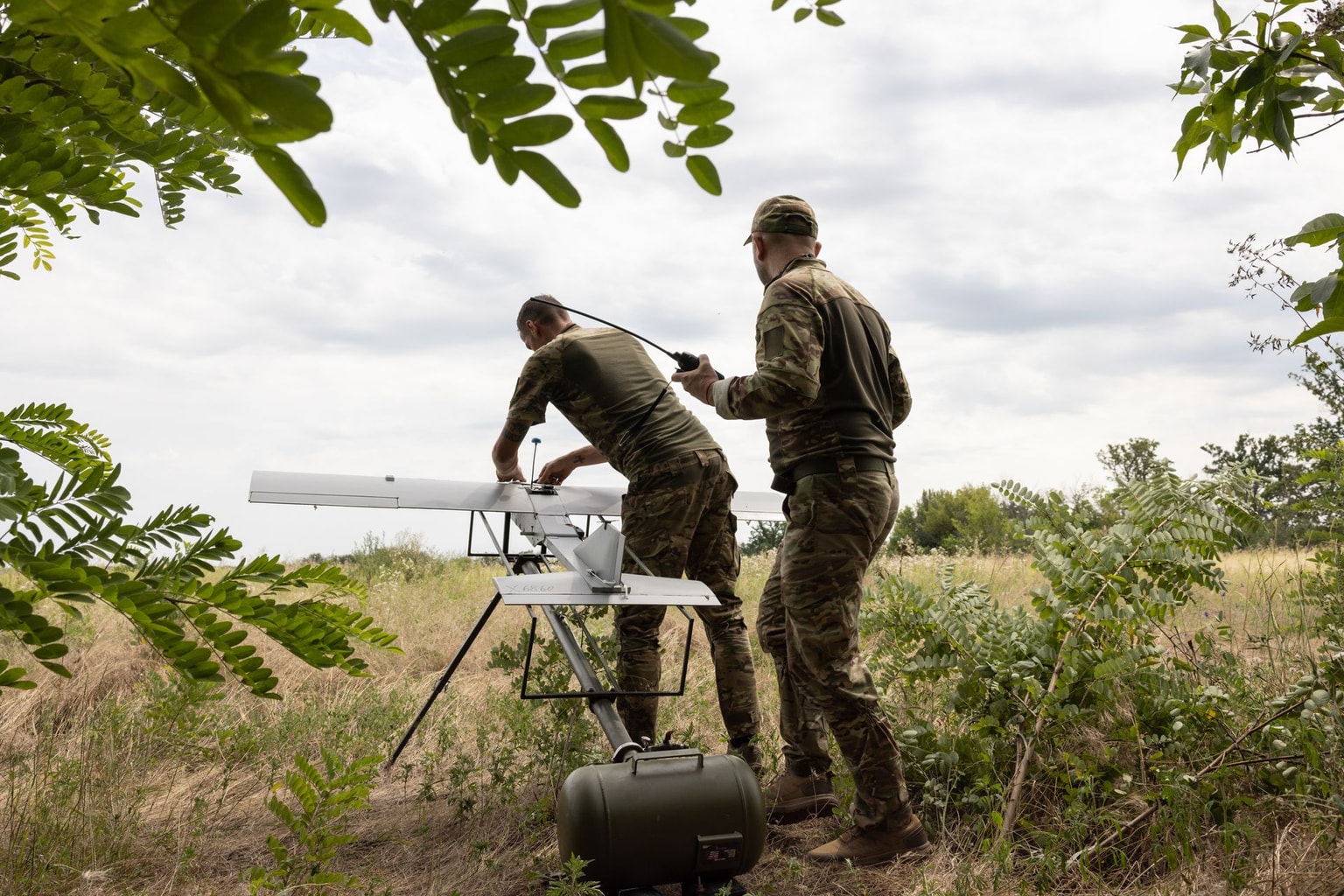
The landmark changes — focusing on fixed-term contracts, upgraded compensation, and special conditions for infantry and assault roles — were designed by the Defense Ministry under recently appointed Defense Minister Mykhailo Fedorov to alleviate the acute manpower crisis in Ukraine's military.
Several new types of contracts, each with a set compensation package, time frame, and conditions for discharge and exemption from further mobilization upon completion, can be signed by Ukrainian soldiers, both contract and mobilized, as well as by civilians looking to newly enlist.
The comments came during a June 15 briefing for journalists at the ministry in Kyiv by Deputy Defense Minister Mstyslav Banik, after the changes sparked a wave of discussion in Ukraine.
"Military personnel (who don't sign the new contracts now) will serve until demobilization. In terms of money, they will receive all the same," Banik said.
The reforms aim to strike a difficult balance: responding to long-standing calls from the military and society for fixed terms of service, while preventing large-scale demobilization and the discharge of experienced soldiers that could seriously damage Ukraine's war effort.
Under the new contract, which can be signed starting from June 15, non-combat roles will now receive a minimum base pay of Hr 30,000 ($670), up from Hr 20,000 ($335).
Ukrainian infantrymen — who often spend several months on positions due to a lack of replenishments and the difficulty of rotation — will receive Hr 300,000 ($6,700) for a month spent on the zero line.
The pay raise will affect all infantrymen, both those who have signed the new contracts and those who continue serving after mobilization, Banik said.
Reflecting the dire shortage of infantry and assault soldiers and the grueling, drone-dominated conditions they fight in on the front line, Ukraine's foot soldiers will also receive the most generous terms of service, with contracts as short as 10 months.
For other combat roles, including drone operators, artillerymen, and medics, 24-month fixed contracts will be offered, also with a 6-month grace period upon completion.
The package also includes reforms to the current system of transfer between units, which has long been a pain point for soldiers stuck in poorly run brigades, and often leads to soldiers going AWOL for the purpose of transferring to a more desirable unit.
According to Fedorov, transfers within a corps (made up of around five brigades) will be made possible through the Armiia+ app without extra bureaucracy, while return from AWOL to the most effective combat units will also be fast-tracked.
While the changes were welcomed by some, others criticized them for creating divides in the military between infantry, other roles, and rear positions, or expressed distrust that the state would honor the promised conditions of discharge.
As an example, when Ukraine's parliament passed major reforms to mobilization in 2024, one provision in the new law included provisions for demobilization after 36 months of service, but was removed at the last minute after a reported intervention from Commander-in-Chief Oleksandr Syrskyi.
According to Banik, the funds for the upgraded package would come from with the ministry's current budget.
read also
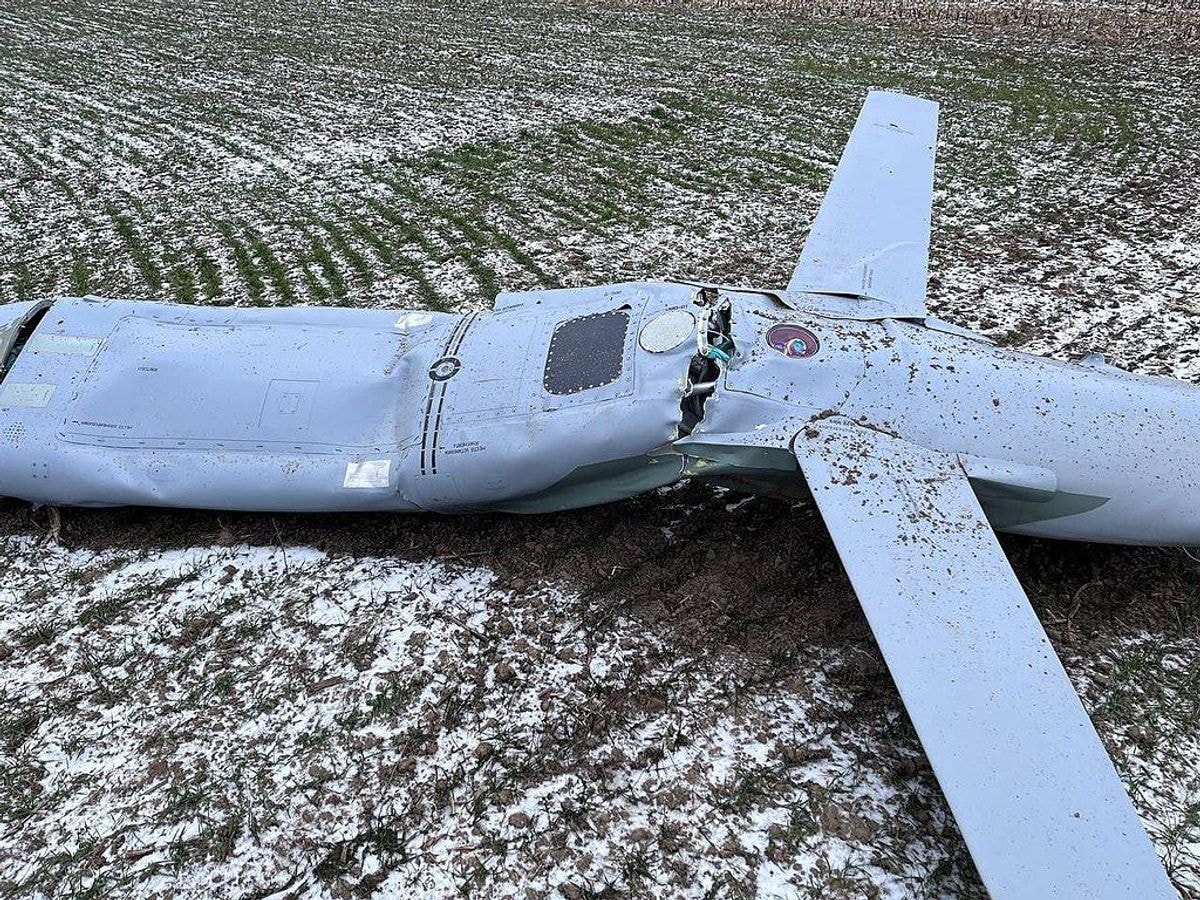
Russian Tu-22M3 bomber crashes during landing in Irkutsk Oblast
A Russian Tu-22M3 strategic bomber crashed while approaching for landing during a training flight in Russia's Irkutsk Oblast, the Russian Defense Ministry said.
"There was no damage on the ground. The aircraft was conducting a flight without ammunition. A commission from the Russian Aerospace Forces' high command is working at the crash site," the Russian Defense Ministry said.
Russian authorities said the aircraft was not carrying any ammunition and that there was no damage on the ground. A commission from the Russian Aerospace Forces' high command has been dispatched to investigate the incident.
Zelensky says Russia rejected offer for Putin meeting at G7 summit
President Volodymyr Zelensky said on June 15 that he had proposed meeting Russian President Vladimir Putin on the sidelines of the G7 summit in France to discuss ending Russia's war against Ukraine.
Speaking to reporters in Kyiv, Zelensky said Ukraine had sought to arrange a meeting involving key Western leaders in an effort to revive stalled peace negotiations.
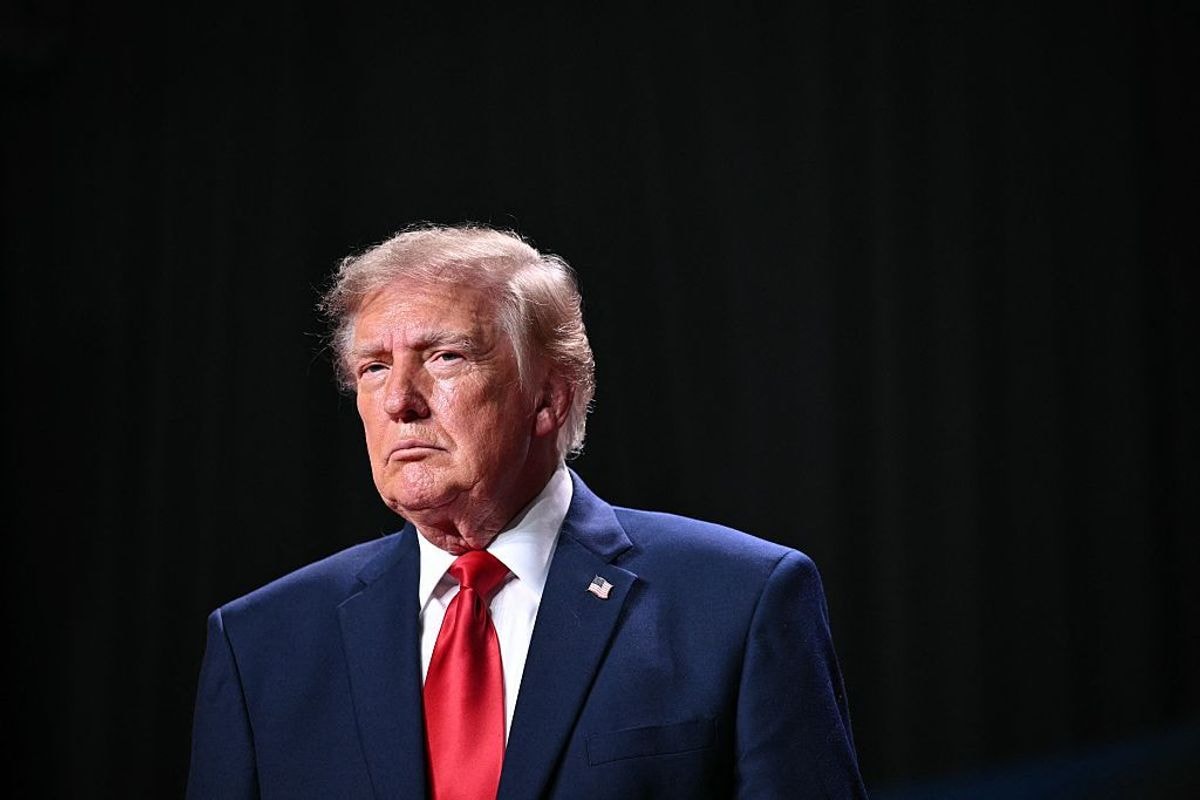
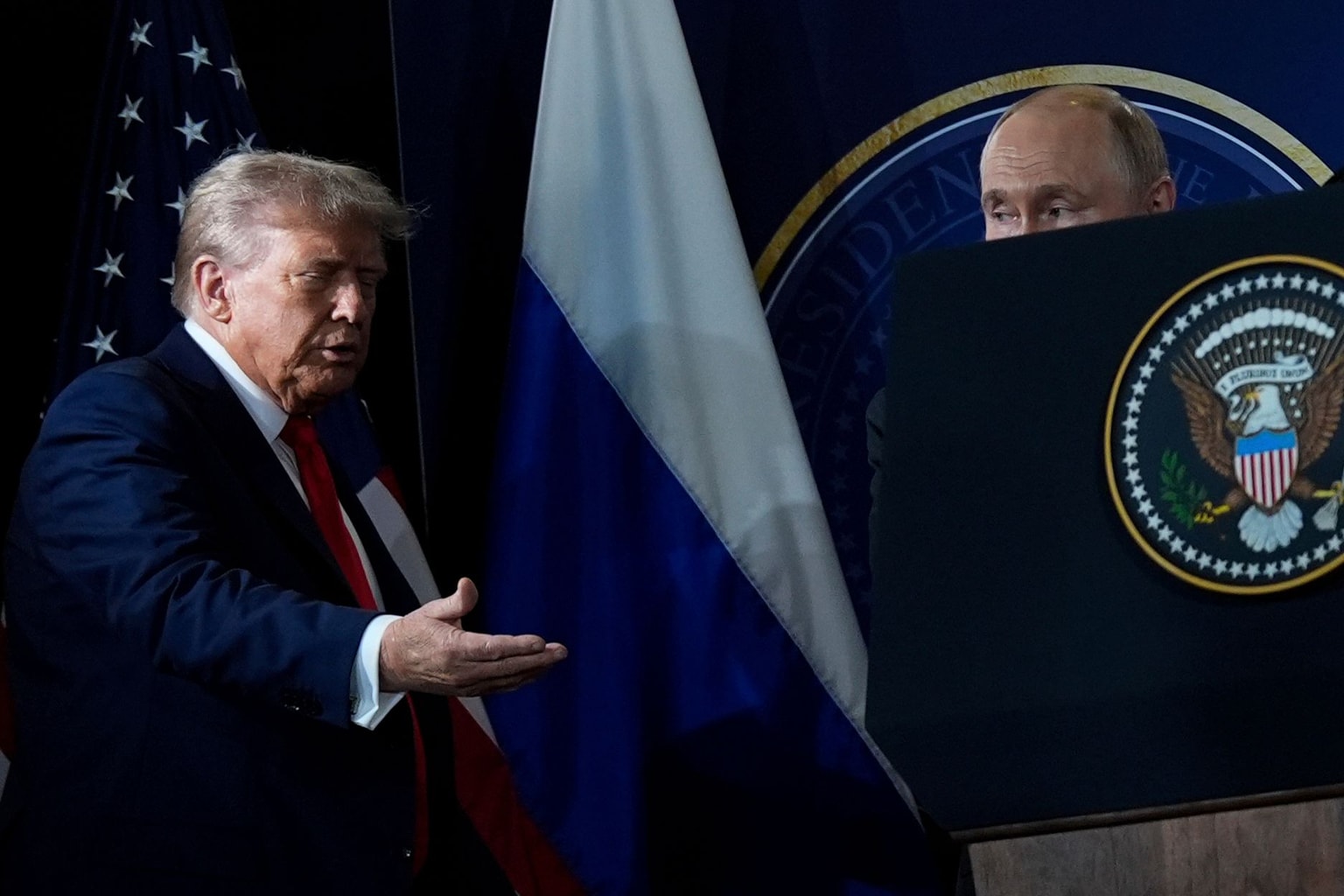
"We sent a message expressing our willingness to meet with Putin during the G7 summit because (U.S. President Donald) Trump and (French President Emmanuel) Macron will be there — so it's the Europeans plus the U.S.," Zelensky said.
"I think it would've been a good — in fact, a very good — opportunity," he added. "Europe and the United States have agreed, while Russia has once again shown that it is not ready to engage in dialogue."
The remarks come as Kyiv intensifies pressure on the Russian president to hold direct talks, which would mark the first face-to-face meeting between the two leaders since the start of Russia's all-out war. Zelensky has long argued that only Putin has the authority to end the war.
"That's why we have to be ready to pressure Putin more until he ends this war," Zelensky said. "We will speak with (Trump) about how to push the Russian president to stop this war."
U.S.-mediated peace talks have effectively been frozen since February. Since then, Washington has been consumed by its war with Iran, which both Ukrainian and U.S. officials say became the main reason talks lost momentum.
Zelensky and Trump are expected to meet on the sidelines of the G7 summit on June 16.
The Kremlin has consistently avoided meeting with Zelensky in a neutral country, insisting instead that the Ukrainian president travel to Moscow — a proposal Kyiv views as an attempt to avoid meaningful negotiations altogether.
Zelensky has repeatedly called for direct talks with Putin. Just a week ago, he invited the Russian leader to meet in a neutral country to discuss the framework of a peace agreement, proposing that Ukraine observe a full ceasefire during negotiations.
Putin said he "sees no point in meeting with Zelensky."
The two presidents last met in person in Paris in December 2019 during the Normandy Format talks mediated by France and Germany.