Soldiers who decline new contracts will keep serving until demobilization, Defense Ministry says
 on Google
Ukraine's Defense Ministry has clarified changes to military service rules, confirming that those who do not sign the newly introduced contracts will continue to serve until demobilization.
The landmark changes — focusing on fixed-term contracts, upgraded compensation, and special conditions for infantry and assault roles — were designed by the Defense Ministry under recently appointed Defense Minister Mykhailo Fedorov to alleviate the acute manpower crisis in Ukraine's military.
Several new types of contracts, each with a set compensation package, time frame, and conditions for discharge and exemption from further mobilization upon completion, can be signed by Ukrainian soldiers, both contract and mobilized, as well as by civilians looking to newly enlist.
The comments came during a June 15 briefing for journalists at the ministry in Kyiv by Deputy Defense Minister Mstyslav Banik, after the changes sparked a wave of discussion in Ukraine.
"Military personnel (who don't sign the new contracts now) will serve until demobilization. In terms of money, they will receive all the same," Banik said.
The reforms aim to strike a difficult balance: responding to long-standing calls from the military and society for fixed terms of service, while preventing large-scale demobilization and the discharge of experienced soldiers that could seriously damage Ukraine's war effort.
Under the new contract, which can be signed starting from June 15, non-combat roles will now receive a minimum base pay of Hr 30,000 ($670), up from Hr 20,000 ($335).
Ukrainian infantrymen — who often spend several months on positions due to a lack of replenishments and the difficulty of rotation — will receive Hr 300,000 ($6,700) for a month spent on the zero line.
The pay raise will affect all infantrymen, both those who have signed the new contracts and those who continue serving after mobilization, Banik said.
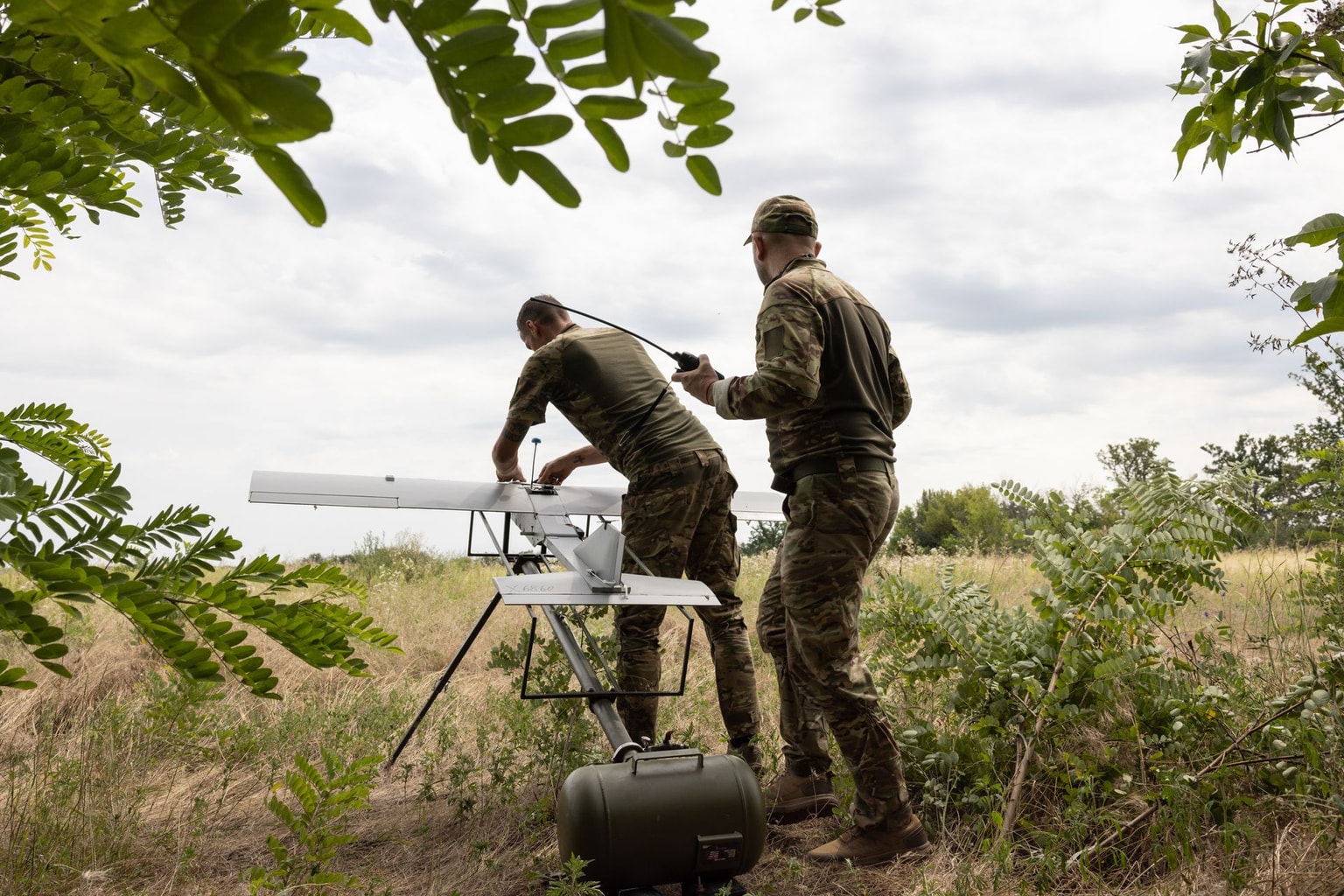
Reflecting the dire shortage of infantry and assault soldiers and the grueling, drone-dominated conditions they fight in on the front line, Ukraine's foot soldiers will also receive the most generous terms of service, with contracts as short as 10 months.
For other combat roles, including drone operators, artillerymen, and medics, 24-month fixed contracts will be offered, also with a 6-month grace period upon completion.
The package also includes reforms to the current system of transfer between units, which has long been a pain point for soldiers stuck in poorly run brigades, and often leads to soldiers going AWOL for the purpose of transferring to a more desirable unit.
According to Fedorov, transfers within a corps (made up of around five brigades) will be made possible through the Armiia+ app without extra bureaucracy, while return from AWOL to the most effective combat units will also be fast-tracked.
While the changes were welcomed by some, others criticized them for creating divides in the military between infantry, other roles, and rear positions, or expressed distrust that the state would honor the promised conditions of discharge.
As an example, when Ukraine's parliament passed major reforms to mobilization in 2024, one provision in the new law included provisions for demobilization after 36 months of service, but was removed at the last minute after a reported intervention from Commander-in-Chief Oleksandr Syrskyi.
According to Banik, the funds for the upgraded package would come from with the ministry's current budget.