Russia reacts to UK sharing Storm Shadow blueprints with Ukraine
 on Google
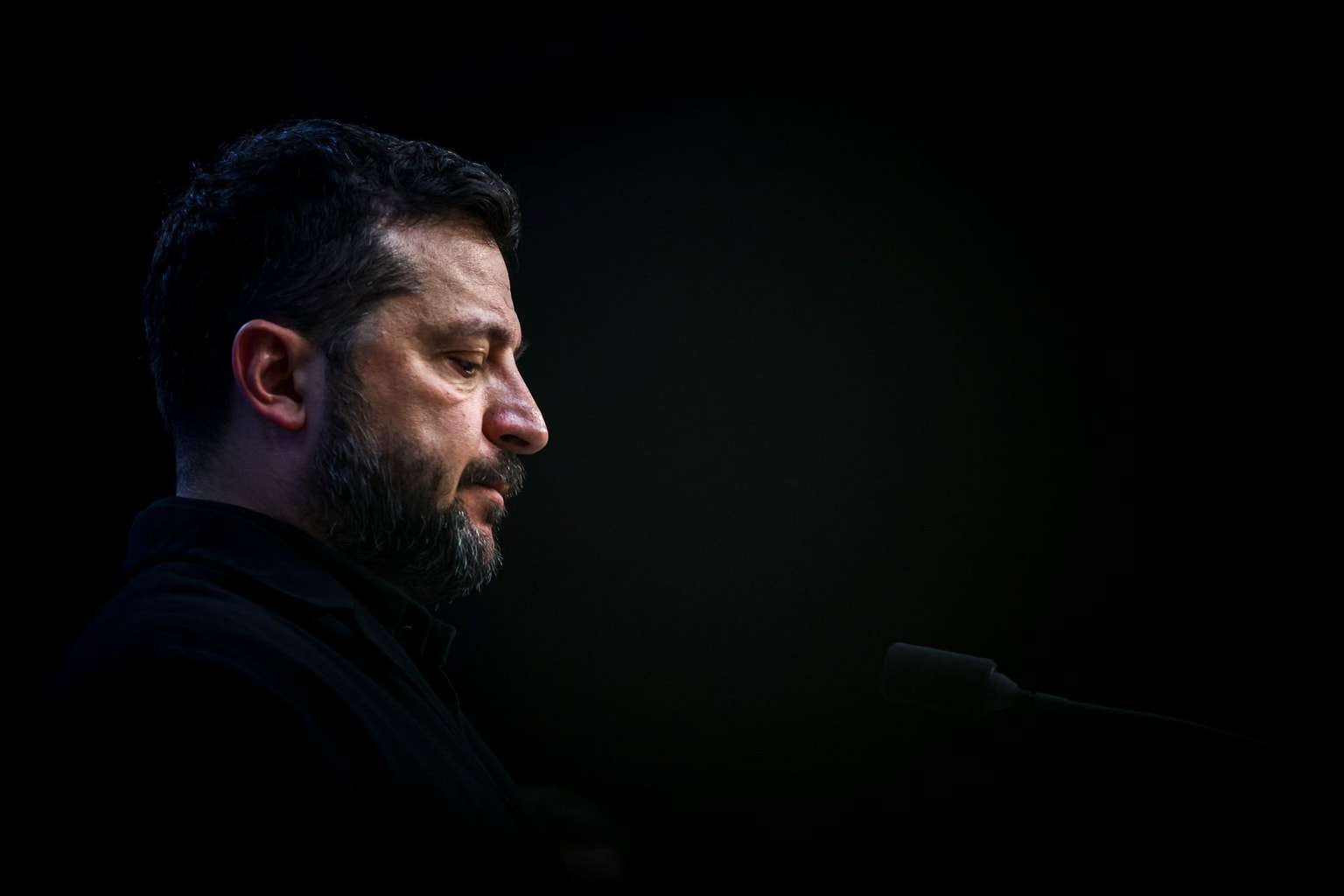
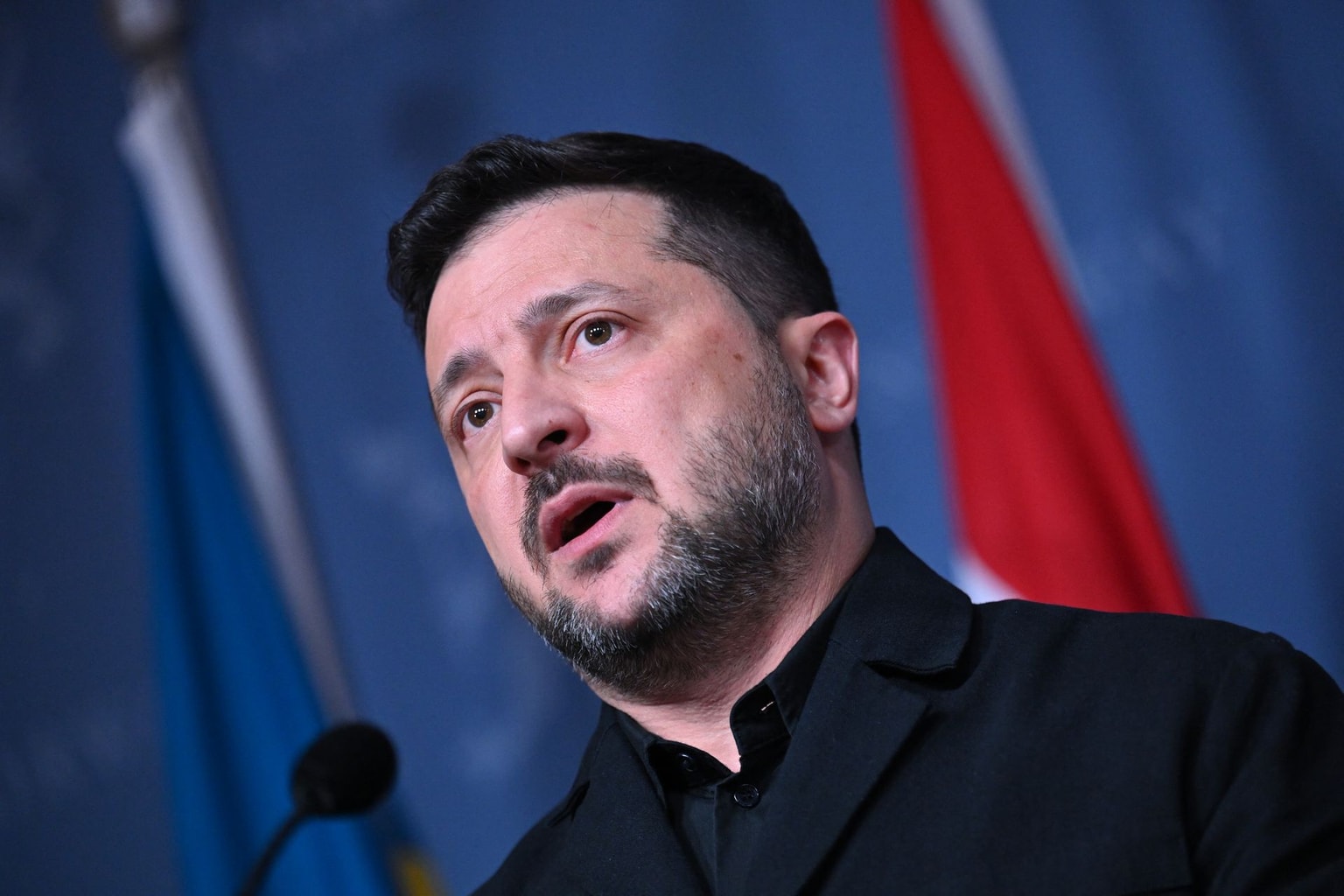
The Kremlin condemned Britain's decision to share classified technical information on Storm Shadow/SCALP cruise missiles with Ukraine, calling the move "fuel on the fire," Kremlin spokesperson Dmitry Peskov said on Aug. 24.
London has agreed to let European defense company MBDA share classified technical information on British-made components in SCALP cruise missiles with Ukraine, a move that could help Kyiv expand domestic production of the weapons.
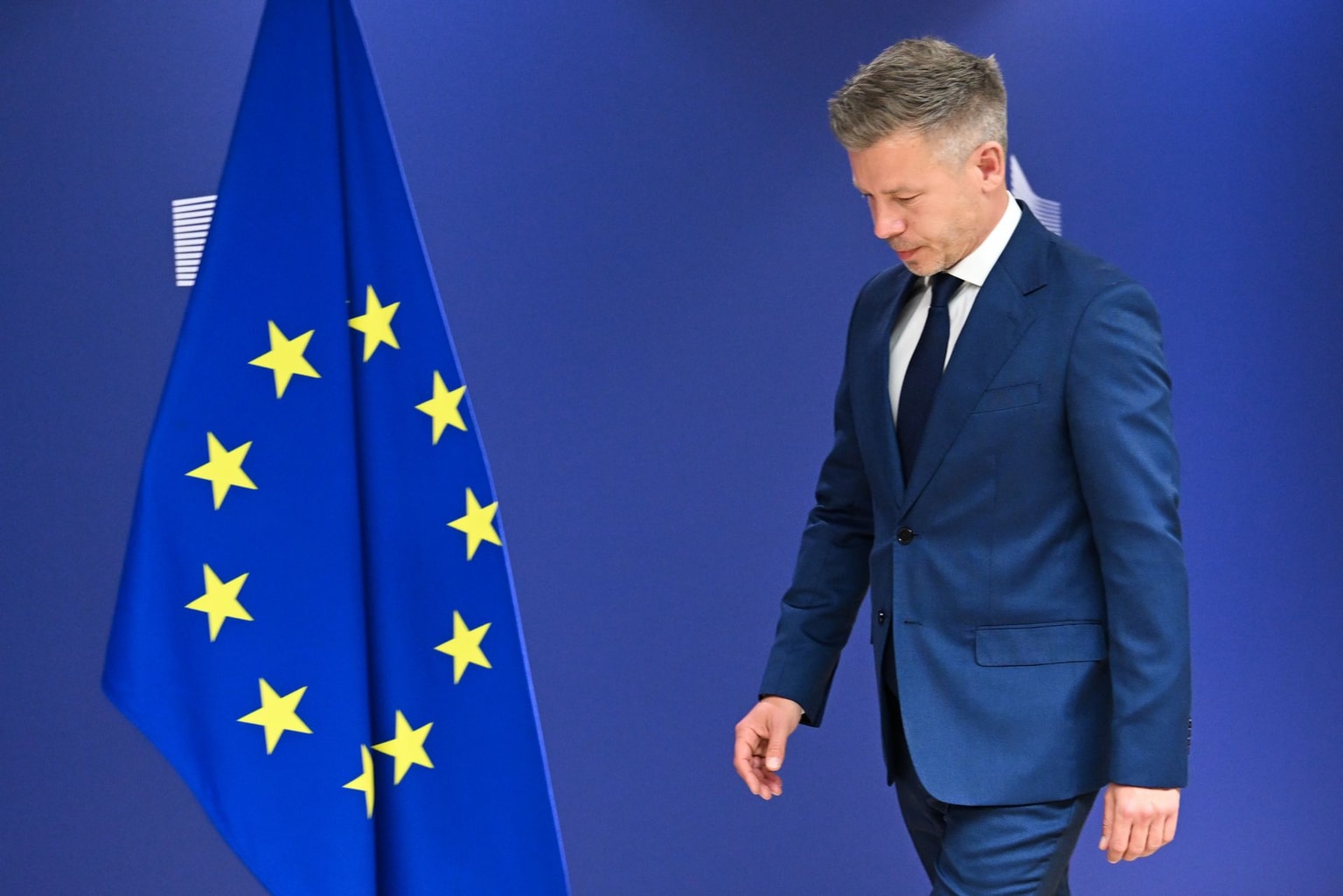
Prime Minister Andy Burnham is expected to formally announce the decision during his first visit to Kyiv since taking office.
Peskov said Moscow views the decision "extremely negatively," accusing London of doing everything possible "to prevent any progress in the peace process."
Peskov also claimed Russian forces were already gathering information on potential production sites for the missiles and other military equipment in order to target them.
The recent move builds on the U.K.'s 2023 decision to become the first country to provide Ukraine with long-range strike weapons for defensive purposes. It will pave the way for French-Ukrainian assembly of the missiles in Ukraine, while access to the blueprints could bring Kyiv and Paris closer to establishing local production lines, the U.K. government said on Aug. 24.
British Defense Minister Luke Pollard described the development as a transfer of military blueprints intended to help Ukraine strengthen its ability to defend itself.
Douglas Barrie, senior fellow for military aerospace at the International Institute for Strategic Studies (IISS), told the Kyiv Independent that the decision has both symbolic and practical significance.
"One is kind of symbolic, showing continued French and British support for Ukraine. The second is practical," Barrie said, explaining that the release of previously classified missile technology could enable Ukraine to assemble the weapon domestically and, over time, build up a significant stockpile.
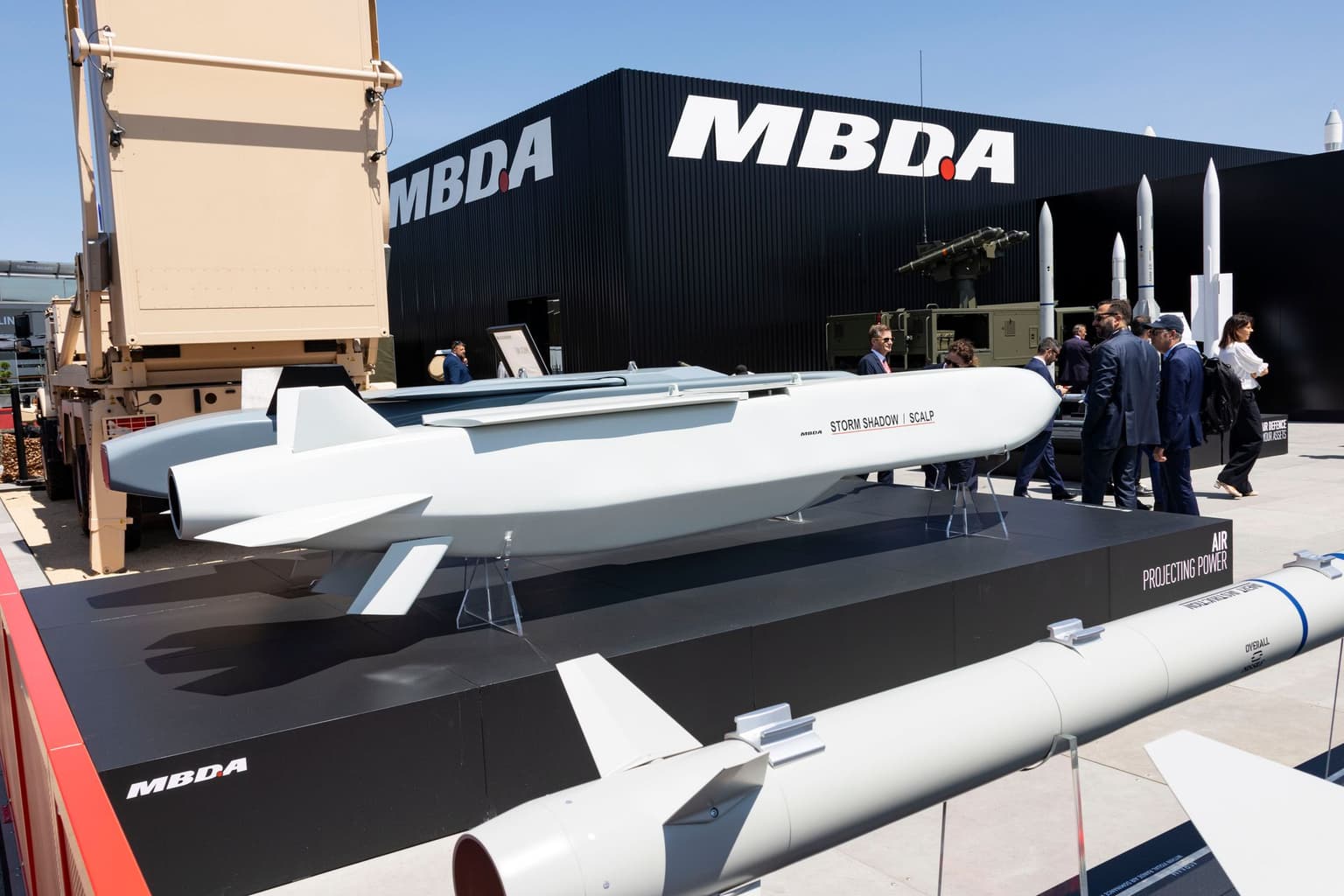
SCALP is the French version of the British Storm Shadow air-launched cruise missile. The weapon weighs around 1,300 kilograms, measures about 5.1 meters (16.7 feet) in length, and has a range of up to 250 kilometers (155 miles).
The missile is designed to strike pre-planned, stationary targets and can operate during the day or at night and in adverse weather conditions, according to manufacturer MBDA. It uses advanced navigation systems to carry out precision strikes.
Barrie cautioned that establishing production would not happen immediately. Under normal circumstances, such a process would be expected to take "a number of years rather than a number of months," he said, though Ukraine could move faster depending on how much preparatory work has already been completed and whether production initially consists mainly of assembly rather than full manufacturing.
Ukraine's defense industry has demonstrated an unusual ability to rapidly absorb and develop new technologies, Barrie added, meaning the process "might happen quicker than you would normally expect."
Potential bottlenecks include shortages of particular components and the challenge of quickly understanding and implementing supporting software technologies, according to Barrie.
The analyst also pointed to the possibility of deeper integration of SCALP with Ukraine's Mirage 2000-5 fighter jets. Ukraine's earlier integration of Storm Shadow with its Soviet-designed Su-24 aircraft was carried out rapidly and was relatively rudimentary, essentially allowing the aircraft to carry and launch the missile, Barrie said.
More sophisticated integration with the Mirage 2000-5 could allow Ukraine to exploit a wider range of the missile's capabilities, he added.
Ukraine has previously used French-provided SCALP and British Storm Shadow missiles against Russian military targets and facilities in occupied Ukrainian territories.
In May, the General Staff said Storm Shadow missiles destroyed an "important" Russian command-and-control and communications post in occupied Luhansk Oblast.
In March, Ukraine's Air Force used Storm Shadow missiles to strike the Kremniy El microelectronics plant in Bryansk, a major Russian defense-industry supplier producing components used in missile guidance systems.
Ukraine also used Storm Shadows in a large-scale strike on the Bryansk Chemical Plant in October 2025, a facility that produces gunpowder, explosives, and rocket-fuel components for Russian ammunition and missiles.
The transfer of technical information comes after months of negotiations between Kyiv and Paris over licenses that could allow Ukraine to manufacture SCALP missiles itself.
Then-Defense Minister Mykhailo Fedorov said in June that Ukraine had made "progress" in discussions with France over SCALP production licenses following talks between President Volodymyr Zelensky and French President Emmanuel Macron.
Fedorov cautioned that the process remained complicated because of intellectual property rights and the bureaucracy involved in opening production, but said discussions over SCALP had advanced further than talks over some other Western weapons.
Zelensky has repeatedly pushed Ukraine's partners to provide licenses allowing Western weapons to be manufactured in Ukraine, including U.S.-made Patriot air defense systems.
Ukraine has not yet received permission to manufacture Patriot systems domestically, though Zelensky said in June that U.S. President Donald Trump's administration planned to raise the possibility of licensing production with American defense companies.
The issue has become more pressing as demand for air defense and long-range weapons has increased globally. Pollard said there remained "huge demand" for Patriot systems amid the conflict in the Middle East, adding that Britain was also supporting Ukraine with other air-defense and counter-drone capabilities.
G7 leaders also said earlier this year that they were prepared to consider extending military-production licenses to Ukraine.