Endless US-Russia talks leave Europe scrambling for a role in Ukraine peace push
 on Google
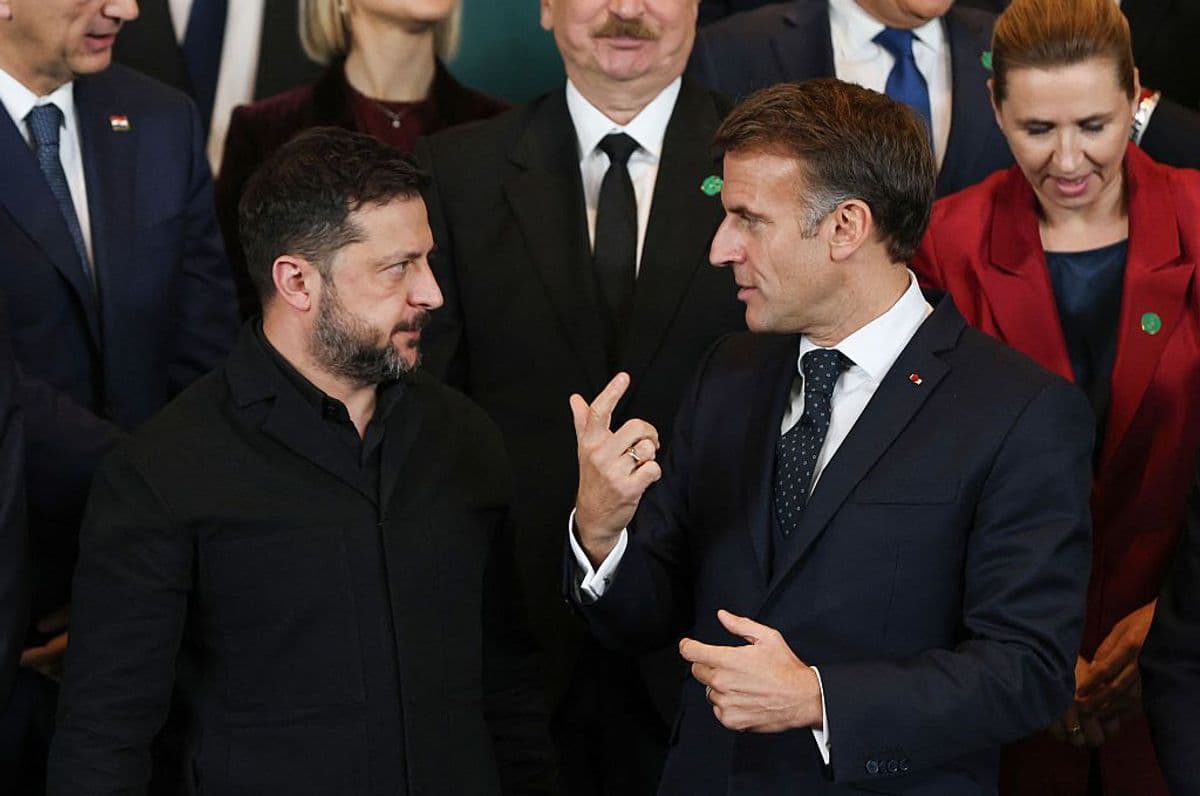
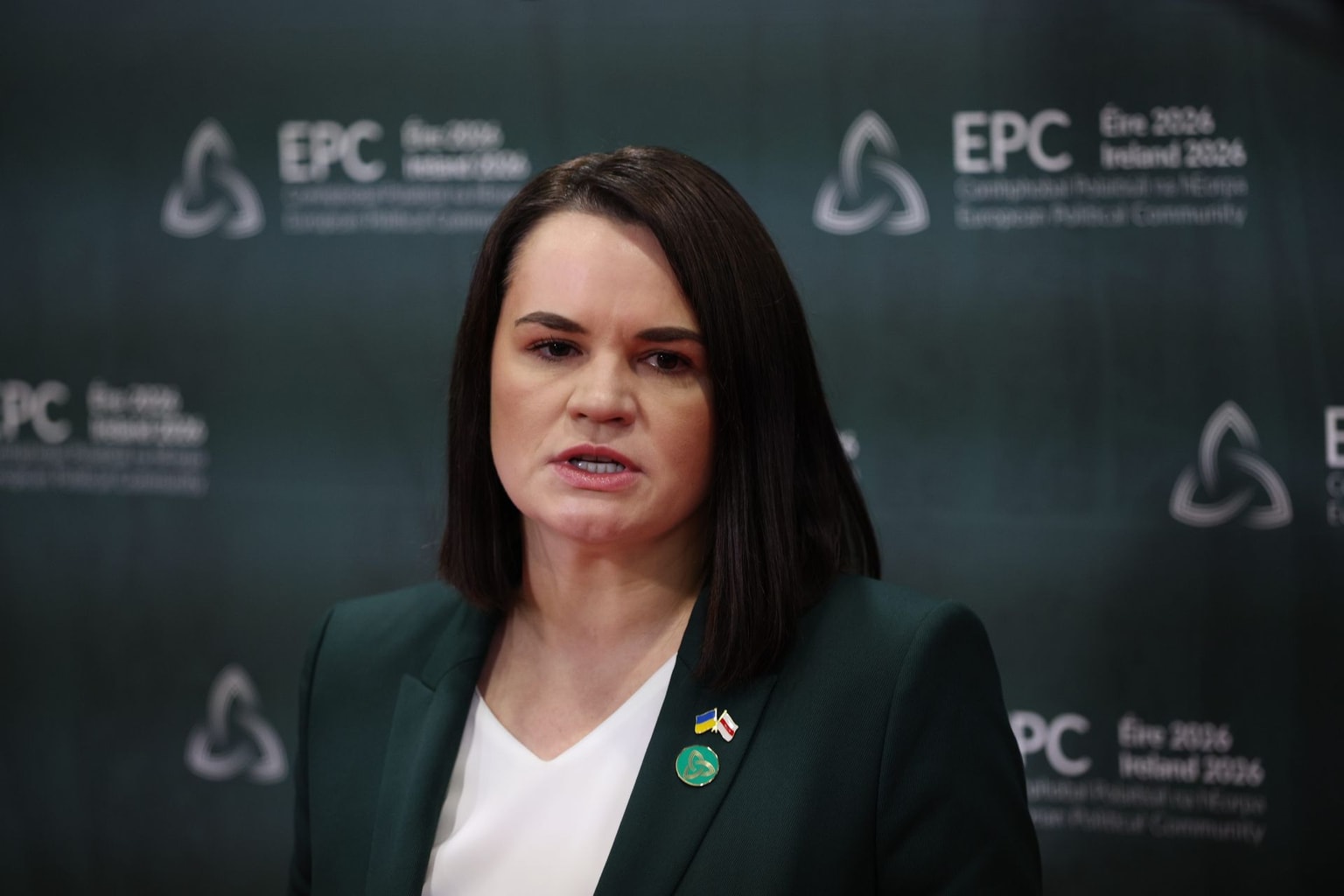
As U.S. special envoys Steve Witkoff and Jared Kushner met with Russian President Vladimir Putin in Russia on Nov. 12 to discuss ending the war, European leaders gathered in Dublin still struggling to agree on who should represent them in the peace talks.
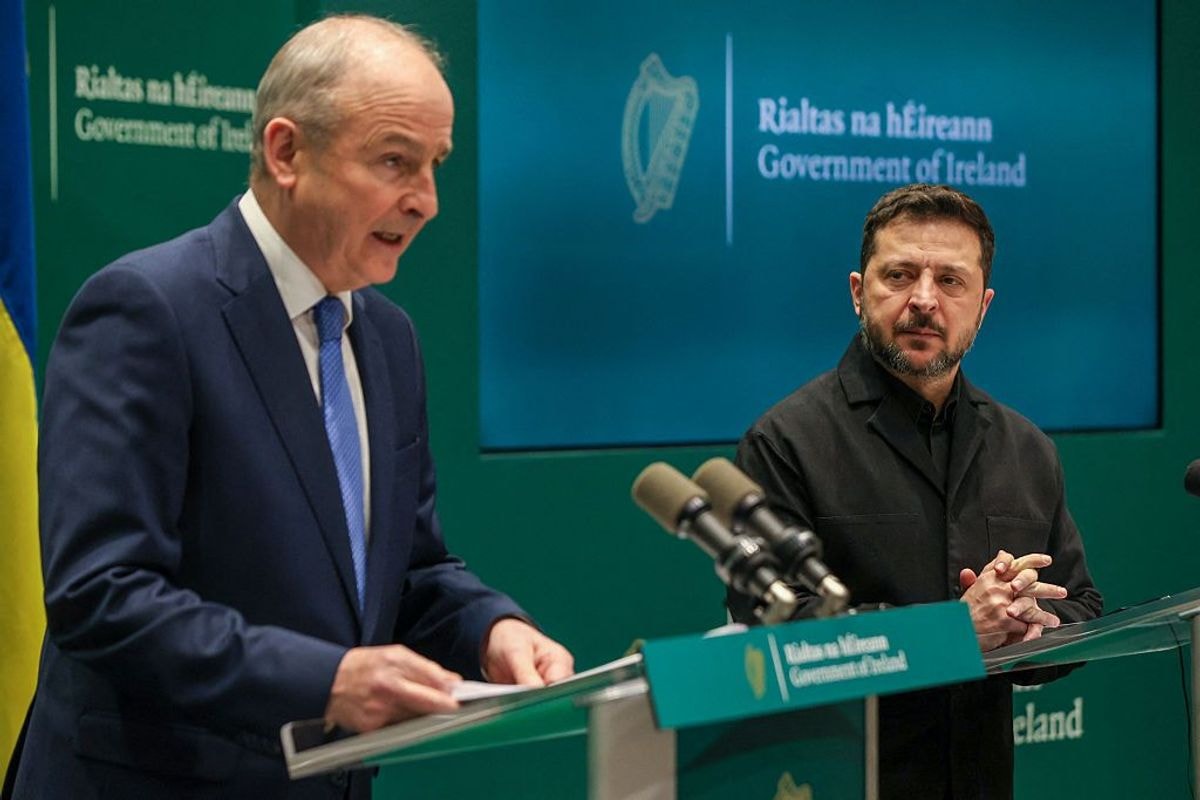
President Volodymyr Zelensky, attending the European Political Community summit in Dublin, insisted that Europe must have a direct role in negotiations over the future of Ukraine and the continent's security architecture.
"It's very good that Europeans are now part of these talks," Zelensky said, referring to European leaders who had been briefed during two days of U.S.-brokered talks between Ukrainian and Russian delegations in Abu Dhabi. The discussions ended without a breakthrough on a broader ceasefire or peace agreement.
"When the Americans and the Russians talk about this, it's not just about security guarantees for Ukraine," Zelensky said on Nov. 12. "It's more about some kind of new security framework between Europe and Russia."
"We need to make sure that Europe becomes a regular part of these negotiations," he added.
But while European leaders agree that the continent's security interests must be represented, they remain divided over who should take the lead.
The European Union, comprising 27 member states, has so far failed to agree on a single representative to speak on its behalf in the negotiations, exposing divisions between those who favor EU institutions and those who want major European powers to lead the diplomatic effort.
European representatives, including national security advisers from France, Germany, the U.K. and Italy, as well as NATO and EU officials, attended the Abu Dhabi discussions, holding separate meetings with U.S. and Ukrainian representatives.

Moscow, however, has shown little interest in involving Europeans directly. Russia's chief negotiator, Vladimir Medinsky, said his delegation had no contact with European officials during the talks.
The question of who should represent Europe has since become a point of contention among its leaders.
Estonian Prime Minister Kristen Michal told Politico that European Council President Antonio Costa and EU foreign policy chief Kaja Kallas should represent the bloc at the negotiating table.
"Europe has already chosen its representatives: Council President Antonio Costa and (chief EU diplomat) Kaja Kallas. Both are clearly accountable to EU countries," Michal said.
Speaking to journalists ahead of the Dublin summit, Kallas backed the proposal, arguing that the EU's institutional framework already provides a mandate for its leaders to represent the bloc in foreign and security affairs.
"When it comes to European security, then the treaties are very concrete. It is Antonio Costa, and it is the High Representative and Vice President (Kallas) who is representing Europe in the security matters," she said.
"Either the leaders, of course, may choose differently and go into these discussions again, which is difficult always, or we should just stick to the agreements that we made in 2024," Kallas added, referring to the EU leadership arrangements established following the European elections.
French President Emmanuel Macron and German Chancellor Friedrich Merz, however, stopped short of endorsing the Costa-Kallas ticket, suggesting instead that major European powers should play a leading role.

Macron argued that Europe must first agree on its position toward Russia before deciding who should represent it in negotiations.
"Europeans must take back the initiative in discussions with Russia, and it is at that point that the format will be determined," he said.
Merz, meanwhile, pointed to existing formats for cooperation among Europe's major powers, including the so-called E3, comprising Germany, France and the U.K.
"We have a proven format with the E3 format," Merz said. "We are also partly with the five representatives, Germany, the United Kingdom, France, Italy and Poland, together on this task," he added.
Both Macron and Merz have previously favored a prominent role for national governments in European diplomacy, rather than placing the EU's supranational institutions at the forefront of negotiations.
For now, however, neither Washington nor Moscow appears particularly interested in creating a formal seat for a European representative at the negotiating table — a process that has at times also sidelined Ukraine itself.
But, despite the diplomatic deadlock, Merz suggested that Putin was willing to engage in negotiations with Europe.
"It is not about people here, but that Putin is ready to have talks," the German chancellor said, without providing further details.
Following talks in Moscow, Witkoff said that the next round of talks with Russia will involve European officials.
"They are our partners and it's important for them to be involved," he said.