Ukraine war latest: Starshield speed restrictions return, Zelensky says
 on Google

Key developments on Nov. 12:
- Starshield speed restrictions return, hampering efforts to intercept Russian drones, Zelensky says
- Russia attacks Kyiv with ballistic missiles, drones hours after peace talks end
- Russian colonel reportedly killed in car explosion near St. Petersburg
- Ukraine captures first Indonesian prisoner of war as Russia steps up foreign recruitment
- Electric shock, beating, choking — Russian commander tortured civilians in occupied Oleshky, prosecutors say
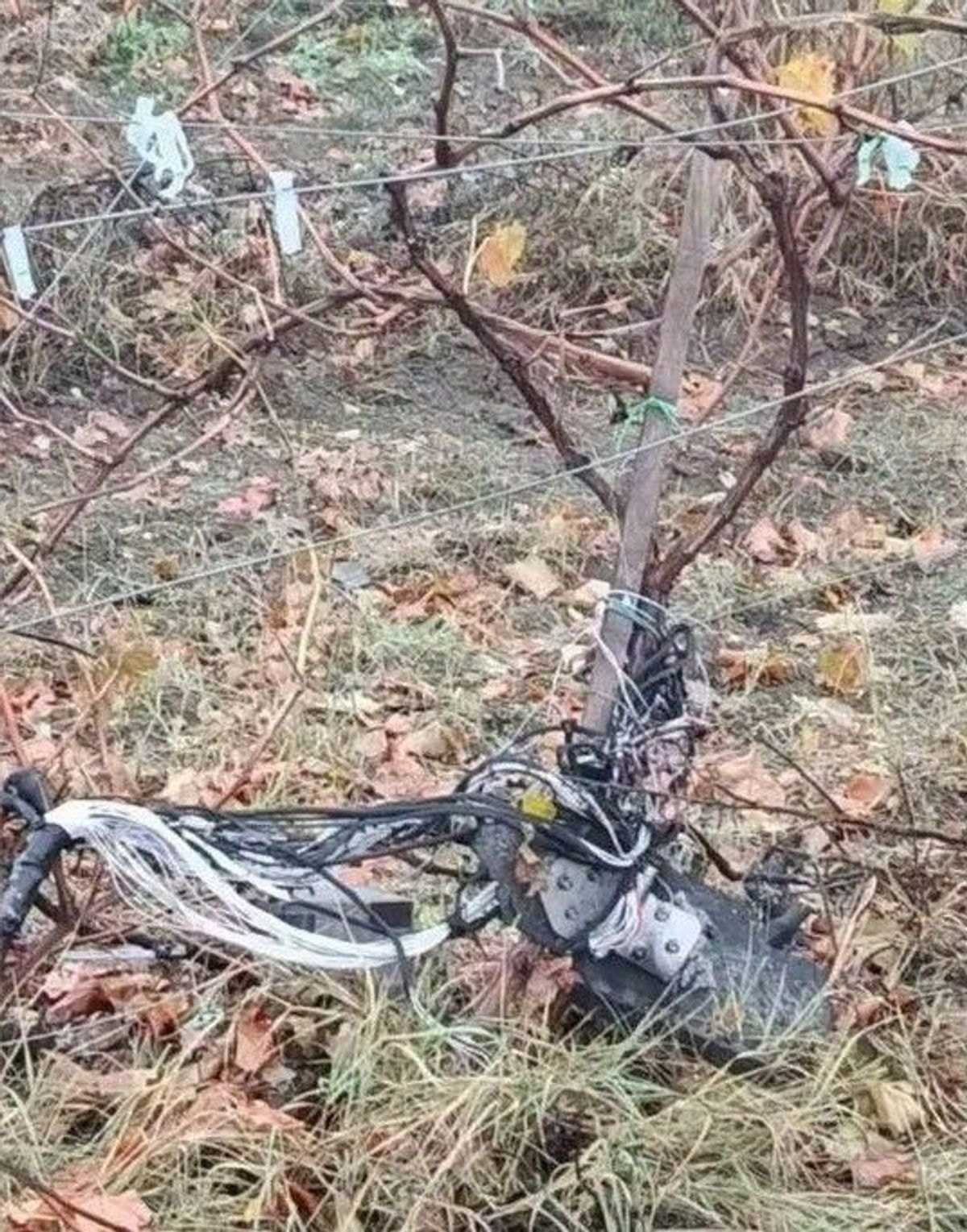
Ukraine's military is once again experiencing significant disruptions to the Starshield satellite communications system, the militarized version of Starlink, for several days, President Volodymyr Zelensky said on Nov. 12.
Restrictions limit Starshield's operating speed to 161 kilometers per hour (100 miles per hour), Zelensky wrote on X following briefings by Defense Minister Yevhenii Khmara and Armed Forces Commander-in-Chief Mykhailo Drapatyi.
"Unfortunately, this is helping the Russians kill more Ukrainians and carry out more accurate strikes against Ukraine," Zelensky said.
The systematic speed restrictions affect the military's operation across the front line and in Russian-occupied territories.
The limitations are making it significantly harder for Ukrainian forces to intercept Russian jet-powered drones, Zelensky said, adding that some Russian strikes had already succeeded because Ukrainian interceptor systems could not reach the necessary speed to catch the targets in time.
A Ukrainian commander at corps level fighting in Donetsk Oblast told the Kyiv Independent on condition of anonymity that the 160-kilometer-per-hour limit was still in place, making middle-strike drones easier for Russia to intercept or evade. A senior member of a Ukrainian military unit in the Unmanned Systems Forces also confirmed the development.
Zelensky stressed that the disruptions are not "random errors" but systematic restrictions. Ukraine is currently trying to establish the circumstances behind the restrictions with the United States, the president added.
Ukraine widely uses both commercial Starlink terminals and their militarized version, Starshield. This year's mid-range strike campaign has allowed Ukraine to strangle Russian logistics, hampering Russia's ability to fight on the front lines.
Russia attacks Kyiv with ballistic missiles, drones hours after peace talks end
Hours after wrapping up the second day of U.S.-brokered peace negotiations in Abu Dhabi, Russia launched ballistic missiles and drones at Ukraine's capital and the surrounding area overnight on Nov. 12.
The talks concluded without a meaningful breakthrough.
Kyiv Mayor Vitali Klitschko reported on Nov. 12 that one person was killed, and eight others were injured as a result of Russian overnight and daytime strikes on the capital.
In the daytime attack on Kyiv, a car caught fire and a bus was damaged after a Russian drone fell onto the carriageway in the Shevchenkivskyi district, Klitschko said at 12:49 p.m. local time.
The Kyiv Oblast Military Administration said that a 32-year-old man suffered burns to his upper limbs as a result of the attack.
In the Solomianskyi District of Kyiv, a Russian drone strike damaged a nine-story residential building overnight on Nov. 12. A fire broke out on floors three to six, and emergency services arrived at the scene, Klitschko said.
"Law enforcement officers are documenting the consequences of the strike and gathering evidence of yet another war crime committed by the Russian Federation," the National Police said.
Russian colonel reportedly killed in car explosion near St. Petersburg
A Russian serviceman was killed when his car exploded in Shushary near St. Petersburg, Russia's Investigative Committee said on Nov. 12.
Russian news outlet Fontanka reported the deceased was an Air Force colonel, killed at around 7 a.m. local time in an explosion on the Kolpinskoye Highway, near a Lenta supermarket and a Tatneft gas station.
Russia's Investigative Committee said investigators and forensic specialists were examining the scene and conducting forensic examinations, and it had opened a criminal case on suspicion of murder.
The explosion marks the second time in less than three months that a Russian military officer has been killed in a car bombing in the Shushary area of St. Petersburg.
On Aug. 27, a car carrying Major Sergei Sechkov and his wife exploded in the same area, killing Sechkov and seriously injuring his wife.
Russian military officials and other figures involved in Moscow's full-scale invasion have previously been targeted in car bombings and other attacks, sometimes in Ukrainian-led operations.
read also
Ukraine captures first Indonesian prisoner of war as Russia steps up foreign recruitment
Ukraine has captured its first Indonesian prisoner of war, a 49-year-old man who was allegedly tricked into joining the Russian military and sent to fight in Zaporizhzhia Oblast, Ukraine's government-run I Want to Live project reported on Nov. 10.
The man, identified as Sukamto Ayok from the city of Blitar on Indonesia's Java island, was promised civilian construction work in Russia by a former classmate in May 2026, according to the project.
Ayok arrived in Moscow on July 22, where he signed what he believed was a one-year construction contract. In reality, he had signed an agreement with the Russian Defense Ministry and was assigned to Russia's 39th Separate Motorized Rifle Brigade, the project said.
He reportedly discovered he had been enlisted in the military on July 30, while being transported to Russian-occupied Donetsk. Ayok and another Indonesian national attempted to escape but were detained, after which Russian personnel allegedly forcibly tattooed an identification number on his chest.
According to the project, Ayok received no military training before being sent to participate in an assault in Zaporizhzhia Oblast. His unit came under a Ukrainian drone attack, after which he wandered for several days before reaching Ukrainian positions and being taken prisoner.
In October, Ukrainian officials met with Indonesia's ambassador to Ukraine, Arief Basalamah, and expressed their willingness to allow a consular visit to Ayok, the project said.
The account could not be independently verified.
Electric shock, beating, choking — Russian commander tortured civilians in occupied Oleshky, prosecutors say
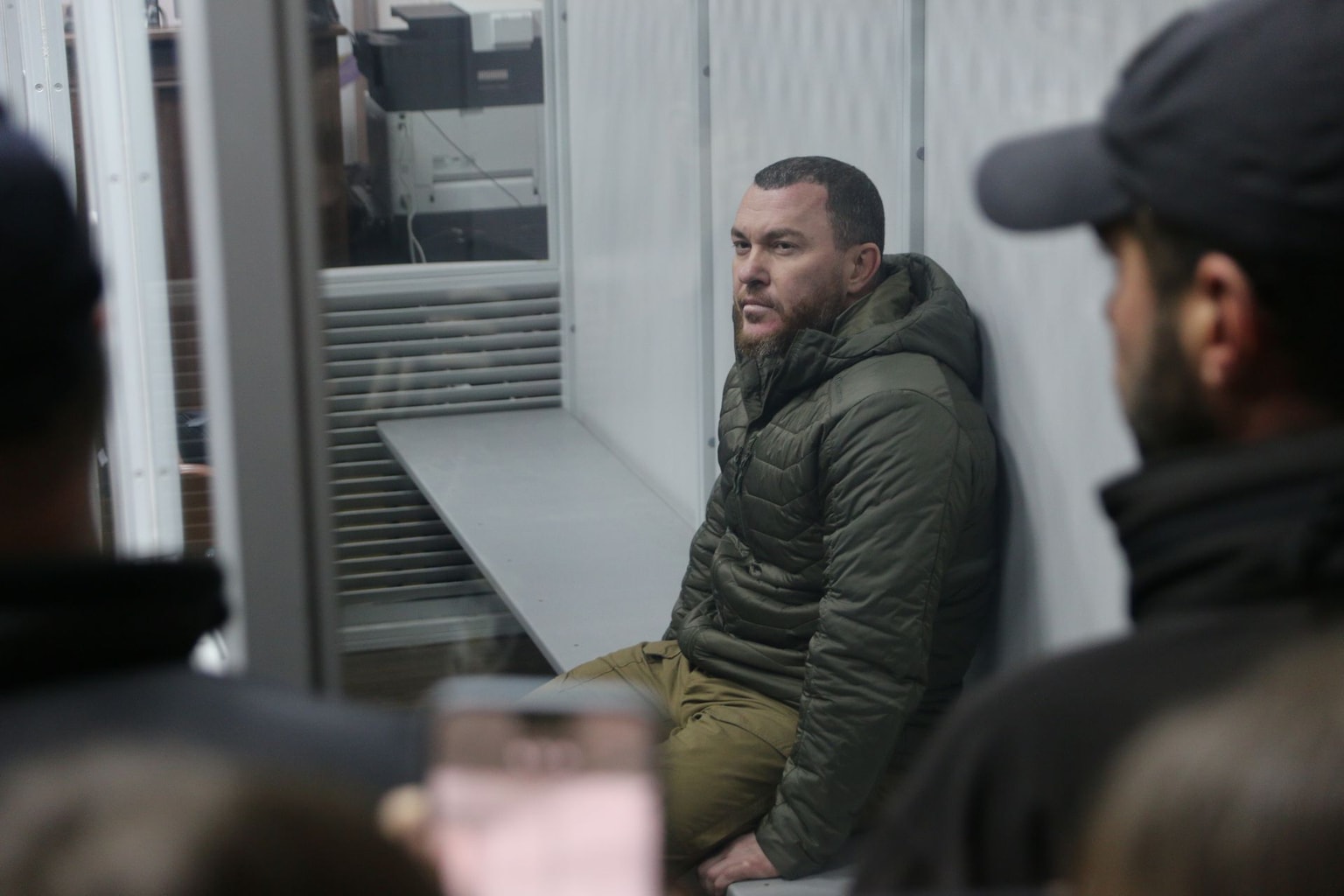
The Security Service of Ukraine (SBU) has completed its pre-trial investigation into a Russian commander accused of torturing two civilians in occupied Oleshky and sent the indictment to court, the Kherson Oblast Prosecutor's Office reported on Nov. 12.
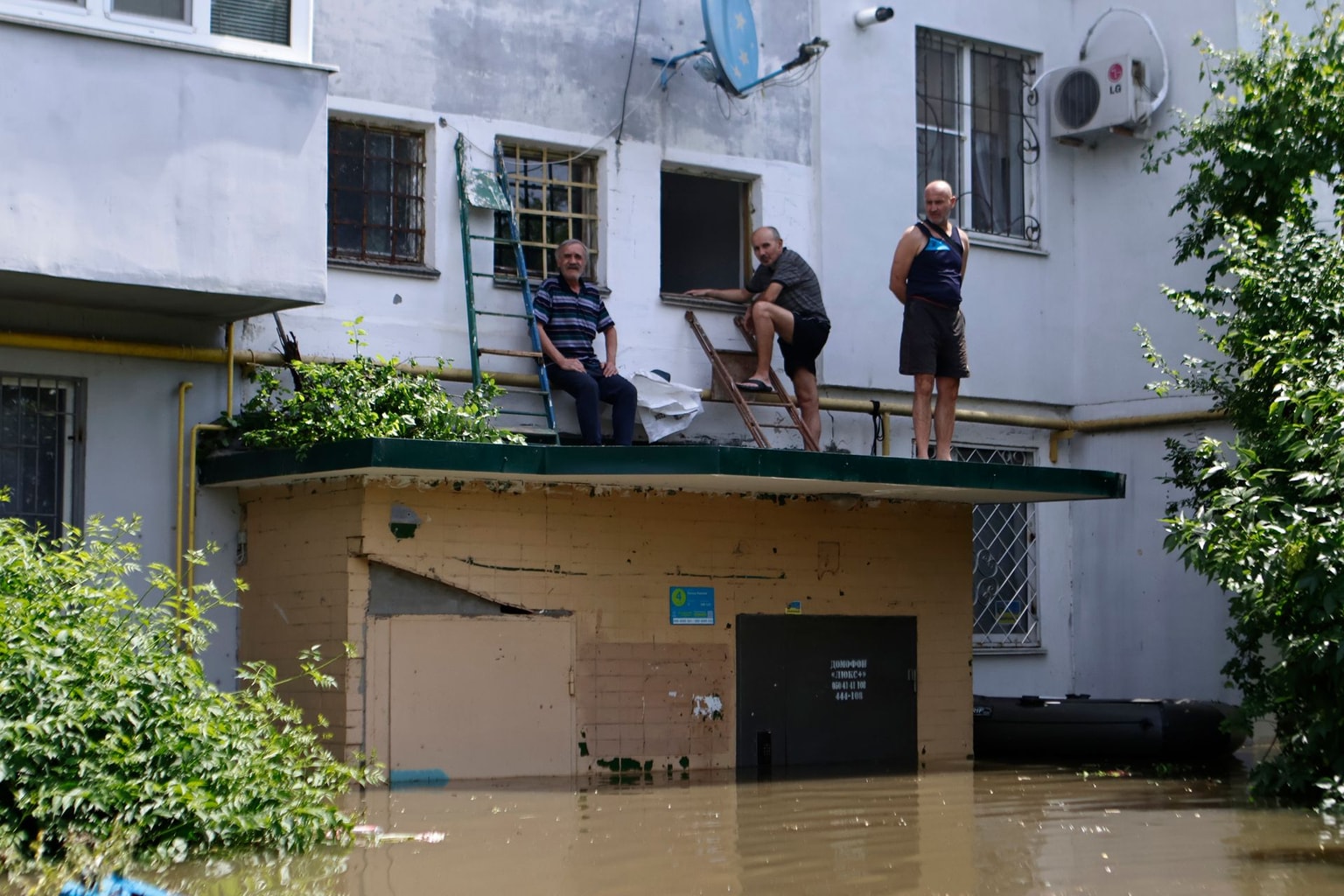
Following Russia's destruction of the Kakhovka Dam in June 2023, a 33-year-old commander of a reconnaissance platoon from Russia's 247th Air Assault Regiment, together with other Russian servicemen, was patrolling the flooded area of Russian-occupied Oleshky, a front-line city in Kherson Oblast, the regional Prosecutor's Office said.
More than 55,000 criminal offenses have been registered in Kherson Oblast since the start of Russia’s full-scale invasion, according to Ukraine’s Prosecutor General’s Office. These include war crimes such as torture, unlawful detention, and attacks on civilians.
The Russian soldiers detained two unarmed local residents in June that year. The civilians were taken to a ninth-floor apartment where they endured ten days of torture in dire conditions, deprived of sufficient food, water, and basic sanitation, according to the prosecutors.
One of the victims was subjected to brutal interrogations on a daily basis as he was beaten and tortured with electric shocks, with wires attached to his fingers. A Russian commander demanded details from the man about local volunteers.
"To intensify the pain, a damp cloth was placed under his feet. During one of the interrogations, the defendant wrapped an electric cable around his neck and strangled him until he lost consciousness," the Kherson Oblast Prosecutor's Office said.
Another man accused of mapping the Russian army's firing positions was tortured to extract information about the alleged intelligence being passed to the Ukrainian army.
He endured electric shocks and beatings, resulting in serious injuries, including fractures of 11 ribs, his sternum, and his jaw. Due to inadequate medical care, his wounds became infected, leading to gangrene and the amputation of a finger.
According to the investigation conducted by the SBU in collaboration with the Kherson Oblast Prosecutor's Office and with support from the State Border Guard Service's 79th Border Detachment, the commander of a reconnaissance platoon from Russia's 247th Air Assault Regiment has been charged with cruel treatment of civilians and other violations of the laws and customs of war.
Some Oleshky residents told the Kyiv Independent that they were also tortured by Russian soldiers. Olha Liutikova and Serhii Samarsky were held by Russian forces in a basement for three days in the early months of the occupation.
"(They interrogated us) because we wanted to live in Ukraine," Liutikova said. "It's a miracle (they let us go)."