Russia's seaborne oil exports see sharpest fall since early 2024 after new US sanctions
 on Google
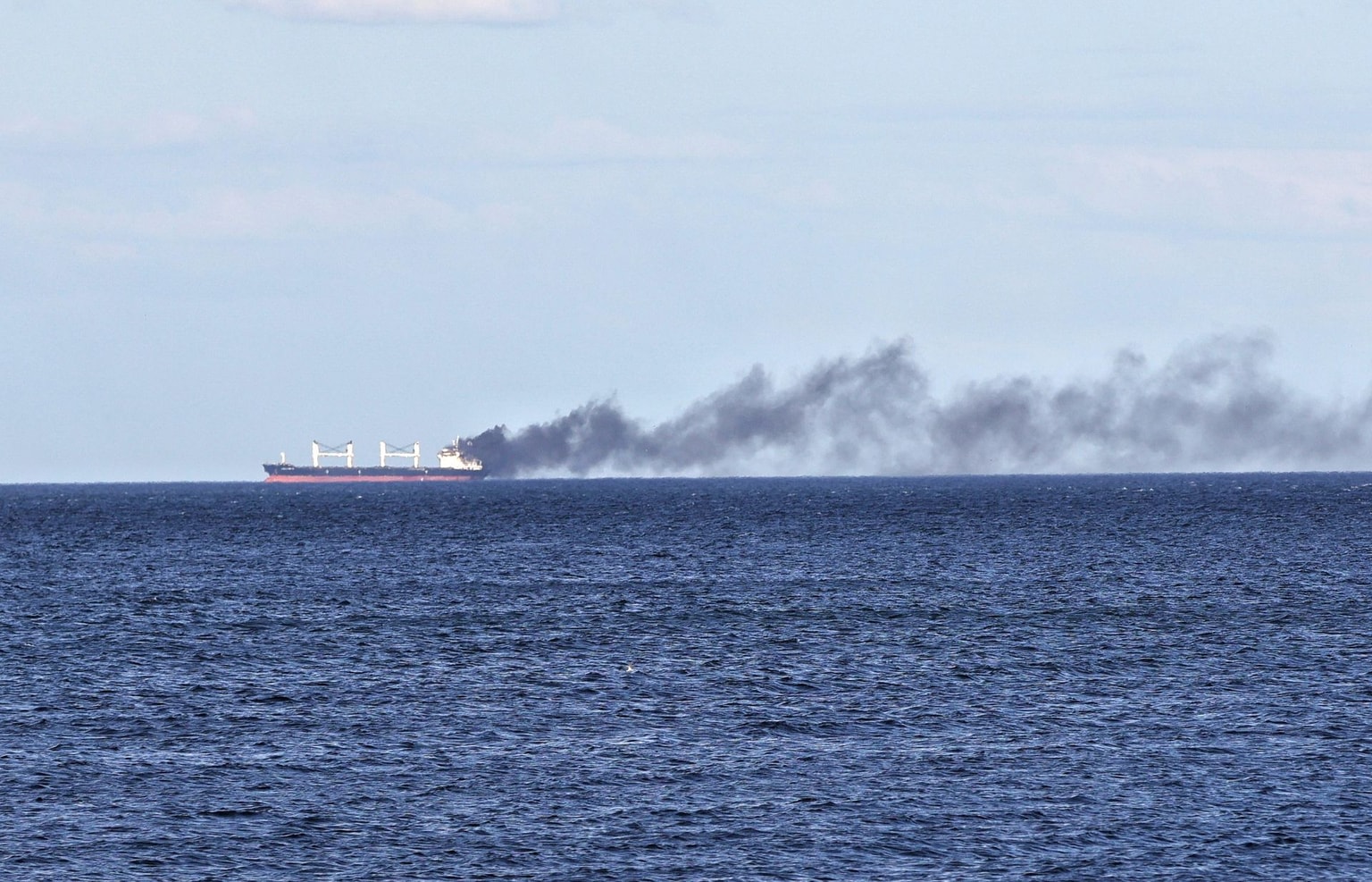
Russia's seaborne crude shipments fell sharply in early November, marking the largest weekly decline since January 2024, Bloomberg reported on Nov. 4.
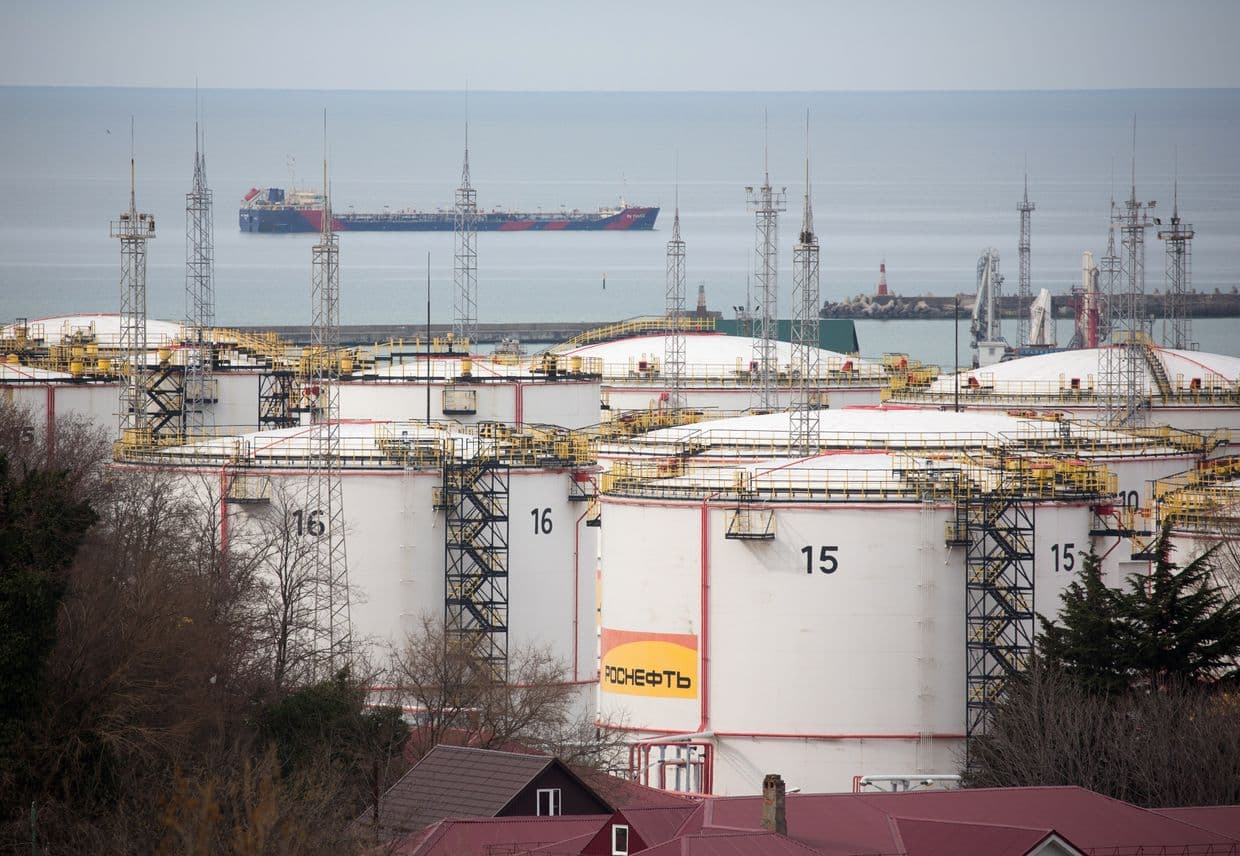
The drop follows Washington's Oct. 22 decision to impose blocking sanctions on Rosneft and Lukoil, Russia's two largest oil companies, freezing their U.S.-based assets and threatening secondary sanctions against foreign entities trading with them.
The four-week average volume from Russia's ports reportedly fell to 3.58 million barrels per day as of Nov. 2 — down 190,000 barrels from the period to Oct. 26 — the steepest decline in 22 months.
During the week ending Nov. 2, 26 tankers loaded 21.11 million barrels, compared to 34 vessels carrying 26.41 million barrels a week earlier. On a daily average basis, exports dropped to 3.02 million barrels, 20% below the prior week's 3.77 million.
Much of the oil remains undelivered, with tankers now being used as floating storage facilities.
Since early September, after the U.S. also doubled tariffs on India, the amount of Russian oil stored at sea has grown by 8% to more than 380 million barrels, equivalent to over 100 days of exports.
At the start of the year, around 340 million barrels were held in tankers.
India, China, and Turkey — which together account for roughly 95% of Russia's crude exports — have paused or reduced imports as they seek clarity on compliance risks. Some buyers have turned to smaller Russian suppliers not yet under sanctions, but many are sourcing oil elsewhere.
India's largest private firm, Reliance Industries, said it would adhere to U.S. sanctions and shift to crude from the Middle East, the U.S., and Brazil. Indian Oil Corp., the country's biggest state-owned refiner, placed no Russian orders after the sanctions took effect.
The sanctions coincide with Ukraine's intensified strikes on Russian oil infrastructure, further reducing output and exports. The combined impact has benefited Western competitors.
According to Reuters, profits from refining operations among ExxonMobil, Chevron, Shell, and TotalEnergies rose 61% in the third quarter compared to the previous quarter, contributing to a 20% increase in overall earnings.