Ukrainian strikes on Russian oil facilities, sanctions boost profits of major Western oil companies
 on Google
Ukrainian strikes on Russian oil refineries and Western sanctions have significantly benefited top Western oil companies, Reuters reported on Nov. 3.
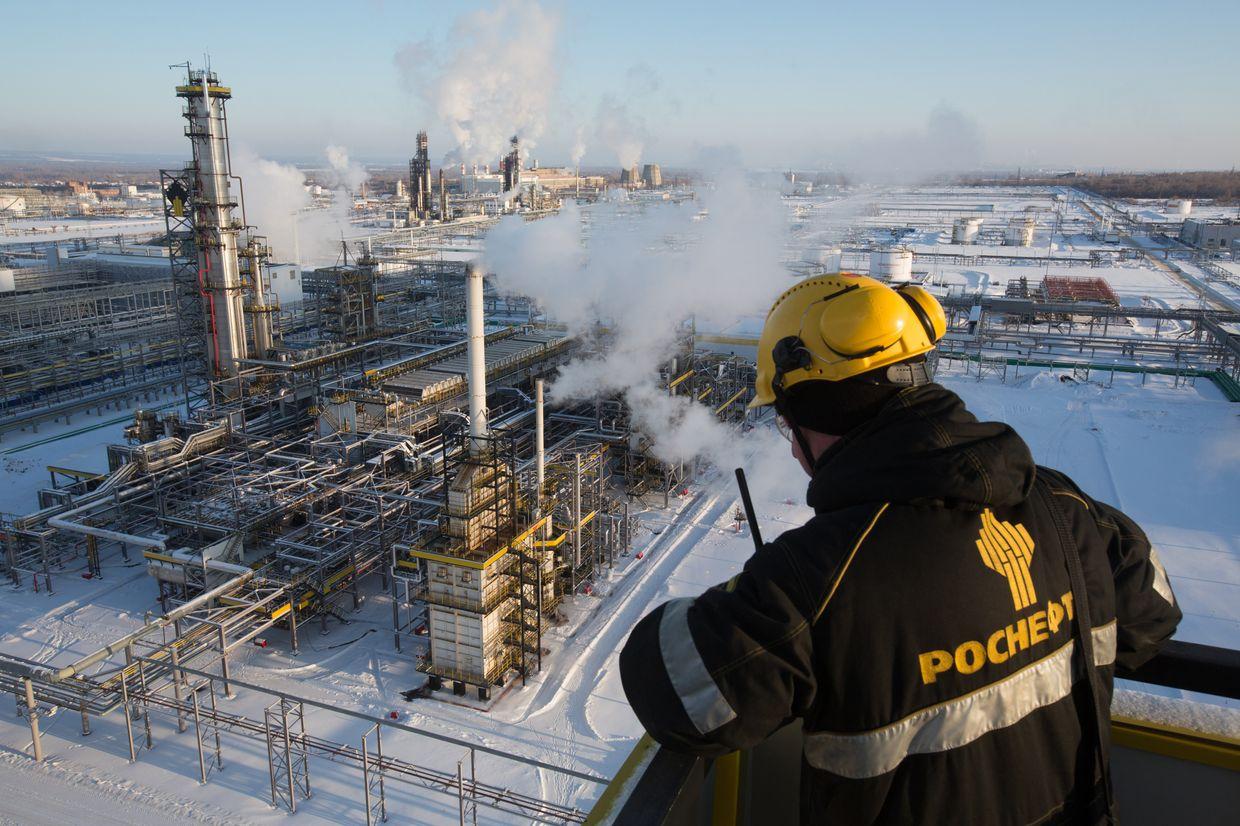
The coordinated impact of Ukrainian drone attacks and Western restrictions has reduced Russian oil output and exports, driving up refining margins and profits for U.S. and European competitors.
Profits from refining operations among the four largest Western oil companies rose by 61% in the third quarter compared to the previous quarter, contributing to a 20% overall increase in earnings.
Since July, Ukraine's drone strikes on Russian refineries and export terminals have cut Russia's average daily oil product exports by 500,000 barrels, according to energy analytics firm Kpler.
Ukraine's Security Service (SBU) chief Vasyl Maliuk said on Oct. 31 that Ukrainian forces had conducted nearly 160 successful strikes on Russian oil extraction and refining facilities in 2025.
As a result, Russia shipped only 2 million barrels per day by tanker in September — the lowest level since both the start of the full-scale invasion and the onset of the Covid-19 pandemic in 2020.
This lifted global refining margins for Exxon Mobil, Chevron, Shell, and TotalEnergies, which together produce more than 10% of the world's refined oil products, or about 11 million barrels per day.
Exxon Mobil reported a 30% quarterly profit increase in its energy products division, reaching $1.84 billion, attributing the gains to "supply disruptions" in the global market.
British oil and gas company BP, which will publish its quarterly results on Nov. 4, saw its profit margin rise by 33% in the same period. BP previously held nearly 20% of Russian energy giant Rosneft's shares.
The U.S. imposed sanctions on Rosneft and Lukoil on Oct. 22, freezing their U.S.-based assets and threatening secondary sanctions against foreign entities transacting with them.
The European Union's July sanctions, which ban the supply of petroleum products made from Russian crude to Europe starting in January, have also strained Rosneft's operations, including at its Indian refinery that exported significant volumes to European markets.
The development also follows Kyiv's intensified campaign against Russia's energy infrastructure. Ukrainian drones have struck at least 16 of Russia's 38 oil refineries since August 2025.