Putin tightens surveillance screws with new Russian internet law
 on Google
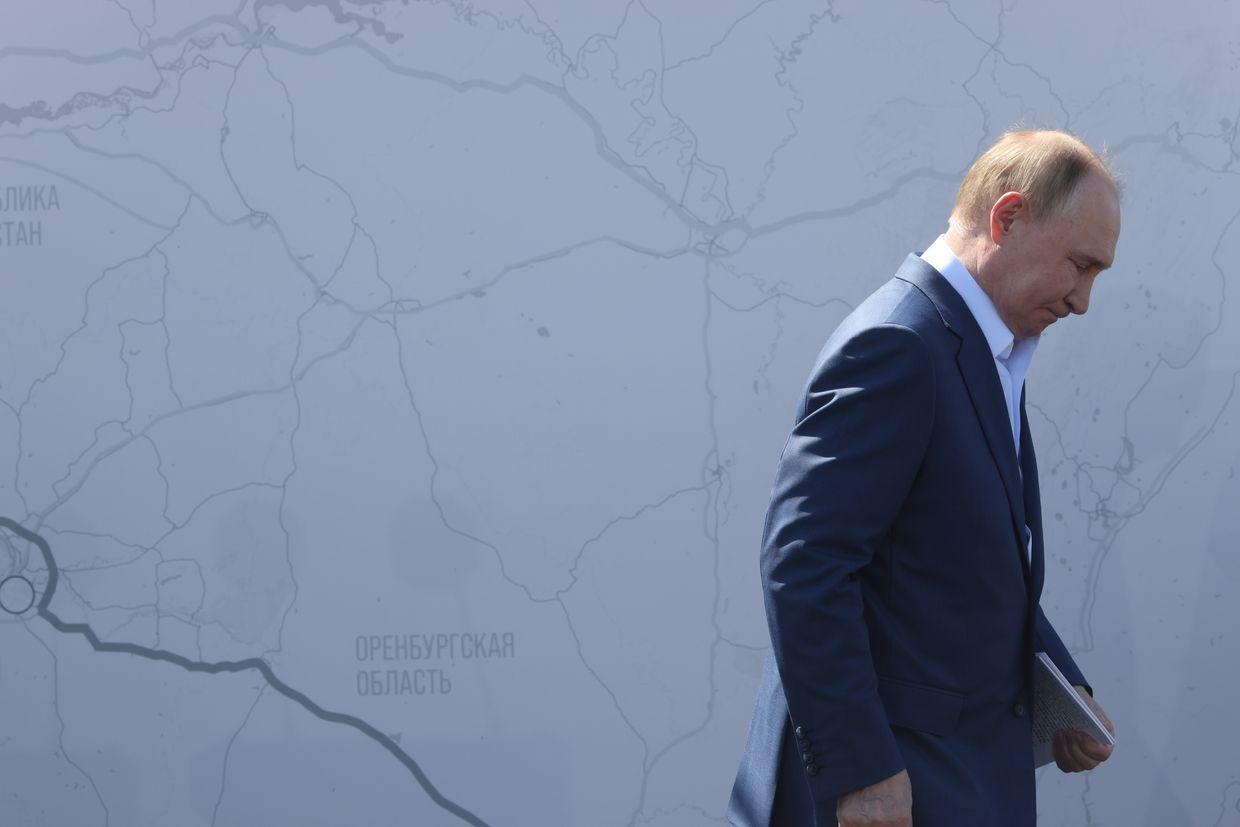
Russian President Vladimir Putin signed a law on Feb. 20 — framed by authorities as a measure to counter security threats and potential attacks — granting Russia’s Federal Security Service (FSB) broad authority to order the disconnection of individuals from mobile and home internet services.
The legislation obliges telecommunications operators to cut access upon request from the security service, while shielding providers from legal responsibility for such shutdowns, according to Russian independent media outlet Astra.
The measure amends Russia’s law on communications and effectively allows authorities to block a person’s access to internet and mobile networks anywhere under Moscow’s control, including occupied parts of Ukraine.
Russia’s State Duma approved the bill in its final readings on Feb. 17 after rapidly advancing it through parliament following an initial review in January.
The law significantly expands state control over digital communications, granting security agencies sweeping powers to restrict connectivity without court oversight.
Critics say the move further strengthens the Kremlin’s ability to suppress dissent and control information flows amid ongoing wartime censorship and domestic crackdowns.
Russian authorities recently attempted to fully block the Meta-owned WhatsApp messaging app, the social media platform announced on Feb. 12.
In September 2025, Russia's Digital Development Ministry and major internet providers approved a so-called "white list" of websites that would remain accessible during mobile internet blackouts.
The list includes state portals, marketplaces like Ozon and Wildberries, Yandex services, and Kremlin-backed platforms such as VKontakte, Odnoklassniki, and the Max messenger.
However, even these services often fail to function properly during full outages, according to Siberia.Realities.