Moscow signals frustration as US-Russia contacts remain 'slow and difficult'
 on Google
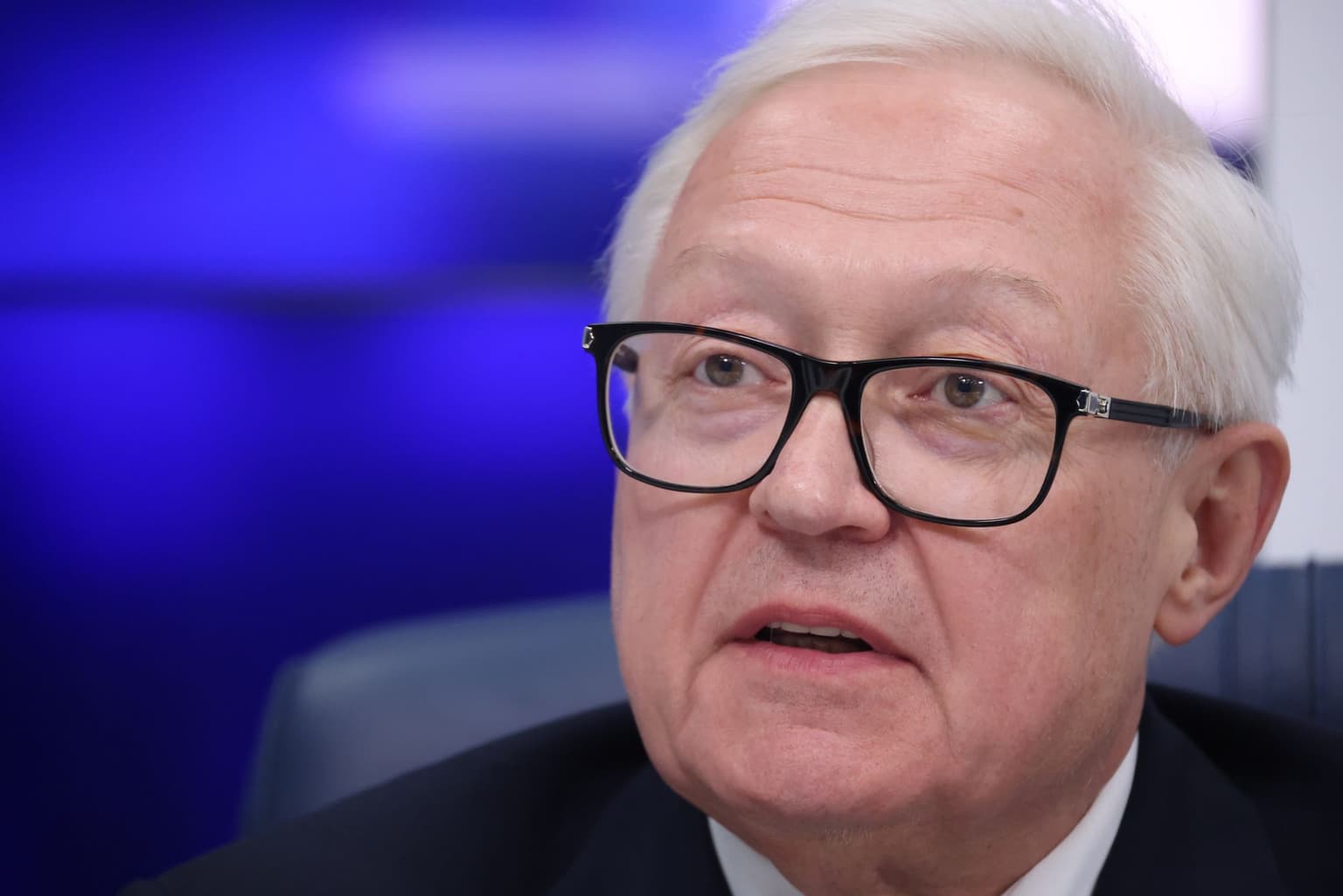
There are still problems in U.S.-Russia relations despite high-level contacts, Russian Deputy Foreign Minister Sergei Ryabkov said on May 16, according to Russia's state-owned media outlet TASS.
The remarks come as Russian officials increasingly voice frustration that Washington continues to link broader economic cooperation with Moscow to progress in peace negotiations aimed at ending Russia's war against Ukraine.
Russian Foreign Minister Sergey Lavrov and U.S. Secretary of State Marco Rubio "discuss the biggest, most important, and most central issues," Ryabkov said, while describing progress in bilateral contacts as "slow and difficult."
"There's no need to look for any hidden meanings in the fact that these contacts occur," he said.
Lavrov and Rubio last held a phone call on May 5, discussing international affairs, Russian-U.S. relations, and preparations for future bilateral meetings.
The comments show growing tensions between Moscow's push for economic engagement with the United States and the stalled diplomatic process surrounding the war in Ukraine.
Kremlin spokesperson Dmitry Peskov said on March 27 that tying broader U.S.-Russia economic relations to the outcome of negotiations harms both Russian and American interests.
Russian economic envoy Kirill Dmitriev, who has participated in discussions with U.S. President Donald Trump's envoys, has repeatedly promoted the prospect of large-scale joint economic projects between Moscow and Washington.
Earlier, Dmitriev claimed that lifting sanctions could unlock more than $14 trillion worth of joint U.S.-Russia projects, including in energy, mining, and nuclear sectors.
President Volodymyr Zelensky said in February that Ukrainian intelligence had briefed him on what he described as a roughly $12 trillion framework for potential U.S.-Russia economic cooperation.